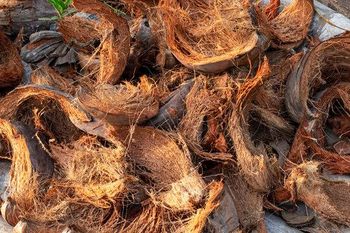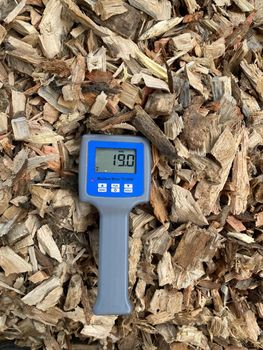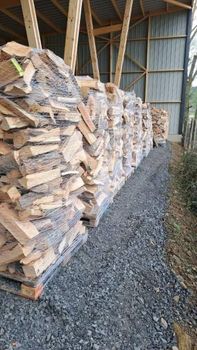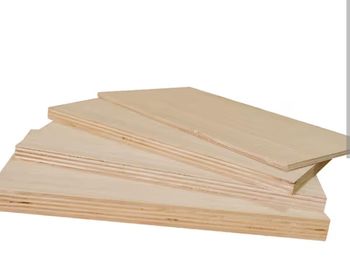
Freshdi offers a wide range of agricultural raw materials, including crops, grains, livestock by-products, and other farm-derived inputs, which are essential for food processing, animal feed, biofuel production, and agrochemical manufacturing. These materials support key industries such as food and beverage, animal nutrition, biotechnology, and renewable energy. For example, a feed mill manager in the Midwest may search for high-protein grain sources to optimize livestock feed formulations, while a biofuel producer in Southeast Asia may look for sustainable crop residues to reduce production costs and environmental impact.
Major import markets for agricultural raw materials include Southeast Asia, the Middle East, and North America, where demand is driven by food processing, biofuel, and livestock industries. Commonly traded variants include raw cotton (trade name: "raw cotton, Upland grade"), soybean meal (trade name: "soybean meal, dehulled, 48% crude protein"), and sugarcane bagasse (trade name: "bagasse, 70% moisture, high fiber content"). Suppliers typically list material composition, moisture content, and protein/fiber levels as key attributes. For example, Upland cotton is primarily exported to Southeast Asia and the Middle East, while soybean meal is in high demand in North America and Europe due to its protein content and use in animal feed. Bagasse is especially preferred in Southeast Asia and India for bioenergy production, where it is valued for its high fiber and low moisture content.
Freshdi lists agricultural raw materials suppliers with verified export experience, typically operating for 10+ years and exporting to key regions like the United States and China, which are common in B2B agricultural trade. Buyers often look for suppliers with recognized certifications such as ISO 9001, FSSC 22000, and USDA Organic to ensure quality and compliance. Common trade terms include FOB Shanghai and FOB Port of Los Angeles, with payment terms typically set at 30% advance payment and 70% against bill of lading, reflecting standard practices in international agricultural supply chains.
You may like
You may like