Share on
6 Inquiries
Price valid until 11 Aug 2026
Minimum order quantity: 1 20-foot Container
Open to price negotiation
Supplier Country: Malaysia
Export market: Australia, Japan, South Korea, India, China
Key Takeaways
Freshdi AI is analyzing this product...
2.9
 Malaysia
Exporter/Wholesaler
Malaysia
Inquiry Open Rate
19%
Total inquiries received
83
Inquiries Read
16
Based on the information provided by the supplier.
 Australia
 Japan
Japan
 South Korea
 India
India
 China
China
East Asia
38%
Middle East
25%
Oceania
12%
South Asia
12%
Western Europe
12%
Verification information
Verify phone number
Buyer Verification Team
Verify account email
By Freshdi.com
Verify business documents
Verify work email
External Validation
Company website
Supplier confirmed with Freshdi
No reviews yet
Be the first to share your experience - your feedback helps other buyers trade with confidence.
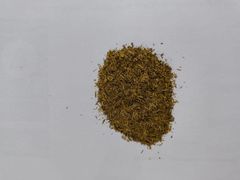
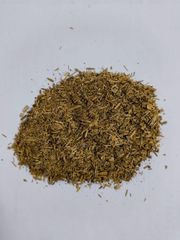
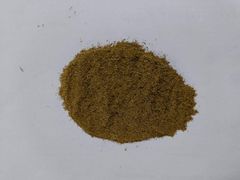
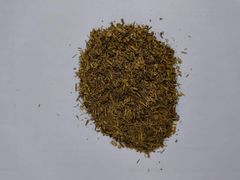
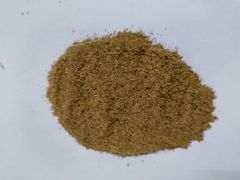
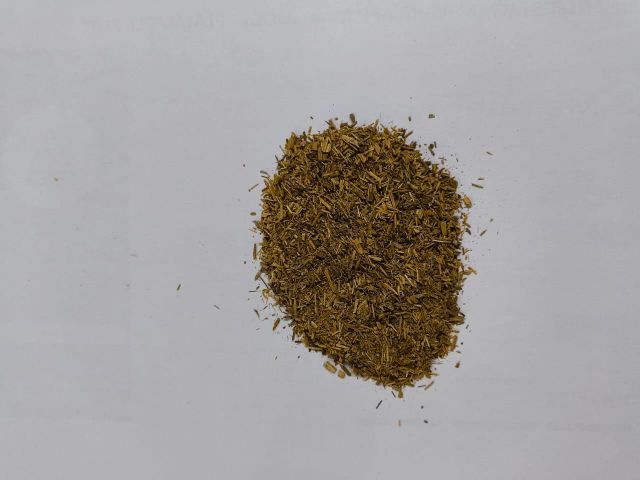
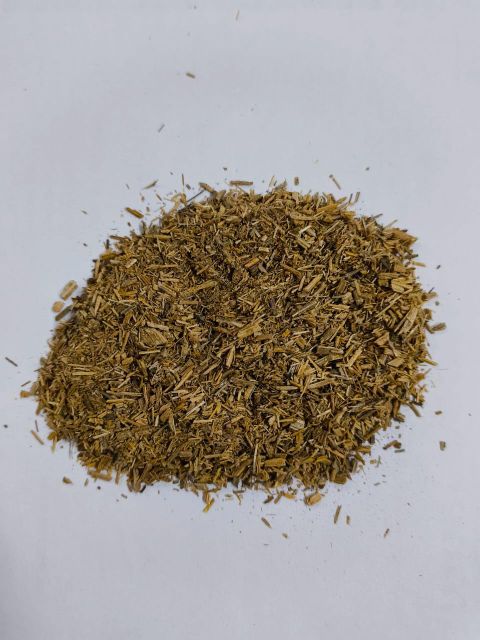
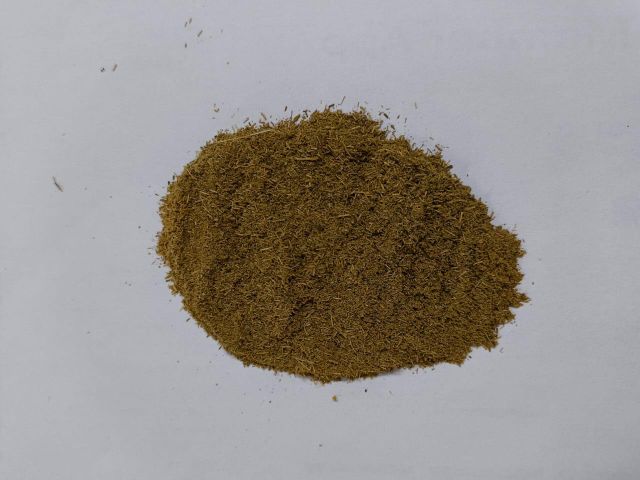
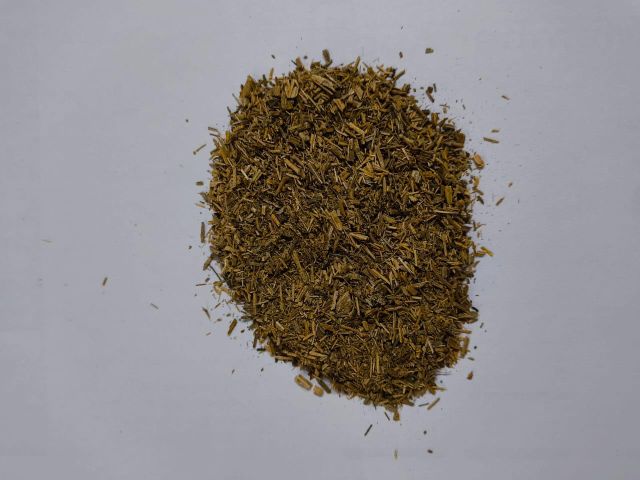
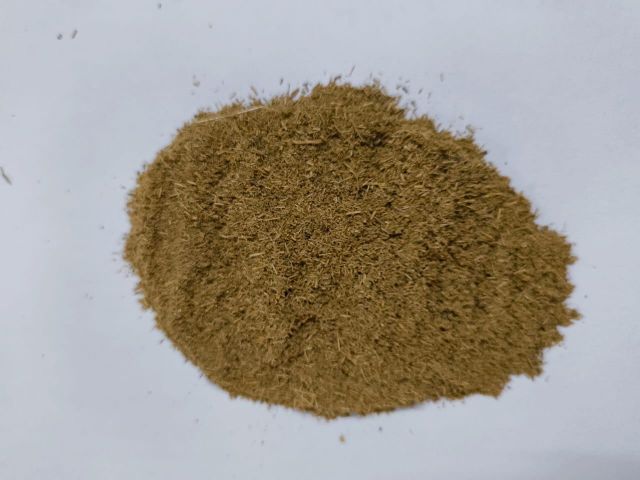
Welcome to your comprehensive resource for high-quality saw dust products. Saw dust, a byproduct of wood processing, is widely valued for its versatility and eco-friendly applications. Whether for industrial use, animal bedding, or gardening solutions, understanding saw dust's properties and varieties will help you select the best product for your needs.
MERLIVAA RESOURCES
Saw dust consists of fine particles of wood produced during cutting, grinding, drilling, or sanding. It varies in texture and color depending on the wood species, the processing method, and moisture content.
Saw dust is generally categorized by wood type: hardwood (oak, maple, beech) or softwood (pine, cedar, spruce). Grades depend on particle size, moisture levels, and cleanliness. High-grade saw dust is free of contaminants and suitable for specialized applications like animal feed or biofuel.
Saw dust's technical properties include particle size distribution, moisture content (typically between 10-20%), and bulk density. Nutritionally, saw dust from certain wood types can be utilized as a carbon source or in composting. It has low nitrogen content but high lignin and cellulose, important for bioenergy and soil conditioning.
Saw dust reduces waste by recycling wood processing residues, supporting a circular economy. It can improve soil health when composted properly and offer dust-control and insulation benefits when processed into pellets.
Saw dust is generated during lumber processing, including sawing, routing, and sanding operations. To ensure quality, it is collected in controlled environments, screened for impurities, and dried to reduce moisture content. Advanced processing can include pelletizing or bagging to facilitate storage, transport, and usage.
Quality grading of saw dust depends on particle uniformity, moisture content, absence of contaminants (such as metal shards or bark), and microbiological safety where relevant. Industry standards guide packaging and export, specifying dimensions, allowable moisture ranges, and contaminant thresholds to maintain performance and compliance.
Saw dust is typically packaged in bulk quantities using large bags (ton bags), small sacks, or compressed bales for efficient shipping. Proper packaging protects against moisture and contamination. For exports, documentation on origin, quality certificates, and compliance with import regulations is essential.
You are viewing details for Saw dust.. The information provided here is either posted directly by the supplier, who is responsible for its accuracy, or collected by Freshdi AI from publicly available sources. Freshdi strives to make product information as useful and reliable as possible, but we do not guarantee complete accuracy. If you notice any incorrect or misleading details, please use the Report Product option so our team can review and address it quickly.
$2,150
/ 20-foot Container
Min. order: Negotiable
Malaysia
2.9
MUHAMMAD KHAIRUL ANUAR BIN IBRAHIM (C-Level Manager)
Active
Business type
Exporter/Wholesaler
Main Export Markets