Upgrade Membership

For Supplier

supplier help center

Filters

64 results for “Activated Carbon products found from trusted suppliers, wholesalers, manufacturers & exporters

icon

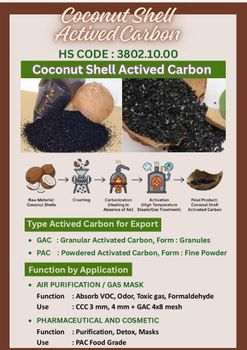
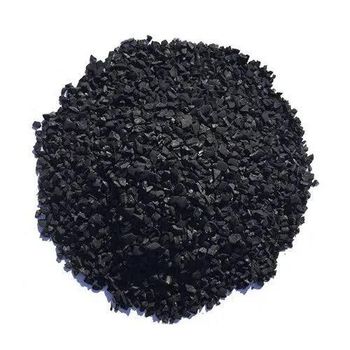
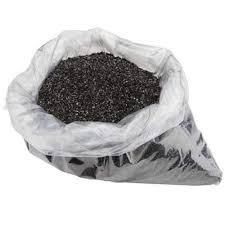
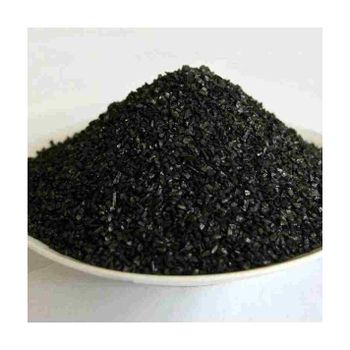
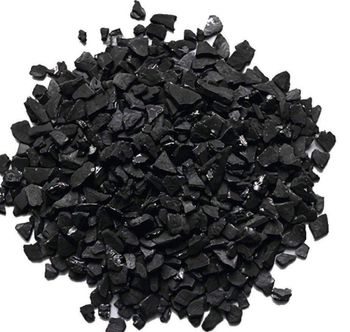
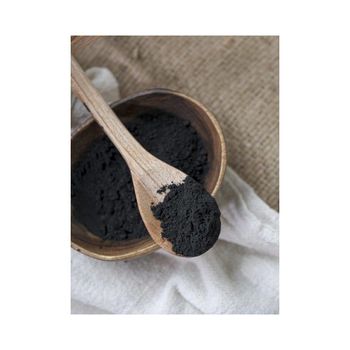
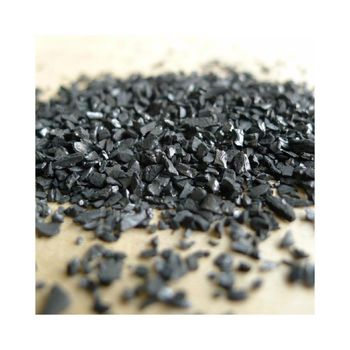
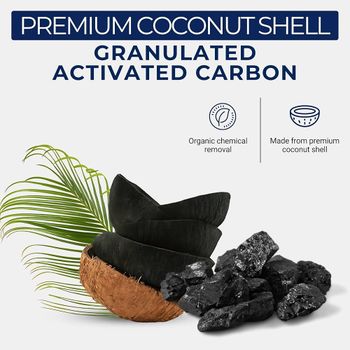
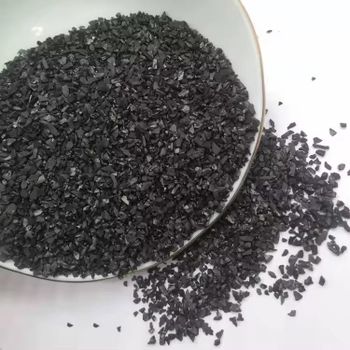
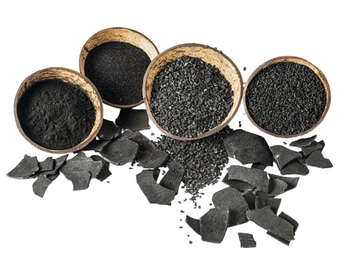
Coconut Shell Charcoal Granules Activated Carbon for Water Purification

$750

Like

Good Price

Min. order: 24 Tons

DAEWKAEW PANTAMANG Co., Ltd

Thailand Flag

icon
New
Discount price activated charcoal available for bulk supply with fast dispatch - AMAC GOLD AND DIAMOND METALS SUPPLIER - Germany
BackgroundBackground

EASY SOURCING with Freshdi AI

Post Buying Request & get quotes from verified suppliers.

Easy, fast & professional.

One request, multiple quotes.

Lean more

What product are you looking for?

I want to buy *

Price History for Product from Global


Frequently Asked Questions (FAQs)


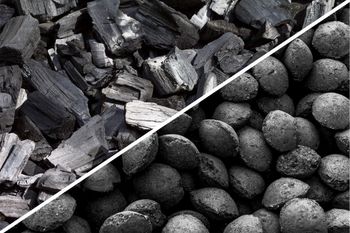
Activated carbon is a porous material derived from carbon sources like coconut shell or coal, commonly used for adsorbing impurities, odors, and contaminants in air or water—key attributes include pore size, surface area, and chemical resistance. Conceptually, activated carbon is structured into subtypes (e.g., granular, powder, pellet) based on particle size and application, where pore structure determines adsorption efficiency and surface area directly impacts contaminant removal capacity. To source it effectively on a B2B site, filter results by application (e.g., water treatment, air purification), check product specs for surface area (typically 500–1500 m²/g), and compare certifications like ISO or ASTM standards—examples include selecting coconut shell-based granular carbon for water filtration or activated carbon pellets for air purifiers. Before finalizing, verify supplier certifications, confirm surface area and pore size details, and ask for test reports or third-party lab results—examples include requesting an ASTM D3878 test report or confirming the carbon’s resistance to pH extremes.


Freshdi lists activated carbon suppliers with verified industry credentials such as ISO 9001, ISO 14001, and FDA compliance, which are commonly expected to establish reliability in B2B deals. Buyers typically look for suppliers with proven experience in international operations, including export history to Europe and the U.S. Trade terms commonly used include EXW from China and FOB from Singapore, with payment terms often set at 30% advance payment and 70% against bill of lading.


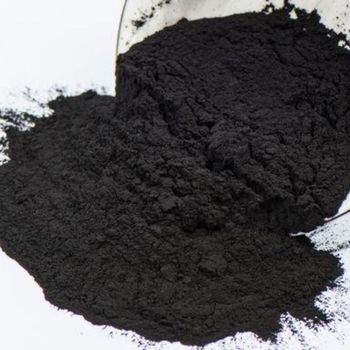
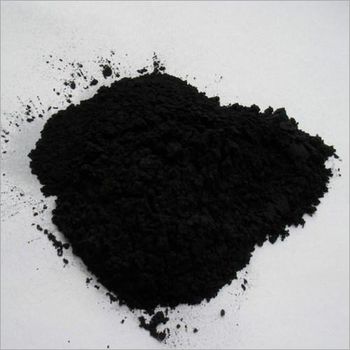
Activated carbon is a porous material used to remove impurities, odors, and contaminants from air and water through adsorption; it is commonly used in industries such as food and beverage processing, pharmaceuticals, chemical manufacturing, and wastewater treatment. Subcategories include granular activated carbon (GAC), powdered activated carbon (PAC), and specialty activated carbon for specific contaminants. A plant manager in a food processing facility may need activated carbon to filter air and prevent microbial growth during production, while a chemical plant operator might use it to remove volatile organic compounds (VOCs) during storage and handling.


Activated carbon is primarily imported into North America, Europe, and Southeast Asia, where demand is driven by water treatment, air purification, and industrial filtration applications. Commonly exported variants include granular activated carbon (GAC), typically traded as “GAC for water filtration,” and powdered activated carbon (PAC), known in trade as “PAC for oil refining.” Suppliers commonly list material composition (e.g., coconut shell or coal-based), particle size (e.g., 0.3–1.0 mm for GAC), and pore volume (e.g., 1.2–2.5 mL/g) as key attributes. Granular activated carbon is most frequently exported to North America and Europe for water treatment, while powdered activated carbon is predominantly exported to Asia for industrial chemical processing. A key preference in Europe is for coconut shell-based GAC with high surface area (≥1000 m²/g), and in North America, coal-based PAC with low ash content (<5%) is preferred for food-grade applications.

You may like

You may like