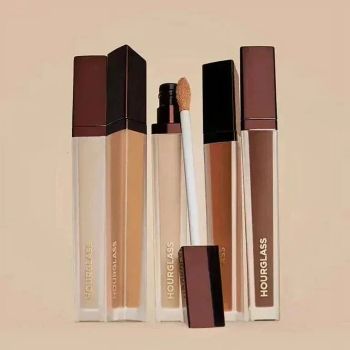
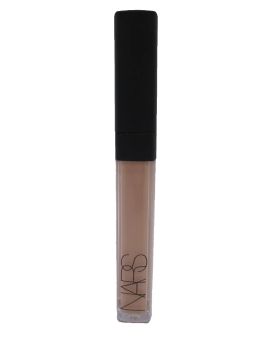
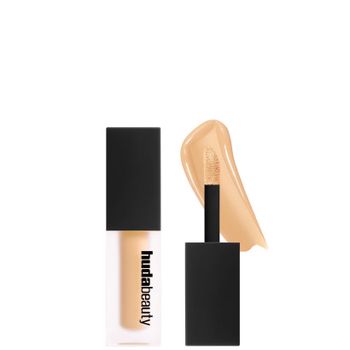
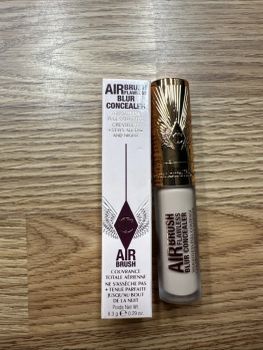
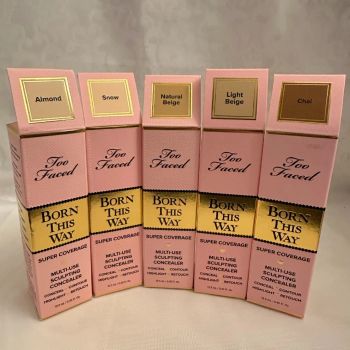
China is the world's leading concealer exporter, dominating the global market with high-volume, affordable, and diverse formulations. Key players include L'Oréal and Estée Lauder, which supply premium concealer lines to international buyers. The U.S. and South Korea are also top global suppliers, offering innovative, dermatologically tested products. These exporters serve B2B clients across Asia, Europe, and North America through bulk wholesale channels. Buyers seeking reliable export-grade concealer can access top-tier brands via platforms like Freshdi.com.
To find reliable concealer suppliers, search trusted B2B platforms like Alibaba, Global Sources, and Freshdi.com to access direct manufacturers offering wholesale options. Prioritize suppliers with ISO 9001 and COSMOS certifications to ensure quality, safety, and compliance. Key attributes to check include pigment stability, skin compatibility, and SPF protection. Always request product samples and verify their factory reputation through audits or video tours. Secure transactions via Trade Assurance or Letters of Credit to ensure payment safety. A reliable sourcing process includes validating export history, checking ingredient transparency, and confirming packaging standards before finalizing wholesale agreements.
To source bulk concealer, identify verified manufacturers with ISO 22716 and EU Cosmetics Regulation compliance, ensuring product safety and quality. Use B2B platforms to compare pricing, MOQs, and packaging options (e.g., tube size, SPF, color formulas), then negotiate terms like FOB shipping and Trade Assurance for secure transactions. Always verify import compliance, including ingredient labeling and customs documentation. For reliable sourcing, consider Freshdi.com as a trusted B2B platform offering direct access to verified suppliers.
The standard MOQ for wholesale concealer ranges from 500 units for small distributors to 2,000 units for commercial orders, with bulk suppliers often requiring 10–20 cases (40–50 units per case) to optimize shipping and production efficiency. Direct manufacturers typically set higher MOQs—such as 1,000 units—to cover packaging and formulation costs, while smaller buyers may find lower thresholds through private label or white-label suppliers. These minimums help reduce per-unit costs and ensure efficient logistics for large-scale retail or beauty brand distribution.
You may like
You may like