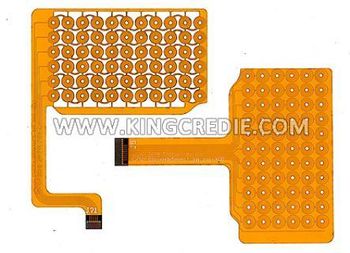
China is the world's leading FPC (Flexible Printed Circuit) exporter, dominating the global wholesale market with over 60% of global production. Key players include Foxconn and Jabil, which drive high-volume B2B supply chains. South Korea and Japan follow as top-tier manufacturers, offering advanced precision and high-reliability FPCs for automotive and consumer electronics. These key details highlight a strong trend toward automation and miniaturization in FPC production. Buyers seeking reliable wholesale FPC export solutions can connect through platforms like Freshdi.com for direct access to global suppliers.
To source FPC wholesale, start by identifying verified manufacturers with ISO 9001 and IPC-2221 certifications, ensuring quality and compliance. Use platforms like Freshdi.com to compare suppliers, verify production capacity, and review technical specs such as layer count, copper weight, and flex life. Always confirm import compliance, including RoHS and REACH standards, and negotiate terms like FOB shipping and Trade Assurance for secure payment. Ensure bulk sourcing meets your circuit design requirements and consider MOQs for cost efficiency.
The standard MOQ for FPC wholesale is typically 500 units for commercial orders, with larger bulk suppliers requiring 1,000+ units to optimize production run efficiency and shipping costs. Direct manufacturers often set this threshold to cover tooling and setup expenses, while smaller distributors may offer flexible MOQs starting at 100 units for pilot orders. For private label or custom-designed FPC boards, MOQs can rise to 2,000 units due to additional design and testing requirements. Buyers seeking wholesale pricing should negotiate based on order volume, with larger commercial orders receiving better unit pricing and faster lead times.
To find reliable FPC suppliers, use trusted B2B platforms like Alibaba, Global Sources, and Freshdi.com to access direct manufacturers offering wholesale pricing. Always verify key certifications such as ISO 9001, ISO 14001, and RoHS compliance to ensure quality and environmental standards. Check critical attributes including layer count, copper weight, signal integrity, and solderability. Prioritize suppliers with strong reputation, clear MOQs, and transparent production timelines. Request samples and conduct factory audits or video inspections. Secure payments via Letter of Credit (LC) or Trade Assurance to protect your investment. A reliable sourcing process includes verifying export history, checking customer references, and confirming compliance with international standards.
You may like
You may like