

What products are you looking for?
Popular Searches:
Where to Buy Frozen Beef Tenderloin Wholesale:
8,389 Supply, Exporters on Freshdi, The United States leads Frozen Beef Tenderloin supply with 13.3% of suppliers, followed by Brazil ( 9.6% ) and Germany ( 9.6% ) — a distribution across three key meat-exporting regions rather than a single dominant source.
2.3% of all listings were added in the last 30 days, a small increase in new supply entering the catalogue. 62.7% of suppliers were active in the last 90 days, and 68.7% carry business verification — the base remains largely reachable and a significant portion has completed documentation checks.
Updated Oct 16, 2026
Based on suppliers' real activity on Freshdi over the past 7 days
Explore market insight
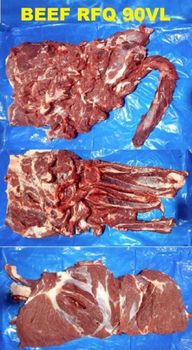





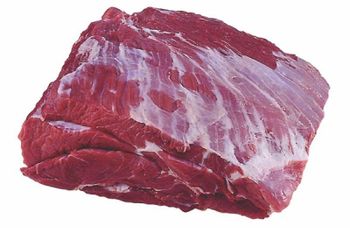
Good Price
+4
Reliable Frozen Boneless Beef Supply for Food Manufacturers and Commercial Kitchens Requiring

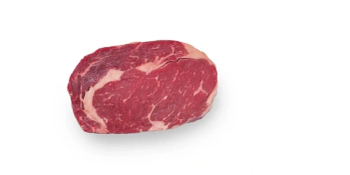

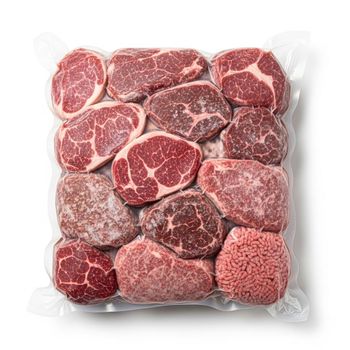
Good Price
+2
Frozen Beef Selected Premium Frozen Beef Rich In Protein And Nutrients Ideal For Exporting And Bulk Orders With 95% Freshness



Good Price
Best Frozen Beef Natural Taste Quality Meat for Cooking Restaurants and Food Businesses





+1
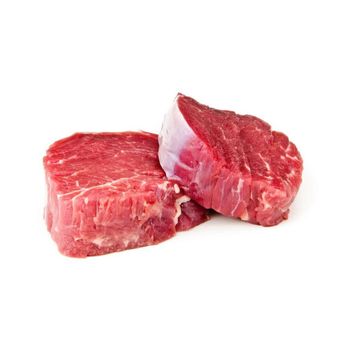
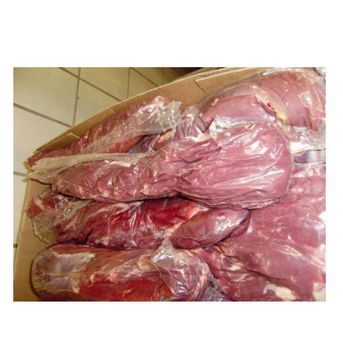
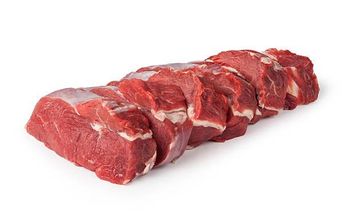
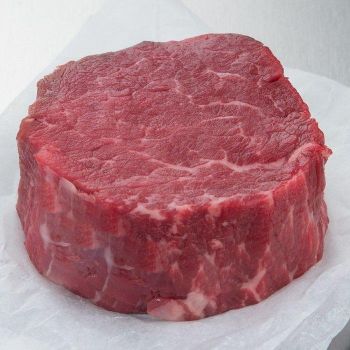
Beef tenderloin for sale Premium frozen Beef tenderloin for sale

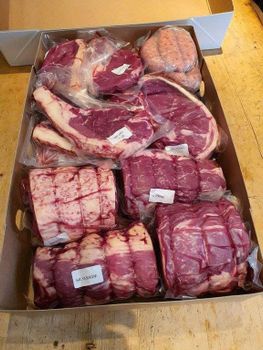
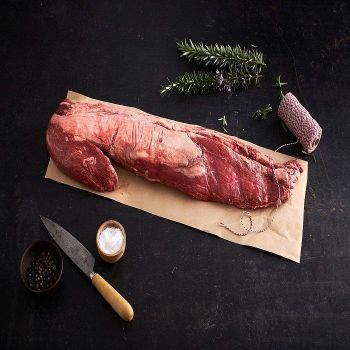
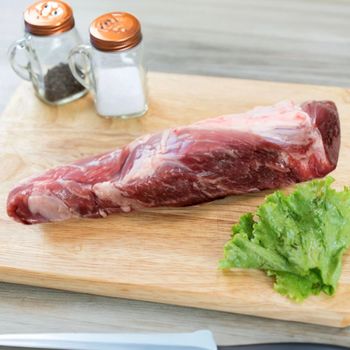
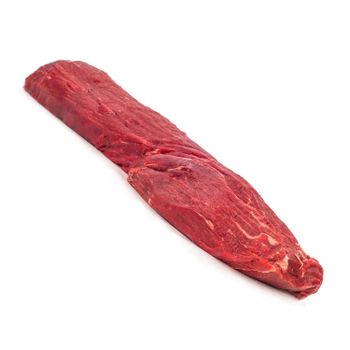


Frozen Beef Tenderloin Market Insight | Price, Payment Terms, Trade Terms & Supplier Countries
Updated Oct 16, 2026Based on suppliers' real activity on Freshdi over the past 7 days
Explore market insight
Frozen Beef Tenderloin listings on Freshdi show a typical price range of USD 1,414 - 3,036 per metric ton on an FOB basis, with the median landing at USD 1,939 per metric ton.
The typical minimum order quantity for Frozen Beef Tenderloin is 20 MT , with most listings falling within the common range of 10 - 20 MT , offering buyers a defined but relatively high threshold for order size.
Suppliers for Frozen Beef Tenderloin predominantly offer CIF at 69.1% of listings, with FOB accounting for 11.1% , indicating that freight, insurance, and delivery to destination are typically arranged by the supplier.
Payment terms for Frozen Beef Tenderloin are mostly T/T at 44.9% , with L/C used in 11.4% of cases, showing a strong preference for bank transfers as the primary method of payment.