

What products are you looking for?
Popular Searches:
Where to Buy Frozen Ribeye Beef Wholesale:
8,384 Supply, Exporters on Freshdi, The United States leads Frozen Ribeye Beef supply with 12.3% of suppliers, followed by Germany ( 9.9% ) and South Africa ( 9.9% ) — a distribution across three key regions rather than a single dominant source.
2.3% of all listings were added in the last 30 days, a small increase in fresh supply. 64.2% of suppliers were active in the last 90 days, and 67.9% carry business verification — the supplier base remains stable with a majority of manufacturers showing recent activity and documentation checks.
Updated Oct 18, 2026
Based on suppliers' real activity on Freshdi over the past 7 days


Good Price
+2
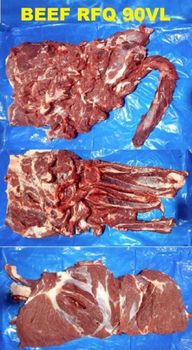
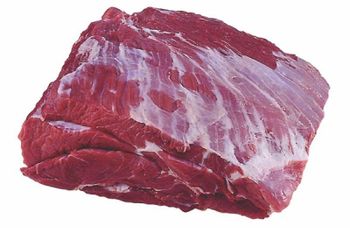
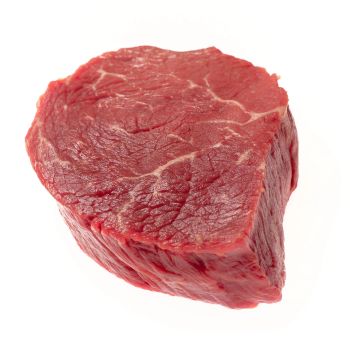
Premium Frozen Beef Sirloin Carefully Selected Beef Sirloin Offering High Quality Cuts For Global Wholesale And Export Buyers





Good Price
+4
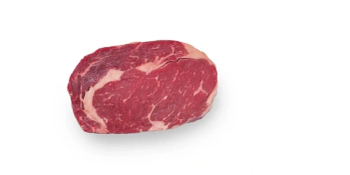
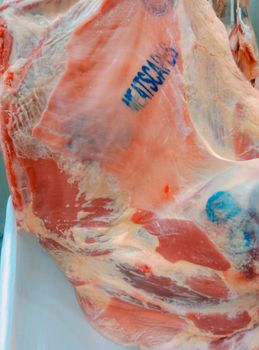
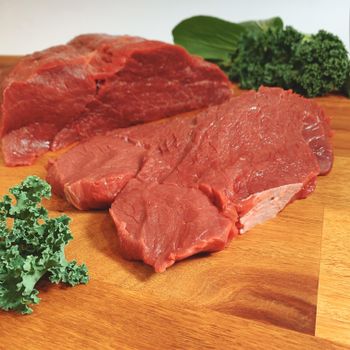
Reliable Frozen Boneless Beef Supply for Food Manufacturers and Commercial Kitchens Requiring




Good Price
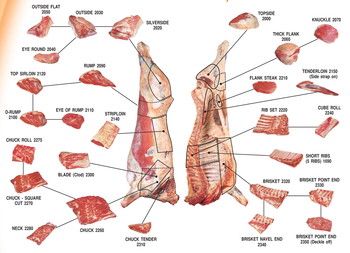
Best Frozen Beef Natural Taste Quality Meat for Cooking Restaurants and Food Businesses






+1
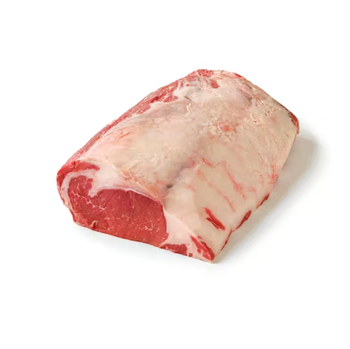
Wholesale Frozen Beef Ribeye Lip-On Heavy Choice – Export Grade Ribeye Beef Cuts








Frozen Ribeye Beef Market Insight | Price, Payment Terms, Trade Terms & Supplier Countries
Updated Oct 18, 2026Based on suppliers' real activity on Freshdi over the past 7 days
Frozen Ribeye Beef listings on Freshdi show a typical range of USD 1,414 - 2,936 per metric ton on an FOB basis, with the median price landing at USD 1,912 per metric ton.
The typical minimum order quantity for Frozen Ribeye Beef is 20 MT , with most listings falling within the common range of 10 - 20 MT , indicating a consistent threshold for buyer engagement.
CIF is the leading trade term for Frozen Ribeye Beef at 66.8% of listings, with FOB accounting for 14.5% — the majority of suppliers include freight and insurance costs in the quoted price, shifting responsibility to the buyer at destination.
T/T is the dominant payment method for Frozen Ribeye Beef at 46.4% of listings, followed by L/C at 11.1% , reflecting a preference for bank transfers in supplier transactions.