
What products are you looking for?
Popular Searches:
41,545+ Supply, Exporters on Freshdi, Indonesia leads Maragogipe Coffee Beans supply with 23.6% of suppliers, followed by Vietnam ( 14.2% ) and India ( 6.7% ) — a concentration of sourcing across three countries, with Indonesia holding a clear majority of the supplier base.
5.4% of all listings were added in the last 30 days, indicating a steady but modest influx of new supply. 66.3% of suppliers remain active in the last 90 days, and 54.2% carry business verification — the supplier base is largely reachable and a significant portion has undergone documentation validation.
Updated Oct 19, 2026
Based on suppliers' real activity on Freshdi over the past 7 days
41,545 results for wholesale, bulk “Maragogipe Coffee Beans” products from 41,545 trusted suppliers, wholesalers, manufacturers & exporters
Top Quality Products
View all
































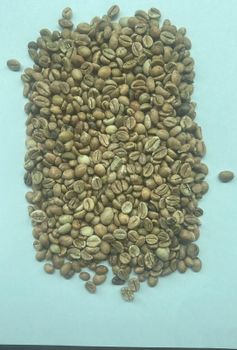

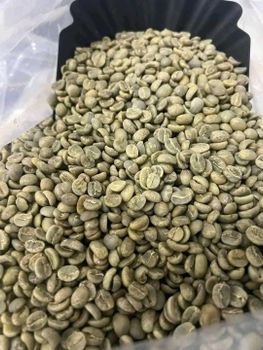


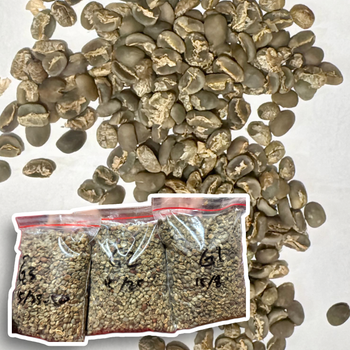












Related searches
Maragogipe Coffee Beans Market Insight | Price, Payment Terms, Trade Terms & Supplier Countries
Updated Oct 19, 2026Based on suppliers' real activity on Freshdi over the past 7 days
Maragogipe Coffee Beans listings show a typical price range of USD 750 - 3,600 per metric ton on an FOB basis, with the median landing at USD 1,912 . Arabica accounts for 15% of priced listings at a median of USD 850 , Green Bean makes up 9.2% with a median of USD 1,912 , Robusta is represented in 7.7% at a median of USD 1,800 , and Roasted Bean is the smallest grade at 3.5% with a median of USD 2,050 .
The typical minimum order quantity for Maragogipe Coffee Beans is 20 MT , with most listings falling within the common range of 10 - 22 MT , offering buyers a range of order sizes to consider.
Maragogipe Coffee Beans suppliers offer FOB at 38% and CIF at 32.2% , with FOB the leading trade term in the category.
For Maragogipe Coffee Beans, payment is primarily made via T/T at 44.1% of listings, with L/C used in 19.5% of cases.
A gap exists between buyer demand and supplier supply for CIF terms, where demand exceeds current supplier offerings by 32.2% — this suggests that buyers may prefer suppliers who arrange freight and insurance to the destination port, and such suppliers could gain a competitive edge by aligning with this preference.