This is the supplier profile page of BERGHIAONLINE LTD, where buyers can explore products, connect directly with the supplier for pricing inquiries.

1.1

G4 SAXTON THE AVENUE LEEDS
1 inquiries
Add Favorite
Report Supplier
Business Description
Stocking Density:
In my experience 3 Berghia per 100 litres is a good number to work on based on a reasonable amount of aiptasia, but the more you have the quicker they'll eat the aiptasia. These are large Berghia and have the appetite to match their size.
Why a trio?
If you think two will be enough I strongly recommend getting three.
Nearly everybody with a small aquarium buys them in trios and there are two main reasons for
this:
Size:
The usual size for Berghia to be offered for sale is under 5mm but I always sell at a much larger size and at sexual maturity when they're laying egg strings so you get amazing value for money. More often than not, Berghia seen for sale on other sites are offspring of Berghia that I have bred and supplied in one way or another over the years. If you've had Berghia from another supplier in the past you were probably disappointed with the size and quality of what you received, but mine are simply the largest, healthiest specimens you will find anywhere.
Breeders selling tiny Berghia do not have the aiptasia required to grow them any larger and need to sell them quickly for whatever they can get for them almost as soon as they're visible. I have thousands of litres of dedicated aiptasia tanks and have thick carpets of aiptasia so I don't have that problem. My Berghia are extremely well fed and grow extremely quickly due the the abundance of food available to them. Don't be tricked into thinking tiny Berghia are better or that they live longer as is often falsely claimed - its just a tactic to try and make hobbyists think its acceptable for them to be sold so small to reduce the need for the breeder to have the massive amounts of aiptasia required to meet the feeding demands of a healthy breeding colony of large Berghia.
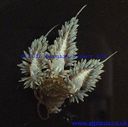
As you can see from my photos I only offer well developed specimens of the highest quality rather than tiny underdeveloped babies which hobbyists are often tricked into believing are acceptable.
Reproduction:
Berghia are hermaphrodites meaning they possess the characteristics of both sexes
and they mate upon most encounters with each other. A trio of Berghia can yield a lot of babies to eliminate your aiptasia.
General Info:
Berghia
don't really have any natural predators but it has been known for a curious
wrasse to have a nip and then spit them out. When a Berghia eats aiptasia, it
changes colour and the aiptasia's stinging cells are thought to remain in the
Berghia's body for a while. If a fish that eats aiptasia such as a copperband
or a file fish nipped one while it tasted like the aiptasia it's just eaten,
it's possible the fish might eat it. I have never known it to happen to either
myself or anybody I've sold to, but in theory it is possible.
If a Berghia got too close to a bristleworm nest on the floor then the
bristleworm's reaction might be to attack it to protect its nest, but they are
not natural predators. Amphipods are scavengers and may eat Berghia eggs if
they came across them, but there's little chance of one taking on an actual
Berghia.
It's unusual to see Berghia in a tank after they've been introduced unless they are searching for food. They're mainly nocturnal and usually only come out several hours after lights out and can be incredibly hard to see even in a small tank. They take weeks/months to become established to the point that you're suddenly seeing rapid aiptasia reductions.
They live in the tiny little holes and crevices in rock and they'll be eating the aiptasia that is underneath/inside structures before venturing out into the wider tank where the larger aiptasia can be seen from the outside. A small piece of rock the size of your fist could probably hide dozens of Berghia. They have no bones so can squeeze into the tiniest holes. When trying to spot them, it's the shaggy bits on their backs moving in the current that you should try and look for.
Berghia are hardy and do well in all salt water environments, even in less than ideal conditions. If you have a high flow SPS tank these little guys can easily cope and the high flow will not be a problem for them. I've seen them accidentally sucked through MP40's before with no harm done but once they're in a tank their foot is extremely strong and it would be rare for one to let go and start free floating.
Reef Compatibility & Feeding:
Berghia are 100% reef safe and all they eat is aiptasia which is why they're so effective at eliminating an aiptasia infestation. Berghia will starve and die once all the aiptasia has gone, so it's a good idea to then pass them onto a fellow hobbyist. They do not eat or nip at anything else other than aiptasia.
Business Overview
Avg Response Time
≤ 1h
Total inquiries received
1
Trade Capabilities
Business Terms
Trade Ability