This is the supplier profile page of Food Italy Ltd , where buyers can explore products, connect directly with the supplier for pricing inquiries.

img

United Kingdom FlagUnited Kingdom

4.4

5th Floor, 22 Eastcheap

292 inquiries

Add Favorite

|

Report Supplier

|

Business Description

FoodItaly Ltd based in London, our core business is to sell Coffee and export Italian excellence in the United Kingdom, Belgium, North Africa, Emirate Arab (Halal products)

 From the UK, we export Salmon, Lobster, smoked salmon, crabs, caviar and product requests from our customers

Projects

The "Project Food Italy" was born from the will to help small and medium-sized Italian companies export their products worldwide, which until now is reserved for the most important and structured companies. Distant countries become close, just like when the continents we know today were united to form a single and great supercontinent.

Experience

Our team of business experts is always looking for new business possibilities, Our administrative staff provides a complete export documentation service, with information on the products of interest and documents required for customs clearance. Our premises and warehousing are equipped, and our specialised staff carries out movements in total autonomy with the help of electric pallet trucks and forklifts.


Trade Capabilities

Business Terms

Preferred Payment Term:

T/T

Preferred Trade Term:

EXW

Port Of Loading:

Napoli

Accepted Currency:

USD

Trade Ability

Annual Revenue Amount:

Annual revenue of USD 1M~5M

Numbers Of Employees:

1-10 employees

Avg Response Time:

≤ 2 days

Using EXW terms means buyers are responsible for picking up goods at the seller's facility, which eliminates the need for the buyer to arrange shipping or pay for export costs. This reduces upfront expenses and simplifies logistics for buyers in Europe. Food Italy Ltd. accepts USD, making it easier for international buyers to pay without currency conversion. The port of Napoli is a key gateway for Mediterranean trade, offering strong access to European markets. Food Italy Ltd has a very small workforce of 1–10 people and annual revenue of just 1–5 million, which is unusual for a company offering food products. This suggests they may operate as a small-scale, niche supplier with limited capacity. The lack of specified compliance standards or inquiry response time raises concerns about their ability to meet food safety or customer service expectations — a key risk for international buyers.

Products / Services Offered

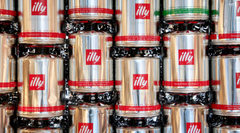
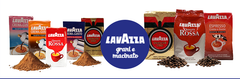
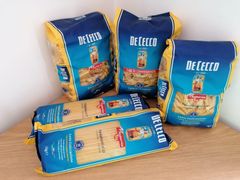
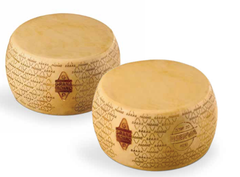
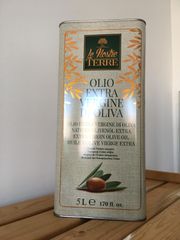
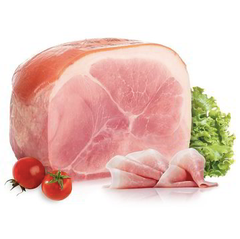
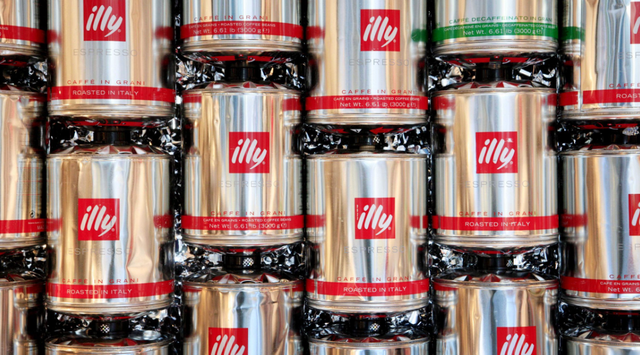
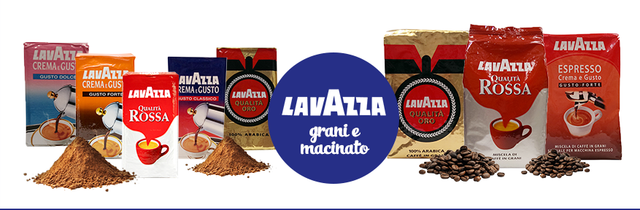
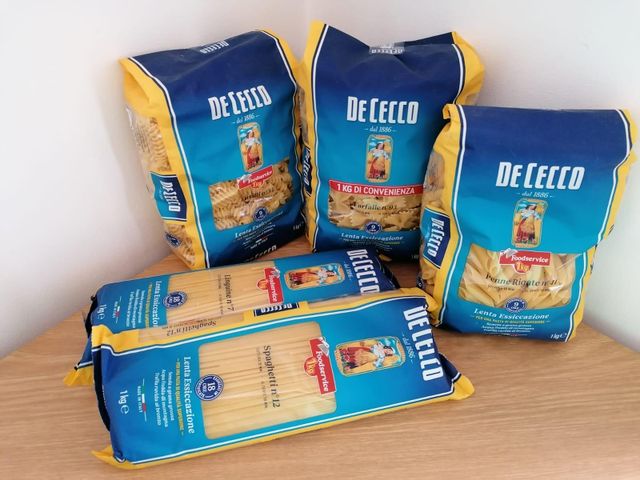
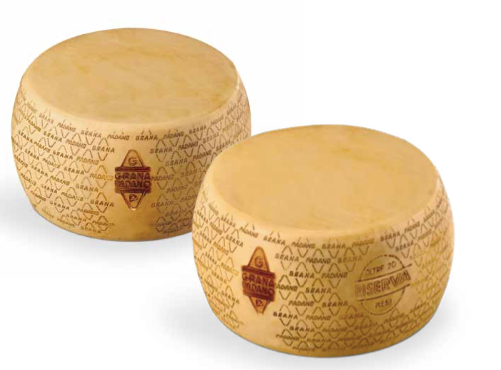
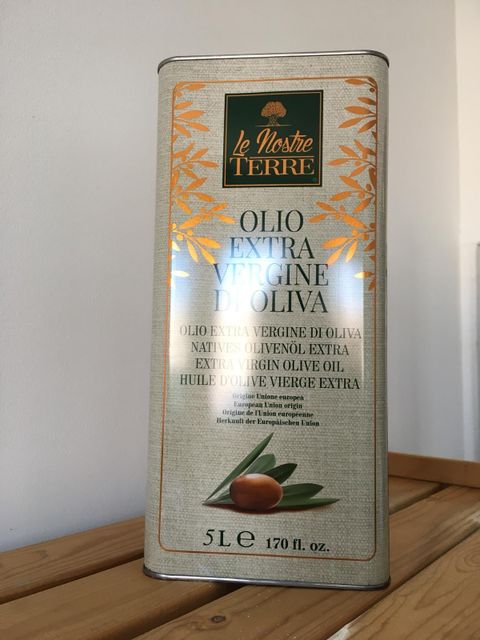
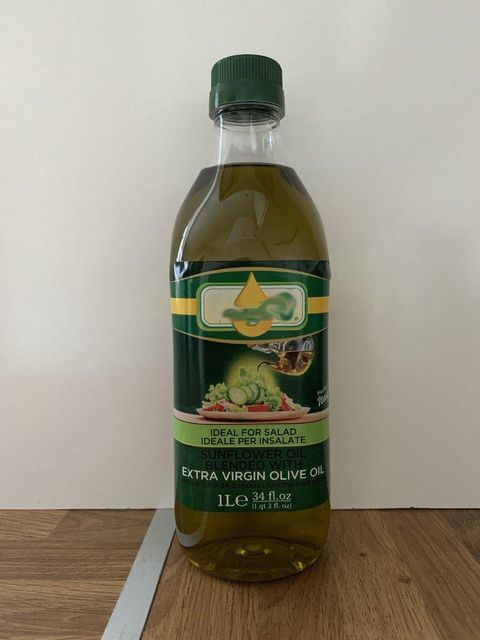
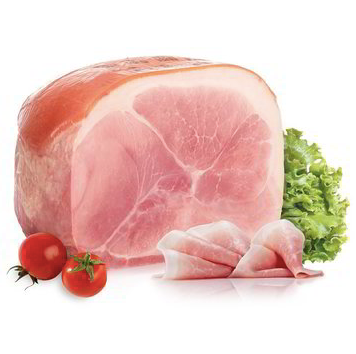
Most suppliers offer just one or two products, but Food Italy Ltd offers a wide range including premium cheeses like Asiago, Parmesan, and Pecorino, plus coffee, tea, and pasta — showing a strong focus on high-value, ready-to-use food items. This variety makes them a better fit for buyers looking for a complete food supply chain rather than just a single item. Buyers can expect consistent quality across dairy and plant-based products, which is common in Italian food exporters.

Supplier Verified

Verify work email

Verify business documents

Verify phone number

Verify account email

In food trade, verified business documents and work emails help confirm a supplier's legitimacy and ability to fulfill orders. Food Italy Ltd has verified documents and work email, which adds credibility and reduces risk for buyers. The lack of phone verification means buyers should confirm contact details through other channels before placing large orders.

Export Countries

Austria FlagAustria

Belgium FlagBelgium

Bulgaria FlagBulgaria

Croatia FlagCroatia

Egypt FlagEgypt

France FlagFrance

Greece FlagGreece

Libya FlagLibya

South Korea FlagSouth Korea

Western Europe

44%

Eastern Europe

22%

North Africa

22%

East Asia

11%

Food Italy Ltd. eliminates East Asia as a market, focusing instead on Western Europe (44%, 4 of 9), Eastern Europe (22%, 2 of 9), and North Africa (22%, 2 of 9), with a single presence in East Asia (11%, 1 of 9). The company’s strategy centers on Western Europe at 44%, which is the largest regional block, while maintaining a balanced but limited footprint in Eastern and North Africa. This regional concentration reduces global diversification and may expose the business to regional volatility in Europe and North Africa.
Register Banner