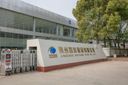
This is the supplier profile page of Jingzhou Baiyang Food Co., Ltd., where buyers can explore products, connect directly with the supplier for pricing inquiries.

img

China FlagChina

2.1

No.2, Binjiang Road

146 inquiries

Add Favorite

|

Report Supplier

|

Business Description

Jingzhou Baiyang Food Co., Ltd. is a significant holding subsidiary of Baiyang Industrial Investment Group Co., Ltd. (Stock Code: 002696.SZ) in Hubei. Adhering to the Group's "from source to table" concept of full - industrial - chain development concept, it is committed to becoming a benchmark enterprise in the deep - processing of freshwater products in China. The company was officially established in December 2024 with a registered capital of 26 million RMB. Its main business covers the production, sales, processing, transportation, storage, and full - chain services of agricultural products. In particular, it has recruited the founding team of Hubei Qifou Food Technology Co., Ltd. as core partners. This team is led by Mr. Lu Deyan, the founder of Deyan Aquatic Products and a veteran in this industry, has a team with members averaging over 15 years of experience in freshwater product processing. They offer deep insights into industry chain integration, technological innovation, and market trends. As a strategic pivot of the domestic sales system of Baiyang Group, the company focuses on providing safe, healthy, and convenient frozen fresh- keeping prepared ingredients for small and medium - sized catering enterprises and new - generation families. By offering standardized products and services, it empowers catering clients and meets the demands of the modern consumer market for high-quality aquatic food.

Trade Capabilities

Business Terms

Preferred Payment Term:

T/T

Preferred Trade Term:

FOB

Port Of Loading:

Shanghai, China

Accepted Currency:

USD

Trade Ability

Annual Revenue Amount:

Annual revenue of USD 5M~10M

Numbers Of Employees:

Not specified

Avg Response Time:

-

FOB terms mean the buyer is responsible for shipping costs and risks once goods leave the port of Shanghai. Jingzhou Baiyang Food Co., Ltd. uses T/T payment, which is common in food trade but requires clear invoice and shipment confirmation to reduce risk. Since the port is Shanghai, one of the world's busiest, shipping from here offers fast access to global markets. Buyers should confirm all shipment details and payment milestones to avoid delays or disputes. In food manufacturing, consistent response times help build trust with buyers. For Jingzhou Baiyang Food Co., Ltd., the lack of data on average inquiry response time, gross revenue, and compliance standards means buyers can't assess their reliability or scale. Without verified compliance or clear financials, it's harder to confirm they meet international food safety or quality requirements.

Products / Services Offered

Jingzhou Baiyang Food Co., Ltd. offers frozen seafood and frozen crayfish — products in high demand for restaurants and food service chains. Buyers can source ready-to-serve, high-quality seafood directly from a supplier with clear product focus. This specialization helps reduce supply chain complexity and ensures consistent product quality for international buyers.

Supplier Verified

Verify account email

Only the account email is verified, while the work email, phone number, and business documents are unverified. This raises concerns about the legitimacy and reliability of Jingzhou Baiyang Food Co., Ltd. Before placing any large orders, buyers should request additional verification to confirm the company's real identity and contact details.

Export Countries

Hong Kong FlagHong Kong

Malaysia FlagMalaysia

Philippines FlagPhilippines

Taiwan FlagTaiwan

United States FlagUnited States

East Asia

40%

Southeast Asia

40%

North America

20%

Jingzhou Baiyang Food Co., Ltd. operates in 5 countries across 3 regions, with equal focus on East Asia and Southeast Asia at 40% each, and a smaller presence in North America at 20%. This regional balance contrasts with typical suppliers who often concentrate in a single region, suggesting a diversified but balanced approach across Asia. The even split between East and Southeast Asia indicates strategic alignment with high-growth, food-processing markets in both sub-regions.
Register Banner