This is the supplier profile page of Ned Boske, where buyers can explore products, connect directly with the supplier for pricing inquiries.


 Serbia
5.0
Milutovac bb Trstenik
42 inquiries
Add Favorite
Report Supplier
Business Description
We are a Serbian fruit company specialized in the full development and control of the fruit supply chain, from plant breeding and nursery production to fresh fruit sourcing and final fruit processing.
Our business begins with the development and propagation of fruit planting material, including new and selected varieties.
We supply these varieties to fresh-fruit producers and partner growers, helping them establish high-quality orchards with strong commercial potential.
Through this model, we do not only supply plants, we build long-term production partnerships.
We work closely with growers who cultivate fruit from our planting material, and we later purchase fresh fruit from these producers for further processing. This gives us a unique advantage: control over quality from the very beginning of the production cycle.
In addition to our partner network, we also operate our own plantations, which provide an additional reliable source of raw material for our processing program.
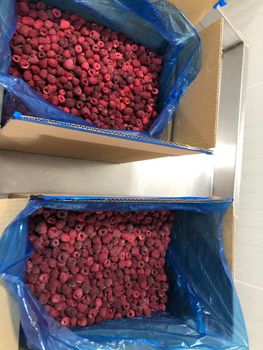
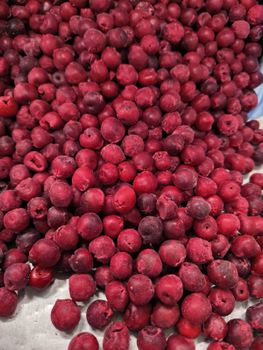
Using fruit from both our controlled grower network and our own plantations, we produce final products such as frozen fruit and fruit puree. By managing each step of the process — genetics, planting material, cultivation base, sourcing, and processing — we ensure consistency, traceability, stable supply, and high product quality.
Our vertically integrated model allows us to offer customers a dependable supply chain, better quality control, and products made from carefully selected fruit grown under our standards.
Business Overview
Ned Boske had verified level Level 3, with 5.0 rating across 42 inquiries, and replies within ≤ 1h — strong signals for a supplier established in 2001.
Avg Response Time
≤ 1h
Total inquiries received
42
Inquiry Open Rate
83%
Trade Capabilities
Business Terms
Trade Ability
Main Products

Supplier Verified
Verify work email
Verify business documents
Verify phone number
Verify account email
Export Countries
 Germany
 United Arab Emirates
 United Kingdom
 United States