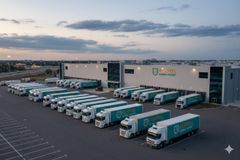
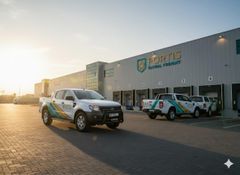
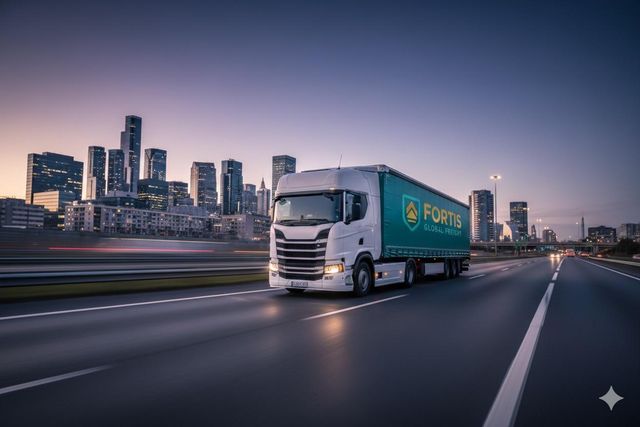
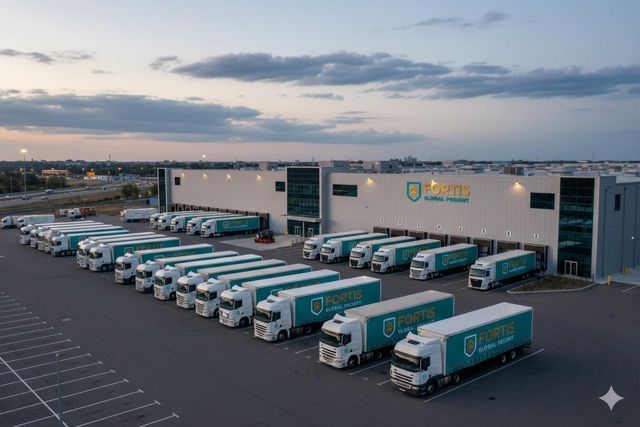
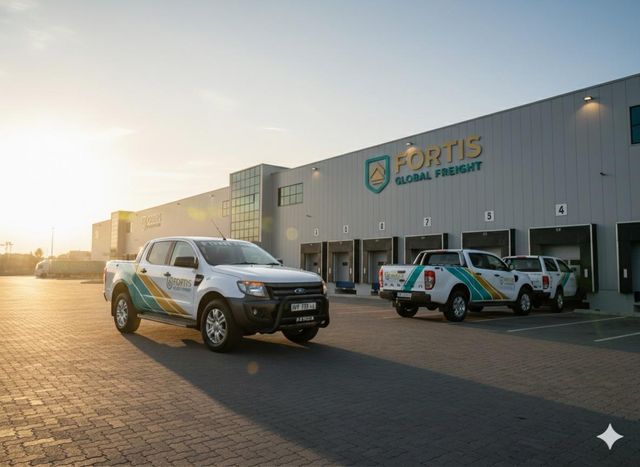
This is the supplier profile page of Fortis Global Freight, where buyers can explore products, connect directly with the supplier for pricing inquiries.

img

South Africa FlagSouth Africa

4.5

Johannesburg, South Africa

171 inquiries

Add Favorite

|

Report Supplier

|

Business Description

Product thumbnail 1
Product thumbnail 2
Product thumbnail 3
Product image 1
Product image 2
Product image 3

Fortis Global Freight (Pty) Ltd is a proudly South African company specializing in the supply and export of premium-quality agricultural and consumer products, including refined edible oils, grains, and general food commodities.


With a strong foundation in trade, Fortis Global Freight has built a reputation for integrity, reliability, and consistency across all aspects of our operations. Our products are carefully sourced from certified local producers, distributors and reputable manufacturers, ensuring that every shipment meets international quality standards and is delivered on time, every time.


At Fortis Global, we believe in long-term partnerships built on trust, transparency, and performance. Whether supplying bulk volumes or tailored retail-ready packaging, our team provides end-to-end export solutions — from procurement and quality inspection to logistics and documentation — ensuring a seamless experience for our clients worldwide.


Our goal is simple: to deliver world-class South African products backed by dependable service and uncompromising quality.


Fortis Global Freight – Where South African Quality Meets Global Standards.

Trade Capabilities

Business Terms

Preferred Payment Term:

L/C

Preferred Trade Term:

EXW

Port Of Loading:

Durban, South Africa

Accepted Currency:

USD

Trade Ability

Annual Revenue Amount:

Annual revenue of USD 10M~50M

Numbers Of Employees:

11-50 employees

Certificates:

Company Registration

Avg Response Time:

-

Using L/C payment terms with EXW incoterms from Durban is unusual — it shifts financial risk to the buyer and requires full responsibility for shipping and customs. This setup is common in African markets where local suppliers offer low-cost production but with high buyer risk. Accepting USD makes it easier for international buyers, especially those from North America or Europe, to manage payments without currency conversion. A team of 11-50 people with annual revenue between $10M and $50M is typical for a growing B2B supplier that can handle medium-volume orders. Having company registration shows they are legally established, which is a basic but important step for trade credibility. The lack of specified inquiry response time means buyers can't know how quickly the supplier replies — this could delay decision-making or order processing.

Products / Services Offered

Most suppliers offer just one or two product types, but this one offers 24 different products across food, beverages, and industrial goods. This wide range suggests they can serve diverse markets — from food retailers to industrial buyers. It’s unusual for a single supplier to handle both baby food and industrial machinery, which may indicate a lack of specialization or a broader, less focused business model. Buyers should verify if they can actually source each product in volume or if it’s limited to samples.

Supplier Verified

Verify work email

Verify business documents

Verify phone number

Verify account email

This supplier has fully verified their work email, phone number, and business documents, which increases trust and reduces the risk of fraud. Verified credentials mean buyers can confidently contact them and validate their business details. It's a strong signal that the supplier is professional and reliable for international trade.

Export Countries

Algeria FlagAlgeria

Angola FlagAngola

Bahrain FlagBahrain

Belgium FlagBelgium

Belize FlagBelize

Botswana FlagBotswana

Burkina Faso FlagBurkina Faso

Cameroon FlagCameroon

Central African Republic FlagCentral African Republic

Congo, The Democratic Republic of the FlagCongo, The Democratic Republic of the

(+26 more)
Southern Africa

22%

East Africa

14%

Middle East

11%

West Africa

11%

North Africa

8%

This supplier exports to 36 countries across 11 regions, with Southern Africa representing the largest group at 22% (8 countries), followed by East Africa at 14% (5 countries) and West Africa at 11% (4 countries). The Middle East, North Africa, and Central Africa each account for 11% or 8%, while Western Europe, Southeast Asia, and Central America & Caribbean each make up 6%. The strong presence in Southern Africa suggests a strategic focus on emerging markets with growing industrial demand and infrastructure development.

Certificate

Company Registration

Having only Company Registration as accreditation means the supplier has a legal identity but lacks industry-specific quality or compliance certifications. This is common for new or small businesses, but it may raise concerns about product standards or regulatory compliance. Buyers should request additional certifications, especially if selling to regulated markets like food, medical, or manufacturing.
Register Banner