
Introduction
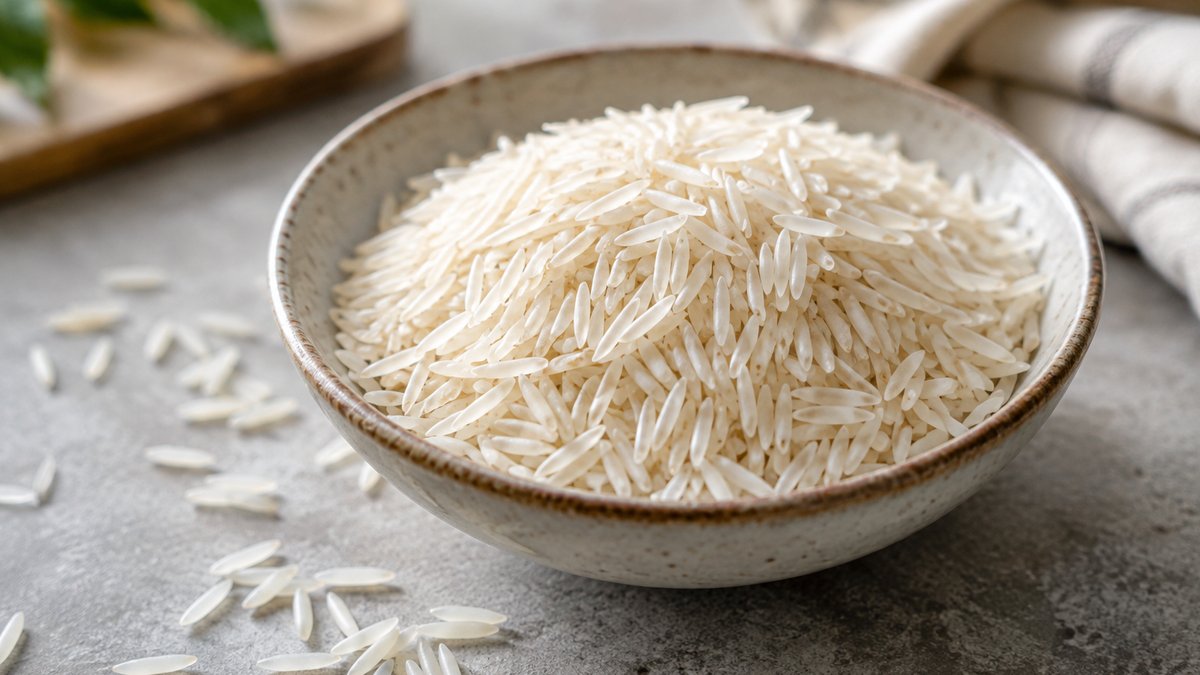
Basmati rice offers relevant to Saudi Arabia vary by origin, variety and preparation. The latest dated FOB references found for this update are from 18 November 2026: India Pusa basmati at US$1,050 per metric tonne and Pakistan Super Kernel basmati at US$948 per metric tonne. These are origin-market export price references, not Saudi wholesale or delivered prices.
The November comparison gives buyers a recent benchmark, but the two quoted varieties are not identical specifications. This update covers the reported prices through 18 November 2026, Saudi Arabia's import context, and the checks buyers and exporters need before comparing or issuing a quotation.
Key Takeaways
- On 18 November 2026, India's Pusa basmati was reported at US$1,050/MT FOB, unchanged from 30 September in the cited weekly price series.
- Pakistan Super Kernel basmati was reported at US$948/MT FOB on 18 November, down US$127/MT, or 11.8%, from 11 November. The source attributes the series to Italy's Ente Nazionale Risi.
- The two prices describe different varieties. Compare them as market references, not like-for-like offers, until grain, processing, ageing, broken percentage, packaging and shipment terms match.
- Saudi Arabia imported 1.789 million tonnes of all rice in 2025. India supplied 1.378 million tonnes, according to World Bank WITS data; those figures cover HS 1006 rice, not basmati alone.
- APEDA reports that Saudi Arabia accounted for 16.6% of India's basmati export destinations in fiscal year 2025-26. The share indicates an important trade lane, not confirmed orders or current Saudi demand.
1. Saudi Arabia's basmati market depends heavily on imported rice
Saudi Arabia is a major destination for Indian basmati, while its wider rice imports also come from Pakistan and other origins. APEDA's current basmati export information lists Saudi Arabia as the destination for 16.6% of India's basmati exports in fiscal year 2025-26. That figure is specific to India's basmati trade and should not be confused with Saudi Arabia's total rice imports.
For a broader import picture, World Bank WITS data for calendar year 2025 records Saudi Arabia importing 1.789 million tonnes of rice under HS 1006, worth about US$1.694 billion. India supplied 1.378 million tonnes, while Pakistan supplied 170,245 tonnes. These customs figures include rice beyond basmati, so they show the scale and origin mix of the overall rice market rather than basmati-only volumes.
India's position in the general rice import data is consistent with its role as a major basmati source, but the two datasets have different product scopes and periods. APEDA's basmati destination share covers fiscal year 2025-26; WITS reports all-rice imports for calendar year 2025. Neither figure is a forecast of future purchases.
The global rice outlook also affects the wider sourcing environment. USDA's November 2026 grain report notes lower global rice trade, citing reduced Indian exports and lower imports in Bangladesh and West Africa. That assessment concerns rice trade overall; it does not establish a basmati price forecast or a change in Saudi basmati buying.
For Saudi importers, the practical market question is whether an origin's current offer fits the required grain and delivery plan. A national import total can identify an established supply lane, but it cannot establish a buyer's preferred variety, current inventory or acceptable price.
Looking to Source Basmati Rice?
Connect with verified suppliers, discover matching products, and explore sourcing opportunities from global markets.
2. Latest basmati export prices relevant to Saudi Arabia
2.1 India Pusa basmati price
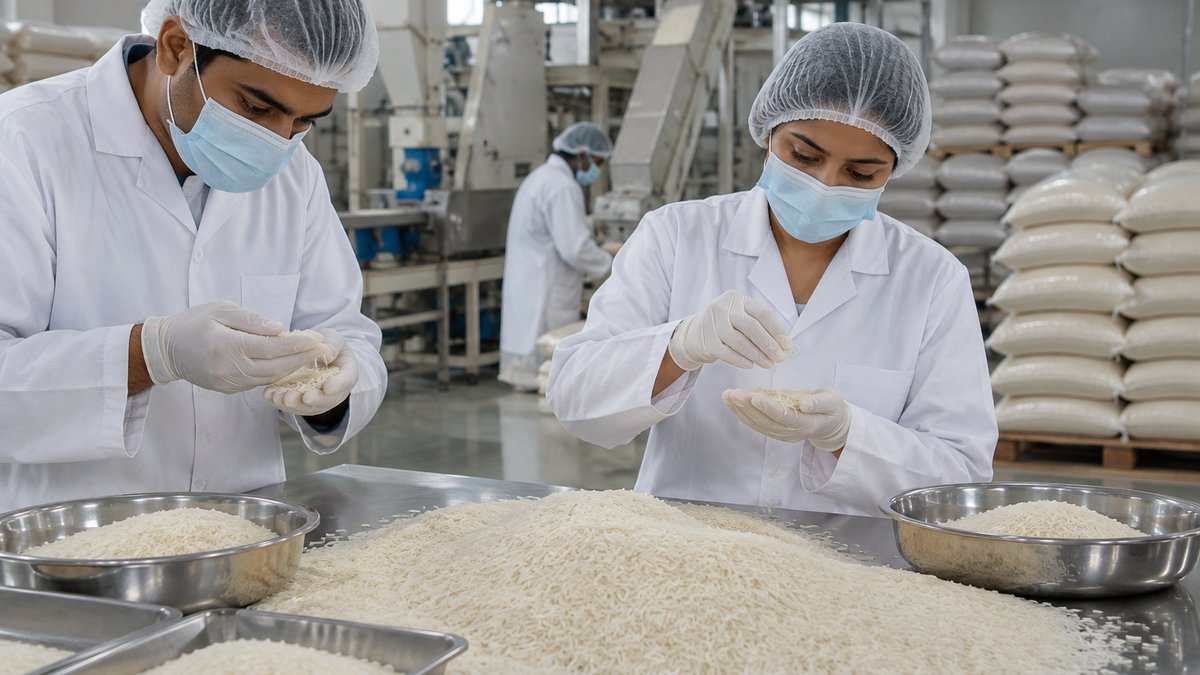
The latest India Pusa basmati reference located for this update was US$1,050 per metric tonne FOB on 18 November 2026. The weekly price page attributes the quotation to Ente Nazionale Risi, Italy's national rice agency, and reports the same price from 30 September. The reference is therefore recent by its publication date, but the underlying series had not changed for several weeks.
FOB, or free on board, is an export delivery basis under which the seller's responsibility for delivery is tied to loading at the named port; the buyer generally arranges the main sea freight and insurance. The quoted US$1,050/MT is not a Saudi landed cost. It excludes the freight, insurance and destination charges needed to calculate a delivered price.
2.2 Pakistan Super Kernel basmati price
Pakistan Super Kernel basmati was reported at US$948/MT FOB on 18 November 2026, a decrease of US$127/MT from US$1,075/MT on 11 November. The source reports a week-on-week drop of 11.8% and attributes the series to Ente Nazionale Risi. The movement is specific to this price series and variety; it should not be applied to every Pakistani basmati offer.
The weekly fall makes it especially important for buyers to confirm when a quotation was issued and how long the supplier will hold it. A published reference is not a firm offer. The seller's available stock, crop, specification, packing and shipment window can produce a different price.
2.3 Comparison by exporting origin
The latest available references put Pakistan Super Kernel below India Pusa on 18 November. They do not establish that Pakistani basmati is cheaper on an equivalent specification: Pusa and Super Kernel are distinct varieties, and the cited references do not provide a complete shared specification for grain length, processing, ageing, packaging or contract conditions.
Both figures are reported as FOB export prices in US dollars per metric tonne. The table is a comparison of published references, not a matched supplier tender. Before using either number for procurement, a buyer should obtain dated quotations for the same destination, variety, processing type, quality tolerances, package size and shipment period.
2.4 What the trend says, and what it does not
India's Pusa reference was steady in the cited series between 30 September and 18 November. Pakistan's Super Kernel reference was steady at US$1,080/MT from 7 October through 4 November, then eased to US$1,075/MT on 11 November and US$948/MT on 18 November. The short sequence shows a sharp final weekly movement in that series, not a complete measure of all export transactions.
No matching dated Saudi wholesale or retail price series was found for the same varieties and dates. The FOB figures therefore describe export-side references only. Buyers should not present them as the price available in Riyadh, Jeddah or another Saudi destination.
3. Supply, demand and trade factors behind the reported prices
The available evidence supports a careful reading of the November price movement, not a single confirmed explanation for it. The Pakistan reference fell sharply in one week, while India's Pusa reference remained unchanged in the cited series. The price pages do not give a causal explanation for that divergence, so attributing it to a particular harvest, currency move or buyer tender would go beyond the evidence.
3.1 Production and exportable supply
Crop availability can affect an exporter's replacement cost and the volume available for shipment. However, the price references used here do not report current stocks, crop arrivals or mill inventories for either variety. Buyers assessing nearby supply should ask exporters to state the crop year, stock location, quantity available and earliest loading date in the quotation.
3.2 Saudi and international demand
Saudi Arabia's importance as a destination for Indian basmati is supported by APEDA's fiscal-year 2025-26 export share. WITS data also shows substantial Saudi rice imports from India and Pakistan in 2025. These are historical trade measures. They do not reveal the timing or volume of current basmati orders, and they do not confirm that a buyer will accept a particular November price.
3.3 Policy, currency and shipping costs
Export rules, exchange rates and freight can change the economics of a shipment, but the dated basmati price references do not isolate those effects. A buyer comparing offers should ask whether the currency conversion is fixed, check the quote's validity date, and compare the same delivery basis. For Saudi-bound cargo, freight and insurance should be quoted for the intended port and shipment window rather than inferred from an FOB benchmark.
3.4 Competition between origins
India and Pakistan are the two origins in the dated basmati comparison. Their reported variety prices differ, and a price gap alone does not measure competitive value. Grain appearance, cooking properties, ageing, broken percentage, packaging and buyer requirements can all distinguish offers. Compare samples and written specifications before treating a lower reference as a substitute.
USDA's November 2026 report describes lower global rice trade for the broader rice market, including a reduction in India's exports. The report does not provide a Saudi basmati demand forecast in the cited finding. Importers should treat it as general trade context and verify basmati availability with suppliers.
4. Which markets import rice, and where does Saudi Arabia source it?
4.1 Saudi Arabia's rice suppliers
In 2025, India was Saudi Arabia's largest reported rice supplier by volume in the WITS HS 1006 data, at 1.378 million tonnes. Pakistan ranked next among the listed suppliers at 170,245 tonnes. The United States supplied 118,338 tonnes, followed by Australia at 27,939.7 tonnes and Thailand at 31,694.2 tonnes; the latter two quantities are shown as reported in WITS.
These figures cover all rice under HS 1006 and are not a basmati-only ranking. They also describe calendar year 2025, not November 2026. APEDA's separate 16.6% destination share for Saudi Arabia concerns India's basmati export destinations in fiscal year 2025-26. Keep these datasets separate when assessing origin exposure.
The listed quantities show Saudi Arabia's broad rice supply mix. They do not prove that every origin is a direct substitute for basmati or that imports from each origin consist of the same grades.
4.2 Global import rankings and market opportunities
The sources used for this update establish Saudi Arabia's import volumes and India's basmati destination share, but do not provide a comparable, current ranking of the world's largest basmati-importing markets. Global rice forecasts also cover a broader product category. A global rank or basmati demand forecast is therefore not stated here.
For exporters considering Saudi Arabia, APEDA's fiscal-year 2025-26 destination data confirms that the market is an established destination for Indian basmati. That is evidence of past trade, not a confirmed opportunity for a specific supplier. Exporters still need to confirm the buyer's variety, pack, quantity, documentation, price basis and delivery schedule.
5. How buyers should compare basmati offers for Saudi Arabia
Compare the complete offer and delivered cost, not the headline FOB figure alone. The November references are useful for checking the scale of origin-side prices, but neither includes the costs and product details needed to determine a Saudi importer's final cost.
- Match the variety and grain specification. State whether the requirement is Pusa, Super Kernel or another variety, and agree the grain length and tolerance.
- Specify processing and quality. Confirm whether the rice is raw, steamed or parboiled, and record broken percentage, moisture, foreign matter and any agreed quality limits.
- Identify the crop and stock. Ask for the crop year, ageing period if relevant, available quantity and whether the quoted stock is ready for shipment.
- Set the same packaging and quantity. Compare the same bag material, net weight, order volume and loading arrangement.
- Compare the delivery basis. For FOB offers, add the relevant freight, insurance and destination costs. For CFR or CIF offers, verify which costs and destination port the price covers.
- Check shipment timing and quote validity. A price dated 18 November is not necessarily available for a later loading window.
- Review Saudi import requirements and documents for the specific product and shipment before contracting. Do not assume one supplier's paperwork or product registration applies to another.
A buyer can request competing suppliers to quote against one specification sheet. That makes it easier to separate a genuine origin price difference from a difference in variety, processing, packaging or delivery terms. If one supplier quotes FOB and another quotes CIF, add the costs to a common basis before comparing.
Buying consideration: For a Saudi-bound purchase, ask each supplier for a dated quotation that names the variety, crop, processing, quality tolerances, package, quantity, loading port, delivery term and validity period. Then calculate the landed cost using freight and insurance for the planned shipment.
6. Freshdi buying requests and supplier discovery
Customs statistics describe completed trade over a reporting period; an individual buying request describes a buyer's stated requirement. These are different forms of market information. A request should be checked for its posting date, destination, quantity, variety and trade term before an exporter treats it as a match.
Freshdi provides category pages for rice buying requests and rice suppliers. This update does not state a count of current basmati requests or supplier profiles, so no platform-wide demand estimate or claim about common buyer specifications is made.
Importers can review rice buying requests, while exporters can review rice suppliers. Each business should check the specific listing and confirm that its details remain current.
Businesses comparing Saudi-bound rice offers can review current requests and supplier listings by category.
View Latest Rice Buying Requests →View Potential Rice Suppliers →
7. Next steps for Saudi buyers and basmati exporters
7.1 For buyers and importers
- Use the 18 November FOB references as dated context, not as a budgeted Saudi delivered price.
- Request quotations for the same named variety and written quality specification from each origin.
- Ask suppliers to confirm available stock, crop year, loading port and shipment window.
- Compare offers on one delivery basis and calculate freight, insurance and destination costs where needed.
- Verify applicable Saudi import requirements and shipment documents with the responsible parties before the order is finalized.
- Recheck prices close to contracting, especially when the source series shows a recent weekly movement.
7.2 For exporters and suppliers
- State the variety, processing type, crop, ageing if applicable, broken percentage and quality tolerances in each offer.
- Name the loading port, Incoterm, currency, quote date and validity period.
- Separate FOB pricing from freight, insurance and destination charges so that buyers can compare the offer correctly.
- Confirm the quantity available and realistic shipment timing before quoting.
- Use current product details and respond to requests only when the listed specification and destination fit the offer.
A supplier's price is easier to assess when the buyer can see exactly what it covers. Clear specifications also help prevent a low reference price from being mistaken for a comparable offer when the products or delivery conditions differ.
8. How Freshdi connects rice buyers and suppliers
Freshdi's rice category pages let buyers browse supplier listings and let suppliers review buying requests. Businesses can use the rice buying-request category to review buyer requirements and the rice supplier category to explore supplier profiles. A listing or request is a starting point for due diligence, not a guarantee of a transaction or product suitability.
Once the required variety and delivery basis are clear, buyers and suppliers can review the relevant rice category listings.
View Latest Rice Buying Requests →View Potential Rice Suppliers →
9. Basmati rice price questions from Saudi buyers
What was the latest reported basmati export price relevant to Saudi Arabia?
On 18 November 2026, the cited export price references were US$1,050/MT FOB for India Pusa basmati and US$948/MT FOB for Pakistan Super Kernel basmati. The figures describe different varieties and are not Saudi delivered prices.
Was the India Pusa basmati reference rising in November?
The cited series reported India Pusa basmati at US$1,050/MT on 18 November and unchanged since 30 September. That series does not show a November increase over that interval.
Why did the Pakistan Super Kernel reference fall?
The source reports the price movement, but does not establish its cause. The reference fell from US$1,075/MT on 11 November to US$948/MT on 18 November. Buyers should confirm current supplier quotations and availability rather than assume one market factor explains the change.
Which countries supply Saudi Arabia with rice?
For all rice under HS 1006 in calendar year 2025, WITS lists India as the largest supplier by volume at 1.378 million tonnes, followed by Pakistan at 170,245 tonnes. The data includes rice beyond basmati.
Is Pakistan Super Kernel cheaper than India Pusa basmati?
The 18 November references show a lower FOB figure for Pakistan Super Kernel than for India Pusa. Because the varieties and full specifications are not matched, that difference alone does not show which offer gives a buyer better value. Compare equivalent product details and landed cost.
How should a Saudi importer compare FOB and CIF prices?
FOB is an origin loading basis; CIF includes cost, insurance and freight to the named destination port under the agreed contract. Confirm the port and included charges, then compare each offer on the same basis. Destination charges and other import costs may still need to be added.
Where can buyers find rice suppliers or buying requests?
Freshdi has rice category pages for supplier listings and buying requests. Buyers and exporters should inspect each listing, verify its details and discuss the specific variety, quantity, delivery basis and shipment timing.
10. Saudi Arabia basmati market outlook
The latest dated FOB references available for this update show India Pusa basmati steady at US$1,050/MT and Pakistan Super Kernel basmati at US$948/MT on 18 November 2026. The Pakistani series recorded a sharp weekly decline, while the Indian series was unchanged from 30 September. Because the price references describe different varieties, they are useful benchmarks rather than direct substitutes.
Saudi Arabia remains an established market for Indian basmati according to APEDA's fiscal year 2025-26 destination data. Its broader 2025 rice imports were led by India, with Pakistan also supplying substantial volume. Buyers should pair that trade context with current quotations and a full landed-cost comparison; exporters should make their product and delivery specifications explicit.
Freshdi can help businesses find relevant rice suppliers and buying requests. Check each listing against the order's actual product, destination and commercial requirements.
Buyers and suppliers ready to compare relevant rice listings can continue their search on Freshdi.
View Latest Rice Buying Requests →View Potential Rice Suppliers →
References
1. Ente Nazionale Risi, via Agroprices.gr – Basmati Rice Pusa, India, FOB, 18 November 2026.
2. Ente Nazionale Risi, via Agroprices.gr – Basmati Rice Super Kernel, Pakistan, FOB, 18 November 2026.
3. APEDA – Basmati Rice, 2026.
4. World Bank WITS – Saudi Arabia Rice Imports by Country, 2025, 2025.
5. USDA Foreign Agricultural Service – Grain: World Markets and Trade, November 2026, November 2026.
Disclaimer: This article is compiled from platform data, public sources and information provided by third parties, for general informational purposes only. We do not guarantee its accuracy or completeness. Prices, volumes and forecasts are indicative, reflect conditions as of 2026-11-22 and may change without notice. This is not financial, investment or trading advice.