
Introduction
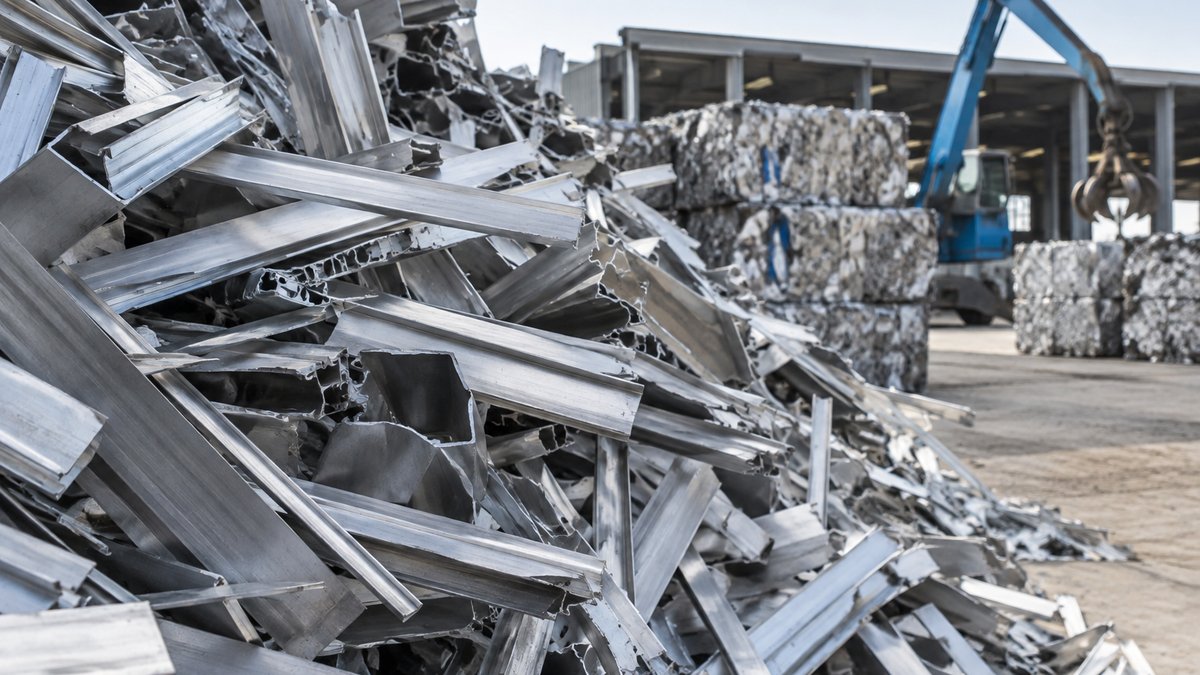
Aluminium Scrap requests can cover distinct materials, including used beverage cans, extrusion scrap and wheel-hub scrap. Ten requests from eight buyers were posted on Freshdi between November 8 and 14, 2026; this article reviews the listings as displayed on November 14. The requests show what buyers stated, and where suppliers need clarification before quoting.
The analysis separates Freshdi listings from official trade statistics. Suppliers will find the stated request requirements, common terms and practical questions to resolve. Quantities and destinations are reported as entered, including unusual units that should be confirmed with the buyer.
Key Takeaways
- The 10 requests were posted between November 8 and 14, 2026, and came from 8 buyers.
- The requests describe different materials, including 6063 extrusion scrap, used beverage can scrap, and car wheel-hub scrap.
- All 10 requests state a quantity and trade terms. CIF appears in 8; FOB in 4. Some requests list more than one term.
- Nine requests list L/C, 7 list T/T, and 1 lists D/P. Confirm the agreed payment method and conditions before preparing a firm offer.
- Several quantities, target-price entries and specifications need clarification. Keep the buyer’s original units and wording until both sides agree on a basis.
1. Aluminium Scrap Trade and the Demand Behind These Requests
Aluminium scrap is traded across a range of material types and forms, so an aggregate trade category cannot tell a supplier which specific scrap a buyer wants. The International Aluminium Institute says more than 30 million tonnes of aluminium scrap are recycled globally each year. That recycling activity provides context for the trade, but it does not establish demand for a particular grade or shipment.
For international trade comparisons, UN Comtrade classifies aluminium waste and scrap under HS 7602. World Bank WITS, using UN Comtrade data, reports that in 2024 China imported about 1.78 million tonnes, India about 1.74 million tonnes, and Germany about 1.07 million tonnes under this category. These are country-level totals for the full HS category, not figures for a single grade or end use.
The latest complete annual trade figures used here are for 2024; they should not be read as 2026 market totals. The U.S. Geological Survey reports that in 2025, about 3.6 million tons of aluminium recovered from purchased scrap in the United States came from new and old scrap combined. The figure describes U.S. recovery, not global trade or prices.
Freshdi’s 10 listings are a separate platform observation. The requests identify several forms of scrap and destinations, with India appearing repeatedly as a buyer country or destination. That pattern describes these listings only. It does not measure national import demand or confirm that every request remains available after the November 14 review.
Looking to Sell Aluminium Scrap?
Connect with verified buyers, receive relevant buying leads, and explore sourcing opportunities from global markets.
2. Latest Aluminium Scrap Buying Requests and RFQs
The requests below were posted from November 8 through November 14, 2026, and are arranged from newest to oldest. Freshdi’s summary counts 10 requests from 8 buyers. The platform listing is the source for each buyer-stated quantity, destination, commercial term and specification; check the original request for its current status before quoting.
2.1 The requests describe different scrap materials
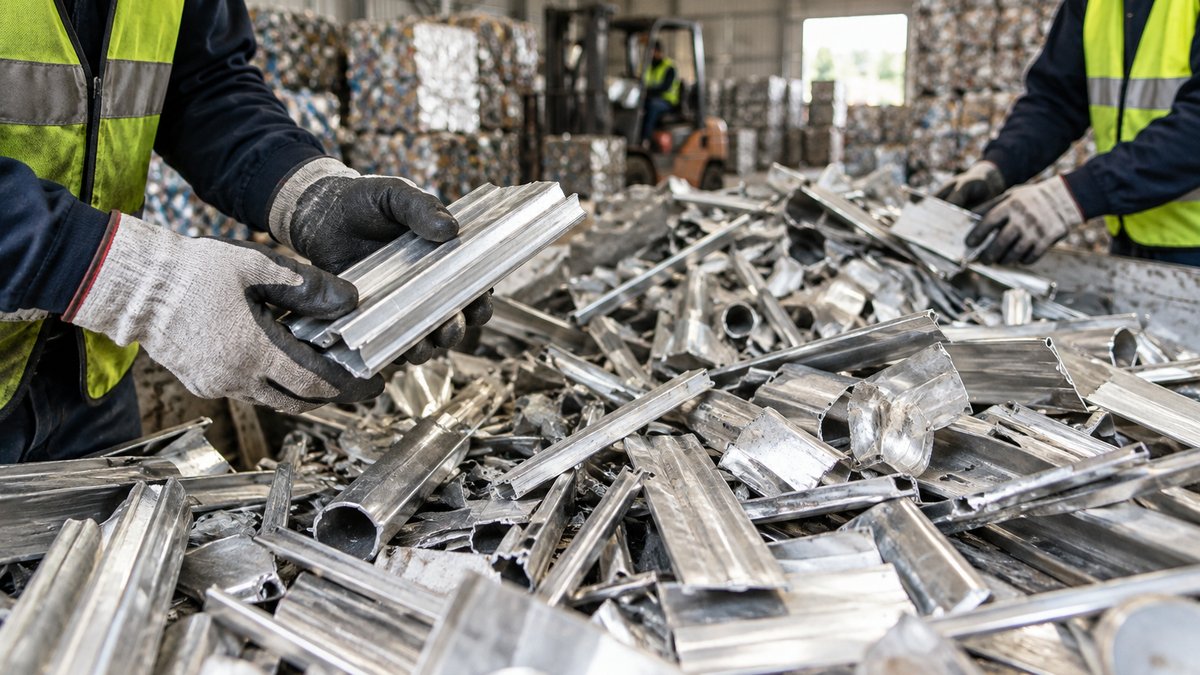
Five of the 10 requests state specifications. The details include 6063 aluminium extrusion scrap, used beverage cans, and car wheel-hub scrap. Three records specify purity, three name the material, and two describe the form. These labels are buyer-entered descriptions, not independent test results. Ask for the buyer’s accepted grade, material composition and inspection basis before representing a shipment as compliant.
One request names 6063 extrusion scrap and states 99% purity; another describes UBC, meaning used beverage cans, and states 99.97% purity. A separate listing describes wheel-hub scrap and states 99.99%. Do not treat these percentages as directly comparable: the requests do not establish a shared test method or acceptance tolerance. Confirm whether a purity figure means aluminium content, recovered metal or another measurement.
2.2 Quantities and price entries need a common basis
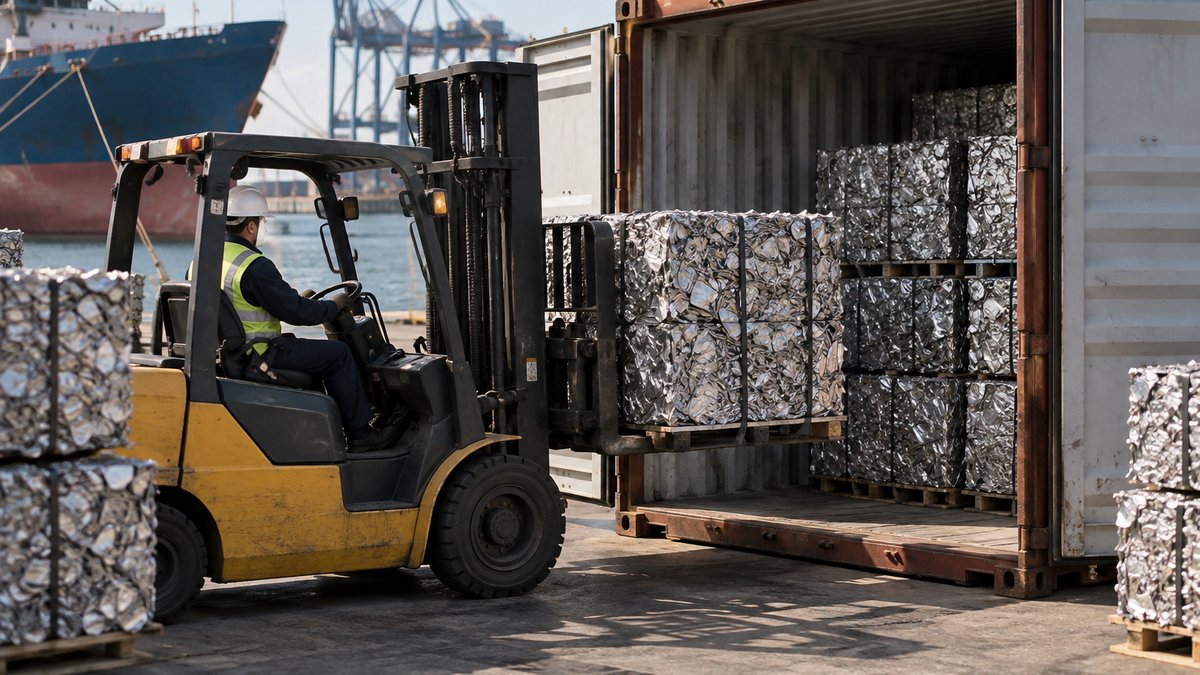
The request quantities use different units, including tons, metric tonnes and 20-foot or 40-foot containers. A container count is not a weight unless the cargo weight is also specified, so suppliers should not convert or compare these quantities without the buyer’s loading assumptions. Four requests state a lead time; the unit and exact schedule should be confirmed before promising shipment.
All 10 requests contain a target-price entry, but the entries do not provide a consistent basis for comparison. Some are incomplete or lack a clearly usable price unit. A supplier should confirm currency, price per unit, grade, quality basis and delivery term before using any entry in a quotation. These buyer-entered fields are not market benchmarks or accepted contract prices.
2.3 CIF appears most often among the listed trade terms
CIF means cost, insurance and freight; FOB means free on board; FCA means free carrier; and DDP means delivered duty paid. The request summary lists CIF in 8 records, FOB in 4, FCA in 1 and DDP in 1. Since a request can list alternatives, the counts overlap. Confirm the buyer’s preferred term and named port or place, then calculate the offer on that basis.
Nine requests list L/C, or letter of credit; 7 list T/T, or telegraphic transfer; and 1 lists D/P, or documents against payment. These options also overlap across requests. The listing does not settle the bank, documentary conditions, transfer timing or any other transaction-specific details. Agree those points with the buyer before shipment planning.
2.4 Certificates and origin are stated in only part of the sample
Four requests list certificates or documents. The entries include test reports and certificates of quality; one request lists a wider set of documents. A listed document is a buyer request, not evidence that a supplier holds it or that it applies to every material. Confirm the exact document name, issuer, scope and acceptance criteria before offering it.
Two requests state Kenya as an origin sought by the buyer. The others do not state an origin in the supplied request data. Suppliers should confirm that their origin fits the buyer’s request and that the origin documents and shipment details can be provided. The requests do not establish that other origins are acceptable.
3. What These Buying Requests Mean for Aluminium Scrap Suppliers
Suppliers should identify the actual scrap before discussing price. A quotation for extrusion scrap cannot stand in for UBC or wheel-hub scrap; each material needs its own description and supporting evidence. State the grade or alloy where known, the physical form, sorting or processing condition, and any contamination limits that the supplier can document.
Purity figures need a measurement basis. If a request gives a percentage, ask how the buyer defines and tests it, what tolerance is allowed, and who conducts inspection. Include a current test report or certificate only when it applies to the material being offered. If the request does not specify a test method, do not claim that the offered lot meets a particular percentage without supporting evidence.
Container quantities need a loading plan. Confirm whether the buyer means a number of containers, a net cargo weight per container or a total shipment weight. State the available quantity using a clear unit and explain how it will be packed and loaded. For requests that state a very large number of containers, confirm whether the figure is intended as a recurring programme, a single order or an indicative quantity before reserving stock or freight.
A useful offer connects the material to the buyer’s stated requirements. Include the product description, grade or form, documented quantity and unit, packing details, origin, available shipment timing, loading point and the requested delivery term. Set out the price currency and unit, then state what inspection documents are available. Where the request is incomplete, ask focused questions instead of filling gaps with assumptions.
Buying consideration: Before preparing a firm quotation, confirm the exact scrap type, the weight basis, the price unit, the inspection method, and the buyer’s preferred delivery and payment terms.
4. How Freshdi Helps Suppliers Find Aluminium Scrap Buyers
Suppliers can review Aluminium Scrap buying requests on Freshdi and compare the product description, destination, quantity and terms stated in each listing. The requests in this article were visible in the platform data as of November 14, 2026; listings and buyer requirements can change, so check the individual request before responding.
A supplier can also review Aluminium Scrap supplier listings to see how product descriptions are presented. When evaluating a request, match it against stock, processing capability and the documents actually available. The platform listing does not replace independent checks on specifications, payment conditions, shipment feasibility or buyer requirements.
Suppliers ready to review current buyer requirements can use Freshdi’s Find Buyers page.
View Latest Buying Requests for This Product →
5. Practical Next Steps for Suppliers
Start with the material description and quantity unit, then check whether the request gives a test basis and delivery point. Confirm ambiguous price entries before calculating a quotation. If the buyer lists several trade or payment options, ask which option governs the transaction and document the agreed terms in the offer.
The latest requests provide a starting point for screening demand, not a guarantee of a sale. Review the original request and verify that the listed requirement still fits your stock and export capability. Freshdi is a place to review Aluminium Scrap buying requests and identify which ones merit further checking.
After checking stock, specifications and shipment capacity, suppliers can review buyer requests on Freshdi.
View Latest Buying Requests for This Product →
Frequently Asked Questions
What should an Aluminium Scrap supplier confirm before quoting?
Confirm the specific scrap type, grade or form, quantity and unit, quality or purity test basis, destination, delivery term, payment method and required documents. If the request leaves any of these unclear, ask the buyer before making a firm offer.
Can container quantities be compared directly with tonnes?
No. A count of 20-foot or 40-foot containers does not state the cargo weight. Ask the buyer to confirm the intended net weight per container and total quantity, and use the agreed unit in the quotation.
How should suppliers handle a buyer’s stated purity percentage?
Ask what the percentage measures, which test method applies, what tolerance is acceptable and who will inspect the material. Provide a test report only if it covers the material being offered.
Which trade and payment terms appear in these Freshdi requests?
The 10-request sample lists CIF, FOB, FCA and DDP, with CIF appearing most often. Payment options include L/C, T/T and D/P. Some requests list more than one option, so confirm the buyer’s chosen terms before pricing.
Are the target prices in the requests market benchmarks?
No. They are buyer-entered request values, and the entries do not establish a consistent price unit, specification or delivery basis. Confirm those details directly before using a value in a quotation.
How can suppliers find Aluminium Scrap buying requests on Freshdi?
Review the Aluminium Scrap buying-request listings and check each request’s current status and stated requirements. Compare the request with your actual material, quantity, documents and shipment capability before responding.
References
1. International Aluminium Institute – Recycling, Accessed November 14, 2026.
2. World Bank, World Integrated Trade Solution – Waste and scrap, aluminium imports by country, 2024, 2024 trade data; accessed November 14, 2026.
3. U.S. Geological Survey – Mineral Commodity Summaries 2026: Aluminum, 2026.
4. Freshdi – Aluminium Scrap buying requests reviewed for this article, Listings posted November 8 to 14, 2026; reviewed November 14, 2026.
Disclaimer: This article is compiled from platform data, public sources and information provided by third parties, for general informational purposes only. We do not guarantee its accuracy or completeness. Mentions and rankings of suppliers do not constitute an endorsement or guarantee, and strategies and examples are illustrative; results may vary. Please conduct your own due diligence before making business decisions.