
Introduction
Ten Urea Fertilizer buying requests from 10 buyers were posted on Freshdi between November 11 and 15, 2026, within the 14-day review window. The requests state quantities, destinations and trade terms, while their detail on product specifications and packaging varies.
This review summarizes those Freshdi requests and sets them alongside recent public fertilizer-market information. Suppliers can use the stated requirements to decide what to verify before preparing a quotation.
Key Takeaways
- The 10 requests state quantities and destination details; eight state a buyer country.
- FOB appears in four requests and CIF in eight, with both terms appearing in some requests.
- Five requests specify nitrogen content in their product specifications; eight provide at least one specification.
- Only two requests list certificates, and three state packaging details.
- Confirm product form, quality basis, price unit, delivery point and payment conditions before making a firm offer.
1. Urea Fertilizer Market Overview: Supply, Trade and Price Context
Urea is a nitrogen fertilizer traded internationally, but the available global statistics do not measure urea alone. FAOSTAT reports that world production of inorganic fertilizers reached 216 million tonnes of nutrients in 2024, with nitrogen fertilizers accounting for 57.7% of that output. These figures describe fertilizer nutrients across product types, not tonnes of urea.
Fertilizer use is broad, while buying decisions still depend on the crop calendar, local availability and delivered cost. FAOSTAT reports global agricultural use of inorganic fertilizers at 197 million tonnes of nutrients in 2024, including 115 million tonnes of nitrogen nutrients. Those measures provide context for demand, but they cannot establish demand for a particular urea grade or destination.
Recent trade conditions have been sensitive to logistics and regional disruptions. In its June 18, 2026 Food Outlook, FAO reported that global fertilizer trade volumes fell by 20% to 25% from January to April 2026 compared with the same months in 2025, and noted that trade remained sensitive to transit through the Strait of Hormuz. In a September 24, 2026 statement, the FAO Director-General said the Gulf supplies 30% to 35% of global urea. These are market-wide figures, not measures of the Freshdi requests.
For a dated price reference, the World Bank's November 3, 2026 Pink Sheet lists its “Urea, E. Europe” monthly series at USD 420 per metric tonne in October 2026, up from USD 407.5 per metric tonne in September. This regional benchmark is not a quote for a shipment, nor does it establish a price for any destination or delivery term in the requests.
The Freshdi requests point to several stated destinations, including ports and country-level destinations in Africa, Asia and South America. They do not form a representative measure of national imports or global demand. Market-wide trade and price indicators can help suppliers frame questions, while a quotation still needs to match the request's product, shipment basis and destination.
Looking to Sell Urea Fertilizer?
Connect with verified buyers, receive relevant buying leads, and explore sourcing opportunities from global markets.
2. Recent Urea Fertilizer Buying Requests and Their Stated Requirements
These 10 requests were posted from November 11 to 15, 2026, and are displayed on Freshdi as of November 16, 2026. They come from 10 buyers. Eight requests state a buyer country, while all 10 state a destination. The stated quantities range from 50 MT to 50,000 tons, using the units written in each request.
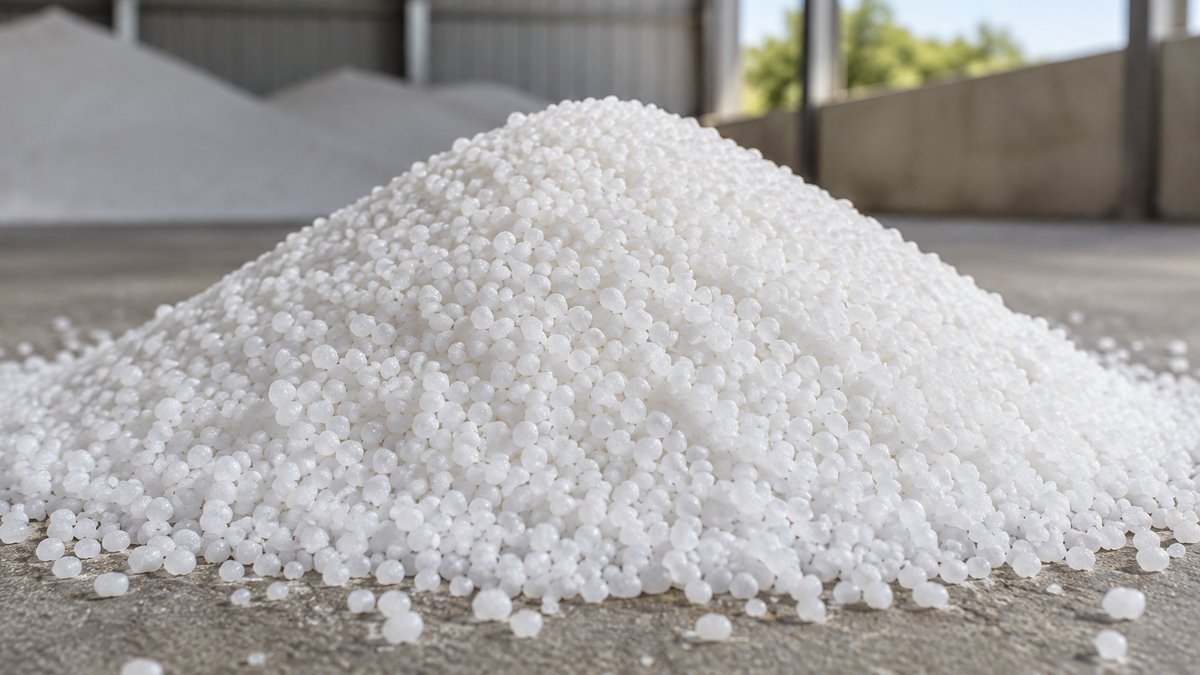
The requests differ in how they describe the product. Five explicitly state nitrogen content in their specifications; three list purity, and two include a product form. Some describe prilled or granular urea, while other listings provide little detail beyond a Urea 46% product name. Suppliers should confirm whether the buyer will accept prills, granules or both.
Packaging details appear in three requests. Two state 50 kg polypropylene bags, 500 or 1,000 kg jumbo bags, or bulk delivery; another asks for bags from 25 kg to 50 kg. The remaining requests do not state packaging in the supplied information. Suppliers should quote only against a format they can actually load and document.
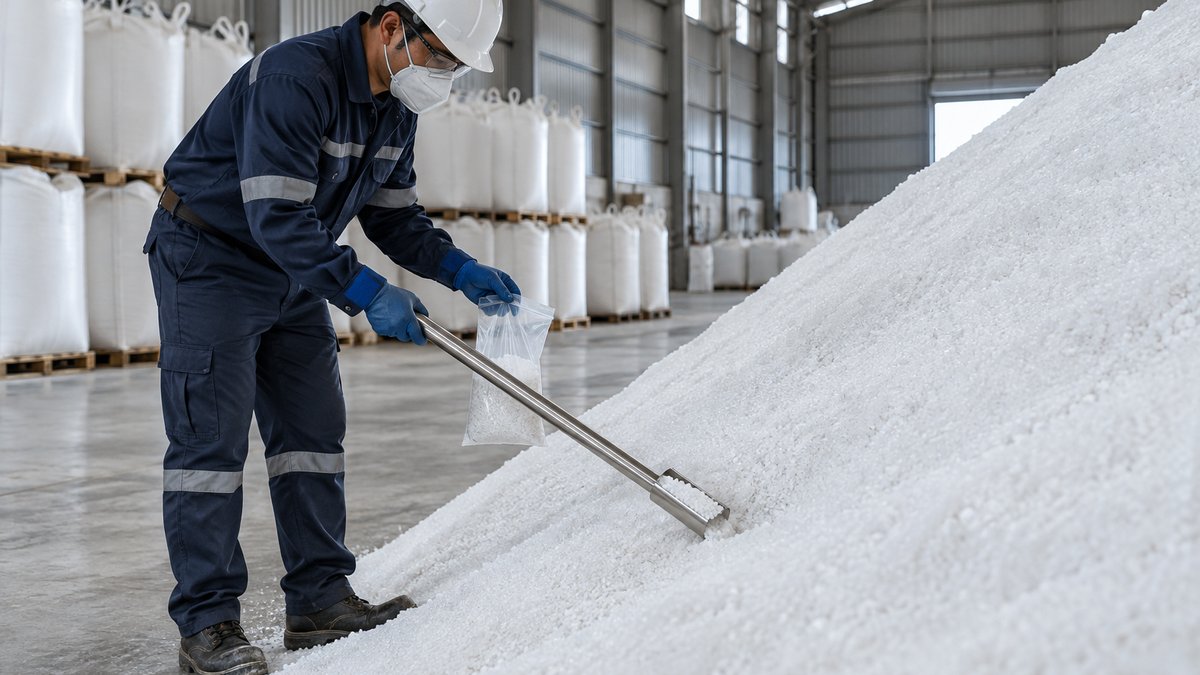
Two requests list certificates. Across those two, the named documents include a test report, certificates of quality, conformity and analysis. A certificate name alone does not establish its issuer, scope or acceptance by the importing country. Confirm those points with the buyer and check the destination's applicable import rules.
FOB is listed in four requests and CIF in eight; some requests list both. T/T appears in six requests and L/C in six. Since these counts overlap, they do not describe mutually exclusive groups. The requests' stated terms identify buyer preferences, but a supplier still needs the named delivery point, shipment plan and agreed payment conditions to calculate an offer.
Each request includes a price entry, but the entries do not provide a consistently stated amount, unit and delivery basis across the set. Treat those entries as buyer-provided information to clarify, not as comparable market prices. Confirm currency, price per unit, product specification and whether the offer is FOB, CIF or another agreed basis.
3. What These Urea Fertilizer Requests Mean for Suppliers
The requests give suppliers a starting point for screening, but several need more detail before a firm quotation is possible. A stated quantity and destination help define the shipment; grade, packing, inspection basis and delivery details determine what the supplier is actually being asked to supply.
3.1 Match the product description to the offered urea
State whether the product is prilled or granular and give the guaranteed nitrogen content. Where the request specifies moisture, biuret, purity, solubility or granule size, quote the same measurement basis and tolerance. If the buyer uses a term such as “purity” without defining its method, ask what test or document will determine acceptance.
3.2 Confirm the quantity and packaging plan
Keep the requested unit as written until the buyer confirms it. MT, metric tonnes and tons can be ambiguous across listings, and a request may need clarification before the supplier calculates available cargo or freight. Confirm whether the quantity is a one-time order, a recurring programme or a trial, and state how much stock is available for the proposed shipment.
For bagged urea, specify bag weight, material, printing requirements if any, and the number of bags per shipment. For bulk cargo, state loading capability and how the product will be protected from moisture during handling and transport. The requirements in the requests vary, so do not substitute a packaging format without buyer agreement.
3.3 Price the named delivery basis
FOB and CIF allocate costs and responsibilities differently. Under FOB, the parties name the port of shipment and agree which costs the seller covers through loading. Under CIF, the seller arranges and pays for carriage and insurance to the named destination port, while the contract and applicable Incoterms determine when risk transfers. Use the named port and Incoterms version in the quotation, and list any assumptions that affect the price.
Where a request lists both FOB and CIF, ask which basis the buyer wants priced. Where the destination is stated only as a country, confirm the port before estimating freight. Do not compare a buyer's target price with the World Bank's regional reference unless the currency, unit, product basis, period and delivery basis are comparable.
3.4 Agree payment, documents and inspection before commitment
The requests list T/T or L/C, sometimes as alternatives. Confirm the agreed payment schedule, documentary requirements, banking conditions and any charges before accepting an order. For an L/C, review its terms against the documents the supplier can provide and the shipment schedule.
If the buyer requires a certificate or test report, identify the issuing body, test scope, sampling point and validity requirements. Confirm who arranges and pays for inspection, when the inspection occurs, and which results govern acceptance. A supplier should state only certificates and test results that apply to the actual offered lot.
- Confirm product form, nitrogen content and any quality limits with a clear test basis.
- Agree quantity, unit, packaging and shipment schedule.
- Name the loading port and destination port, then confirm the requested delivery term.
- Set payment, inspection and document requirements in writing before issuing a firm offer.
Buying consideration: Before quoting, compare the buyer's written specifications with the current lot documents and confirm every missing commercial detail directly through the request.
4. How Freshdi Helps Suppliers Find Urea Fertilizer Buyers
Suppliers can review Urea Fertilizer buying requests on Freshdi and compare the requirements stated in each listing, including quantity, destination, product description and trade terms. The requests discussed here were posted between November 11 and 15, 2026. Listing status and details can change, so check the original request before preparing an offer.
Browse Urea Fertilizer buying requests or the wider Manures & Fertilizers buying requests category. Use the request details to decide whether the buyer's stated grade, quantity, destination and commercial terms fit your actual supply.
A quotation is easier to assess when it identifies the offered form and specification, available quantity, packaging, loading port, delivery basis, shipment schedule and supporting documents. Where a request leaves out a required detail, ask a specific question rather than assuming what the buyer intended.
Suppliers ready to review current buyer inquiries can use Freshdi's buyer listings to find requests that match their product and shipment capability.
View Latest Buying Requests for This Product →
5. Conclusion: Check the Specification Before Quoting Urea Fertilizer
The 10 recent requests vary in quantity, stated product detail, packaging and delivery terms. Before quoting, confirm the urea form and quality basis, reconcile the quantity and unit, identify the named ports, and agree on payment and inspection requirements. Freshdi is the place to review the buying requests covered here and check their current details.
Suppliers can review current Urea Fertilizer inquiries and check each buyer's stated requirements before deciding whether to prepare an offer.
View Latest Buying Requests for This Product →
Frequently Asked Questions
How many recent Urea Fertilizer requests are included?
The review includes 10 buying requests from 10 buyers, posted on Freshdi from November 11 to 15, 2026, within the 14-day window. The requests are displayed as of November 16, 2026. Check each listing for its current status and details before quoting.
What product specifications should a Urea Fertilizer quotation state?
State whether the product is prilled or granular and give the guaranteed nitrogen content. Include any agreed limits for moisture, biuret, purity or granule size, with the test method and tolerance. Match the buyer's requested basis and avoid claiming compliance where the test basis has not been agreed.
Do the requests all require the same packaging?
No. Three requests state packaging information. Two list 50 kg polypropylene bags, jumbo bags of 500 or 1,000 kg, or bulk; one lists bags from 25 kg to 50 kg. The other requests do not state packaging in the supplied information, so suppliers should confirm the required format.
Which trade and payment terms appear in these requests?
FOB appears in four requests and CIF in eight, with overlap where a request lists both. T/T appears in six and L/C in six, also with overlap. Confirm which option the buyer wants, the named port or place, and the full payment conditions before calculating a firm quotation.
Can buyer price entries be compared with the World Bank urea price?
The entries should not be treated as directly comparable. Several requests do not state a consistent amount, unit and delivery basis. The World Bank's October 2026 “Urea, E. Europe” series is a regional reference of USD 420 per metric tonne, not a quotation for the requests' destinations. Confirm currency, unit, quality and delivery basis before comparing prices.
What should a supplier clarify when a request lists both FOB and CIF?
Ask which delivery basis the buyer wants priced and confirm the named loading and destination ports. Then identify the shipment schedule, freight and insurance assumptions, and the Incoterms version used in the quotation. Do not send a single price without stating the delivery basis.
References
1. Food and Agriculture Organization of the United Nations – Inorganic fertilizers. 2015–2024, 2026-07-30.
2. Food and Agriculture Organization of the United Nations – FAO Food Outlook: Global food commodity market trends face rising geopolitical and weather risks, 2026-06-18.
3. World Bank – World Bank Commodities Price Data (The Pink Sheet), November 2026, 2026-11-03.
4. Food and Agriculture Organization of the United Nations – UNGA 81 2nd Ministerial Meeting of the Rome Coalition for Fertilizer Access and Food Security Statement, 2026-09-24.
5. Freshdi – Urea Fertilizer buying requests reviewed, posted November 11 to 15, 2026, 2026-11-16.
Disclaimer: This article is compiled from platform data, public sources and information provided by third parties, for general informational purposes only. We do not guarantee its accuracy or completeness. Mentions and rankings of suppliers do not constitute an endorsement or guarantee, and strategies and examples are illustrative; results may vary. Please conduct your own due diligence before making business decisions.