
Introduction
Sesame seed buyers can specify the variety or color, whether seeds are hulled, cleaning method, purity, origin and packaging. Those details affect whether an exporter can match a request and price the same product the buyer has in mind.
Freshdi’s feed, checked on November 14, 2026, covers requests posted from October 31 to November 14. It includes sesame seed requests as well as sesame oil listings; this article discusses requests specifically for sesame seed. Suppliers will find the stated requirements and the details to clarify before preparing an offer.
Key Takeaways
- The seed requests include hulled and natural forms, black and white sesame, and requests that name a cleaning or processing method.
- Some buyers state purity targets as high as 99.98%; suppliers should confirm the test method, tolerance and acceptance procedure before confirming compliance.
- Stated quantities range from kilograms to container loads and larger tonnages. One request lists its quantity as 1,000 pieces, so its intended unit needs confirmation.
- Several requests leave trade or payment terms unstated. Others name FOB, CIF or EXW and different payment options.
- Packaging requests include bulk bags and consumer-ready packs. Exporters should quote against the requested pack size and clarify any missing destination, specification or delivery details.
1. Sesame Seed Market Overview and Trade Context
Sesame seed trade spans food ingredients and retail products, and the specifications differ by end use. Buyers may seek hulled or natural seeds, a particular color, a purity level, a cleaning method or a specific package size. Exporters need to match the product form and the stated use before comparing quantities or preparing a quotation.
USDA Foreign Agricultural Service’s 2026 China oilseeds report states that China imported 1.4 million metric tons of sesame seed in marketing year 2024/25, up from 1.0 million metric tons in 2023/24. The report identifies Niger, Tanzania, Togo, Mozambique and Ethiopia as major suppliers, together accounting for 68% of China’s imports in that marketing year; Pakistan accounted for 14%. These figures describe China’s imports, not global trade or the destinations in the Freshdi requests.
FAO’s December 31, 2025 agricultural production release covers crop production data through 2024. Its published summary gives combined figures for oil crops, not a sesame-specific global production total. UN Comtrade provides country-reported trade data by product and partner, but the latest available reporting periods differ by country. For a country-level trade comparison, exporters should check the reporter, period and product code in the underlying data before using an import or export figure.
The Freshdi requests are buyer-posted inquiries, not a measure of total market demand. Their stated destinations include ports or places in India, Kenya, the United Arab Emirates, Thailand, Tanzania and Kuwait. Some requests do not state a destination or buyer country. The details should be read as each buyer typed them and should not be treated as confirmation of a country’s overall import demand.
The market figures above are from different sources and periods, so they should not be combined into one estimate. The USDA figures refer to China’s sesame imports in marketing years 2023/24 and 2024/25. The Freshdi inquiries cover a two-week posting window ending November 14, 2026. None of the buyer-entered price fields provides a consistent, comparable quotation basis for a sesame seed market price.
Looking to Sell Sesame Seed?
Connect with verified buyers, receive relevant buying leads, and explore sourcing opportunities from global markets.
2. Sesame Seed Buying Request Analysis
The requests shown here are Freshdi sesame seed inquiries posted between October 31 and November 14, 2026. Freshdi also displayed requests for sesame oil during this period; those are separate products and are excluded from the sesame seed analysis. Each request’s original listing is available through the RFQ table.
2.1 Product form, color and purity
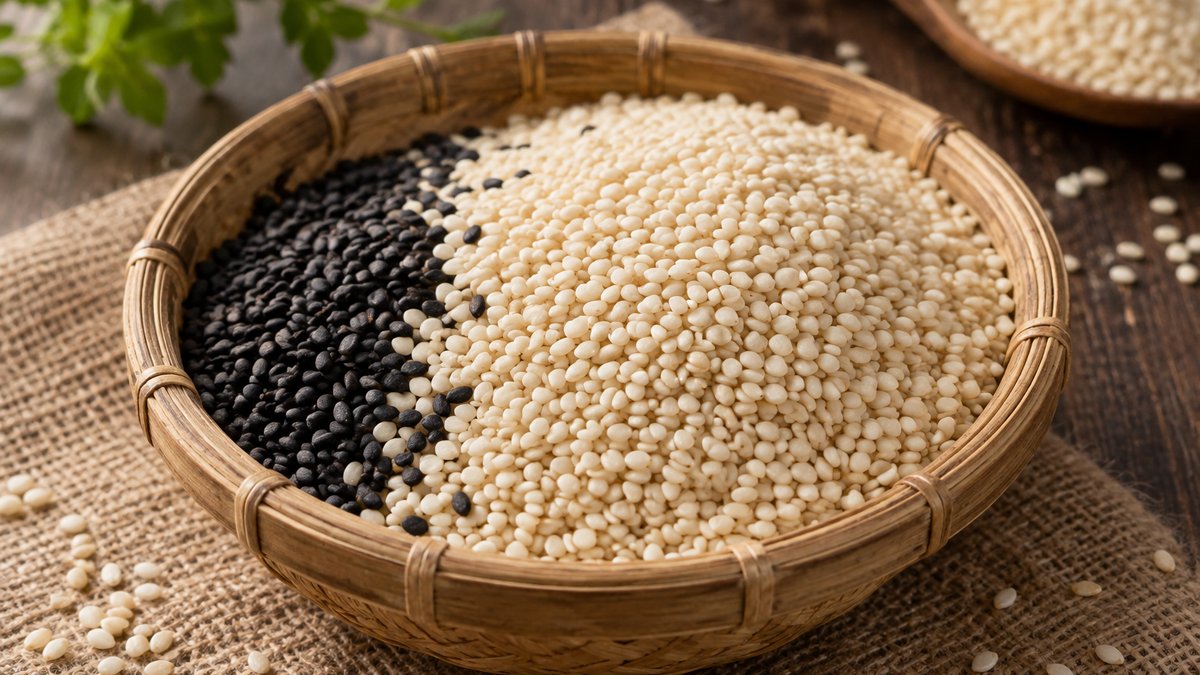
Buyers describe sesame seed by physical form and measurable quality points. One request asks for hulled, Sortex-cleaned seed of Indian origin and states 99.90% purity. Another names natural, black, brown and white options, with a stated purity range of 99.90% to 99.98%. A separate request lists hulled, natural, hybrid, jet black and whitened forms, with purity up to 99.98%.
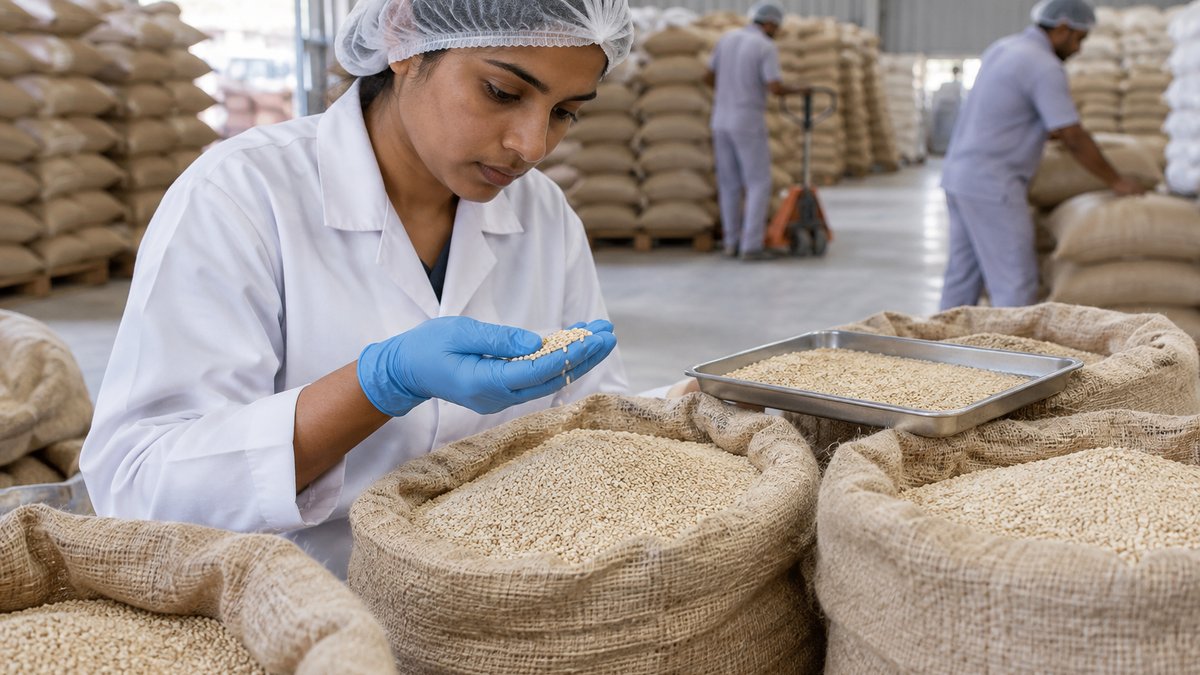
Other inquiries name 99.95% purity, conventional processing and Sortex cleaning, or ask for peeled organic white Hummara sesame. These descriptions do not use one shared grade definition. A supplier should identify the offered seed’s form, color, cleaning process and origin, then ask which purity test and tolerance the buyer will accept. A stated percentage alone does not define sampling, measurement or rejection terms.
2.2 Quantity, destination and packaging
The requests use different quantity units and shipment scales. One is stated in kilograms, another in metric tons, and others in container terms. A black sesame request gives its quantity as “1,000 Pieces.” Suppliers should preserve that wording when reviewing the listing and ask whether the buyer means packages, units or another measure before calculating a price or freight plan.
Destinations are also written at different levels of detail. A request names Mombasa, Kenya; another gives Khorfakkan in the United Arab Emirates; and another lists Laem Chabang, Thailand, with sea freight. One destination field names Newark, USA, while its buyer country is India. The destination should be confirmed with the buyer before a supplier quotes freight or identifies the relevant import requirements.
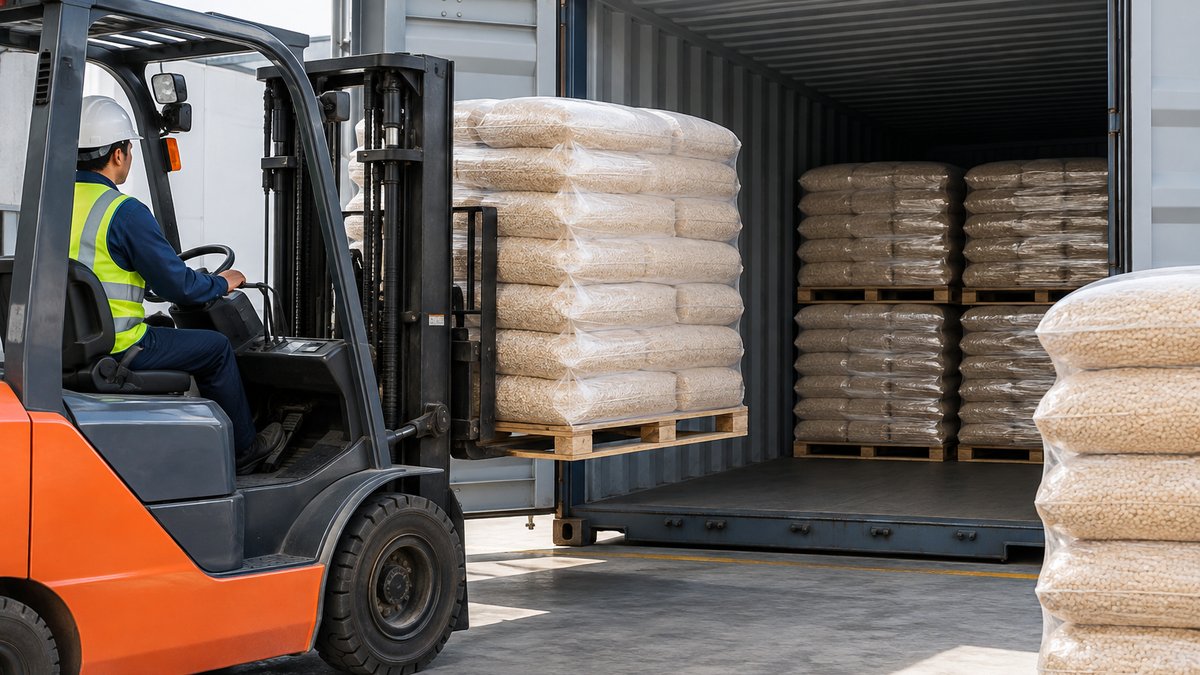
Packaging details appear in several formats: bulk 25 kg or 50 kg polypropylene or multiwall paper bags; 50 kg polypropylene bags or 50 lb paper bags; and retail packs or cartons with different pouch sizes. A supplier should confirm whether the request expects bulk export packaging, consumer-ready packs, or a choice between them. The bag material, net weight, labeling and pallet arrangement should be written into the quotation when agreed.
2.3 Origin, processing and intended use
Several requests specify an origin or list acceptable origins. One asks for Indian origin, another names Pakistan, and a broader request lists Pakistan, India and Tanzania. Another identifies Pakistan as the origin for a U.S.-based buyer. Origin in an RFQ is the buyer’s stated sourcing preference; suppliers should confirm whether it is mandatory and provide accurate origin documentation for the offered lot.
Intended use can change the required handling and pack. One U.S. buyer describes food-grade and ceremonial use, with several quality grades and treatment options listed. Suppliers should confirm which use applies to the order and whether the buyer requires separate lots, special handling or documentation. Do not assume that a grade label or treatment entry establishes a food-safety certification.
2.4 Trade and payment terms
The requests include FOB, CIF and EXW, while several leave trade terms unstated. Payment entries include L/C, T/T, D/P and other options, and some requests do not state a payment term. Suppliers should ask which term the buyer wants when a listing leaves it open or gives alternatives, then price against a named place or port and confirm the payment conditions in writing.
The buyer-entered price fields are not a comparable sesame seed price reference. Some show a currency without an amount, while others show an amount without a clear unit or specification basis. Confirm currency, unit, quality basis, packaging, delivery term and validity period directly in the inquiry before using any displayed figure in a quotation.
3. What These Buying Requests Mean for Sesame Seed Suppliers
The requests call for distinct offers, not one generic sesame seed quotation. An exporter offering hulled, cleaned seed should specify the process and the quality evidence available. A supplier offering natural, black or white seed should identify the color and form clearly, then confirm the buyer’s intended grade and use.
Purity claims need an agreed basis. Before accepting a target such as 99.95% or 99.98%, clarify the sampling plan, test method, tolerance and inspection point. State whether the result applies to the shipped lot and identify any report or certificate the supplier can actually provide. Do not describe a lot as certified unless the relevant certificate is valid and applies to that product.
Packaging and order size also affect the offer. For a bulk-bag request, state bag material, net weight and loading configuration. For retail packs, confirm the pack sizes, carton count, labeling responsibility and whether the buyer expects finished consumer packaging. If the request uses an unusual unit or container quantity without a weight, ask for the intended net quantity before estimating capacity or transport.
Before sending a firm offer, suppliers should confirm the product form, color, grade, origin, cleaning or treatment method, purity basis, quantity and unit, packaging, destination, delivery term, payment term and inspection requirements. State available stock and shipment timing only when those details can be supported. If the buyer’s requirement is incomplete, send focused questions and wait for the missing commercial basis before fixing a price.
4. How Freshdi Helps Suppliers Find Sesame Seed Buyers
Suppliers can review Freshdi’s sesame seed buying requests to see the requirements buyers have entered, including product form, quantity, packaging, origin preferences, destination and commercial terms when stated. Listing details may change, so check the original request before preparing an offer. A missing field is not confirmation that the buyer has no requirement; ask the buyer to clarify it.
Use the category pages to review sesame seed buying requests and related supplier listings. Compare each inquiry with the product and volume your business can document, then prepare a quotation that answers the stated requirements and flags any open questions.
Suppliers reviewing sesame seed demand can browse the relevant Freshdi buying-request category.
View Latest Buying Requests for This Product →
5. Conclusion: Check the Specification Before Quoting Sesame Seed
Recent Freshdi sesame seed requests describe different forms, colors, purity targets, origins, quantities and packaging. Some name trade and payment terms; others leave them unstated. One inquiry gives its quantity in pieces, and several price fields do not provide a complete quotation basis.
Review the original request, confirm the buyer’s quality and commercial requirements, and quote only for the sesame seed and shipment terms you can supply. Suppliers can use Freshdi to find relevant buying requests and compare them with their documented stock and export capabilities.
Once your specification and shipment details are ready, review current sesame seed buying requests on Freshdi.
View Latest Buying Requests for This Product →
Frequently Asked Questions
What specifications should a sesame seed supplier confirm before quoting?
Confirm the seed form, color, grade, origin, cleaning or processing method, purity basis, quantity and unit, packaging, destination, delivery term, payment term and inspection requirements. Where a request leaves a field blank, ask the buyer instead of assuming a standard applies.
How should a supplier respond to a sesame seed purity target?
Ask for the test method, sampling plan, tolerance and inspection point. State the evidence available for the offered lot, and do not claim compliance until the buyer’s measurement basis is clear.
Which sesame seed packaging formats appear in these requests?
The requests mention bulk bags, including 25 kg or 50 kg bags, and retail packs or cartons with several pouch sizes. Confirm the required net weight, material, labeling and loading arrangement before pricing.
What should I do when a buying request gives an unclear quantity?
Ask the buyer to confirm the intended unit and net quantity. A request in pieces or containers without a corresponding product weight may not be enough to calculate a comparable price or shipment plan.
What trade terms appear in recent Sesame Seed RFQs?
The seed requests include FOB, CIF and EXW, while other listings leave the term unstated. Confirm the preferred term and named place or port before calculating freight, insurance or other delivery costs.
How can suppliers find sesame seed buying requests on Freshdi?
Suppliers can browse Freshdi’s sesame seed buying-request category and review each listing’s current details. Check the original request before quoting because product requirements and listing information can change.
References
1. USDA Foreign Agricultural Service – Oilseeds and Products Annual: China, 2026.
2. Food and Agriculture Organization of the United Nations – Agricultural Production Statistics 2010–2024, 2025.
3. Freshdi – Sesame Seed buying requests and supplier listings, 2026.
4. United Nations Statistics Division – UN Comtrade Database, 2026.
Disclaimer: This article is compiled from platform data, public sources and information provided by third parties, for general informational purposes only. We do not guarantee its accuracy or completeness. Mentions and rankings of suppliers do not constitute an endorsement or guarantee, and strategies and examples are illustrative; results may vary. Please conduct your own due diligence before making business decisions.