
Introduction
Ten Cashew Nut requests from nine buyers were posted on Freshdi between 5 and 14 November 2026; the listings were reviewed on 14 November. Their stated destinations span several regions, and the requests cover different product descriptions, quantities and trade terms. This update shows what the buyers specified and what exporters should clarify before quoting.
Key Takeaways
- The 10 requests were posted from 5 to 14 November 2026 and come from nine buyers.
- All 10 state a quantity and destination. The destination field does not always identify the buyer’s country.
- CIF appears in nine requests, FOB in three and DDP in one. Some requests list more than one trade term.
- Seven requests include specification details, while five include packaging details. The stated details vary substantially.
- The price fields are not a reliable comparison: several lack a price amount or unit, and the listings do not provide a consistent basis for comparison.
1. Cashew Nut market overview and demand context
Cashew trade covers raw nuts in shell and processed kernels, so figures for one form should not be treated as totals for the other. Recent official data and estimates point to active kernel import demand, while Freshdi’s 10 requests show a separate, small platform sample of buyer-posted requirements.
APEDA’s Market Intelligence Cell dashboard dated 5 March 2026 projected that imports across the 10 leading cashew-kernel markets would grow by about 5% to 7% in calendar year 2026. Its estimates put China at 180,000 tonnes and the United States at 155,000 tonnes for 2026. These are projections for shelled kernels, not confirmed imports or demand for every cashew form.
India’s APEDA cashew profile reports 2025-26 exports of 32,998.91 tonnes of cashew kernels, valued at USD 265.08 million, and 77,806.41 tonnes of cashew nuts in shell, valued at USD 114.12 million. APEDA names Vietnam, the UAE, the Netherlands, Japan and Spain among the kernel export destinations for that fiscal year. These figures describe India’s reported exports, not global production or a price benchmark.
The Freshdi sample has a different scope: 10 requests posted over 10 calendar dates, with destinations and requirements recorded as buyers stated them. It does not measure market size, total imports, consumption or prices. The practical connection is that exporter interest needs to be matched to the exact product form, destination and delivery basis in each request.
Looking to Sell Cashew Nut?
Connect with verified buyers, receive relevant buying leads, and explore sourcing opportunities from global markets.
2. Recent Cashew Nut buying requests and buyer requirements
The listings include all 10 Cashew Nut requests posted from 5 to 14 November 2026. A request is an inquiry, not a confirmed order. The table is built from the Freshdi records; details and destination names are shown as posted.
2.1 Product form and grade need confirmation
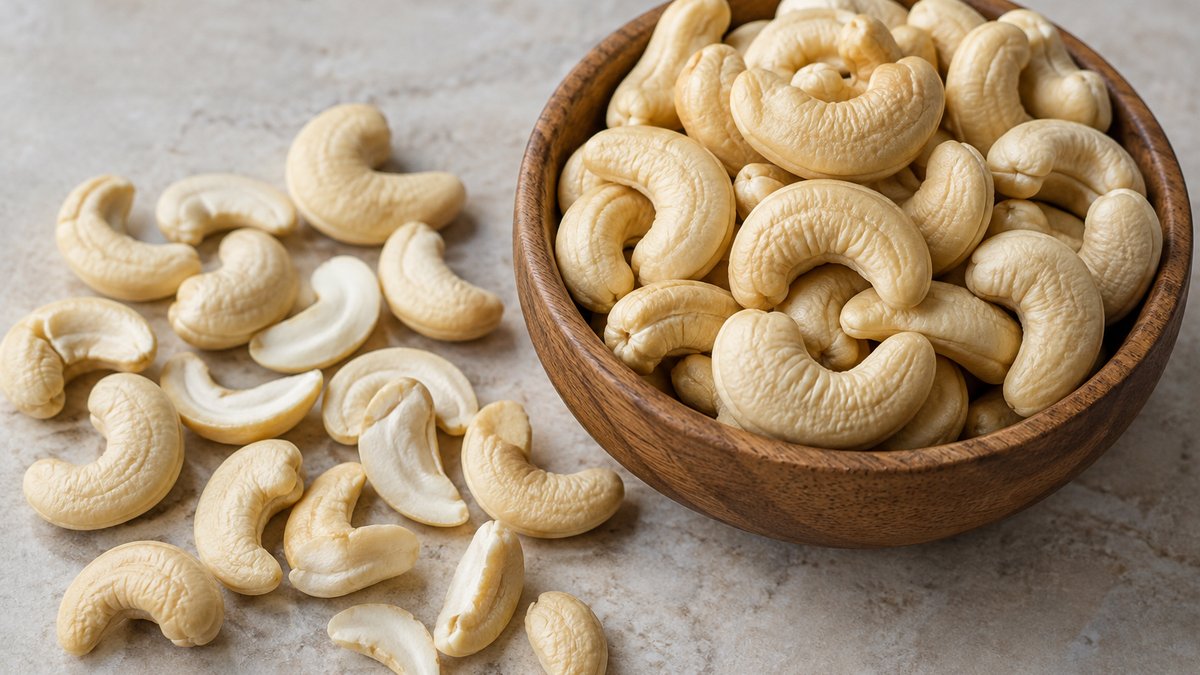
The requests do not describe one uniform commodity. Titles and specifications include cashew kernels, whole and broken forms, blanched kernels, and a request labelled unshelled. One request pairs “unshelled” in its product name with “Ground” and “Unsalted” in its specification. Exporters should ask the buyer to confirm the intended form before pricing or confirming availability.
Grade descriptions also need a shared definition. One request mentions W240 and WW180 in its title; another describes Grade A and split or whole grades. Ask which grade standard, size count, whole-to-piece tolerance and defect limits the buyer will accept. A grade name alone may not give both parties the same acceptance basis.
2.2 Quantity, price and destination are not enough to build a comparable offer
All 10 requests state a quantity, but those amounts cannot be compared as a single buying programme: the product forms differ, and the units and shipment details need checking against each request. Each record has a target-price field, but some show only “USD,” while other entries do not provide a consistent unit or price basis. Confirm currency, price per unit, grade, packaging and delivery basis before preparing a quote.
All 10 records state a destination. Five state a buyer country, so suppliers should not assume the destination is the buyer’s country. In particular, confirm the named port or place, the importing country and whether the buyer wants delivery there under the stated term.
2.3 Trade terms and payment details vary
CIF appears in nine records, FOB in three and DDP in one; some requests list alternatives, so these counts overlap. Under CIF, the seller arranges cost, insurance and freight to the named destination port. Under FOB, the buyer arranges the main carriage after the goods are loaded at the named port of shipment. DDP assigns broader delivery and import-clearance responsibilities to the seller at the named destination. Agree the named place and responsibilities before calculating a price.
Nine requests state payment terms, and some list more than one. The records include L/C, T/T, W/U, Money Gram, D/P and PayPal. A supplier should confirm the buyer’s preferred method and the exact payment conditions. For a documentary credit, check the issuing bank, required documents, presentation deadlines and any conditions that the supplier cannot meet.
Only three requests list preferred origins, and five specify packaging. Seven include at least one specification field. Packaging descriptions range from sacks or cartons to vacuum-sealed tins and retail-size pouches. Confirm which package applies to the required quantity, whether it needs food-contact compliance in the destination market, and how the buyer expects the cargo to be labelled.
Two specification entries state moisture values in an unclear or malformed way, including “100%” and “<5%%.” Do not treat either string as an agreed acceptance limit. Ask the buyer to confirm the moisture limit, test method and sampling point in writing. A quotation should repeat the confirmed specification, not silently correct an unclear field.
3. What these Cashew Nut buying requests mean for suppliers
The sample points to a basic commercial task: establish which cashew product the buyer wants before matching stock or setting a price. Kernel size and grade, processing state, whole or broken form, moisture, packaging and destination can change what the exporter is being asked to supply.
Prepare a product sheet that identifies the form and grade, size or count where relevant, moisture specification and test method, defect limits, shelf life, packaging and available quantity. Attach current product images or test documents only when they apply to the lot being offered. If a buyer’s description conflicts with its own specification, ask one direct question to resolve it before sending a firm quotation.
Treat the trade and payment terms as separate quotation inputs. Confirm the named loading port for FOB or named destination for CIF and DDP, then calculate the costs and responsibilities assigned to the selected term. Confirm payment currency, timing, documents and any bank conditions. Do not compare a price on one delivery basis with a price on another.
Eight of the 10 requests are marked as verified requests in the Freshdi data. That listing attribute is a screening signal, not a guarantee that a buyer will respond, pay or complete a transaction. Check the current request and buyer information before allocating stock or accepting commercial terms.
Buying consideration: Before quoting, match the lot to the buyer’s confirmed product form and grade, then ask about every missing price, specification, destination and payment detail that affects the offer.
4. How Freshdi helps suppliers find Cashew Nut buyers
Suppliers can review Cashew Nut buying requests on Freshdi and compare the requirements visible in each listing. Open the original request before preparing an offer, because request details or status can change. The records discussed here were posted between 5 and 14 November 2026 and were reviewed on 14 November.
Use Cashew Nut buying requests to review requests in that category. Suppliers can also browse Cashew Nut suppliers when checking the category’s supplier listings.
When a request fits your actual product and supply capacity, prepare an offer around the confirmed grade, quantity, packaging, destination, delivery term and payment method. If the listing contains an unclear product form, unit or specification, ask for clarification instead of filling in the gap.
Suppliers who have confirmed that a request matches their product and shipping capacity can use Freshdi to find relevant buyers.
View Latest Buying Requests for This Product →
5. Practical next steps for Cashew Nut exporters
The 10 recent requests vary in product description, destination and commercial terms. Start with product identity, then confirm the specification and quotation basis. Keep each answer tied to the buyer’s actual request and the lot you can supply.
- Confirm whether the buyer wants raw nuts in shell, kernels, blanched kernels, roasted product or another form.
- Agree the grade, size or count, whole-to-piece ratio, moisture limit and test method.
- Confirm quantity, package format, destination port or place, shipment schedule and preferred delivery term.
- Set the price unit and basis, then confirm payment method, timing and required documents.
- Review the current request and buyer details before reserving stock or accepting an order.
Once the product and quotation details are ready, suppliers can use Freshdi to find buyers whose requests fit their offer.
View Latest Buying Requests for This Product →
Frequently Asked Questions
How many recent Cashew Nut buying requests are included?
The update includes 10 Freshdi requests posted from 5 to 14 November 2026. The records are associated with nine buyers. The figures describe this set of requests, not all cashew demand on the platform or in the market.
What product details should a cashew exporter confirm first?
Confirm the product form, grade and size or count, whole-to-piece ratio where relevant, moisture limit and test method, packaging, quantity and destination. Resolve any conflicting wording before quoting.
Can I compare the target prices in these requests?
Not reliably from the displayed fields alone. Some entries show only a currency, and the records do not provide a consistent unit and delivery basis for comparison. Confirm the currency, price unit, grade, packaging and trade term directly before preparing an offer.
Which trade terms appear most often in the requests?
CIF appears in nine requests, FOB in three and DDP in one. Some records list alternatives, so the counts overlap. Confirm the named port or place and the buyer’s preferred term.
Do the requests all specify packaging?
No. Five of the 10 records include packaging details. The listed formats vary, so confirm the required package, unit size and quantity before calculating packing and freight costs.
Does a verified-request label guarantee a transaction?
No. Eight requests in this set are marked as verified requests. The label is a screening signal and does not guarantee a response, payment or completed sale. Review the current request and carry out your own commercial checks.
References
1. APEDA Market Intelligence Cell – Monthly Dashboard: Cashew, March 2026, 2026-03-05.
2. APEDA – Cashew, 2026-11-14.
3. Freshdi – Cashew Nut buying requests posted 5 to 14 November 2026, 2026-11-14.
Disclaimer: This article is compiled from platform data, public sources and information provided by third parties, for general informational purposes only. We do not guarantee its accuracy or completeness. Mentions and rankings of suppliers do not constitute an endorsement or guarantee, and strategies and examples are illustrative; results may vary. Please conduct your own due diligence before making business decisions.