
Introduction
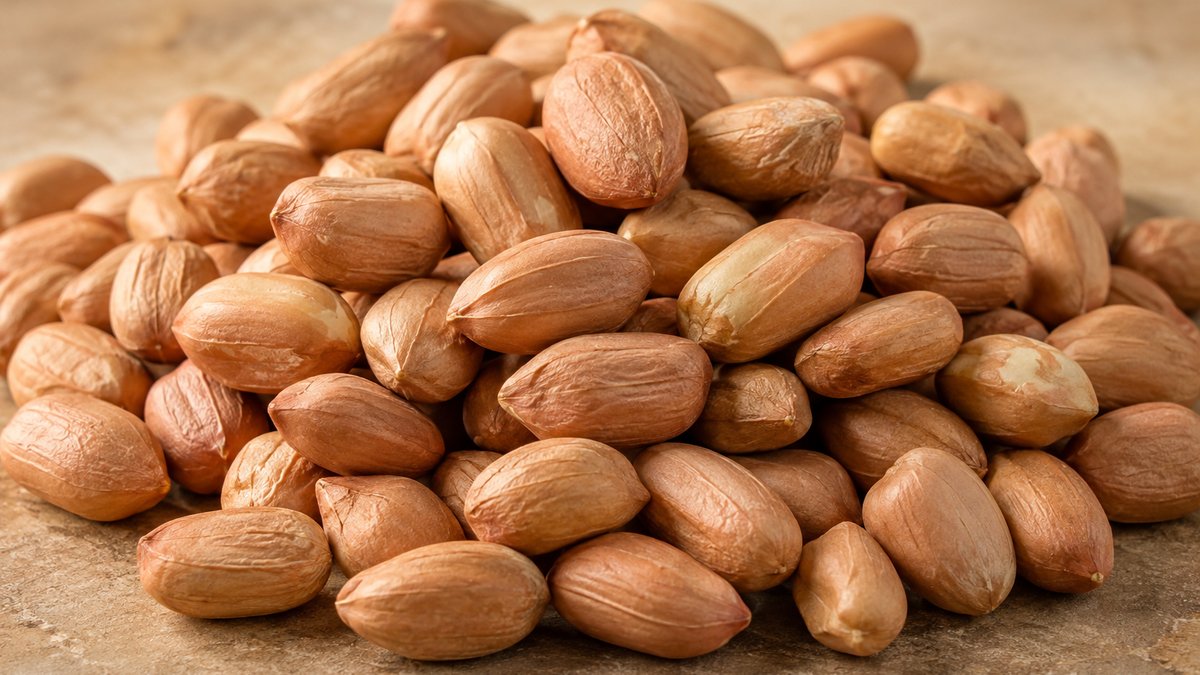
China's peanut market prices softened in the second half of November 2026. Mysteel reported a national average of CNY 7,718 per metric tonne for bulk peanut kernels on 20 November, down CNY 42 per tonne from the previous day. That is a domestic market indicator, not an export offer or a delivered price for a particular buyer.
This update covers reported Chinese domestic prices and a separate import quotation at Qingdao Huangdao port. The latest figures available for this report are dated 19 and 20 November 2026. Prices differ by variety, grade, processing, location and delivery basis, so buyers should treat each quotation as a reference for its stated market.
Key Takeaways
- Mysteel's national average for Chinese bulk peanut kernels was CNY 7,718 per metric tonne on 20 November 2026, down CNY 42 per tonne from 19 November.
- On 20 November, regional bulk-kernel quotations included CNY 3.70 to 3.80 per jin for Henan Baisha and CNY 4.05 per jin for Hebei 99-1 peanuts.
- Mysteel reported a Qingdao Huangdao port quotation of CNY 8,200 to 8,300 per tonne for shelled Sudanese peanuts on 19 November. That import quote is not directly comparable with the national domestic average.
- USDA Foreign Agricultural Service estimated China's average peanut import price at US$590 per tonne in marketing year 2025/26, 9.6% above the previous year. This is a season-wide import unit value, not a November market quotation.
- Buyers should compare the same variety, grade, packaging, shipment period and delivery basis. A local market price, an import-port quote and an FOB export offer describe different stages of the transaction.
1. China's Peanut Market Has New-Crop Supply and Soft Buying Activity
China's November peanut market combines local crop arrivals with demand from food processors and oil plants. Mysteel's 20 November 2026 market report described supply pressure in producing areas, subdued trading and oil plants enforcing quality checks. The report put the national average for bulk peanut kernels at CNY 7,718 per metric tonne, down CNY 42 from the previous day.
Peanuts are traded as food-grade kernels and as oil-crushing material, among other specifications. Those uses lead to different quality checks and prices. A quote for selected kernels should not be compared with an oilseed purchase price unless the grade, moisture, oil content and other contract terms match.
China is both a major peanut producer and an importer. USDA FAS's 2026 China oilseeds update reports that in-shell peanut imports from the United States reached 175,700 metric tonnes in marketing year 2025/26, almost three times the MY 2024/25 volume. The same update gives an average import price of US$590 per tonne for MY 2025/26, up 9.6% year on year. That average is a season-level import measure and does not establish the price of a November shipment.
USDA FAS's China annual report forecasts peanut imports of 600,000 tonnes in MY 2026/27, down from an estimated 650,000 tonnes in MY 2025/26. The report attributes the outlook to projected domestic production growth and stable domestic consumption. These are marketing-year estimates and forecasts, not confirmed purchase orders or final customs results.
For procurement, the practical implication is that a national average can describe direction but cannot price a specific order. Buyers need a product specification and a delivery location before comparing supplier offers.
Looking to Source Peanut?
Connect with verified suppliers, discover matching products, and explore sourcing opportunities from global markets.
2. Latest Peanut Prices Reported in China
2.1 Current China market price in November 2026
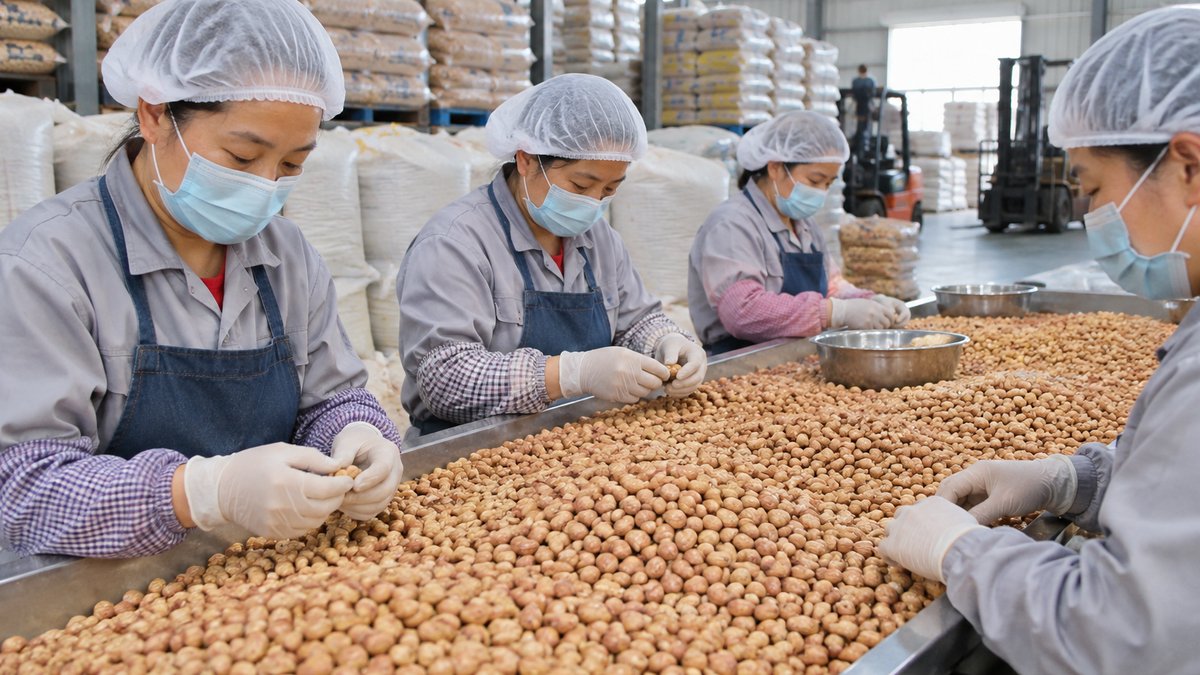
Mysteel reported a national average of CNY 7,718 per metric tonne for bulk peanut kernels on 20 November 2026, down CNY 42 per tonne from 19 November. The average does not specify one variety or destination port, so importers should use it as a domestic market indicator rather than a landed-cost quote.
Regional quotations on 20 November varied by origin and product. Mysteel listed Henan Baisha bulk kernels at CNY 3.70 to 3.80 per jin, equivalent to CNY 7,400 to 7,600 per metric tonne. Hebei 99-1 large peanuts were around CNY 4.05 per jin, or CNY 8,100 per tonne. The unit conversion uses 1 jin equal to 0.5 kilogram; the quoted products remain different varieties.
The regional figures are reported in local Chinese market units and are not uniform export specifications. Mysteel's national average fell from CNY 7,809 per tonne on 12 November to CNY 7,718 on 20 November, a decrease of CNY 91 per tonne, or about 1.2%. The two averages refer to the same reported market series.
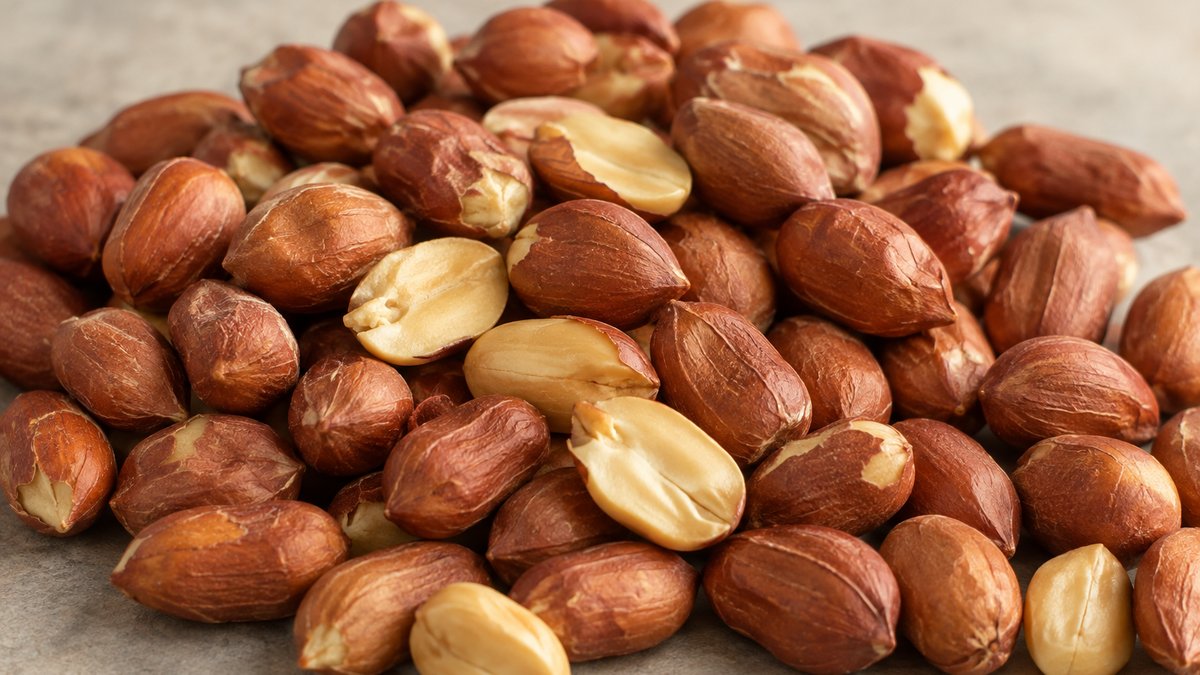
A separate reference comes from imports. Mysteel reported CNY 8,200 to 8,300 per tonne for shelled Sudanese peanuts at Qingdao Huangdao on 19 November. Mysteel noted that few firms were quoting and that trading was slow. The report does not establish a standardized grade or a delivered price beyond the stated port quotation.
2.2 Price comparison by origin
The November quotations support a comparison between selected domestic market prices and one import-port quote, but they do not provide a like-for-like FOB price comparison across exporting countries. The Qingdao Sudanese quotation is a port-market reference; the Chinese regional quotations are domestic market prices for named varieties. Buyers should not treat the difference between them as an origin premium without matching grade, processing, fees and delivery basis.
2.3 Price trend and changes
The national average declined by CNY 91 per tonne between 12 and 20 November, according to Mysteel's reported figures. The 20 November daily report also described weak trading and quality checks by oil plants. Those conditions help explain the market tone reported that week; they do not establish a price forecast.
For a longer-period reference, USDA FAS estimated China's average peanut import price at US$590 per tonne in MY 2025/26, up 9.6% year on year. The figure covers a marketing year and imported product mix. It cannot be compared directly with November 2026 domestic quotations in yuan per tonne.
3. Supply, Demand and Costs Are Shaping Peanut Prices
China's domestic crop and the pace of buying both affect local prices. USDA FAS expects domestic production growth to contribute to lower peanut imports in MY 2026/27. In Mysteel's 20 November report, producing-area supply pressure coincided with weak trading and cautious purchasing by food processors and traders.
Oil plants provide a separate source of demand. Mysteel reported that larger oil plants were buying while applying strict quality checks. A shipment intended for crushing therefore needs the buyer's oil-content, moisture and other acceptance requirements in writing; a food-grade kernel quote may not suit that use.
Imported supply can add options for buyers, but import statistics and port quotations cover different things. USDA FAS recorded increased U.S. in-shell peanut imports in MY 2025/26, while Mysteel's 19 November quote covered shelled Sudanese peanuts at Qingdao. Product form, origin, shipment timing and price basis differ.
Currency and freight affect the cost of an import offer in China. Buyers comparing a foreign-currency FOB offer with a CNY port quotation need to add freight, insurance where applicable, port and handling charges, taxes, and any other contractual cost. Exchange rates must be dated to the calculation.
Harvest timing and local arrivals also matter because offers can vary between regions and varieties. The November quotations show a CNY 700 per tonne difference between the converted lower end of the Henan Baisha range and the Hebei 99-1 quote. That is a comparison of separate market quotations, not a controlled measure of variety value.
Trade policy can change access and landed cost, but a buyer should verify the current rule for the peanut form and origin before contracting. This update does not assign a tariff rate or phytosanitary requirement because those details depend on the specific product, country of origin and applicable Chinese rules.
4. China's Import Demand Is the Relevant Market for This Update
4.1 China's place among importing markets
USDA FAS forecasts Chinese peanut imports of 600,000 tonnes in MY 2026/27, compared with its 650,000-tonne estimate for MY 2025/26. These figures establish the scale and direction of China's import outlook, but they do not rank all importing countries. A global ranking would require comparable estimates with a shared marketing-year definition and product coverage.
The latest China-specific update also reports 175,700 tonnes of in-shell peanut imports from the United States in MY 2025/26, nearly three times the MY 2024/25 volume. That figure describes one origin and product form. It does not show total Chinese imports from all origins or current November orders.
4.2 Main export destinations from China
The available China-focused sources used here report Chinese peanut imports and domestic market prices. They do not provide a current, comparable ranking of China's peanut export destinations or destination-level year-on-year changes. Exporters assessing outbound opportunities should use dated Chinese customs data for the relevant product classification and reporting period.
4.3 What import forecasts mean for sellers
A forecast of 600,000 tonnes of Chinese peanut imports in MY 2026/27 is an outlook, not a buyer order. Suppliers should treat it as market context and confirm actual demand through buyer specifications, shipment windows and current quotations. A lower annual import forecast also does not establish that every variety or origin will face weaker demand.
5. Compare Landed Cost Before Choosing a Peanut Supplier
A competitive peanut offer is the one that meets the buyer's specification at the required destination and total cost. The CNY 8,200 to 8,300 per tonne Qingdao quote for Sudanese shelled peanuts and the CNY 7,718 national domestic average describe different products and transaction stages. A direct price comparison would omit grade and delivery differences.
- Specify the form and variety, such as in-shell or shelled kernels and the named variety required.
- Write measurable quality limits into the inquiry, including moisture, foreign matter, kernel size and, where relevant, oil content or aflatoxin limits.
- State the quantity, packaging, shipment window and destination port.
- Ask each supplier to quote on the same Incoterm and currency. FOB means the seller delivers the goods on board the buyer's nominated vessel at the named port; CFR includes freight to the named destination port; CIF also includes insurance.
- Calculate the landed cost using the quoted goods price, freight, insurance where required, port costs, duties and other applicable charges.
- Check the import requirements and documents that apply to the product form and origin before shipment.
For each quotation, record the date and validity period. Peanut prices can change between a market bulletin and a supplier's offer, and an indicative market level is not a firm commercial quotation.
Buying consideration: Ask suppliers to quote the same written specification and delivery basis, then compare the full landed cost at the Chinese destination port.
Buyers preparing a specification can review suppliers listed for the peanut category.
View Related Suppliers for This Product →
6. Freshdi Buying Requests Show Platform Activity, Not National Import Demand
Freshdi's Peanut buying-request category is a place for suppliers to review posted sourcing needs. Those postings represent activity on the platform; they are not a count of China's total imports, market consumption or confirmed purchases.
A supplier reviewing a request should check the stated product form, variety, quantity, destination, delivery term and required documents before preparing an offer. Buyers can use a request to describe their own requirements and compare responses against the same specification.
The Chinese market quotations in this update are separate from Freshdi activity. For product-level discovery, buyers can review the Freshdi Peanut buying-request category.
7. Buyers and Suppliers Should Match Offers to the Shipment
7.1 For buyers and importers
- Use the November domestic and import-port prices as dated references, not as a current offer for a specific shipment.
- Compare the same peanut form, variety, grade, packaging and quantity across suppliers.
- Request the delivery basis, named port, currency and validity period in each quotation.
- Calculate landed cost and confirm applicable import requirements before placing an order.
- Ask how the supplier will document the quality parameters required by the contract.
7.2 For exporters and suppliers
- State whether the offer covers in-shell peanuts, shelled kernels or another processed form.
- List the variety, grade, quality limits, packaging and available quantity.
- Name the loading port and specify the Incoterm, currency and quotation validity.
- Provide shipment timing and the documents relevant to the buyer's destination.
- Review each buying request and send a quotation only when the product and shipment terms fit.
8. Freshdi Connects Peanut Buyers with Supplier Listings and Requests
Freshdi's peanut category pages help buyers review supplier listings and let suppliers browse relevant buying requests. Those pages support product discovery; they do not replace checks on product quality, documentation, shipment capability or the commercial terms of an order.
Buyers can review the Freshdi Peanut supplier category. Suppliers can review the Freshdi Peanut buying-request category and assess whether posted requirements match their available goods.
After comparing market references and shipment requirements, buyers and suppliers can review relevant peanut listings and requests.
View Latest Bean, Nut & Seed Buying Requests →View Potential Bean, Nut & Seed Suppliers →
9. China Peanut Market Outlook for Buyers and Exporters
The latest dated Chinese domestic average in this update was CNY 7,718 per tonne on 20 November 2026, following a decline from 12 November. A separate Qingdao quote for shelled Sudanese peanuts was CNY 8,200 to 8,300 per tonne on 19 November. The figures describe different products and market stages.
USDA FAS expects China's peanut imports to ease to 600,000 tonnes in MY 2026/27 from an estimated 650,000 tonnes in MY 2025/26, citing projected domestic production growth and stable consumption. Buyers should compare dated offers on matching specifications and landed cost. Exporters should state grade, quantity, port and quotation validity clearly.
Buyers ready to compare offers can review suppliers listed for peanuts.
View Related Suppliers for This Product →
Frequently Asked Questions
What was the latest reported peanut price in China?
Mysteel reported a national average of CNY 7,718 per metric tonne for bulk peanut kernels on 20 November 2026, down CNY 42 per tonne from 19 November. It is a domestic market indicator, not an export offer or delivered price for a particular order.
What was the price of imported peanuts at Qingdao?
Mysteel reported CNY 8,200 to 8,300 per metric tonne for shelled Sudanese peanuts at Qingdao Huangdao on 19 November 2026. The report noted that few firms were quoting and trading was slow. Buyers should confirm the grade and full delivery basis before using it in a landed-cost comparison.
Why do peanut prices differ between Chinese regions?
Regional quotations can cover different varieties, grades, moisture levels, processing and local buying conditions. For example, Mysteel listed Henan Baisha bulk kernels at CNY 3.70 to 3.80 per jin and Hebei 99-1 large peanuts at about CNY 4.05 per jin on 20 November 2026. Those are different products, not a controlled comparison of equivalent lots.
How much peanuts does China import?
USDA FAS forecasts Chinese peanut imports of 600,000 tonnes in MY 2026/27, compared with an estimated 650,000 tonnes in MY 2025/26. These are marketing-year figures and the 2026/27 figure is a forecast, not a final customs result.
How should buyers compare FOB and CIF peanut quotations?
FOB covers delivery on board the buyer's nominated vessel at the named loading port. CIF includes the goods, freight and insurance to the named destination port. Compare quotations for the same product specification, quantity, shipment period and currency, then add costs not included in the quoted basis to estimate landed cost.
Where can buyers find peanut suppliers on Freshdi?
Buyers can review supplier listings in Freshdi's Peanut supplier category. They should assess each listing against the required variety, quality, quantity, shipment schedule and documents. A listing does not guarantee product availability or a completed transaction.
References
1. Mysteel – Peanut market price updates, including national average and regional quotations, 20 November 2026.
2. Mysteel – Weekly report: Some oil plants active, peanut prices continue falling, 12 November 2026.
3. Mysteel – Peanut price updates, including Sudanese peanut quotation at Qingdao Huangdao, 19 November 2026.
4. USDA Foreign Agricultural Service – Oilseeds and Products Update: China, November 2026.
5. USDA Foreign Agricultural Service – Oilseeds and Products Annual: China, 2026.
Disclaimer: This article is compiled from platform data, public sources and information provided by third parties, for general informational purposes only. We do not guarantee its accuracy or completeness. Prices, volumes and forecasts are indicative, reflect conditions as of 2026-11-23 and may change without notice. This is not financial, investment or trading advice.