
Introduction
Japan’s latest available peanut import data covers January to September 2026. The reported average import unit value for peanuts that were not roasted or cooked was US$1,859 per metric tonne, down 3.16% from the same period in 2025.
This is a customs-derived average for a broad product category, not a November supplier quotation or a price for a particular grade. The update uses Japan import data through September 2026 and separately identifies current origin quotations where product specifications differ.
Key Takeaways
- Japan’s average import unit value for unroasted or uncooked peanuts was US$1,859/MT in January to September 2026, 3.16% lower year on year, according to TESEO’s presentation of trade statistics.
- Japan imported 23,511 tonnes worth US$43.707 million in that period, compared with 24,451 tonnes worth US$46.939 million in January to September 2025.
- The aggregate import unit value is not a firm offer. It combines shipments with different origins, product forms, specifications, and transaction timing.
- Japan’s 2024 peanut imports came mainly from the United States and China by value, according to the latest partner breakdown found for this article. That older split is not a 2026 origin ranking.
- Buyers should compare offers against the same grade, packaging, quantity, shipment period, and delivery basis, then calculate landed cost for Japan.
1. Market Overview
Japan depends on imported peanuts for part of its supply, and its import unit value reflects the mix of shipments arriving during a period. The latest comparable period found for this update is January to September 2026; Japan’s detailed October import statistics were scheduled for release on 27 November 2026, after the article’s 23 November reporting date.
Japan imported peanuts from multiple origins in 2024. Public trade data summarized by EximDataX puts the United States at 44% of Japan’s peanut import value and China at 41%; South Africa and Brazil each supplied about 6%. Those shares describe 2024, not the origin mix for the first nine months of 2026.
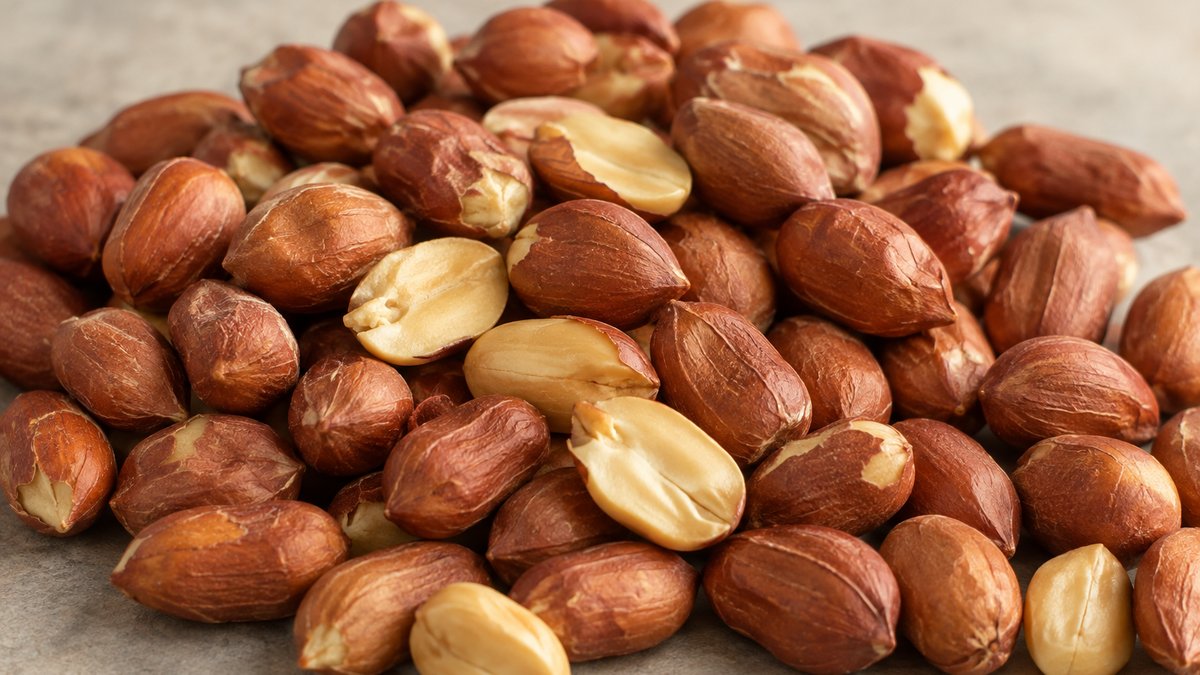
The product category matters when reading these figures. Japan’s HS 1202 classification covers groundnuts that are not roasted or otherwise cooked, whether shelled or broken. It does not represent every peanut product sold in Japan, such as roasted snacks or peanut butter.
Japan’s import unit value is useful for tracking a broad customs trend. It does not identify the grade, count, crop year, packaging, or contract basis of each shipment. A buyer evaluating an offer therefore needs a product specification and delivery basis before comparing it with the national average.
Looking to Source Peanut?
Connect with verified suppliers, discover matching products, and explore sourcing opportunities from global markets.
2. Latest Peanut Export Prices
2.1 Current import unit value in Japan
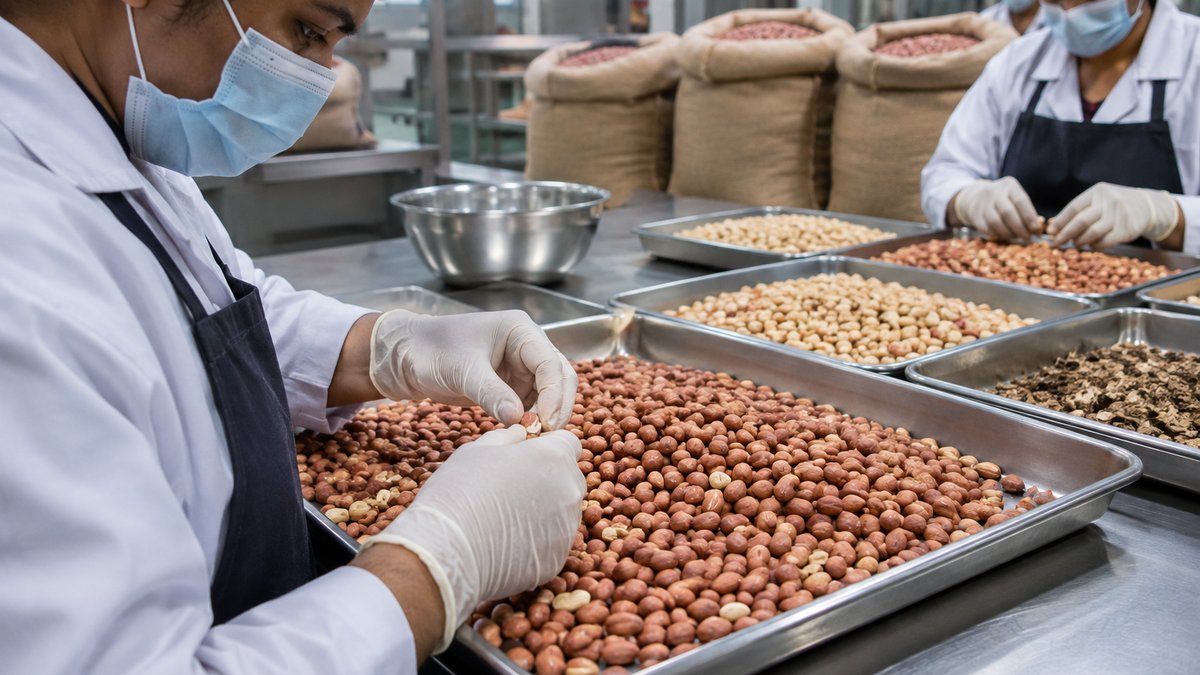
Japan’s average import unit value for unroasted or uncooked peanuts was US$1,859 per metric tonne for January to September 2026. TESEO’s trade-data table reports 23,511 tonnes imported for US$43.707 million. The figure is a period average calculated from import value and quantity, not a current quote available to every buyer.
The 2026 period’s unit value was 3.16% below the corresponding 2025 figure. Import quantity fell 3.84%, while import value fell 6.89%. These are year-on-year changes for the same nine-month span; they do not establish that every origin or grade became cheaper.
2.2 Price comparison by exporting origin
A like-for-like 2026 comparison of peanut offers from Japan’s major origins was not available in the sources reviewed. Japan’s customs unit value combines product types and origins, while the current origin quotations located for this update specify different varieties or grades. They should not be treated as equivalent prices or averaged together.
For context, Commodity Board’s 22 November 2026 quotation page listed Indian Java 70/80 peanuts at €1.21/kg FOB New Delhi and Brazilian raw peanuts at €1.28/kg FOB Brasília. These are origin-specific indications, not Japanese import prices. The page also listed other Indian grades at different prices, which reinforces the need to identify the variety and count before comparing offers.
FOB means the seller delivers the goods on board the vessel at the named port; the buyer arranges the main carriage and bears subsequent costs and risks under the agreed contract. Japan’s customs unit value and these FOB indications have different coverage and bases. Buyers should use the origin quotations as leads for a comparable inquiry, not as a direct price ranking.
2.3 Price trend and changes
Japan’s import unit value decreased year on year during January to September 2026, alongside lower import volume and value. The figures do not show which factor caused the change. A shift in supplier mix, grade, shipment timing, or contract terms can alter the average even when individual offers move differently.
The customs series is reported in US dollars per tonne, while buyers may receive offers in another currency and on a different delivery basis. Compare a supplier’s quotation with the import average only after checking product form, specification, currency conversion date, and whether freight and insurance are included.
3. Why Are Peanut Prices Changing?
The reported Japan average declined, but the available aggregate data does not isolate a cause. Buyers and exporters should test the factors that affect their own shipment rather than treating the national unit value as proof of a specific market driver.
3.1 Origin, grade, and product mix
Peanut prices vary with origin and specification. The November quotations distinguish Indian Java and bold types and separate count ranges; the quoted prices differ even within the same origin. Japan’s broad import average does not disclose these distinctions, so a grade mix change could affect the average without showing the movement for a particular grade.
3.2 Crop availability and shipment timing
Harvest timing, stocks, and export availability can affect the price a supplier is prepared to quote. The sources used here do not establish a particular crop shortage or surplus as the reason for Japan’s 2026 unit-value change. Ask suppliers to state the crop year, available quantity, loading window, and quotation validity.
3.3 Currency and delivery costs
An FOB quotation excludes the buyer’s main freight and insurance costs. A Japan-bound buyer should add the relevant carriage, insurance, port, handling, and import costs before comparing it with a delivered offer. Currency changes can also alter the buyer’s local-currency cost even when a supplier’s price in euros or dollars stays the same.
3.4 Import requirements and quality checks
A lower offer may not match the buyer’s required food-use specification or import conditions. Confirm the product form, intended use, quality tolerances, packaging, inspection terms, and documents required for the shipment. Check Japan’s current rules for the specific product and transaction with the relevant authorities before contracting.
4. Which Countries Import the Most Peanuts?
4.1 Major global importing markets
The sources reviewed for this update did not provide a consistent, current global ranking of peanut-importing countries by volume. Japan is a material destination in the 2024 trade summary, but that information alone cannot support a global ranking or a 2026 forecast. Buyers should distinguish completed customs imports from forecasts and confirmed tenders.
4.2 Main supplier origins for Japan
For 2024, the United States and China together accounted for most of Japan’s peanut import value in the EximDataX summary. South Africa and Brazil were smaller suppliers by value. These data establish historical sourcing relationships, not current availability, current prices, or supplier approval for a particular Japanese buyer.
4.3 What import demand means for exporters
A large historical supplier share can help exporters identify origins already present in Japan’s trade, but it does not confirm a buyer order. Exporters considering Japan should check the buyer’s required product form and specifications, shipment schedule, documentation, and import conditions. Any forecast should be attributed to its publisher and kept separate from actual customs results.
5. Where Can Buyers Source Peanuts at a Competitive Price?
Buyers can use the Japan import unit value as background, then request comparable quotations from suppliers in relevant origins. The average of US$1,859/MT for January to September 2026 is not a target price or a replacement for a current offer. It covers a wider set of transactions than any one buyer’s shipment.
- Specify whether the product is shelled or in-shell, raw or processed, and identify the variety or type.
- State the required count or grade, acceptable defects, moisture limits, and any other quality parameters in the purchase specification.
- Give the same quantity, bag size, shipment window, and destination to every supplier asked to quote.
- Compare quotations on the same basis. For FOB offers, add freight, insurance, and destination costs; for CFR, confirm that freight is included and insurance is not; for CIF, confirm the named destination port and insurance coverage.
- Check import requirements and documentation for the product and intended use in Japan before confirming the contract.
- Record the quotation currency, date, validity period, payment terms, inspection arrangements, and loading port.
CFR means the seller pays the cost and freight to the named destination port, while risk transfers under the applicable Incoterms rule when the goods are loaded on board. CIF adds seller-arranged insurance to the named port. The contract should name the applicable Incoterms version and port so that both sides price the same obligations.
Illustrative peanut inquiry:
Product: Raw shelled peanuts, specify variety and count
Quantity: State the required metric tonnes
Destination: Named Japan port
Quotation: Request FOB and CIF offers with currency and validity
Quality and packing: List required tolerances, bag type, and inspection terms
This is an illustrative inquiry format. Buyers must set the specifications and terms required for their own shipment.
Buying consideration: Ask each supplier to quote against the same written specification and delivery basis. Then compare total landed cost and verify that the quoted product meets the buyer’s requirements.
6. What Does the Latest Demand Look Like on Freshdi?
No dated Freshdi peanut buying-request records or platform statistics were supplied for this article. It therefore cannot report a request count, buyer destination, required quantity, variety, or trade term as current platform demand.
Buyers can use Freshdi’s peanut category to review potential suppliers and state their own product requirements. Suppliers can review relevant buying requests when available and check each request’s stated specification, quantity, destination, and delivery terms before preparing a quotation.
Businesses ready to compare sourcing options can review the peanut category and its related buying and supplier listings.
View Latest Bean, Nut & Seed Buying Requests →View Potential Bean, Nut & Seed Suppliers →
7. What Should Buyers and Suppliers Do Next?
7.1 For buyers and importers
- Treat US$1,859/MT as a January to September 2026 customs-derived average, not a live supplier offer.
- Request prices for an exact product type, grade, count, quantity, packing format, and shipment period.
- Compare the same delivery basis and calculate landed cost to the named Japan port.
- Check current Japan import conditions and documentation for the product and intended use.
- Confirm sample approval, quality inspection, payment terms, and quotation validity before signing.
7.2 For exporters and suppliers
- State the peanut type, grade or count, crop year, available quantity, and packaging in the offer.
- Name the loading port and give the quotation currency, Incoterm, shipment window, and validity period.
- Separate FOB, CFR, and CIF prices and specify the named port and Incoterms version.
- Provide only documentation and certification claims that apply to the goods and can be supported.
- Check the buyer’s destination requirements before quoting and respond to requests that match the available product.
Buying consideration: A quotation is easier to assess when it states exactly what is being sold, where delivery takes place, and how long the price remains valid.
8. How Freshdi Helps Buyers and Suppliers Connect
Freshdi’s category pages give buyers and suppliers a place to review peanut-related listings. Buyers can review potential peanut suppliers, while suppliers can review peanut buying requests. Listings and requests are starting points for checking fit; each party should verify product details and commercial terms directly through its own due diligence.
Buyers with a defined peanut specification can review related supplier listings before requesting comparable quotations.
View Related Suppliers for This Product →
9. Conclusion: Japan Peanut Market Outlook
Japan’s average import unit value for unroasted or uncooked peanuts was US$1,859/MT in January to September 2026, down 3.16% year on year. The customs average gives buyers a recent benchmark, while origin-specific offers show why grade and quotation basis must be checked before making a price comparison.
Buyers should compare equivalent specifications and landed costs; exporters should state grade, quantity, loading port, Incoterm, and quotation validity. Freshdi can be used to review relevant peanut suppliers and buying requests.
Frequently Asked Questions
What was Japan’s latest peanut import price?
The latest period found for this update is January to September 2026. Japan’s average import unit value for unroasted or uncooked peanuts was US$1,859 per metric tonne, based on 23,511 tonnes valued at US$43.707 million. It is a customs-derived period average, not a current supplier quotation.
Did Japan’s peanut import unit value rise or fall in 2026?
The January to September 2026 average was 3.16% lower than in the same period of 2025. Import quantity was down 3.84% and import value was down 6.89%. The aggregate figures do not identify the cause or show that every grade and origin followed the same trend.
Which countries supply peanuts to Japan?
A 2024 trade summary identifies the United States and China as Japan’s largest peanut suppliers by import value, with South Africa and Brazil also among the suppliers. Those shares are historical and do not establish the origin mix for January to September 2026.
Why can supplier peanut prices differ from Japan’s import average?
Supplier offers may cover different varieties, counts, grades, packaging, quantities, currencies, and shipment dates. The Japan figure is an average across customs-recorded imports, while a supplier quotation may be FOB or delivered. Compare only after matching the product specification and price basis.
How should a buyer compare FOB and CIF peanut quotations?
FOB generally leaves the buyer to arrange main carriage and insurance after loading at the named port. CIF includes seller-arranged cost, insurance, and freight to the named destination port under the agreed Incoterms rule. Confirm the named ports, coverage, version of Incoterms, and other contract terms, then compare total landed cost.
Can Freshdi show current peanut buyers or suppliers?
Freshdi has peanut-related category pages for supplier listings and buying requests. This article was not supplied with dated request records, so it cannot state how many current requests there are or what quantities and specifications buyers are seeking. Check individual listings and requests for their stated details.
References
1. TESEO – Japan Import Oilseeds and Protein Flours Trade, January to September 2026, 2026.
2. Japan Ministry of Finance – Trade Statistics of Japan, Principal Commodity by Customs by Country Import, 2026.
3. Commodity Board – Peanuts Market News, Prices and Outlook, 22 November 2026.
4. EximDataX – Peanuts Imports in Japan: Data and Top Suppliers, 2024 data; page updated 22 November 2026.
Disclaimer: This article is compiled from platform data, public sources and information provided by third parties, for general informational purposes only. We do not guarantee its accuracy or completeness. Prices, volumes and forecasts are indicative, reflect conditions as of 2026-11-23 and may change without notice. This is not financial, investment or trading advice.