
Introduction
Turkey’s November wheat prices include an official domestic sale price and a separate export tender result. On 2 November 2026, the Turkish Grain Board (TMO) opened imported bread wheat for sale to flour and bulgur mills at TRY 18,500 per metric tonne, excluding VAT and a handling charge. On 17 November, TMO provisionally sold about 400,000 tonnes of milling wheat for export at US$301 to US$307 per tonne FOB, depending on loading port.
These are different products and transaction settings, so the figures are not interchangeable market quotations. This update covers reported prices and supply conditions available through 17 November 2026. It also explains what the sources do and do not establish about price changes, competing origins and Turkish demand.
Key Takeaways
- TMO’s 2 November 2026 sale notice set imported bread wheat at TRY 18,500 per tonne for flour and bulgur mills, excluding VAT and a TRY 150 per tonne handling charge.
- TMO’s 17 November provisional export tender priced milling wheat at US$301 to US$307 per tonne FOB, depending on port, for shipment from December 2026 to February 2027.
- The domestic stock-sale price and export tender price cover different arrangements and should not be compared as if they were equivalent offers.
- FAO’s 7 September 2026 Türkiye brief estimated 2026 wheat production at 22.8 million tonnes and forecast 2026/27 wheat import requirements at 7 million tonnes.
- Buyers should obtain current, specification-matched quotations and calculate the full delivered cost; the available sources do not establish a like-for-like month-on-month price change.
1. Turkey’s November wheat prices depend on the transaction basis
The latest dated price evidence in this update is a 17 November 2026 provisional export tender, alongside TMO’s domestic sale terms effective from 2 November. The tender covered milling wheat for export, while the November domestic notice concerned imported bread wheat sold to flour and bulgur mills. Neither figure is a universal spot price for every wheat grade or buyer.
The period covered is November 2026, using TMO notices and a report on its export tender published by 17 November. The prices are stated in the currencies and units reported by their sources. The domestic sale is in Turkish lira per tonne and excludes VAT and handling; the tender is in US dollars per tonne FOB, a delivery basis under which the seller’s price covers the goods loaded aboard the vessel at the named port.
The sources provide no comparable October quotation for the same wheat specification and sale basis. A percentage change from the previous month therefore cannot be calculated responsibly from these figures.
Looking to Source Wheat?
Connect with verified suppliers, discover matching products, and explore sourcing opportunities from global markets.
2. What buyers and exporters should take from November’s wheat market
Turkey has substantial domestic wheat availability after a strong 2026 harvest, but its milling and processing industries continue to support import requirements and exports of wheat-based products. Buyers evaluating Turkish wheat should distinguish TMO stock sales from export offers and confirm grade, location, delivery, fees and shipment timing.
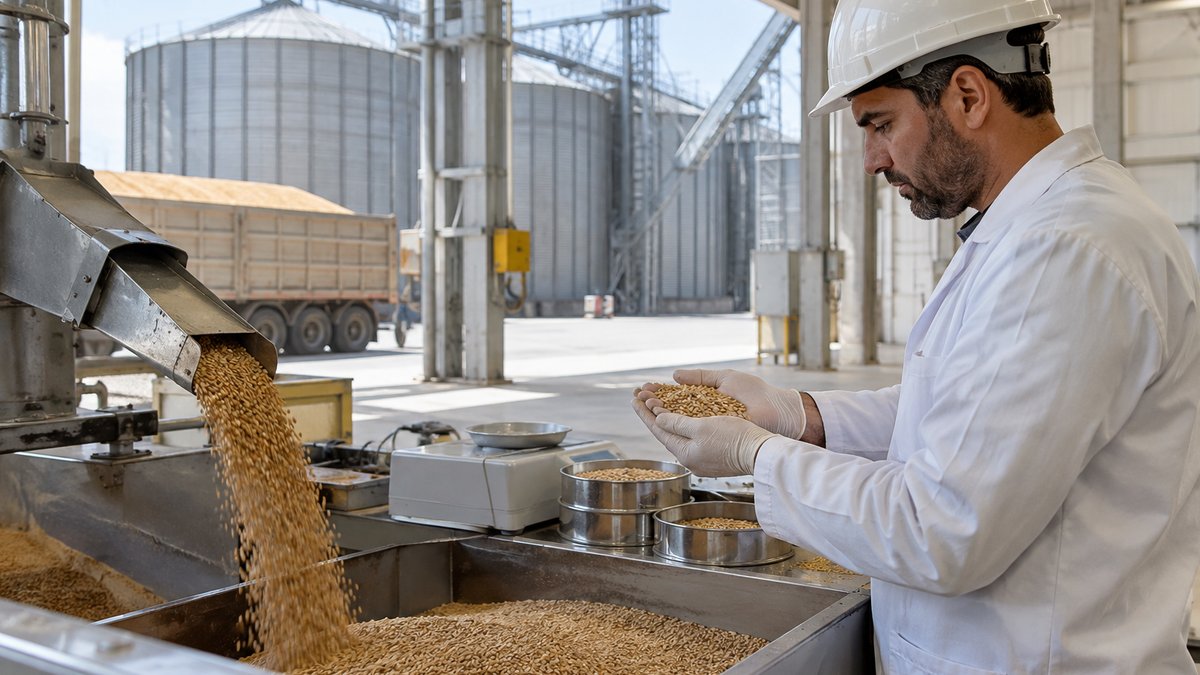
- TMO’s 2 November notice priced imported bread wheat at TRY 18,500 per tonne, excluding VAT and handling, for flour and bulgur mills.
- TMO’s 17 November provisional export tender recorded US$301 to US$307 per tonne FOB for milling wheat, with price varying by loading port.
- The two TMO prices do not represent the same product, currency, delivery basis or buyer arrangement.
- FAO estimated Turkey’s 2026 wheat production at 22.8 million tonnes and its 2026/27 wheat import requirements at 7 million tonnes.
- A reliable month-on-month comparison and a fully matched comparison with other exporting origins are not established by the sources used here.
3. Turkey’s wheat supply and trade position in 2026
Turkey’s 2026 wheat harvest increased domestic supply, while millers and processors continued to underpin cross-border trade. FAO’s country brief, dated 7 September 2026, estimated wheat production at 22.8 million tonnes, about 16 percent above the five-year average. The estimate followed the completion of the winter wheat and barley harvest.
FAO forecast Turkey’s wheat import requirements for the June 2026 to May 2027 marketing year at 7 million tonnes, about 13 percent below the five-year average. The organization also expected imports to rise slightly from the previous year, as millers and processors continued producing flour and pasta for export, particularly to Near Eastern and African markets. These are forecasts, not confirmed purchases or final trade totals.
For exports, FAO preliminarily forecast 4.2 million tonnes of wheat shipments in 2026/27, slightly above the previous year but about 18 percent below the five-year average. The November tender is consistent with the presence of exportable stocks, but one tender does not establish Turkey’s total exports or the price available to other buyers.
The available evidence does not support a current ranking of global wheat-importing countries or Turkey’s individual wheat export destinations. FAO identifies the Near East and Africa as important destination regions for Turkish flour and pasta, which are processed products, not raw wheat. Buyers should not treat that regional statement as a ranking of wheat-import markets.
The supply picture also differs by publication and measure. USDA’s Foreign Agricultural Service report of 15 July 2026 forecast Turkish wheat production at 22.5 million tonnes. FAO’s later September estimate was 22.8 million tonnes. These are dated forecasts or estimates from separate publications, so they should not be averaged into a single production figure.
4. Latest wheat price references for Turkey
4.1 Current Turkish sale and export prices
TMO’s November price notice and its 17 November tender are the most recent dated Turkish wheat price references identified for this report. The domestic price applies to imported bread wheat held in TMO stocks and sold to flour and bulgur factories. The export tender concerns milling wheat sold provisionally for future shipment.
The 9 November Adana Commodity Exchange notice lists TMO purchase prices of TRY 16,750 per tonne for first-class bread wheat, TRY 16,500 for second-class and TRY 15,750 for third-class. These are procurement prices, not current prices offered to importers. The notice helps separate the harvest purchase schedule from TMO’s later sale of stored wheat.
4.2 Comparison with competing exporting origins
The November export tender gives a Turkish FOB reference, but the available sources do not provide a second exporter’s quotation matched to the same grade, date, shipment window and port basis. USDA’s November wheat price chart gives a U.S. hard red winter reference of approximately US$291 per tonne, but the chart’s figure is not a tender for the same Turkish grade or port. Treat the comparison as a broad benchmark, not a like-for-like offer.
The Turkish tender range and U.S. benchmark can help buyers frame a sourcing inquiry, but they cannot identify the lower landed cost without specification and freight details. The TMO figure is provisional and tied to designated Turkish loading ports. The U.S. figure is a market series rather than a named buyer’s contract.
4.3 What the price trend does and does not show
The available November evidence establishes current reference levels, not a consistent weekly or monthly series. TMO’s domestic sale notice does not give an October comparator for the same imported bread wheat terms, and the export tender is a discrete sale rather than a continuous quotation series. It is therefore not possible to quantify a comparable November price movement from these sources.
The export tender covered about 400,000 tonnes and scheduled shipments in two lots: 15 December 2026 to 8 January 2027, and 15 January to 12 February 2027. UkrAgroConsult reported the sale as provisional and noted that the price varied with loading port. That timing and status matter when buyers compare it with offers for immediate shipment.
5. Factors affecting Turkish wheat prices
Turkey’s 2026 harvest, TMO stock sales and export demand shape the domestic and export price references, while grade, location and delivery conditions determine whether a quotation applies to a specific shipment.
5.1 Domestic supply, harvest and stocks
FAO linked Turkey’s above-average 2026 cereal production to abundant seasonal rainfall and estimated the wheat harvest at 22.8 million tonnes. USDA’s July report also described favorable weather and above-average rainfall, while noting that heavy spring rains delayed some harvests and caused quality issues in southern and southeastern areas. A larger crop can increase available supply, but the quality of individual lots still needs inspection.
TMO’s November tender shows that state-held wheat was being released for export after the harvest. TMO’s separate domestic sale notice also opened imported bread wheat stocks to millers. These announcements affect the supply available through particular channels; they do not prove that all grades or locations are equally available.
5.2 Demand from mills and export processors
FAO expected continued demand from Turkish milling and processing businesses producing flour and pasta for export. The organization forecast a slight increase in wheat imports from the previous year despite projecting import requirements below the five-year average. Exporter and buyer inquiries should specify whether the wheat is intended for flour milling, pasta production, feed or another use because those applications may require different quality parameters.
5.3 Trade policy, currency and logistics
TMO’s prices are terms for specific sales, not a general market assessment. The November imported-wheat notice limits eligible buyers to flour and bulgur mills and applies a handling charge. The export tender names loading ports and shipment windows. Buyers should confirm whether a lot remains available, which port applies and whether subsequent charges alter the final payable amount.
Currency also changes how buyers compare Turkish lira prices with dollar-denominated export offers. A currency conversion does not make the prices equivalent because the product origin, sale terms, fees and delivery basis differ. A buyer should use the exchange rate relevant to the quotation date and contract, then compare the same quality and delivery point.
5.4 Weather and competition between origins
Weather affected the 2026 harvest outlook, with rainfall supporting production but heavy spring rain reportedly affecting harvest timing and quality in some regions. Future crop effects are uncertain, so procurement decisions should use current inspection results and supplier availability rather than treating a weather report as a guaranteed price signal.
The USDA U.S. hard red winter benchmark and Turkey’s November tender point to different price references for different wheat and market settings. Buyers should compare protein, moisture, test weight, crop year, inspection terms, loading port and shipment window before deciding that one origin is cheaper.
6. Which markets import the most wheat?
The research used for this update does not establish a current ranked list of the world’s largest wheat importers. FAO’s September Türkiye brief provides a Turkey-specific 2026/27 import forecast of 7 million tonnes, but that is a national import-requirement estimate, not a global ranking or a final customs total.
6.1 Turkey’s expected wheat imports
FAO forecast Turkey’s wheat import requirements at 7 million tonnes for the June 2026 to May 2027 marketing year. The estimate was about 13 percent below the five-year average, while the brief expected imports to increase slightly from the previous year because processing industries continued to need wheat for export-oriented flour and pasta production.
The forecast does not identify final quantities by supplier country or confirm individual purchase orders. Buyers assessing origin availability should use current offers and import rules for their own product and delivery period.
6.2 Turkey’s export destinations and opportunities
FAO identifies Near Eastern and African markets as important destinations for Turkish wheat flour and pasta. These statements concern processed products and do not establish raw wheat export shares by country. The 17 November TMO tender documents a provisional Turkish wheat sale for export, but the report does not establish the final destination of the wheat.
For exporters, the distinction between raw wheat and processed cereal products matters when assessing market demand. A regional outlook for flour and pasta cannot be treated as a confirmed wheat order. Buyers should verify that an offer meets the destination’s product specifications, import rules and shipment schedule.
7. How buyers can source wheat at a competitive delivered cost
A Turkish wheat reference price is only useful when the buyer matches the grade, quantity, shipment window and delivery basis. The 17 November TMO price was FOB and varied by port; the 2 November domestic sale was priced in lira for mills buying imported wheat from TMO stocks. Neither figure alone gives an importer’s landed cost.
- Write down the intended use and specification, including wheat class, protein, moisture, test weight and any agreed quality tolerances.
- Request quotations for the same volume, packaging or bulk arrangement, shipment window and port of destination.
- Identify the quotation basis. FOB covers loading at the named export port; CFR adds ocean freight to the destination port, while CIF also includes insurance.
- Add freight, insurance, port charges, handling, financing and applicable import costs before comparing delivered prices.
- Confirm the seller’s available quantity, inspection method, certificate requirements and quotation validity before making a purchase decision.
FOB, CFR and CIF prices cannot be compared as if they include the same services. For a Turkish FOB offer, the buyer should add the freight and insurance costs needed to reach the destination. For a CFR or CIF quotation, confirm the named destination port and what the seller has included, then account for costs not covered by the quoted term.
Buying consideration: Ask each supplier to quote against the same written specification and delivery basis, then compare the total cost at the destination rather than the headline price alone.
8. What Freshdi wheat demand looks like
No Freshdi buying-request records or platform statistics were supplied for this update, so no claim about current wheat buyer quantities, destinations, specifications or trade terms can be made. National import forecasts and a TMO export tender do not represent Freshdi activity.
The wheat category pages can be used to review supplier listings and buying requests. A listing or request is a starting point for checking product fit; confirm the specific grade, volume, destination, delivery term and timing directly through the information shown on the relevant page.
9. Practical next steps for buyers and suppliers
9.1 For buyers and importers
- Treat TRY 18,500 per tonne as the TMO sale price for imported bread wheat under the 2 November notice, not as a universal Turkish market quote.
- Treat US$301 to US$307 per tonne as the reported provisional FOB tender range for milling wheat sold on 17 November, not as a current offer available to every buyer.
- Check the lot’s grade, specification, loading port, shipment dates and status before comparing it with another origin.
- Request a current quotation with all applicable fees, then calculate landed cost using the intended destination and delivery basis.
- Check applicable import requirements and document details with the relevant authorities and your customs adviser.
9.2 For exporters and suppliers
- State wheat class, grade, crop year, quality parameters, available quantity and loading location in each offer.
- Name the Incoterm and port, quote currency, shipment window and offer validity period.
- Separate procurement prices, domestic stock-sale prices and export quotations in market communications.
- Use current inspection or laboratory results for quality claims and explain any differences between lots.
- Review relevant buying requests and tailor a quotation only when the product and shipment terms match the buyer’s stated need.
10. How Freshdi helps buyers and suppliers connect
Freshdi’s wheat category pages give buyers and suppliers a place to review relevant marketplace listings. Buyers can browse wheat suppliers, while suppliers can review wheat buying requests. The category pages do not replace checks on specification, availability, documentation or shipment terms.
For a broader search across grains and cereals, buyers and suppliers can also use the marketplace’s Grains, Cereal & Legumes category. Match the product and destination requirements before sending or responding to an inquiry.
Buyers and suppliers comparing wheat offers can review relevant marketplace listings and sourcing requests.
View Latest Grains, Cereal & Legumes Buying Requests →View Potential Grains, Cereal & Legumes Suppliers →
11. Conclusion: Turkey wheat market outlook for November 2026
November’s clearest Turkish wheat references are TMO’s imported bread wheat sale at TRY 18,500 per tonne under its 2 November terms and the provisional 17 November milling wheat export tender at US$301 to US$307 per tonne FOB. The figures cover different transactions, and the available evidence does not establish a like-for-like monthly price change.
Turkey’s strong 2026 harvest increased domestic availability, while FAO expected continued wheat needs from processing industries that export flour and pasta. Buyers should confirm the exact lot and delivered cost; suppliers should make grade, port, shipment window and quotation terms explicit.
Freshdi can help readers find wheat suppliers and review relevant buying requests.
Readers comparing Turkish wheat quotations can review suppliers listed for this product.
View Related Suppliers for This Product →
Frequently Asked Questions
What is the latest wheat price in Turkey for November 2026?
Two recent references cover different transactions. TMO’s 2 November notice set imported bread wheat at TRY 18,500 per tonne for flour and bulgur mills, excluding VAT and a TRY 150 per tonne handling charge. On 17 November, TMO provisionally sold milling wheat for export at US$301 to US$307 per tonne FOB, depending on loading port. Neither is a universal price for every wheat grade or buyer.
Did Turkish wheat prices rise or fall in November 2026?
The sources used here do not provide a like-for-like October and November quotation for the same grade and sale basis. TMO’s November domestic sale notice and its export tender describe different products and transaction terms, so they do not establish a comparable month-on-month change.
How does Turkey’s wheat export price compare with other origins?
TMO’s 17 November provisional tender was reported at US$301 to US$307 per tonne FOB. USDA’s November wheat price chart showed a U.S. hard red winter reference of about US$291 per tonne, but that is a different wheat and market series. Buyers should compare exact grade, port, shipment date and delivery basis before drawing a price conclusion.
How much wheat is Turkey expected to import in 2026/27?
FAO’s Türkiye brief dated 7 September 2026 forecast wheat import requirements of 7 million tonnes for the June 2026 to May 2027 marketing year. The estimate was about 13 percent below the five-year average, although FAO expected imports to increase slightly from the previous year as processing industries continued to need wheat.
What should buyers compare when requesting Turkish wheat quotations?
Specify wheat class and quality parameters, quantity, packaging or bulk arrangement, shipment window, loading port and destination. Compare offers on the same delivery basis, then include freight, insurance, handling and other relevant charges in the landed-cost calculation.
Where can buyers find Turkish wheat suppliers or sourcing requests?
Buyers can browse wheat supplier listings, and suppliers can review wheat buying requests on Freshdi. Check the product specification, destination, quantity, delivery terms and timing on each relevant listing before proceeding.
References
1. Turkish Grain Board, reproduced by Izmir Commodity Exchange – Imported Bread Wheat Sale, November 2026, 2 November 2026.
2. UkrAgroConsult – Turkey Provisionally Sells 400 Thousand Tons of Milling Wheat for Export, 17 November 2026.
3. Food and Agriculture Organization of the United Nations – GIEWS Country Brief: Türkiye, 7 September 2026.
4. USDA Foreign Agricultural Service – Türkiye: Grain and Feed Update, 15 July 2026.
5. USDA Foreign Agricultural Service – Grain: World Markets and Trade, November 2026.
6. Adana Commodity Exchange – Daily Transaction Prices, 9 November 2026, 9 November 2026.
Disclaimer: This article is compiled from platform data, public sources and information provided by third parties, for general informational purposes only. We do not guarantee its accuracy or completeness. Prices, volumes and forecasts are indicative, reflect conditions as of 2026-11-23 and may change without notice. This is not financial, investment or trading advice.