
Introduction
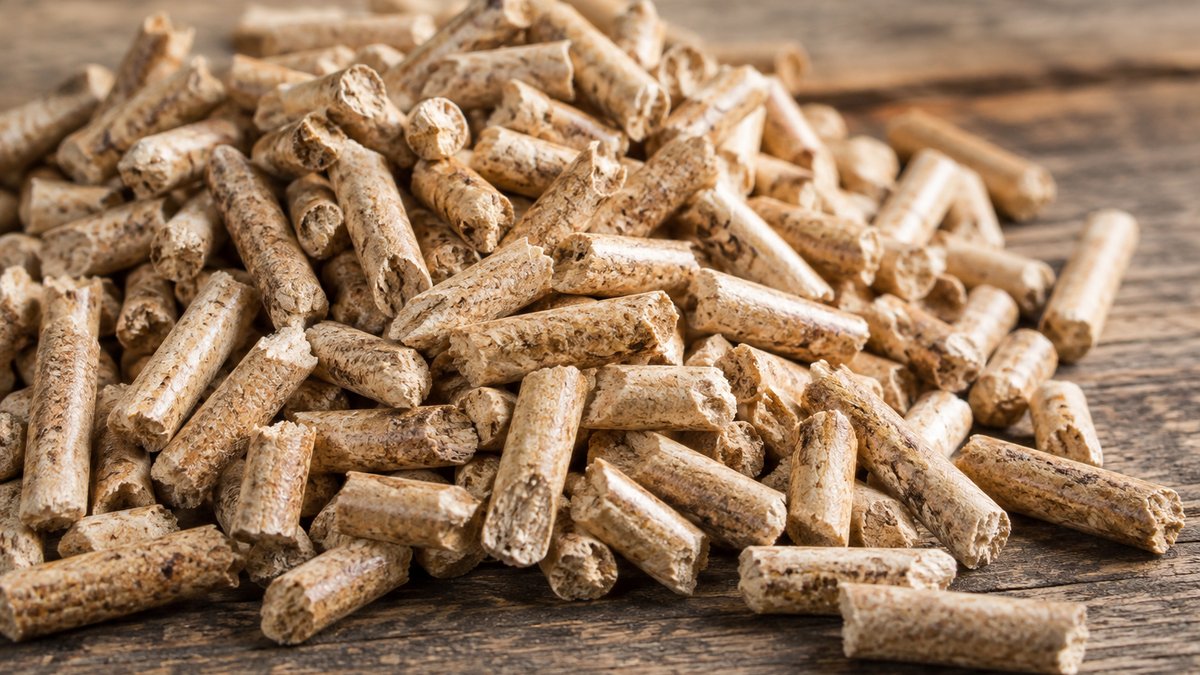
The Netherlands imported wood pellets at an average proxy value of about US$253 per metric tonne in January to March 2026, according to GTAIC's analysis of trade data for HS code 440131. The estimate was 19.05% higher than in the same period of 2025.
This is an import unit value, calculated from reported import value and volume. It is not a current supplier quotation, and the source does not identify an FOB, CFR or CIF basis. The latest period in the cited Netherlands trade analysis ends in March 2026, about eight months before this update's date of November 20, 2026.
Key Takeaways
- GTAIC estimated a Netherlands wood pellet import unit value of about US$253 per metric tonne in January to March 2026, up 19.05% year on year.
- The Netherlands imported US$99.67 million worth of wood pellets, or 393,400 tonnes, in that quarter. Value fell 15% and volume fell 29.38% year on year.
- The import unit value is a customs-trade proxy, not a live export offer. Its price basis and pellet grade are not specified in the reported summary.
- USDA's 2026 report identifies the United States, Canada and Ukraine as major non-EU supply sources for the Netherlands and other importing countries in the region. It also names Brazil, Vietnam, Thailand and Malaysia as more recent sources.
- Buyers should compare grade, certification, shipment size, delivery basis and destination costs before treating two pellet prices as comparable.
1. Wood Pellet Market Overview
The Netherlands is a major industrial wood pellet market in the European Union, and its imports draw on both nearby and overseas supply. USDA's 2026 Wood Pellets Annual identifies the United States, Canada and Ukraine among the main non-EU sources used by importers in the Netherlands, Denmark, Belgium and France. The report also names Brazil, Vietnam, Thailand and Malaysia as more recent supply origins.
Those origins do not form a single interchangeable price pool. Shipping distance, cargo size, pellet specification and the receiving plant's requirements affect whether an offer can be compared with another. A bulk industrial cargo moving to a port has a different cost structure from small bags sold for household heating.
EU demand also competes for wood-based feedstock. USDA's 2026 report says local shortages of woody biomass have encouraged interest in pellets made from other biomass sources, while competition for sawdust affects production. The report expects EU pellet production to be insufficient to meet growing demand, particularly in residential heating. That is an outlook from the report, not a measured Netherlands supply deficit.
For Netherlands sourcing, import statistics give a useful view of the value and quantity entering the market. They do not by themselves reveal current supplier offers, the precise grade mix, or the delivered cost for a particular buyer.
Looking to Source Wood Pellet?
Connect with verified suppliers, discover matching products, and explore sourcing opportunities from global markets.
2. Latest Wood Pellet Import Prices in the Netherlands
2.1 Netherlands import unit value in January to March 2026
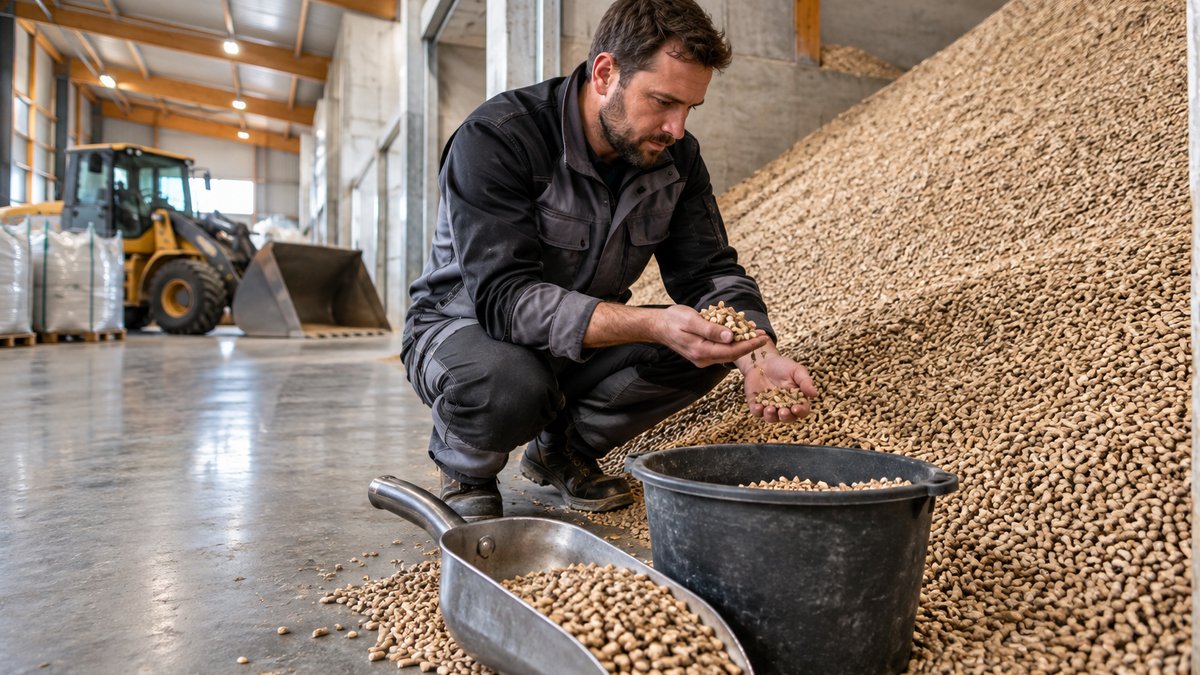
GTAIC reports that the Netherlands imported 393,400 tonnes of wood pellets worth US$99.67 million in January to March 2026. The resulting average proxy value was about US$253 per tonne, 19.05% above the same period a year earlier. The import value declined 15% year on year, while volume fell 29.38%.
The increase in average value alongside lower import volume means the quarterly average rose even as total imports contracted. The report does not establish why the figures moved this way. Changes in supplier mix, product mix or contract timing can affect an average unit value, so the increase should not be read as a like-for-like price rise for every grade.
The source presents a proxy import price from trade values and volumes, not a dated quotation for one pellet grade. It does not state an Incoterm or a delivered destination. Buyers should use the figure as historical market context and request a current, specification-matched quotation before budgeting.
The 2025 annual average and the first-quarter 2026 average are both trade-derived proxies. They cover different time periods, and the quarterly figure should be compared with the same quarter in the previous year, not treated as a full-year result. GTAIC's report says imports in 2025 rose 34.31% by value and 29.56% by volume from 2024.
2.2 Price comparison by exporting origin
The cited open evidence identifies supply origins but does not provide recent, comparable Netherlands import unit values for each origin. A country price ranking would therefore be unsupported. The customs average for all origins cannot show whether one supplier country was cheaper for the same grade, shipment size and delivery basis.
For a valid origin comparison, buyers need quotations for the same pellet use and specification, shipment volume, delivery window and Incoterm. An industrial bulk offer should not be ranked against a household bagged-pellet price.
2.3 Trend and reporting limits
The latest Netherlands import-price period available in the cited trade analysis is January to March 2026. It shows a higher unit value than the first quarter of 2025, alongside lower import value and volume. The figures do not provide a weekly or monthly quote series, so they cannot establish whether prices rose steadily during the quarter or indicate the market level on November 20, 2026.
Buying consideration: Treat US$253 per tonne as a historical import-value reference for the first quarter of 2026. For a purchase decision, obtain a dated offer that specifies grade, moisture and ash limits where relevant, quantity, packaging, loading point, delivery term and validity period.
3. Why Wood Pellet Prices Change
Wood pellet import values can change when the product mix, supplier mix or shipment conditions change. The Netherlands first-quarter 2026 figures show a higher average value per tonne and lower total import volume than a year earlier, but they do not isolate a cause.
3.1 Feedstock and production
Pellet production depends on the availability and cost of suitable wood residues and other approved feedstocks. USDA's 2026 EU report describes competition for sawdust and local woody biomass shortages. If pellet producers compete for less abundant feedstock, their costs and available output can change. The report describes EU-wide conditions and does not quantify a Netherlands-specific cost effect.
3.2 Supply origins and freight
The Netherlands sources pellets from several regions. A buyer comparing an overseas cargo with a European offer must account for shipment size, ocean freight, port handling and inland delivery. Those charges can shift the delivered cost even when the supplier's product price is unchanged.
3.3 Demand and product mix
Industrial users and residential heating customers buy different formats and may require different quality characteristics. A customs average spanning multiple origins and shipments can move when the mix of these products changes. It should not be treated as a market quote for a specific industrial contract or household order.
The available Netherlands figures do not attribute the first-quarter unit-value increase to weather, currency, policy or a particular demand event. Buyers should keep those factors as items to verify in a live offer or current market report, not as confirmed causes of the reported change.
4. Which Countries Import the Most Wood Pellets?
4.1 Major importing markets
The sources cited for this update do not provide a current, consistently defined ranking of the world's largest wood pellet importing countries with comparable volumes. USDA's 2026 report identifies the Netherlands as a primary industrial market in the EU, but that description is not a global import-volume ranking.
GTAIC reports Netherlands imports of 1,722,920 tonnes in 2025 and 393,400 tonnes in January to March 2026. These country figures establish the scale of Dutch imports in those periods; they do not rank the Netherlands against all other markets.
4.2 Netherlands supply destinations and opportunities
For exporters, the USDA report's named supply origins show that Netherlands procurement connects European ports with producers outside the EU. The report's examples include established North American and Ukrainian sources and newer supply from Brazil and parts of Asia. It does not give current market shares or a country-by-country Netherlands import ranking in the cited summary.
This supply picture can help exporters decide which product and logistics details to prepare, but it does not confirm buyer demand for any individual shipment. A forecast or regional supply trend is not a purchase order. Exporters should confirm the destination, specification, volume and delivery window directly against each inquiry.
5. How Buyers Can Source Wood Pellets at a Competitive Price
A competitive offer is the one that meets the buyer's specification at a workable delivered cost. The historical Netherlands import unit value gives context, while supplier quotations provide the details needed to assess a particular purchase.
- Write down the intended use and required pellet grade before requesting offers. State any applicable quality limits and the test or certification documents the receiving facility requires.
- Request the same quantity and packaging from each supplier. A full bulk cargo and a pallet of bagged pellets have different handling and freight costs.
- Ask each supplier to state the currency, loading port, shipment window, quotation date and validity period.
- Compare FOB, CFR and CIF offers only after confirming which costs each term includes and which destination port applies. Include insurance, port charges and inland transport when they are outside the quoted price.
- Check the importer's product, sustainability and documentation requirements for the shipment. Requirements can depend on the end use, origin and applicable rules.
- Confirm available volume and delivery schedule before using a quotation in a production or procurement plan.
The import unit value of about US$253 per tonne in January to March 2026 cannot be used as an FOB benchmark because its trade basis is not specified. It also cannot be converted into a current CIF Netherlands target without current freight, insurance and product details.
Illustrative inquiry format:
Product: Wood pellets, with grade and quality limits specified
Quantity: Required shipment volume and packaging
Destination: Netherlands port or delivery location
Quotation: Currency, Incoterm, loading point, shipment window and validity
Documents: Quality, origin and other documents required by the buyer
This is an illustrative inquiry format. The buyer should set requirements for the actual product and shipment.
Buying consideration: Ask competing suppliers to quote against one written specification and delivery basis. That gives the buyer a more useful cost comparison than placing a live offer beside a historical customs average.
6. What the Latest Demand Looks Like on Freshdi
Freshdi buying requests are individual sourcing inquiries, not a measure of total Netherlands or global demand. Buyers and suppliers reviewing requests should check the product description, requested quantity, destination and trade term stated in each inquiry.
For wood pellet suppliers, the practical test is whether the offered grade, volume and shipment timing match the buyer's stated needs. For importers, requests can help frame a sourcing specification and compare responses, while each supplier's current availability and documentation still need to be confirmed.
7. What Buyers and Suppliers Should Do Next
7.1 For buyers and importers
- Use the January to March 2026 Netherlands unit value as historical context, not as a live quotation.
- Send the same specification and destination basis to suppliers from different origins.
- Compare total delivered cost, including freight and destination charges not included in the offer.
- Confirm the pellet grade, shipment volume, timing and required quality documents before agreeing a contract.
7.2 For exporters and suppliers
- Date each offer and state its currency, product grade, quantity, loading point and Incoterm.
- Describe the available packaging and shipment volume so buyers can compare the offer with their receiving arrangements.
- List only certifications and quality documents that apply to the offered product and can be supplied.
- Check the destination and shipment schedule before preparing a delivered price.
8. How Freshdi Helps Buyers and Suppliers Connect
Buyers can browse wood pellet suppliers and compare product information against their sourcing requirements. Suppliers can review wood pellet buying requests and assess whether the requested quantity, destination and timing fit their offer.
A platform listing or inquiry does not replace checking current availability, product specifications or shipment documents. Buyers and suppliers should assess those details before moving to contract discussions.
Buyers and suppliers ready to compare current product requirements can review the relevant wood pellet listings and requests.
View Latest Energy Chemicals Buying Requests →View Potential Energy Chemicals Suppliers →
9. Netherlands Wood Pellet Market Outlook
The latest Netherlands trade-based price estimate in the cited analysis is about US$253 per tonne for January to March 2026, up 19.05% year on year. Import value and volume were lower than a year earlier, and the trade data does not show the cause or a current quotation for a specific grade.
USDA's 2026 report points to competition for wood feedstock and a mix of established and newer supply origins. Buyers should verify current delivered offers and compare the same specification across suppliers. Exporters should make price basis, grade and shipment details explicit.
Freshdi is a place to review relevant wood pellet suppliers and buying requests as you prepare the next sourcing or sales step.
View Latest Energy Chemicals Buying Requests →View Potential Energy Chemicals Suppliers →
Frequently Asked Questions
What was the latest reported wood pellet import price in the Netherlands?
GTAIC estimated an average import proxy value of about US$253 per metric tonne in January to March 2026. The figure is calculated from reported trade value and volume. It is not a current supplier quotation, and the cited summary does not state an FOB, CFR or CIF basis.
Did Netherlands wood pellet prices rise in early 2026?
The import unit value was 19.05% higher in January to March 2026 than in the same period of 2025, according to GTAIC. In the same comparison, import value fell 15% and import volume fell 29.38%. These figures describe trade averages, not the price change for an identical grade and shipment.
Which countries supply wood pellets to the Netherlands?
USDA's 2026 EU report identifies the United States, Canada and Ukraine as major non-EU supply sources for the Netherlands and nearby markets. It also names Brazil, Vietnam, Thailand and Malaysia as more recent sources. The cited summary does not give current Netherlands import shares by origin.
How should buyers compare wood pellet quotations?
Compare offers for the same grade, quality limits, volume, packaging, delivery window and destination. Confirm whether each offer is FOB, CFR or CIF and add any freight, insurance, port or inland costs that are excluded. A trade-derived import average is not a substitute for a current quotation.
Can suppliers find wood pellet buyers on Freshdi?
Suppliers can review wood pellet buying requests on Freshdi and check whether the requested product, quantity, destination and timing fit their offer. Buyers can also review supplier listings. Availability, specifications and documents should be confirmed for each transaction.
References
1. GTAIC – 2026 Netherlands Wood Pellets Market Report: Short-Term and Long-Term Developments, Trade Potential and Issues, 2026.
2. USDA Foreign Agricultural Service – Wood Pellets Annual: European Union, 2026.
Disclaimer: This article is compiled from platform data, public sources and information provided by third parties, for general informational purposes only. We do not guarantee its accuracy or completeness. Prices, volumes and forecasts are indicative, reflect conditions as of 2026-11-20 and may change without notice. This is not financial, investment or trading advice.