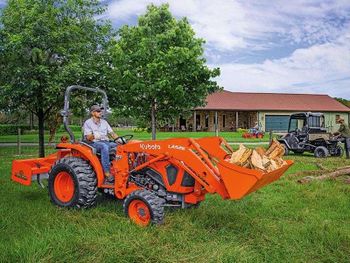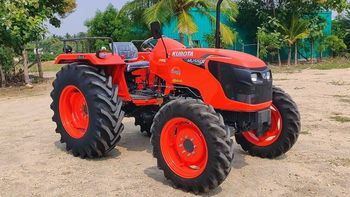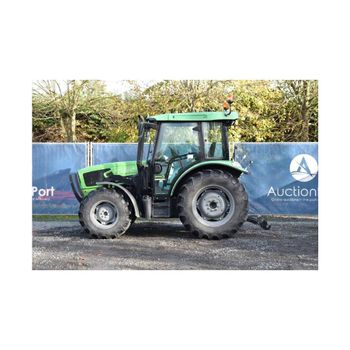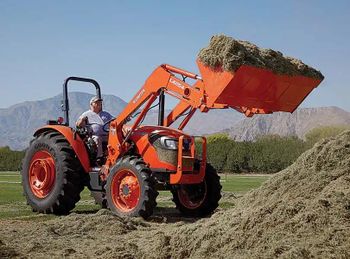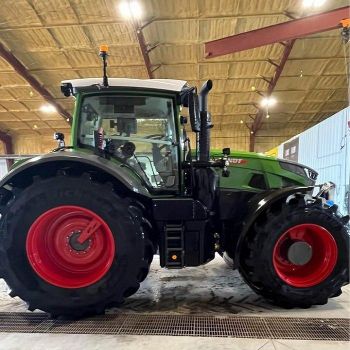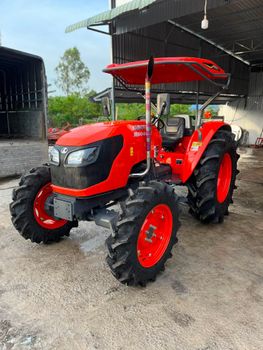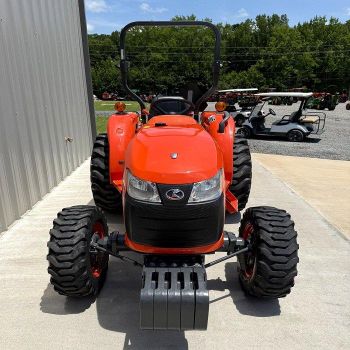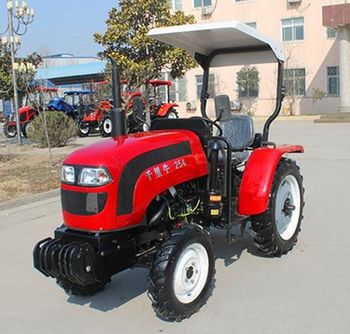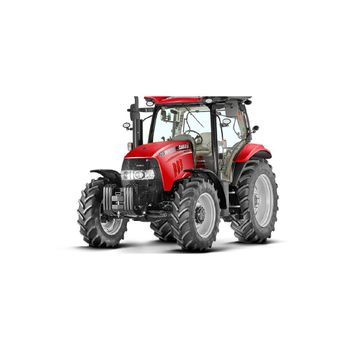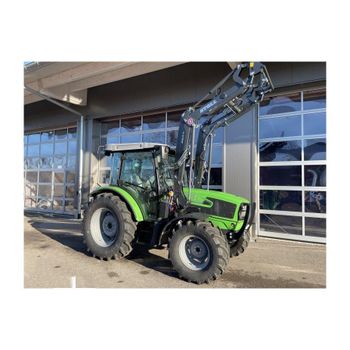
$25,000 - $41,000
Good Price
Min. order: 1 Piece
![]()
$30,000 - $41,500
Good Price
Min. order: 1 Piece
![]()
$20,000 - $29,500
Good Price
Min. order: 1 Piece
![]()
$30,000 - $41,000
Good Price
Min. order: 1 Piece
![]()
$15,000 - $17,500
Good Price
Min. order: 1 Piece
![]()
$20,000 - $30,000
Good Price
Min. order: 1 Piece
![]()
$30,000 - $41,500
Good Price
Min. order: 1 Piece
![]()
$21,000 - $21,550
Good Price
Min. order: 1 Piece
![]()
$11,700 - $11,900
Good Price
Min. order: 1 Piece
![]()
$20,500 - $21,500
Good Price
Min. order: 1 Piece
![]()
Agricultural tractor wheels are specialized tires designed for heavy-duty farming tasks, typically featuring durable tread patterns, high load capacity, and resistance to mud and abrasion—key attributes that ensure performance in varied soil conditions. Conceptually, these wheels are categorized by size, tread type (e.g., deep treads for off-road use), and axle configuration, with tread design directly influencing traction and soil compaction; this structure helps buyers match wheel specs to specific farm activities. Procedurally, to source them effectively on a B2B site, filter by “agricultural tractor wheels,” check product specs like load rating and tread depth, and compare supplier ratings—examples include selecting a 12-inch wide wheel with a deep lug tread for row-crop operations or a 16-inch model with reinforced sidewalls for heavy hauling. To verify, always ask suppliers for load capacity ratings under real-world conditions and confirm if they offer field testing or warranty coverage—examples include requesting a load test report for a 10,000-lb capacity wheel and verifying if they provide a 12-month warranty on tread wear.
Buyers on Freshdi typically look for agricultural tractor wheels from suppliers with at least 10 years of operation and proven export experience in key regions like the U.S. and India, where reliability and durability are critical. Common trust signals include ISO 9001 certification for quality management, ISO 14001 for environmental standards, and compliance with AGCO or John Deere technical specifications, which validate product performance. Trade terms commonly used include FOB Shanghai (China) and FOB Port of Houston (U.S.), with payment terms often set at 30% advance payment and 70% against bill of lading, ensuring secure and transparent transactions.
Agricultural tractor wheels are essential components that support tractor performance on various terrains, including soil, mud, and compacted fields; common subcategories include steel, all-terrain, and mud-resistant wheels. These wheels are widely used in agriculture, construction, and land development industries, especially in large-scale farming operations requiring durability and traction. A farm manager in the Midwest, managing a 500-acre corn and soybean operation, may search for heavy-duty wheels to reduce soil compaction and improve field efficiency during planting and harvesting. A commercial farm equipment operator in the Southeast, responsible for maintaining a fleet of tractors used in row crop and pasture work, might look for durable, all-terrain wheels to handle uneven ground and high loads—both scenarios where reliable suppliers like Freshdi offer access to a curated list of verified B2B suppliers.
Major import markets for agricultural tractor wheels include India, Southeast Asia, and the Middle East, where demand is driven by large-scale farming operations. Commonly exported variants include steel alloy wheels (trade name: "heavy-duty steel tractor wheels"), cast iron wheels (trade name: "cast iron agricultural wheels"), and composite-reinforced wheels (trade name: "composite tractor wheels"), with suppliers typically listing material composition (e.g., steel, cast iron, composite), diameter (e.g., 12–18 inches), and load capacity (e.g., 1,500–3,000 kg). Steel alloy wheels are most prevalent in India and Southeast Asia due to cost efficiency and durability, while cast iron wheels are preferred in the Middle East for their resistance to wear in harsh conditions. Composite-reinforced wheels, though less common, are gaining traction in South America for their lightweight and corrosion resistance. These variants are consistently listed in B2B supplier catalogs on Freshdi, with verified supplier data confirming material, size, and regional demand patterns—ensuring transparency and product reliability.
You may like
You may like