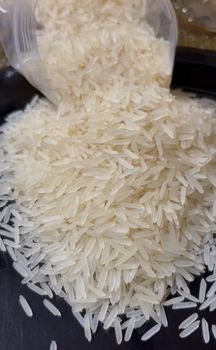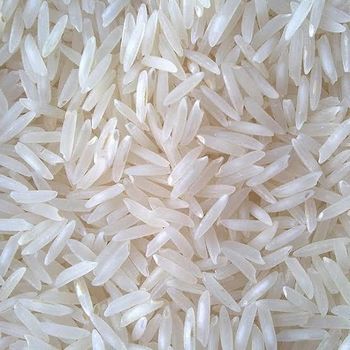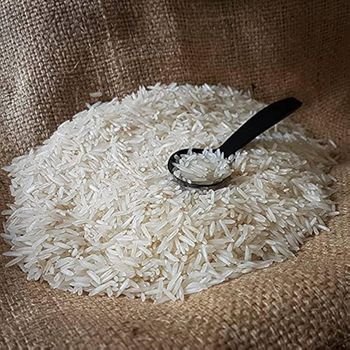
$2,600
Min. order: 3 20-foot Container
![]()
India is the world's leading exporter of Sella Basmati Rice, supplying over 20 million metric tons annually and dominating the global wholesale market. Pakistan and the United States are key players, with Pakistan known for premium Basmati varieties and the U.S. for high-quality, long-grain exports. These nations serve as critical hubs for B2B buyers seeking reliable, high-volume rice supply chains. The global trend shows increasing demand for organic and non-GMO Basmati rice, especially in Europe and North America. Buyers can access bulk export options through platforms like Freshdi.com.
The standard MOQ for wholesale Sella Basmati Rice is 1 metric ton (approx. 2,205 lbs) for commercial orders, enabling bulk supplier efficiency and optimized shipping costs. Larger distributors or food service buyers may require 2–5 metric tons for long-term contracts. Smaller buyers, such as retail chains or local restaurants, can often negotiate lower MOQs (e.g., 500 kg) through direct manufacturer partnerships. For private label or branded packaging, MOQs start at 1,000 kg to cover custom labeling and quality control costs. Always verify with suppliers—some offer flexible tiers for new commercial clients.
To buy wholesale Sella Basmati Rice, start by identifying verified manufacturers with ISO 22000 and FSSC 22000 certifications for food safety and import compliance. Use B2B platforms like Freshdi.com to compare suppliers, verify their production standards, and request samples to confirm grain length, aroma, and moisture content. Negotiate bulk pricing with clear shipping terms such as FOB or CIF, and ensure payment via Trade Assurance or Letters of Credit for security. Always confirm packaging specifications (e.g., 25kg sacks) and storage requirements to maintain quality during transit. Focus on bulk sourcing from trusted producers in India or Pakistan to meet commercial demand efficiently.
To find reliable Sella Basmati Rice suppliers, use trusted B2B platforms like Alibaba, Global Sources, and Freshdi.com to access direct manufacturers. Prioritize suppliers with ISO 22000, HACCP, and APEDA certifications to ensure food safety and quality compliance. Key attributes to verify include grain length, aroma, moisture content, and foreign material levels. Always request product samples and conduct factory audits to assess production standards. Secure transactions via Letters of Credit or Trade Assurance for wholesale safety. Check export history, reputation, and customer reviews to confirm consistency. A reliable sourcing process includes verifying certifications, testing samples, and ensuring compliance with international rice quality standards.
You may like
You may like