
Introduction
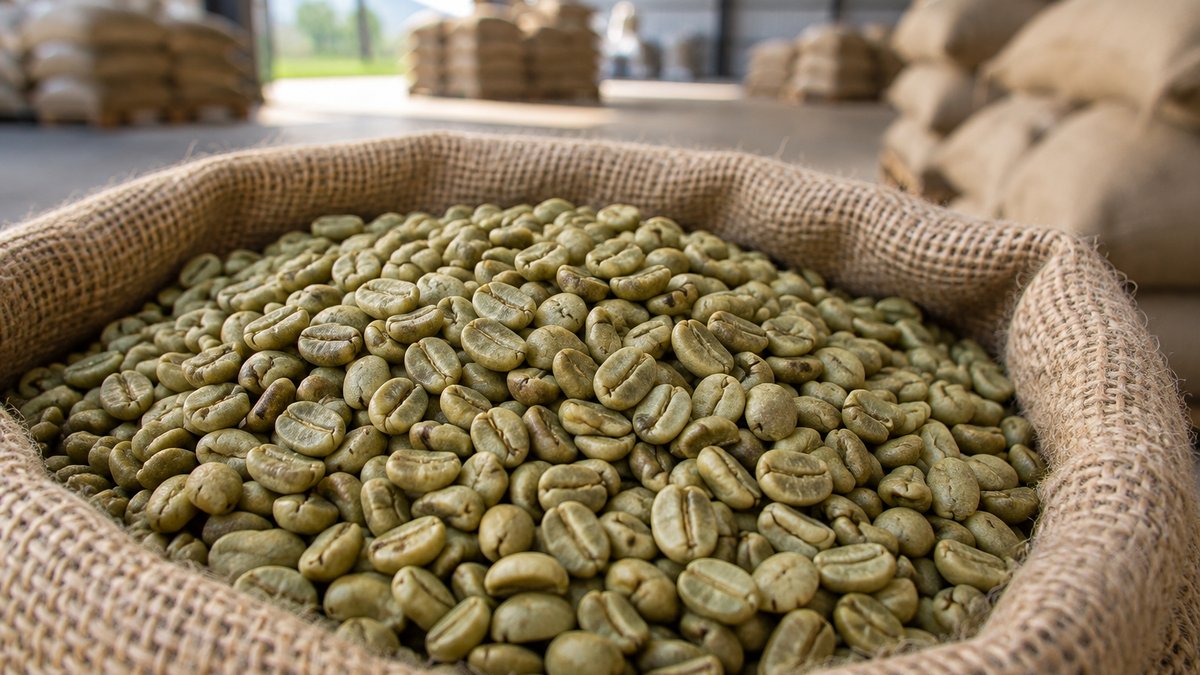
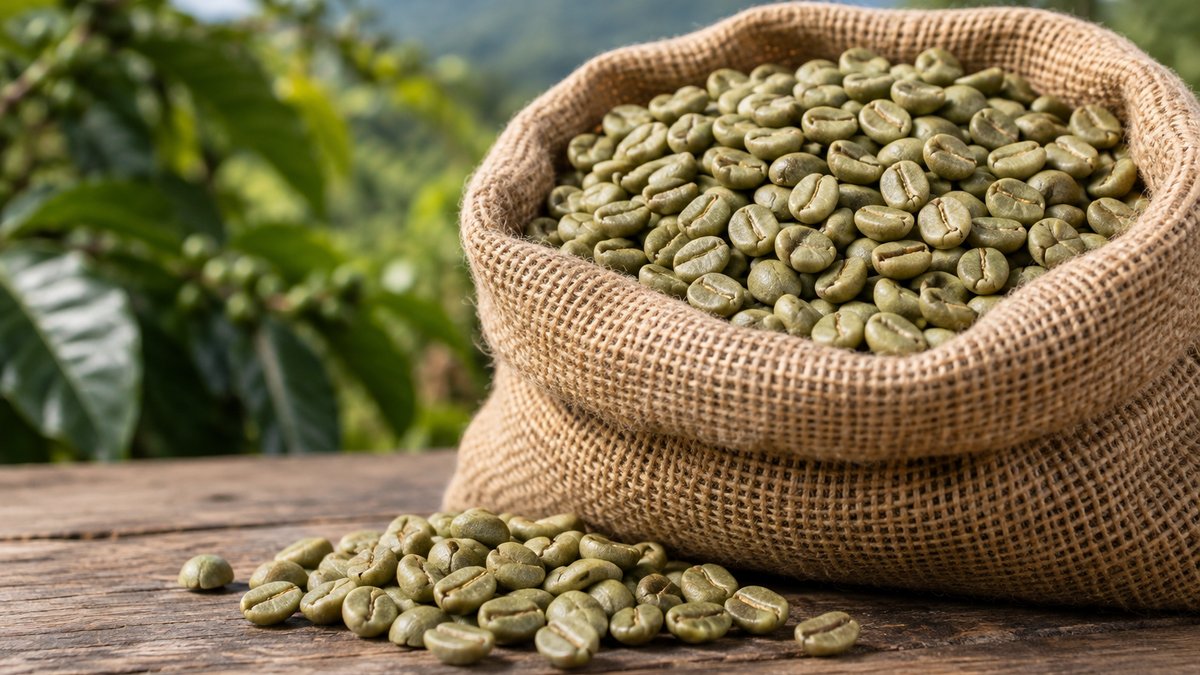
The latest dated Australian import transactions identified for washed Arabica green coffee were recorded from May to August 2026. The most recent sampled transaction, dated 25 August, was reported at US$7.81 per kilogram. It is a transaction-level price signal, not a live supplier quotation or a published national average.
This update uses August 2026 as its Australian price period and includes the International Coffee Organization's October 2026 global indicator prices as newer market context. Transaction terms and full lot specifications are not stated for the Australian sample, so buyers should not treat those observations as directly comparable offers.
Key Takeaways
- The latest sampled Australian washed Arabica green coffee import transaction was US$7.81/kg on 25 August 2026; the source does not state its delivery basis or full lot specification.
- Five sampled Australian washed Arabica transactions dated 7 May to 25 August 2026 ranged from US$6.35 to US$8.55/kg. The small, mixed sample is not a national price series.
- In October 2026, ICO group indicator averages rose month on month for Brazilian Naturals, Colombian Milds and Other Milds, while the overall ICO Composite Indicator Price edged down 0.3%.
- Australia imported 111.836 million kg of unroasted, non-decaffeinated coffee under HS 090111 in 2025, according to UN Comtrade data presented by WITS. This customs category does not identify Arabica separately.
- Buyers should compare the same coffee type, grade, quantity, shipment period and delivery basis, then calculate landed cost for the Australian destination.
1. Australia's Arabica market follows global prices, but local costs differ
Australian importers source green coffee from producing countries, while the price paid in Australia also reflects the lot, origin, freight, insurance, currency and delivery terms. A global indicator helps track market direction; it does not set the price of a specific Australian-bound Arabica lot.
The International Coffee Organization (ICO) reported that its Composite Indicator Price averaged 261.26 US cents per pound in October 2026, down 0.3% from September. Within the same October reporting period, ICO group indicator averages increased for Brazilian Naturals, Colombian Milds and Other Milds. Those global indicators give market context, not Australian landed prices.
Australia's 2025 import data offers a view of supply flows rather than current quotations. WITS, using UN Comtrade data, reports 111.836 million kg of unroasted, non-decaffeinated coffee imports worth US$798.8 million under HS 090111. That customs classification does not separate Arabica from other coffee types or identify grades and contract terms.
Brazil, Colombia, Papua New Guinea, Vietnam and Honduras were among Australia's leading reported suppliers by import value in 2025. These trade flows show the range of origins serving the market; they do not establish current demand, a particular grade's price, or a confirmed order.
Looking to Source Arabica Coffee?
Connect with verified suppliers, discover matching products, and explore sourcing opportunities from global markets.
2. Latest Arabica coffee prices for Australia
2.1 Australian sampled import prices
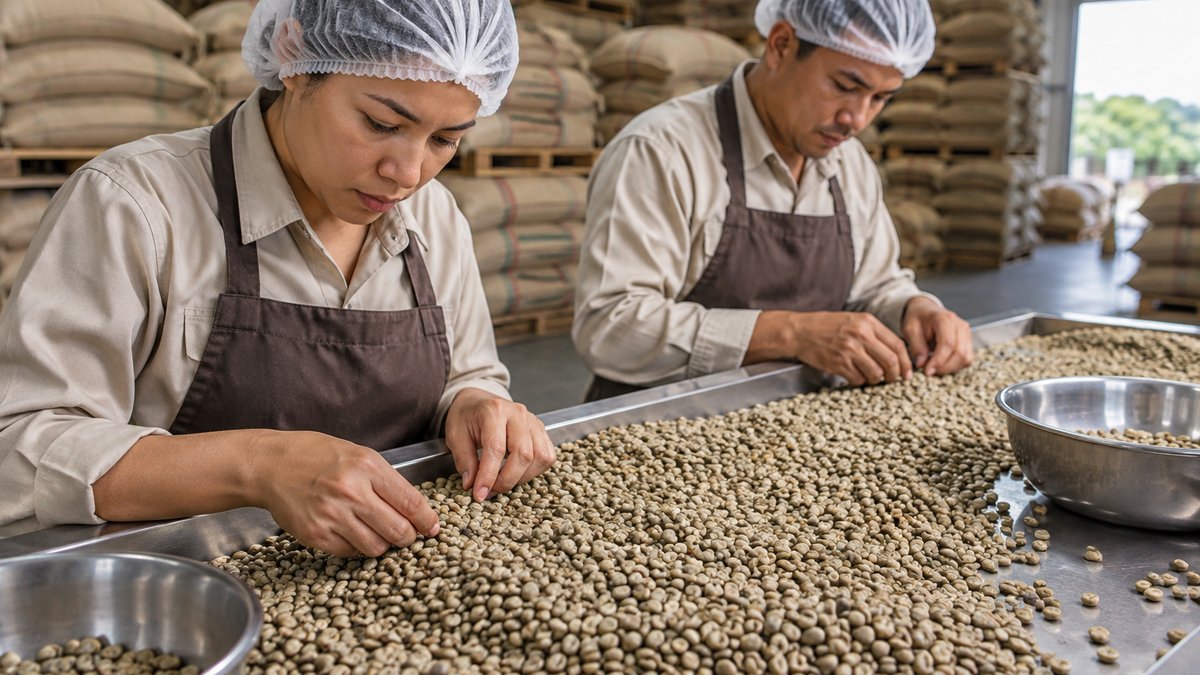
The latest dated Australian price observation found for washed Arabica green coffee was US$7.81/kg on 25 August 2026, in Tridge's sample of five import transactions. The same page lists observations of US$8.55/kg on 30 June and US$6.35/kg on 7 May and 8 May. The source does not state the delivery basis or full lot specifications for these observations.
Tridge's five sampled transaction prices ranged from US$6.35 to US$8.55/kg between 7 May and 25 August 2026. The observations cover different transaction dates, and the page does not establish that the lots shared the same origin, grade, volume or Incoterm. The range therefore describes that sample, not a like-for-like price band for Australian Arabica imports.
The latest observation is dated 25 August 2026, around eleven weeks before this update's 15 November 2026 writing date. Buyers seeking a current offer should request a newly dated quotation and confirm its validity period, specification and delivery basis.
2.2 Comparison with other exporting origins
The available Australian Arabica transaction observations do not provide a consistent, specification-matched comparison by exporting origin. WITS reports import values and quantities by country for 2025 under HS 090111, but that code covers unroasted, non-decaffeinated coffee rather than Arabica alone. Its country-level unit values would mix product types and qualities, so they should not be presented as comparable Arabica quotations.
For origin comparisons, buyers can request offers against one shared specification and shipment basis. Compare the same processing method, grade, screen size or other agreed quality measures, moisture limit, quantity, packaging and delivery point. If a supplier quotes FOB, compare it with other FOB offers before adding freight and insurance separately.
2.3 Price direction and reporting periods
The Australian transaction sample is too small and varied to establish a reliable month-on-month Arabica price trend. It provides dated observations, but not enough information to show that changes reflect the same grade or contract basis.
The newer global reference is the ICO's October 2026 report. The Brazilian Naturals group indicator averaged 294.49 US cents/lb, up 1.5% from September; Colombian Milds averaged 337.85 US cents/lb, up 0.5%; and Other Milds averaged 334.99 US cents/lb, up 1.7%. The ICO Composite Indicator Price averaged 261.26 US cents/lb, down 0.3% over the same monthly comparison. These are global indicator prices for coffee groups, not Australian import offers.
The distinction matters when budgeting. A global indicator may move while Australian shipment costs, currency conversion, origin differentials and a buyer's chosen quality keep the delivered offer from moving by the same amount.
3. Why Arabica coffee prices are changing
Arabica prices respond to the supply and demand outlook for particular origins and qualities. The ICO's October 2026 report recorded different month-on-month movements across its Arabica groups, while its overall composite indicator moved slightly lower. That divergence cautions against using a single blended index to price every Arabica lot.
Harvest timing and crop expectations can affect how much coffee is available for shipment. Buyers comparing offers should ask whether a lot is current crop or carryover, when it can be shipped, and whether the quoted quantity is physically available. No specific Australian shipment or supplier availability follows from a global price indicator.
Import demand can also change by market and by grade. Australia's 2025 customs data shows substantial unroasted coffee imports, but annual totals do not reveal current buying intentions or demand for a particular Arabica origin. A buyer should distinguish recorded imports from forecasts, tender notices and confirmed orders.
Currency and logistics affect the Australian buyer's final cost. A USD-denominated quote can change in Australian-dollar terms as exchange rates move, while freight, insurance, port charges and shipment timing add costs beyond the coffee price. Ask each supplier to state the quotation currency, Incoterm, named place and validity date.
Weather and policy developments matter when a reliable source connects them to a specific crop, shipment or market change. The sources used for this snapshot do not establish a particular weather event or Australian policy change as the cause of the May-to-August transaction-price range. Buyers should verify current crop and import information before attributing a price movement to either factor.
4. Which countries import and supply the most coffee?
4.1 Major importing markets
The ICO's October 2026 Coffee Market Report provides recent global coffee trade and price context, while the 2025 UN Comtrade data shown by WITS describes Australia's import flows. The sources reviewed here do not provide a current, comparable ranking of the world's largest importing countries with a matching Arabica-only volume basis. A global ranking should not be inferred from Australia's data or from the ICO's price indicators.
For Australian Arabica sellers, a destination's total coffee imports are only a starting point. Import volumes can combine roasted and unroasted products, Arabica and Robusta, and different grades. Confirm the tariff classification and product scope before using a country ranking to estimate demand for a specific green Arabica offer.
4.2 Australia's reported supply origins
WITS reports Australia's 2025 imports under HS 090111 from several origins, including Brazil, Colombia, Papua New Guinea, Vietnam and Honduras. The code covers unroasted, non-decaffeinated coffee, and the figures are annual customs trade data. They do not identify Arabica share, current market share or buyer interest in a specific grade.
Country-level import figures can help suppliers identify origins already present in Australian trade flows. They cannot confirm that a buyer is seeking coffee from a given country. Suppliers still need to check the buyer's stated origin preferences, product requirements and shipment schedule.
4.3 How exporters can assess market opportunities
A market opportunity is stronger when import statistics, applicable entry requirements and a buyer's stated specification point in the same direction. Historical trade data can identify a destination with established coffee imports; a forecast describes an expected outcome; a buying request records a stated need. Keep these evidence types separate when planning an offer.
Exporters considering Australia should verify the current import conditions for their product and processing method, then prepare a quotation that names the origin, grade, available volume, shipment window and delivery basis. A market-level import figure is not evidence of a specific buyer order.
5. How buyers can compare Australian Arabica offers
Buyers should compare landed cost for matching specifications rather than selecting an offer by its headline price per kilogram. The August transaction observations do not disclose enough information to calculate a landed cost or establish that any one observation is the lowest-cost suitable lot.
- Write one specification for all suppliers, including origin preference, washed or natural processing, grade, agreed quality tolerances, quantity and packaging.
- Ask for a dated quotation with currency, Incoterm and named place, shipment window and quotation validity.
- Compare offers on the same basis. For FOB offers, add freight, insurance and destination charges; for CFR or CIF offers, check exactly which costs and risks the named term includes.
- Confirm the import requirements and documents that apply to the product, origin and processing method with the relevant Australian authorities.
- Check whether the supplier can provide the requested volume and shipment schedule, and agree how samples, inspection and quality claims will be handled.
Buying consideration: A buyer comparing a US-dollar price per kilogram with another offer should first align the coffee specification and delivery point. Then convert currencies using a stated rate and date, add any excluded logistics charges, and compare the resulting cost for the same shipment quantity.
Buyers who have set their grade and shipment requirements can review relevant coffee suppliers and current buying requests on Freshdi.
View Latest Coffee & Coffee Bean Buying Requests →View Potential Coffee & Coffee Bean Suppliers →
6. What does the latest demand look like on Freshdi?
Freshdi's coffee categories provide a place to review buying requests and supplier listings. No dated Freshdi request statistics or individual buying-request records are included for this update, so it cannot report request counts, buyer destinations, quantities or the most requested Arabica specifications.
A listing or request is a platform observation, not a measure of Australia's total coffee demand. Buyers and suppliers should read each current request for its stated product, quantity, destination and terms before treating it as relevant to a particular shipment.
7. What buyers and suppliers should do next
7.1 For buyers and importers
- Request current offers from more than one origin against the same written Arabica specification.
- Ask suppliers to state grade, processing method, quantity, crop information, packaging, loading point, Incoterm and quotation validity.
- Compare total landed cost and shipment timing, rather than treating a sampled import transaction or global indicator as a firm offer.
- Check Australian import conditions and required documentation for the specific product and origin before placing an order.
7.2 For exporters and suppliers
- Keep offers current and state the date, currency, grade, processing method, available quantity and shipment window.
- Name the loading point and delivery basis, and explain which logistics costs are included in the quotation.
- Provide specifications and supporting documents that match the product offered; do not imply that a broad coffee indicator is a quote for a specific lot.
- Review relevant buyer requests and tailor a quotation to the stated destination and requirements.
8. How Freshdi helps coffee buyers and suppliers connect
Freshdi's coffee categories let buyers review supplier listings and let suppliers review buying requests. The platform is a discovery point; the buyer and supplier still need to confirm the product, quantity, quality documents, quotation terms and shipment details directly through their commercial process.
Buyers can browse Arabica coffee suppliers and Arabica coffee buying requests. A listing does not guarantee stock, a particular certification or a completed transaction.
Once the product specification is ready, buyers and suppliers can check Freshdi's Arabica coffee categories for relevant listings and requests.
View Latest Coffee & Coffee Bean Buying Requests →View Potential Coffee & Coffee Bean Suppliers →
9. Australia Arabica coffee market outlook
The latest sampled Australian washed Arabica green coffee import observation identified for this update was US$7.81/kg on 25 August 2026. That transaction-level figure is the newest dated local price signal found, but its basis and full lot specification are not stated. The ICO's October 2026 indicators show varied movements among coffee groups rather than one uniform Arabica direction.
Buyers should use the local transaction observations as dated context and request current, specification-matched offers before budgeting. Exporters should make their origin, grade, shipment availability and quotation basis clear. Freshdi can be used to review relevant coffee suppliers and buying requests.
Buyers comparing current Arabica offers can review related suppliers on Freshdi.
View Related Suppliers for This Product →
10. Sources and data scope
The Australian price observations are sampled import transactions for washed Arabica green coffee listed by Tridge, dated 7 May to 25 August 2026. Tridge does not state the delivery basis or full specifications in the cited page. The global indicator figures refer to the ICO's October 2026 reporting period and are not Australian offers.
Australian import totals refer to 2025 UN Comtrade data presented by WITS for HS 090111, unroasted, non-decaffeinated coffee. The classification does not isolate Arabica. The article does not treat those customs values as current supplier quotations or like-for-like origin prices.
Frequently Asked Questions
What was the latest sampled Arabica coffee import price in Australia?
Tridge lists a sampled washed Arabica green coffee import transaction in Australia at US$7.81/kg on 25 August 2026. The page does not state the transaction's delivery basis or full lot specification, so the figure is a dated market observation, not a current supplier quotation.
Why do Australian Arabica prices differ by origin?
Origin is only one part of the price. Grade, processing method, quality, available volume, shipment timing, freight, insurance, currency and delivery terms can also differ. Compare offers only after aligning the specification and quotation basis.
What moved coffee prices in October 2026?
The ICO reported different month-on-month movements across coffee groups in October 2026: its Brazilian Naturals, Colombian Milds and Other Milds indicator averages rose, while the overall Composite Indicator Price fell 0.3% from September. Those global indicators do not explain the price of every Australian-bound lot.
Which countries supplied Australia's unroasted coffee imports?
WITS, using UN Comtrade data, lists Brazil, Colombia, Papua New Guinea, Vietnam and Honduras among Australia's leading reported suppliers by import value under HS 090111 in 2025. That classification covers unroasted, non-decaffeinated coffee and does not separate Arabica from other coffee types.
How should buyers compare FOB, CFR and CIF coffee quotations?
Compare offers with the same named destination and product specification. FOB generally leaves the buyer to arrange the main carriage and insurance, while CFR and CIF include carriage to the named destination port, with CIF also including seller-arranged insurance under the applicable Incoterms rules. Confirm the exact named place, costs and responsibilities in each contract, then calculate landed cost.
Where can buyers find Arabica coffee suppliers on Freshdi?
Buyers can review Arabica coffee supplier listings on Freshdi and compare the stated product details with their requirements. Check each listing and confirm current availability, specifications and commercial terms with the supplier.
References
1. International Coffee Organization – Coffee Market Report, October 2026, October 2026.
2. International Coffee Organization – ICO Indicator Prices, October 2026, October 2026.
3. Tridge – Washed Arabica Green Coffee Bean (AB) Australia Suppliers, Trade & Prices: Market Overview 2026, 2026.
4. World Bank WITS, using UN Comtrade data – Australia Coffee, Not Roasted or Decaffeinated Imports by Country, 2025, 2025.
Disclaimer: This article is compiled from platform data, public sources and information provided by third parties, for general informational purposes only. We do not guarantee its accuracy or completeness. Prices, volumes and forecasts are indicative, reflect conditions as of 2026-11-15 and may change without notice. This is not financial, investment or trading advice.