
Introduction
The latest complete monthly benchmark available for this update is the International Coffee Organization’s October 2026 indicator-price series. Its Arabica group averages ranged from 294.49 to 337.85 US cents per pound, with all three groups higher than in September.
These are international green-coffee indicator prices, not U.S. import offers or delivered prices. The update covers October 2026 price data and the United States as the destination market; buyers still need a current supplier quotation matched to their grade, shipment, and delivery terms.
Key Takeaways
- The ICO’s October 2026 average for Colombian Milds was 337.85 US cents per pound, up 0.5% from September; Brazilian Naturals averaged 294.49 cents per pound, up 1.5%.
- The ICO’s October 2026 average for Other Milds was 334.99 US cents per pound, up 1.7% from September. These indicator groups are not identical commercial grades.
- The ICO Composite Indicator Price averaged 261.26 US cents per pound in October 2026, down 0.3% from September, as Robusta prices fell while Arabica group averages rose.
- USDA’s July 2026 coffee estimates put U.S. bean imports at 23.1 million 60-kilogram bags for 2025/26 and 24.5 million bags for 2026/27; the latter is an estimate, not a final import result.
- An ICO indicator or exchange benchmark is not a delivered U.S. price. Compare written quotations on the same grade, quantity, shipment period, and Incoterm, then calculate landed cost.
1. Coffee Supply, Demand and the U.S. Market
The United States relies on imports for virtually all of its coffee supply. USDA’s Economic Research Service says the country grows only small quantities of coffee in Hawaii; imported coffee supplies nearly all other U.S. needs. That makes origin, shipment timing, and the form of coffee being imported important to U.S. buyers.
USDA’s July 2026 coffee estimates put U.S. bean imports at 23.1 million 60-kilogram bags for marketing year 2025/26 and 24.5 million bags for 2026/27. The 2026/27 figure is a forecast. The same USDA table estimates global bean imports of 118.641 million bags in 2025/26 and 126.5 million in 2026/27.
In USDA’s July 2026 estimate for 2026/27 bean imports, the European Union leads at 50 million 60-kilogram bags, followed by the United States at 24.5 million. Japan is estimated at 6.2 million bags, while China and Russia are each estimated at 4 million. These figures cover bean imports, not only Arabica or green coffee delivered to a particular buyer.
Brazil and Colombia are important origins for U.S. coffee sourcing. A USDA Foreign Agricultural Service Brazil report published in 2026 identifies Brazil as the largest traditional source of U.S. coffee imports and gives approximate source shares of 32% for Brazil, 20% for Colombia, 8% for Vietnam, and 7% for Honduras. Those shares describe the report’s import-market context; they do not establish the origin mix for every Arabica grade or individual shipment.
Recent trade volumes also show why a monthly price indicator needs context. The ICO reported that global green-bean exports reached 10.19 million 60-kilogram bags in September 2026, 5.8% more than in September 2025. That is a global export figure across coffee types, not a measure of U.S. Arabica orders.
Looking to Source Arabica Coffee?
Connect with verified suppliers, discover matching products, and explore sourcing opportunities from global markets.
2. Latest Arabica Coffee Prices for the United States
2.1 October 2026 Arabica indicator prices
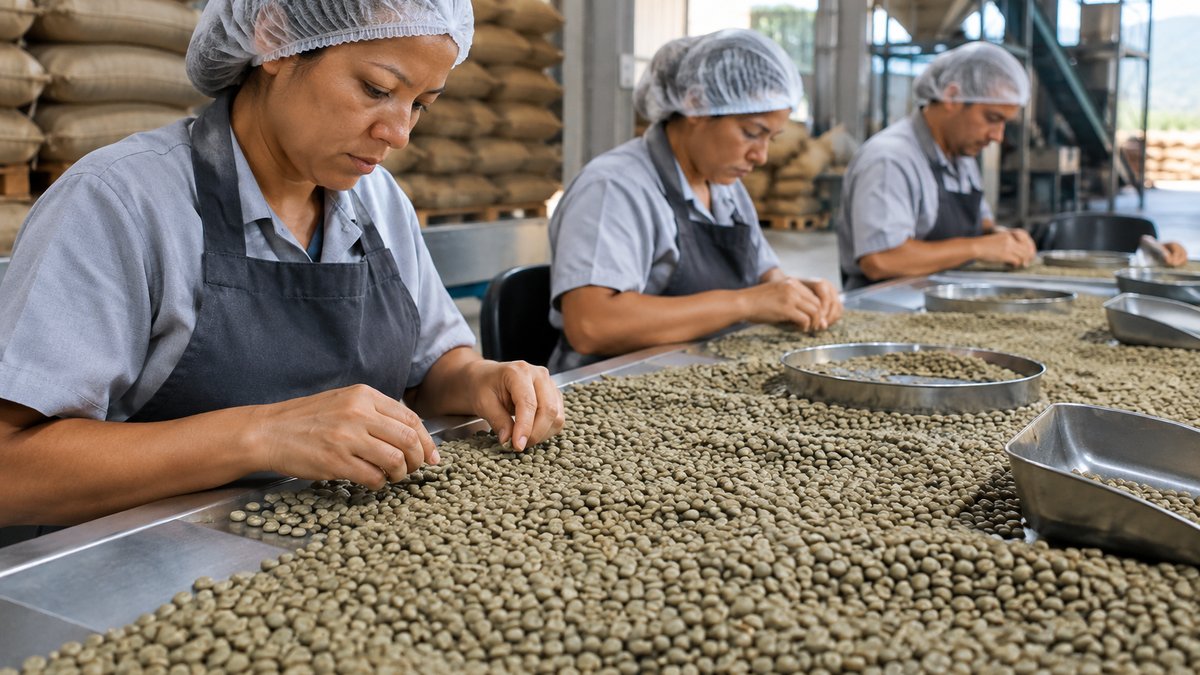
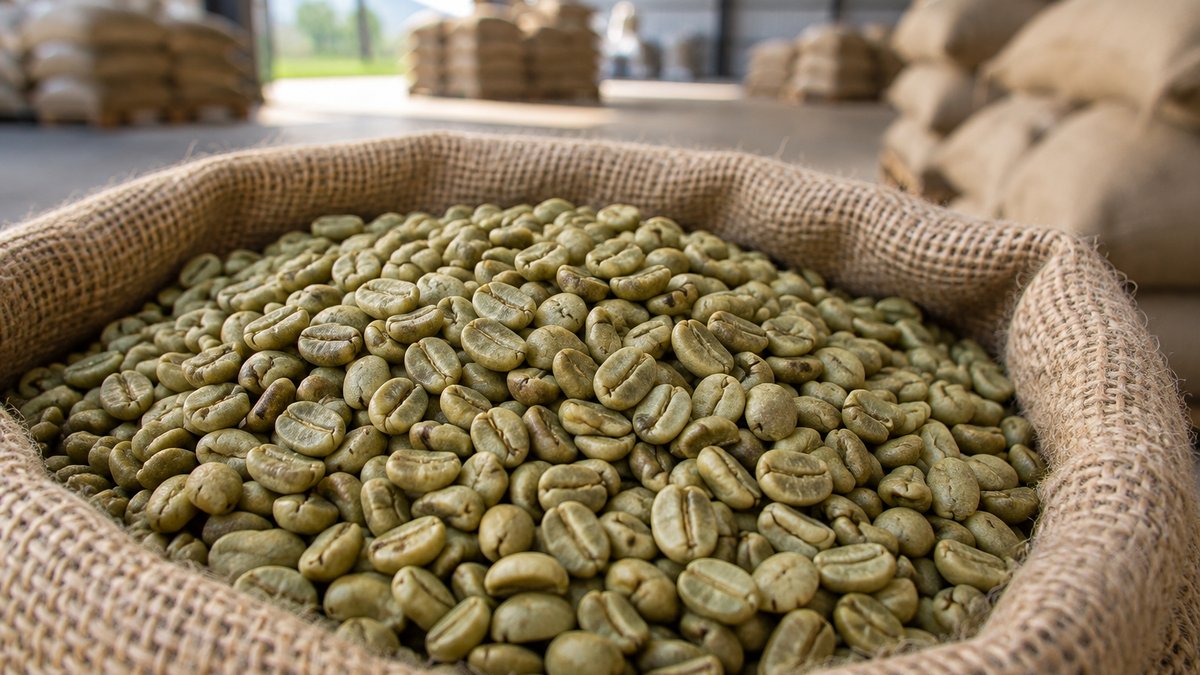
The latest comparable monthly origin-group averages in the ICO’s October 2026 Coffee Market Report were 294.49 to 337.85 US cents per pound. The Colombian Milds, Other Milds, and Brazilian Naturals indicators all rose from their September averages. These are ICO indicator prices, not firm offers, U.S. customs values, or delivered quotations.
The groups provide a useful origin-related benchmark, but they do not guarantee a like-for-like comparison between supplier offers. A buyer’s actual lot may differ in grade, screen size, processing method, cup profile, certification, crop year, and contract terms. The ICO report also records daily prices during October; its monthly averages give a consistent month-to-month comparison without treating one trading day as the month’s price.
The broader ICO Composite Indicator Price moved in the opposite direction. It averaged 261.26 US cents per pound in October 2026, down 0.3% from September, according to the ICO. The Composite includes both Arabica and Robusta groups, so it is not a substitute for an Arabica quote.
2.2 How the October movement compares with the previous month
Compared with September 2026, the ICO’s October averages rose 0.5% for Colombian Milds, 1.7% for Other Milds, and 1.5% for Brazilian Naturals. Those reported monthly changes describe the ICO indicator series. They do not show that every physical Arabica offer increased by the same amount.
The price basis matters when comparing a benchmark with a commercial offer. ICE describes its Coffee C contract as a benchmark for Arabica and says the contract prices exchange-grade green beans for physical delivery to licensed warehouses at specified ports, with premiums and discounts for growths and ports. The ICO indicator series and an ICE futures quotation are different measures; neither should be presented as a U.S. buyer’s final landed price.
3. Why Arabica Coffee Prices Changed in October
Arabica indicator prices rose in October even as the ICO Composite edged lower. The ICO’s October 2026 report attributes that difference to contrasting movements across coffee groups: its Arabica indicators increased, while the Robusta indicator declined 2.0% from September to 164.19 US cents per pound.
Origin and grade affect the comparison. For October 2026, the ICO’s Colombian Milds average was higher than its Brazilian Naturals average, while Other Milds sat between them. These are group indicators, not a price schedule for every origin, farm, or quality. A supplier quotation should identify the actual origin and agreed specification before a buyer uses the benchmark to assess it.
Export supply is another part of the picture. The ICO reported September 2026 global green-bean exports of 10.19 million 60-kilogram bags, up 5.8% year on year. That increase provides evidence of higher shipments for that month, but it does not by itself establish whether available Arabica stocks, a particular origin’s exportable supply, or U.S. buyer demand increased.
For a purchase decision, buyers should follow the price period and shipment window together. The October average is a retrospective monthly measure. A quotation for a later shipment may reflect a different futures reference, origin differential, exchange rate, freight cost, crop availability, and contract date. Ask the supplier to state the quote date and validity period.
4. Which Countries Import the Most Coffee?
4.1 Major importing markets
The European Union and the United States are the two largest bean-import markets in USDA’s July 2026 estimates. For marketing year 2026/27, USDA estimates imports of 50 million 60-kilogram bags for the European Union and 24.5 million for the United States. The estimates cover coffee beans overall, not Arabica alone.
The European Union is reported as a single market in this USDA table. These estimates should not be read as confirmed purchases or tender volumes, and the forecast may change as USDA updates its balance sheet.
4.2 Origins supplying the United States
Brazil and Colombia are leading sources in the USDA Foreign Agricultural Service’s 2026 Brazil report. The report gives approximate shares of U.S. coffee imports of 32% for Brazil and 20% for Colombia, followed by Vietnam at 8% and Honduras at 7%. The figures describe coffee imports in the report’s stated context, not a separate ranking of Arabica-only shipments.
For exporters, an import-market estimate signals the scale of a destination, not a confirmed sales opportunity. A buyer’s order still depends on the required grade, volume, shipment month, destination port, and import documentation. Suppliers should verify those details for each transaction.
5. How Buyers Can Compare Arabica Coffee Offers
Compare offers against one written specification and one delivery basis. The ICO’s October 2026 Arabica indicators give buyers a reference point, but suppliers may quote different grades, processing, origins, shipment periods, and port terms. A lower headline price may not result in a lower delivered cost.
- Specify the coffee form and grade, including origin, processing method, screen or size where relevant, and agreed quality tolerances.
- Set the quantity, packaging, shipment window, and destination port before requesting quotations.
- Ask for the quote date, currency, validity period, price basis, and any origin or quality differential against the stated benchmark.
- Compare offers on the same Incoterm. FOB, CFR, and CIF assign different freight and insurance responsibilities, so the quoted totals are not directly interchangeable.
- Add freight, insurance, port charges, duties or other applicable import costs, and inspection expenses to estimate landed cost.
- Confirm documentation and import requirements for the product and shipment with the relevant authorities or qualified trade advisers.
A futures or indicator price is a reference, not a supplier’s offer. Ask each supplier to explain how the physical quotation relates to its benchmark and which costs remain outside the quoted price. Confirm contract terms directly before placing an order.
6. What Freshdi Buying Requests Show
The ICO’s October 2026 price indicators describe market benchmarks; they do not show active U.S. buying requests. Freshdi’s Arabica Coffee and Coffee & Coffee Bean categories provide a place to review buying requests and supplier listings, but platform activity should be checked on the relevant category pages at the time of sourcing.
When reviewing a buying request, compare the stated destination, product specification, quantity, and trade term with the offer you can supply. A category listing or general market price does not confirm that a particular buyer has placed an order or will accept a quotation.
7. What Buyers and Suppliers Should Do Next
7.1 For buyers and importers
- Use the ICO’s October 2026 Arabica group averages as context, not as a delivered U.S. quotation.
- Request quotes against the same grade, origin requirements, quantity, shipment period, destination, and delivery basis.
- Check whether suppliers’ stated premiums or discounts relate to quality, processing, origin, or shipment terms.
- Calculate landed cost and confirm documentation, inspection, and import requirements before contracting.
7.2 For exporters and suppliers
- Date each offer and state its currency, unit, price basis, validity period, and shipment window.
- Describe the actual Arabica grade, origin, processing method, available quantity, packaging, and quality parameters.
- Name the loading port and clarify which freight and insurance costs are included in the offer.
- Review relevant U.S.-destination buying requests and tailor a quotation only when the stated requirements match the product.
8. Finding Arabica Coffee Buyers and Suppliers
Buyers can use Freshdi’s Arabica Coffee and Coffee & Coffee Bean supplier categories to review supplier listings. Suppliers can review buying requests in the corresponding buyer categories. A listing helps with discovery; buyers and suppliers still need to check specifications, availability, delivery terms, and transaction documents directly.
For a sourcing check, buyers can review Arabica coffee suppliers and current buying requests in the relevant Freshdi categories.
View Latest Coffee & Coffee Bean Buying Requests →View Potential Coffee & Coffee Bean Suppliers →
9. United States Arabica Coffee Market Outlook
The latest complete monthly ICO data available for this update show Arabica group averages rising between September and October 2026, while the broader Composite Indicator Price slipped slightly. USDA’s July 2026 estimate places U.S. bean imports at 24.5 million 60-kilogram bags for marketing year 2026/27, but that remains a forecast rather than a final result.
Buyers should use the October indicators to frame negotiations, then compare current supplier quotations on matching specifications and landed-cost terms. Exporters should date their offers and state the grade, origin, volume, shipment window, and delivery basis clearly. Freshdi can be used to review relevant supplier listings and buying requests.
Buyers and suppliers can review relevant coffee listings and requests on Freshdi while checking each transaction’s terms directly.
View Latest Coffee & Coffee Bean Buying Requests →View Potential Coffee & Coffee Bean Suppliers →
Frequently Asked Questions
What was the Arabica coffee price in October 2026?
The ICO’s October 2026 monthly averages were 337.85 US cents per pound for Colombian Milds, 334.99 cents per pound for Other Milds, and 294.49 cents per pound for Brazilian Naturals. These are indicator prices for green coffee groups, not fixed U.S. delivered offers.
Did Arabica coffee prices rise in October 2026?
Yes. Compared with September 2026, the ICO’s October averages rose 0.5% for Colombian Milds, 1.7% for Other Milds, and 1.5% for Brazilian Naturals. The ICO Composite Indicator Price, which includes Arabica and Robusta groups, fell 0.3% over the same monthly comparison.
Why can two Arabica coffee quotations have different prices?
A quotation may differ by origin, grade, processing method, quality parameters, crop availability, shipment period, currency, and delivery basis. Compare offers only after matching the specification, quantity, shipment timing, and Incoterm.
Which countries are the largest coffee-import markets?
In USDA’s July 2026 estimates for marketing year 2026/27, the European Union is estimated to import 50 million 60-kilogram bags of beans and the United States 24.5 million. Japan is estimated at 6.2 million bags. These are forecasts for coffee beans overall, not Arabica-only imports.
Does the ICO indicator price equal the price a U.S. buyer pays?
No. The ICO indicator is a market benchmark, not a supplier offer or landed U.S. price. A buyer’s total depends on the actual lot, origin differential, quantity, shipment terms, freight, insurance, and other applicable costs.
How can buyers compare FOB and CIF Arabica coffee offers?
FOB and CIF quotations include different cost and responsibility components. Ask suppliers to quote the same product and destination, confirm what freight and insurance are included, and calculate the full landed cost before comparing offers.
References
1. International Coffee Organization – Coffee Market Report, October 2026, November 2026.
2. International Coffee Organization – ICO Indicator Prices, October 2026, October 2026.
3. USDA Foreign Agricultural Service – Coffee: World Markets and Trade, July 2026.
4. USDA Foreign Agricultural Service – Coffee Annual, Brazil, 2026.
5. USDA Economic Research Service – Food Availability Documentation: Coffee, Tea, and Cocoa, September 4, 2026.
6. Intercontinental Exchange – Coffee C Futures: Contract Specifications, Accessed November 2026.
Disclaimer: This article is compiled from platform data, public sources and information provided by third parties, for general informational purposes only. We do not guarantee its accuracy or completeness. Prices, volumes and forecasts are indicative, reflect conditions as of 2026-11-15 and may change without notice. This is not financial, investment or trading advice.