
Introduction
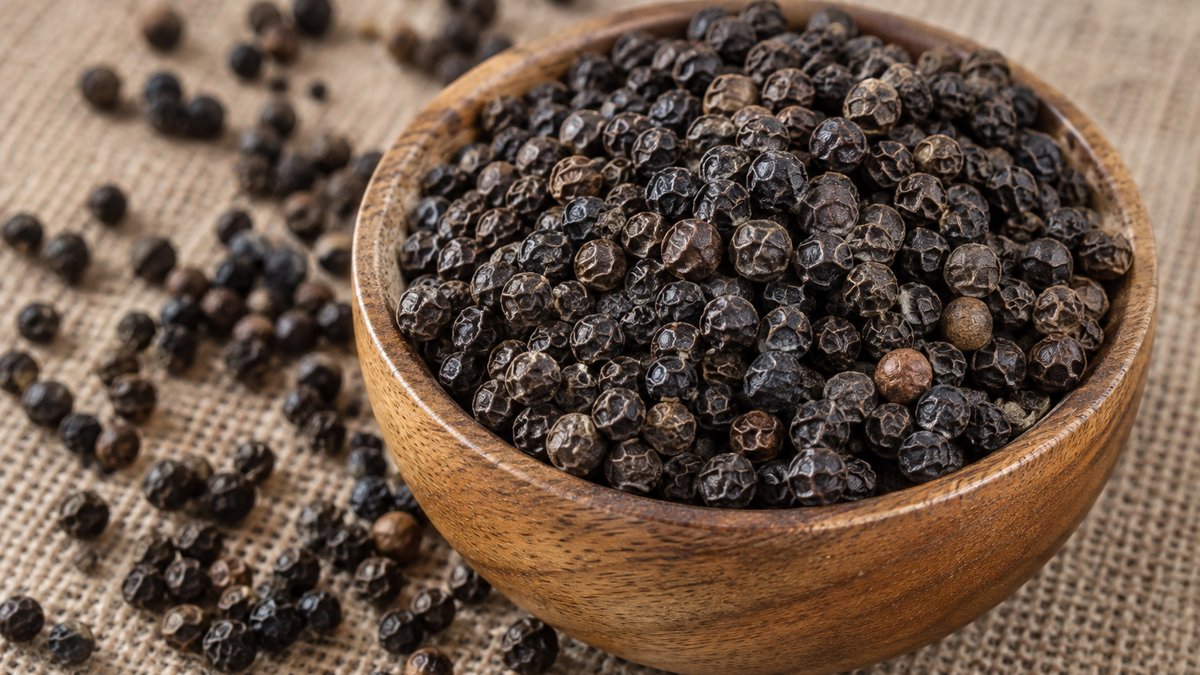
The latest available International Pepper Community (IPC) reference quotations for this update are dated 9 November 2026. They range from US$5,750 per metric tonne for Brazil ASTA 570 black pepper to US$9,300/MT for Malaysian ASTA black pepper. The IPC lists Vietnam 500 g/l at US$6,070/MT and Indonesia black pepper at US$6,939/MT. These are origin-level reference quotations, not confirmed prices delivered to Germany.
Germany is Europe’s largest black pepper importing market by volume in the latest country figures cited here. Its importers need to compare the same form and quality, then add freight, insurance, handling and import-related costs to an origin quotation. This update uses November 2026 price references and the latest German market volumes identified in the cited sources, which cover 2024.
Key Takeaways
- The IPC’s 9 November 2026 reference prices include Vietnam 500 g/l black pepper at US$6,070/MT and Brazil ASTA 570 at US$5,750/MT. The IPC says its displayed prices are reported market references, not prices it sets.
- The IPC’s Vietnam 500 g/l reference increased from US$5,950/MT on 5 November to US$6,070/MT on 9 November. The quoted product is specified by density, but the source does not state a Germany delivery basis.
- Germany imported 26,400 tonnes of pepper in 2024, about 30% of European imports in the cited CBI analysis. That is market context, not a measure of current orders or November 2026 demand.
- A buyer should compare exact grade, cleaning, microbiological and residue specifications, shipment terms and delivery dates before treating prices from different origins as interchangeable.
1. Black Pepper Market Overview
Vietnam, Brazil and Indonesia are among the major origins competing in black pepper exports. The CBI’s European market review also identifies Malaysia and India among origins whose pepper prices vary with quality and production volumes. The IPC’s 9 November reference list gives a current origin-level comparison, while Germany’s import figures show the scale of the destination market.
Germany imported 26,400 tonnes of pepper in 2024, around 30% of European imports, according to CBI’s analysis based on UN Comtrade. The broader European market imported 88,200 tonnes directly from developing countries that year. Those figures cover 2024, so they describe market structure rather than the latest shipment pace.
German trade includes both direct imports and re-exports. CBI reports that Germany re-exported between 30% and 40% of its imported pepper to other European countries. A German buyer’s sourcing decision can therefore serve domestic processors, wholesalers or onward European distribution, each with different packing and documentation needs.
The European pepper market also differs by product form. Across Europe, imports of whole pepper from developing countries reached 65,400 tonnes in 2024, while ground pepper imports from developing countries reached 22,800 tonnes. For 2020 to 2024, the cited analysis reports whole-pepper imports declining at an average annual rate of 1.2%, while ground-pepper imports grew 10.1% per year. These figures cover Europe, not Germany alone.
Trade and food-safety conditions matter alongside price. CBI notes that repeated violations of European food legislation can lead to more frequent border checks, and reports that Brazilian pepper consignments have faced European border rejections related to Salmonella since 2019. Importers should check current requirements for the product and shipment with the relevant official authorities; a past rejection history does not establish that a particular supplier or lot is non-compliant.
Looking to Source Black Pepper?
Connect with verified suppliers, discover matching products, and explore sourcing opportunities from global markets.
2. Latest Black Pepper Export Prices
2.1 Current Export Price in the Latest Available Reference
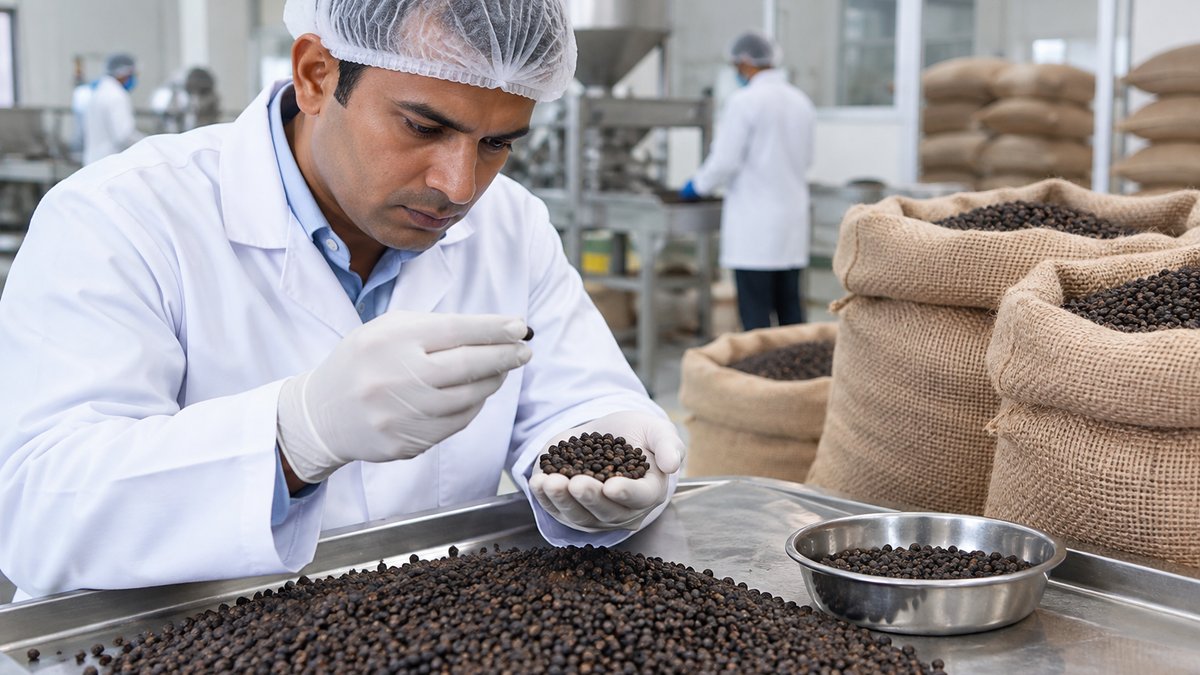
The latest IPC daily price page located for this update is dated 9 November 2026 and reports prices in US dollars per metric tonne. It lists Vietnam black pepper 500 g/l at US$6,070/MT, Vietnam 550 g/l at US$6,130/MT, Brazil ASTA 570 at US$5,750/MT, Indonesia black pepper at US$6,939/MT and Malaysia ASTA black pepper at US$9,300/MT. The IPC says it displays prevailing prices reported from origins and sources; it does not set them. The page does not specify a Germany delivery basis, so these figures are not German import prices or landed-cost quotations.
The price gaps should not be read as a simple ranking of equivalent goods. The IPC list specifies ASTA 570 for Brazil and ASTA for Malaysia, while Vietnam’s entries state density grades. It does not provide matching details for every origin, such as moisture, cleanliness, treatment, packing, shipment size or a delivery basis. Request a quotation against one written specification before comparing offers.
2.2 Price Comparison by Exporting Origin
The 9 November references place Brazil ASTA 570 below the listed Vietnam grades and Indonesia and Malaysia references. That is a comparison of the published numbers only. Different grades and unspecified delivery terms prevent treating the difference as a like-for-like cost advantage. Germany-bound offers also need to identify the loading point and whether the quote is FOB, CFR or CIF.
2.3 Price Trend and Recent Changes
Between the IPC reference price reported for 5 November and the IPC page dated 9 November, Vietnam 500 g/l rose from US$5,950/MT to US$6,070/MT, an increase of US$120/MT, or about 2.0%. Vietnam 550 g/l moved from US$5,995/MT to US$6,130/MT, a US$135/MT increase, or about 2.3%. The 5 November figures appear in a 9 November report reproducing the international reference list; the comparison is short and does not establish a monthly or seasonal trend.
A separate 9 November market report says Brazil’s IPC ASTA 570 reference rose from US$5,700/MT to US$5,750/MT, a US$50/MT increase. The report describes this as a change in the reference quotation; it does not identify the Germany delivery cost or prove a lasting market direction. Buyers should confirm the current validity period and shipment availability with each exporter.
3. Why Are Black Pepper Export Prices Changing?
Black pepper prices respond to available crop, exporter stocks, buying pace and competition among origins. CBI identifies production volumes in Vietnam, Brazil and Indonesia as factors in export-price differences. The IPC’s recent reference changes show movement over several days, but the cited quotations alone do not identify the cause of each change.
Harvest timing and inventory can affect the amount sellers are ready to quote. For a purchase decision, ask whether the offered pepper is current crop or carryover stock, what quantity is immediately available, and when the exporter can load. A general origin quote does not confirm that a seller has the required grade or volume in stock.
Buyer demand also varies by product form and destination. CBI reports that European imports of ground pepper from developing countries grew faster than whole-pepper imports between 2020 and 2024, while Germany remained the region’s largest importing market by volume in 2024. These figures help describe demand structure; they do not confirm a new German order or a November 2026 rise in consumption.
Trade policies and food-safety controls can change the cost and time needed to place pepper on the German market. Importers should check the current European and German rules that apply to their product form, processing and shipment, including applicable residue and microbiological requirements. The CBI source discusses the consequences of repeated food-law violations at European borders, but it does not give a current shipment-specific clearance result.
Currency and logistics affect the amount a German buyer ultimately pays. A US-dollar origin reference may move differently from the euro cost of a contract. Freight, insurance, transit time, port handling and any inland delivery charges also depend on route, shipment size and booking date. Compare each offer on the same currency, Incoterm and German delivery point.
Competition among exporters is visible in the spread between the IPC’s listed origins, but the spread does not isolate production costs or quality. The Brazil ASTA 570 reference and Vietnam density-grade references identify different product specifications. A buyer should first decide which specification can meet the intended use, then compare current quotes for that specification.
4. Which Countries Import the Most Black Pepper?
4.1 Major European Importing Markets
Germany led Europe’s pepper imports in 2024, with 26,400 tonnes, or about 30% of European imports, according to CBI’s analysis based on UN Comtrade. The United Kingdom followed at 10,500 tonnes. The Netherlands and France each imported 10,100 tonnes. Poland imported 7,000 tonnes. These are European market figures, not a ranking of all global importing countries.
Germany’s position makes it a significant market for exporters, but import volume alone does not show what a specific German buyer needs. More than 90% of Germany’s pepper imports were whole pepper in the market analysis cited by CBI. The split between whole and ground product matters when exporters prepare a quotation, sample and packing proposal.
4.2 Main Export Destinations of Major Origins
The sources used for this update do not provide a consistent, current destination ranking for one specified exporting country. Germany’s import market draws from several origins, and CBI identifies Vietnam as Germany’s leading pepper supplier in its market analysis. A supplier should use current customs data for its own origin and product code before quoting destination shares or year-on-year changes.
4.3 Market Opportunities for Exporters
Germany’s import scale and role in onward European trade make it relevant to exporters able to meet the buyer’s specification and compliance requirements. The 2024 import figures are confirmed historical trade data, not forecasts. They should not be presented as evidence of an active order. Exporters can use them to assess market relevance, then qualify current buyer demand through a specific request or direct procurement process.
5. Where Can Buyers Source Black Pepper at a Competitive Price?
A competitive offer is the one that fits the buyer’s specification and delivered-cost target, not necessarily the lowest origin reference. The IPC’s 9 November 2026 list gives a useful starting point across several origins, but its figures do not state a Germany delivery basis and some entries do not provide matching grade details.
- Write one specification for all bidders, including whole or ground form, grade or density, moisture, foreign matter, microbial limits, treatment and packing.
- Ask each exporter to state origin, available quantity, crop or stock status, loading port, shipment window and quote validity.
- Compare FOB, CFR and CIF offers only after identifying which costs and responsibilities each quote includes. FOB generally excludes main carriage and insurance arranged by the buyer; CFR includes carriage to the named destination port, while CIF also includes insurance. Confirm the exact Incoterms rule and named place in the contract.
- Calculate landed cost at the same German destination. Add freight, insurance where applicable, port and handling charges, inland transport and any applicable duties or taxes.
- Check that the offered lot and supporting documents meet current import requirements for Germany and the European Union before confirming an order.
A lower FOB offer can result in a higher delivered cost if the route, freight, insurance, packing or destination charges differ. Compare quotations in one currency and for the same shipment quantity, specification and arrival window. If the supplier quotes a different density or treatment, treat that as a different offer rather than adjusting the price by guesswork.
Buying consideration: Before selecting an origin, ask for a dated quotation with the exact grade, price basis, shipment period, packaging and destination stated. Confirm that any sample represents the lot the supplier will ship.
6. What Does the Latest Demand Look Like on Freshdi?
No Freshdi buying-request records or platform statistics were supplied for this article, so it cannot report a request count, buyer quantity, destination pattern or popular specification. Those platform observations would need to come from dated Freshdi data rather than be inferred from Germany’s national import figures.
Import statistics and buying requests answer different questions. Germany’s 2024 trade volume describes recorded national imports; an individual buying request describes a buyer’s stated requirement at a particular time. Suppliers assessing a lead should check its quantity, destination, grade, shipment terms and posting date as stated in the request.
7. What Should Black Pepper Buyers and Suppliers Do Next?
7.1 For Buyers and Importers
- Use the 9 November IPC references as dated market context, not as a guaranteed quote for a German delivery.
- Send the same product specification and requested shipment period to suppliers from each shortlisted origin.
- Ask for the quote basis, named port or delivery point, validity period and quantity available.
- Compare landed cost in one currency and verify the product’s compliance documents against current import rules.
- Confirm quality through an agreed sample and inspection process before finalizing the contract.
7.2 For Exporters and Suppliers
- State the grade or density, product form, origin, packaging and available quantity in every quotation.
- Name the loading port, Incoterm and named place, quote currency, shipment window and offer validity.
- Keep food-safety and quality claims limited to documents that apply to the offered product and lot.
- Use current market references with their dates and units, and do not present an origin benchmark as a Germany-delivered price.
- Review each buying request against actual product availability and destination requirements before preparing an offer.
8. How Freshdi Helps Buyers and Suppliers Connect
Freshdi’s black pepper category pages give buyers and suppliers a place to review relevant listings and buying requests. The pages are a discovery option; they do not establish that a particular supplier has stock, that a request is still open or that a transaction will result. Verify the listing or request details before starting a commercial discussion.
Buyers comparing origins can review black pepper supplier listings and related buying requests on Freshdi.
View Latest Herbs, Spices & Seasonings Buying Requests →View Potential Herbs, Spices & Seasonings Suppliers →
When evaluating a listing, compare the listed product and commercial fields with the order specification. When reviewing a buying request, use only the buyer’s stated details and check that the requirement matches the product and shipment the exporter can provide.
9. Germany Black Pepper Market Outlook
The latest IPC prices located for this update are the 9 November 2026 origin references. Vietnam’s listed 500 g/l and 550 g/l quotations and Brazil’s ASTA 570 reference rose from the earlier figures identified for 5 November. Those short-period changes do not establish a longer-term trend or a German import price.
Germany imported 26,400 tonnes of pepper in 2024 in the latest country figures cited here. Buyers should use that market context alongside current, specification-matched supplier quotations. Exporters should make their grade, price basis, quantity and shipment window clear when approaching the market.
Buyers ready to compare offers can review relevant black pepper suppliers on Freshdi.
View Related Suppliers for This Product →
Frequently Asked Questions
What was the latest black pepper export reference price?
The latest IPC price page located for this update is dated 9 November 2026. It lists Vietnam black pepper 500 g/l at US$6,070/MT, Vietnam 550 g/l at US$6,130/MT and Brazil ASTA 570 at US$5,750/MT. These are origin-level references, and the cited page does not state a Germany delivery basis.
What changed in black pepper reference prices in early November 2026?
The Vietnam 500 g/l reference reported for 5 November was US$5,950/MT; the IPC page dated 9 November listed US$6,070/MT. The Vietnam 550 g/l reference rose from US$5,995/MT to US$6,130/MT over those dates. These are short-period comparisons and do not establish a monthly trend.
Which European countries imported the most pepper?
In the 2024 figures cited by CBI, Germany imported 26,400 tonnes, followed by the United Kingdom at 10,500 tonnes. The Netherlands and France each imported 10,100 tonnes, and Poland imported 7,000 tonnes. These are European market figures, not a global ranking.
How should German buyers compare FOB, CFR and CIF black pepper prices?
Check the named port or place and the exact Incoterms rule first. FOB, CFR and CIF assign different responsibilities and included costs. Then compare the same product specification, quantity, currency and shipment window, and calculate the cost to the same German destination with the relevant freight, insurance, handling and inland charges.
Does the IPC reference price equal the price delivered to Germany?
No. The IPC states that it displays prevailing prices reported from different origins and sources and does not set them. The 9 November listing provides prices in US dollars per metric tonne, but the cited page does not specify a Germany delivery basis. Request a current quotation that names the Incoterm, destination and shipment details.
Can Freshdi data confirm current German black pepper demand?
No Freshdi buying-request records or demand statistics were supplied for this update, so it cannot report a current request count or buyer requirement. German import statistics describe recorded national trade, while individual requests describe buyers’ stated needs. Check the current request details directly before responding.
References
1. International Pepper Community – Daily Prices 11-09-2026, 9 November 2026.
2. Vietnam.vn – Pepper prices today, November 9, 2026: Will export purchasing power determine the start of the week?, 9 November 2026.
3. Brazspice – Pepper Market Intelligence for European Buyers: Week 46 Brazil + Vietnam, 9 November 2026.
4. CBI – What is the demand for spices and herbs on the European market?, 2026, trade data through 2024.
5. CBI – The European market potential for black pepper, 2026, trade data through 2024.
6. CBI – Entering the European market for black pepper, 2026.
Disclaimer: This article is compiled from platform data, public sources and information provided by third parties, for general informational purposes only. We do not guarantee its accuracy or completeness. Prices, volumes and forecasts are indicative, reflect conditions as of 2026-11-14 and may change without notice. This is not financial, investment or trading advice.