
Introduction
Cacao bean buyers can ask for very different products and commercial arrangements, from raw Forastero beans to beans with stated fermentation and sun-drying details. Four Freshdi buying requests posted from October 21 to November 13, 2026, show those differences, along with quantities and destination ports that suppliers need to check carefully before preparing an offer.
The requests were posted by four buyers in the Russian Federation, the United Arab Emirates and Togo. The brief covers requests posted in the last 30 days as of November 16, 2026. This is a snapshot of those Freshdi listings, not a measure of total cacao bean demand in those countries or worldwide. Some quantities and commercial fields are unusual or incomplete, so suppliers should confirm them with the buyer before costing a shipment.
Key Takeaways
- Four buyers posted cacao or cocoa bean requests on Freshdi from October 21 to November 13, 2026; the destinations named are Saint Petersburg, Abu Dhabi and Lomé.
- The requests state quantities as 50 MT, 50000 Tonne-Force(Metric), 12000 Tons and 100 Bar. Keep each unit as entered until the buyer confirms what it means.
- The listings vary in detail. One specifies raw Forastero beans, another gives fermentation and sun-drying durations, and the remaining requests include conflicting or limited origin and processing details.
- All four listings include FOB among their trade terms. One also lists CIF. Payment terms vary, and some requests list more than one option.
- ICCO’s latest public summary for the 2024/25 cocoa year reports higher production, lower grindings and a small surplus. Those global figures provide context, but they do not validate any individual RFQ quantity or price.
1. Global Cocoa Bean Market Conditions and the Freshdi Snapshot
The latest public global balance summarized by the International Cocoa Organization (ICCO) shows a production recovery in the 2024/25 cocoa year, while grindings declined. ICCO’s August 2026 Quarterly Bulletin summary estimates world gross production at 4.733 million tonnes, up 8.5% year on year, and grindings at 4.649 million tonnes, down 3.3%. It estimates a 37,000-tonne global surplus and end-of-season stocks of 1.309 million tonnes, equal to 28.2% of grindings. These are cocoa-year estimates, not a count of exportable beans available for any one buyer.
The same ICCO summary reports that global exports of cocoa beans and semi-finished products, measured in bean equivalent, reached 2.09 million tonnes from January to March 2026. That was 2.8% lower than in the same period of the previous season. The figure combines beans and processed cocoa products, so it should not be read as a bean-only export total. The public summary does not provide a current ranking of importing markets alongside that figure.
Price conditions also require a dated reference. ICCO reports that cocoa futures in April to June 2026 remained sensitive to changes in demand, weather and production risks in major producing countries. The Freshdi requests do not provide comparable bean offers: three show “USD” without a numerical amount, while one states 2.23 USD without a unit or pricing basis. None can be treated as a market quotation or compared with an exchange benchmark.
Freshdi’s platform snapshot contains four cacao or cocoa bean requests from four buyers, posted between October 21 and November 13, 2026. The listings name buyer countries and destination ports, but only two state a shipping method. Their specifications range from raw Forastero beans to processing details, and some fields do not agree with one another. These are observations from the selected listings, not evidence that most buyers share the same requirements.
For suppliers, the market context points to a need for careful, dated costing. The global balance and futures indicators can inform commercial monitoring, but the final offer still depends on bean quality, origin, quantity, packing, delivery point, shipment timing and payment conditions. Confirm those details for each request instead of applying a general market figure to an RFQ.
Looking to Sell Cacao Beans?
Connect with verified buyers, receive relevant buying leads, and explore sourcing opportunities from global markets.
2. Recent Cacao Bean Buying Requests and What Each One States
The four listings below were posted on Freshdi from October 21 to November 13, 2026, and each states a quantity. The destination is reproduced as stated in the record; it may differ from the buyer’s country. Use the listing itself to review its fields, and ask the buyer to resolve unusual quantities, missing units or conflicting details before sending a firm quotation.
2.1 Raw Forastero beans for Saint Petersburg
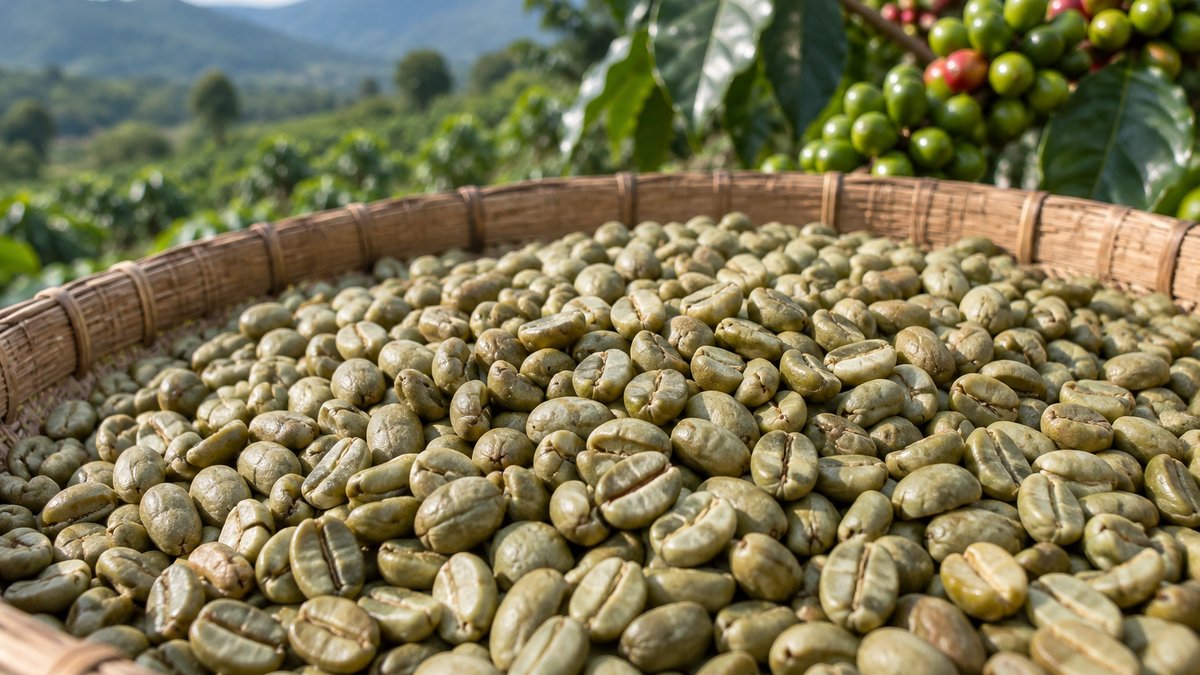
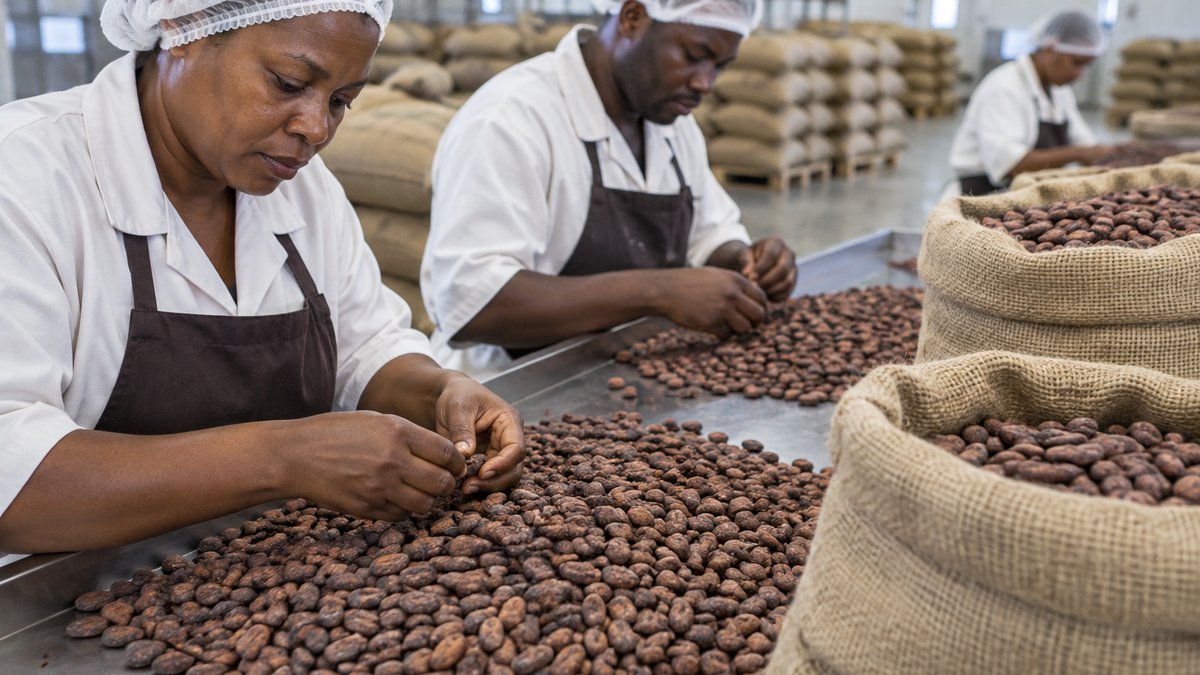
A buyer based in the Russian Federation requests 50 MT for Saint Petersburg, Russia, with sea freight stated. The request identifies the beans as raw and Forastero. Its structured specification says the origin is “Other,” while the origin field lists a long set of possible countries. That list should not be read as confirmation that the buyer will accept beans from every named country; the supplier should confirm the buyer’s preferred origin and any origin-specific requirements.
FOB and CIF are both listed, along with T/T, L/C, PayPal and Other as payment terms. The buyer should clarify which delivery and payment options are acceptable for the transaction. The target-price field shows USD without a numerical amount, so it does not establish a price level.
2.2 Dry cocoa beans for Abu Dhabi
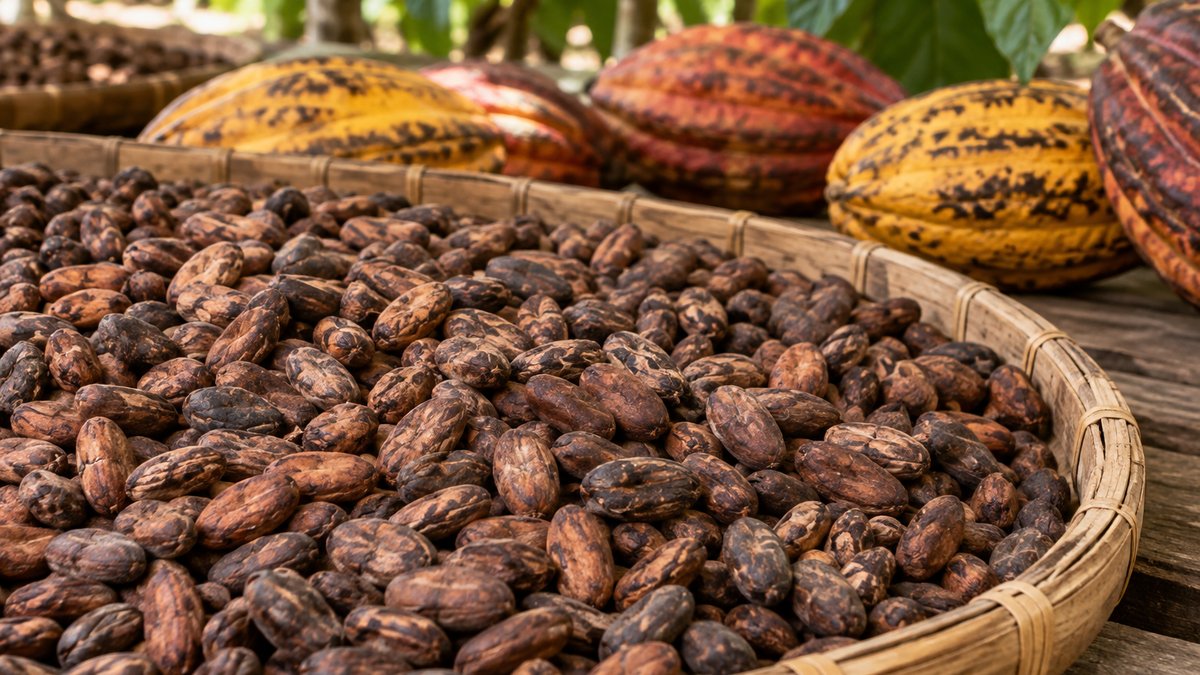
A buyer in the United Arab Emirates requests 50000 Tonne-Force(Metric) for Abu Dhabi. The listing states 50 to 70 kg packaging, fermentation details of five to seven days, and sun drying for five to six days. It also repeats fermentation and processing durations in several specification fields. Those details provide a starting point for a product discussion, but the quantity unit and the exact meaning of the processing entries need confirmation before a supplier calculates capacity or shipment costs.
The request lists FOB and T/T. Its target-price field contains USD without a numerical amount. The listing is marked as a verified request, but suppliers should still confirm the buyer’s intended specifications and commercial terms directly through the request process.
2.3 Cocoa beans for Lomé with inconsistent origin details
A Togo-based buyer requests 12000 Tons for Lomé, with sea freight and a two-week lead time stated. The request lists the United States as the desired origin in one field, while its specifications name Peru. It also describes the degree of processing as “Boiled.” Suppliers should ask the buyer to confirm the intended origin, product condition and quantity unit before deciding whether their beans match.
The target price is listed as 2.23 USD, but the request does not state a unit, grade basis, delivery basis or other pricing details needed to interpret it as a usable quotation level. FOB and T/T are listed. The request also names “Price/sales catalogue” under certificates; that field should not be treated as a food-safety certificate.
2.4 Cocoa beans for Lomé with limited specifications
A second buyer based in Togo requests 100 Bar for Lomé. The request lists FOB and D/P payment terms, but gives no bean specification, origin, shipping method or lead time. Its target-price field shows USD without a numerical amount. “Bar” is the quantity unit as entered; suppliers should not convert it to a weight or container count without the buyer’s explanation.
Before quoting this request, establish the intended quantity and unit, bean type, origin, processing or fermentation requirements, packing, shipment schedule and named delivery point. The listing’s limited specification does not show whether a particular supplier’s product is suitable.
3. What These Buying Requests Mean for Cacao Bean Suppliers
The clearest preparation task is to match the offer to what the buyer actually stated, then separate confirmed details from unanswered questions. The four quantity entries use different units, and two requests contain origin or processing details that need clarification. Suppliers should not silently normalize the figures or resolve contradictions on the buyer’s behalf.
Specifications also differ in how they describe post-harvest handling. The Abu Dhabi listing names fermentation and sun-drying durations, while the Saint Petersburg request names raw Forastero beans. A supplier responding to either should describe its own beans in comparable terms: bean type, origin, fermentation method and duration, drying method, moisture or other quality data available for the lot, and packaging. Include only details the supplier can substantiate.
All four requests list FOB. One also lists CIF, so the seller should confirm which term applies before calculating freight or insurance. FOB and CIF allocate costs and responsibilities differently, and a quotation should name the relevant port or place rather than state the term alone. The payment fields also vary: the records include T/T, L/C, PayPal, Other and D/P, with multiple options on some listings. Confirm the chosen method, payment timing, currency and document conditions in writing.
Price fields need equal care. A currency label without an amount is not a price. The 2.23 USD entry lacks a unit and pricing basis, so it cannot be compared with a quote per kilogram or tonne, or with a futures reference. A supplier’s offer should state the price per unit, currency, product specification, quantity, packaging, Incoterm and named place, quotation validity and any assumptions about shipment timing.
Before committing stock or logistics, prepare a short clarification list for each request. Ask the buyer to confirm the quantity and unit, bean grade or intended use, acceptable origin, packaging, quality tolerances, destination point, shipment window, delivery term and payment conditions. For the two Lomé requests, also confirm whether the buyer’s intended product is raw or processed and whether the stated origin is correct. Keep the buyer’s original wording visible in internal quotation notes until the answers are settled.
Buying consideration: Build the quotation from confirmed specifications and a measurable quantity. If an RFQ still has conflicting origins, unclear units or an incomplete price basis, send a clarification request before reserving beans or freight.
Suppliers who have checked their product fit can review relevant cocoa bean buying requests on Freshdi.
View Latest Buying Requests for This Product →
4. How Freshdi Helps Suppliers Find Cacao Bean Buyers
Freshdi provides a place for suppliers to review buying requests and compare the requirements buyers have chosen to include. In this snapshot, the requests identify product names, quantities, destinations and some commercial terms, while other fields are missing or inconsistent. That makes request-by-request screening useful: suppliers can focus on listings that appear to match their available beans and identify questions to resolve before quoting.
When reviewing a request, compare the requested product and processing details with the supplier’s actual lot information. Check quantity and unit before estimating supply, then review the named destination and shipping method. If a listing gives more than one trade term or payment option, ask which option the buyer wants. Treat status or verification information as a listing attribute, not as a guarantee of a completed transaction.
A response is easier to assess when it follows the buyer’s requirements in the same order. State the bean type and origin, processing details, available quantity and unit, packing, quality information supported by the lot, price basis, Incoterm and named place, payment terms, lead time and offer validity. Mark any point that depends on buyer confirmation. Do not present unverified certificates, quality results or export capability as established facts.
Suppliers can also use the buying-request category to look for relevant opportunities and check each listing’s current details. A product match on the title alone is not enough: a Forastero bean offer, for example, still needs to meet the buyer’s confirmed origin, quality, packing and delivery requirements.
Once your offer reflects confirmed product and delivery details, use Freshdi’s Find Buyers path to continue reviewing relevant requests.
View Latest Buying Requests for This Product →
5. Conclusion: Verify the RFQ Before Quoting
The four recent cacao and cocoa bean requests show varied buyer requirements, but they do not establish a single market specification or price. They include raw Forastero beans, fermentation and drying details, several quantity units and commercial fields that need confirmation. ICCO’s 2024/25 balance estimates offer global context, while the Freshdi listings show the specific information these buyers entered.
Suppliers should confirm each quantity, origin, processing description, delivery term and payment condition before calculating a firm offer. The target-price entries are not comparable quotations: some provide only a currency, and the numeric entry lacks its unit and basis. Review relevant Cacao Beans buying requests on Freshdi, then prepare an offer that states exactly what the supplier can deliver and what remains subject to buyer confirmation.
Frequently Asked Questions
How many recent cacao bean buying requests are included?
Four Freshdi requests from four buyers were posted between October 21 and November 13, 2026. The listings were selected because each stated a quantity, and the snapshot is not a measure of all buyer demand.
Can suppliers compare the quantities in these requests directly?
No. The requests state 50 MT, 50000 Tonne-Force(Metric), 12000 Tons and 100 Bar. Those units are reproduced as entered. Confirm the intended quantity and unit with the buyer before estimating production, packing or freight.
Do the target-price fields show usable cocoa bean prices?
Not consistently. Three listings show USD without a numerical amount. One states 2.23 USD but does not provide a unit or pricing basis. Suppliers should confirm the buyer’s target-price basis and provide their own quotation with a clear unit, currency, specification and delivery term.
Which cacao bean specifications should suppliers include in a quotation?
State the bean type and origin, processing and post-harvest details, available quantity and unit, packing, quality information supported by the lot, shipment timing, price basis, Incoterm and named place, payment terms and offer validity. Match the details to the buyer’s confirmed requirements.
What does FOB or CIF mean for a cocoa bean offer?
FOB and CIF are different delivery terms that affect which party arranges or pays for parts of the shipment. Confirm the chosen term and the named port or place with the buyer, then calculate the offer on that basis. One request lists both FOB and CIF.
How can suppliers find relevant cacao bean buying requests on Freshdi?
Use Freshdi’s cacao bean buying-request category to review listings, then check each request’s stated product, quantity, destination and commercial details. Confirm unclear or conflicting fields before submitting a firm quotation.
References
1. International Cocoa Organization – August 2026 Quarterly Bulletin of Cocoa Statistics, 2026-08.
2. International Cocoa Organization – Statistics: Cocoa Daily Prices, 2026.
3. Freshdi – Какао-бобы buying request, 2026-10-21.
4. Freshdi – Dry cocoa beans buying request, 2026-10-28.
5. Freshdi – Cocoa Beans buying request, 2026-11-13.
6. Freshdi – Cocoa Beans buying request, 2026-10-28.
Disclaimer: This article is compiled from platform data, public sources and information provided by third parties, for general informational purposes only. We do not guarantee its accuracy or completeness. Mentions and rankings of suppliers do not constitute an endorsement or guarantee, and strategies and examples are illustrative; results may vary. Please conduct your own due diligence before making business decisions.