
Introduction
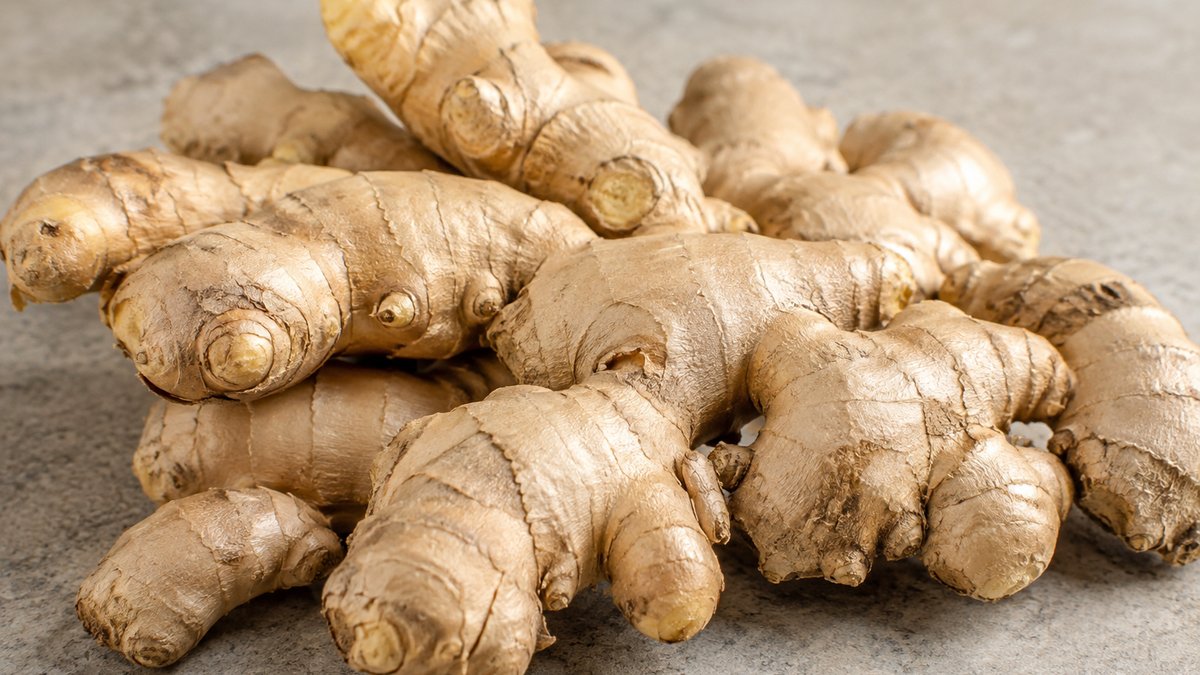
Fresh ginger buyers can describe very different needs under the same product name. Quantity, root condition, packing, delivery point and whether the request is for fresh or dried ginger all affect whether an exporter can quote accurately.
Eight Freshdi buying requests with quantities were posted from 21 October to 16 November 2026, from buyers based in eight countries. The requests name destinations including Durban, Jeddah, Jebel Ali, Kuala Lumpur and Togo, as well as several destinations in one request. Some listings describe fresh roots; others specify dried ginger or mix fresh and air-dried wording. This snapshot reports those requests as written and treats the forms separately. Suppliers can use it to assess product fit and identify what to clarify before preparing an offer.
Key Takeaways
- Freshdi recorded eight Fresh Ginger buying requests from eight buyers between 21 October and 16 November 2026. The requests state quantities, but the units range from metric tons to containers and boxes.
- Freshness is stated in four requests. Five give product specifications, while only one states packaging information in its structured fields.
- Two request titles identify dry or dried ginger, and another combines fresh and air-dried wording. Suppliers should confirm product form before treating those requests as fresh-root demand.
- CIF appears in seven requests, CFR in one and FOB in two. Some requests list more than one trade term, so the totals overlap.
- Fresh ginger exporters should quote against the exact variety, form, grade, packing, quantity unit, destination and named delivery point the buyer confirms.
1. Where does ginger import demand appear in trade data?
Official trade figures show ginger moving into large import markets, but the product classification does not always isolate fresh roots. The World Bank’s World Integrated Trade Solution presents 2024 UN Comtrade figures under HS 091010, described as “Ginger.” That heading does not by itself establish that every recorded shipment was fresh ginger, so these figures provide broader trade context rather than a fresh-root market total.
WITS reports these 2024 import quantities from UN Comtrade country submissions. They indicate substantial ginger imports in each market, but they are not a direct measure of fresh-only demand, nor do they show the grade, packing format or commercial terms buyers need for a particular order.
Eurostat reported that the European Union imported 114,000 tonnes of ginger from outside the EU in 2023, making ginger its most imported spice that year. China accounted for 43% of the EU’s ginger origin in that report. Eurostat also said extra-EU ginger imports rose 112% between 2013 and 2023. The figures are for the EU’s spice-import reporting, and they are two years older than the 2024 WITS figures above.
These external figures describe recorded trade, while Freshdi’s eight requests are individual buyer postings from 21 October to 16 November 2026. The Freshdi sample includes destinations in Africa, Asia, Europe and the Middle East, but it is too small and selected for stated quantity to represent imports, consumption or market-wide demand in those regions. A supplier should use the postings to assess specific inquiries, not as a forecast of sales.
Looking to Sell Fresh Ginger?
Connect with verified buyers, receive relevant buying leads, and explore sourcing opportunities from global markets.
2. What are the eight Fresh Ginger requests asking for?
The eight requests came from eight buyers and were posted within the 30 days ending 16 November 2026. Each request states a quantity. The platform records also show a target-price field in all eight, but this article does not repeat buyer price information.
2.1 Fresh and dried product forms need separate quotations
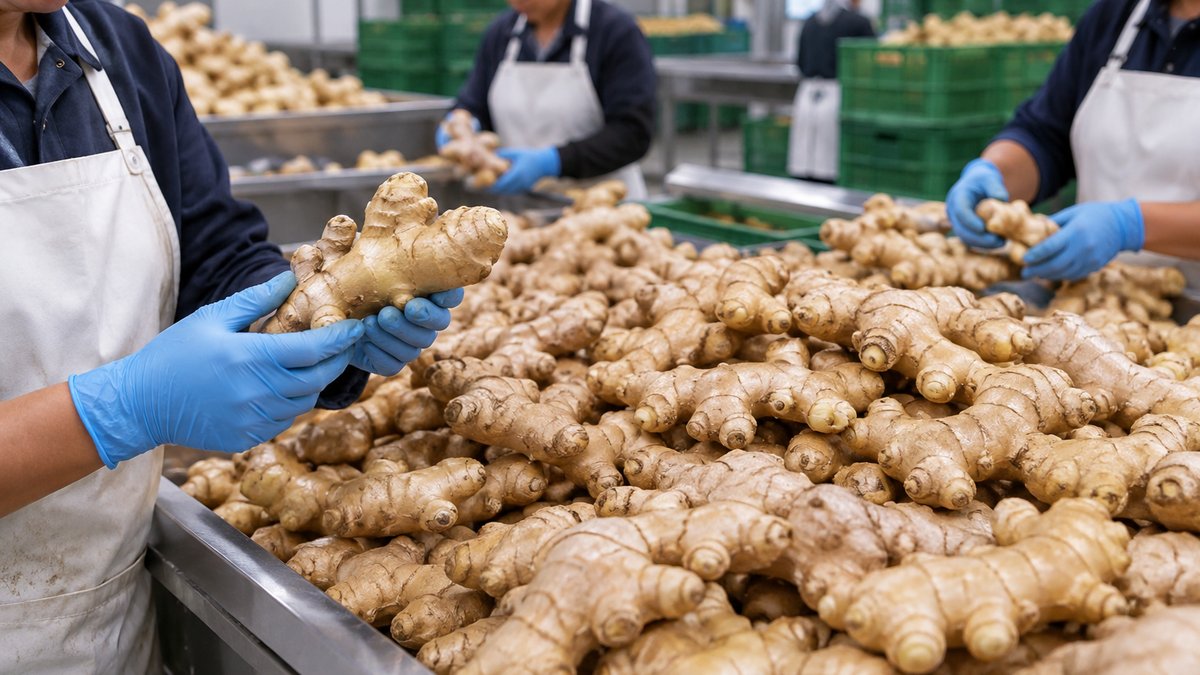
The product form is a first screening point. Six request listings use fresh ginger wording or describe fresh ginger in their product information. Two titles identify dry or dried ginger. Another title combines “Fresh / Air Dried” wording, so the intended form should be confirmed rather than assumed. Dried product should not be priced or prepared as fresh-root supply.
One fresh-root request describes mature, naturally grown roots and names cleanliness, firmness, aroma, flavor, low fiber, moisture, residue, storage life and intended uses. Another specifies whole fresh ginger in bags. Other fresh requests provide fewer product details, including one that only records freshness as “Fresh.” Those differences mean a supplier should match the offer to each stated specification instead of sending a general ginger profile.
2.2 Quantities use different units and scales
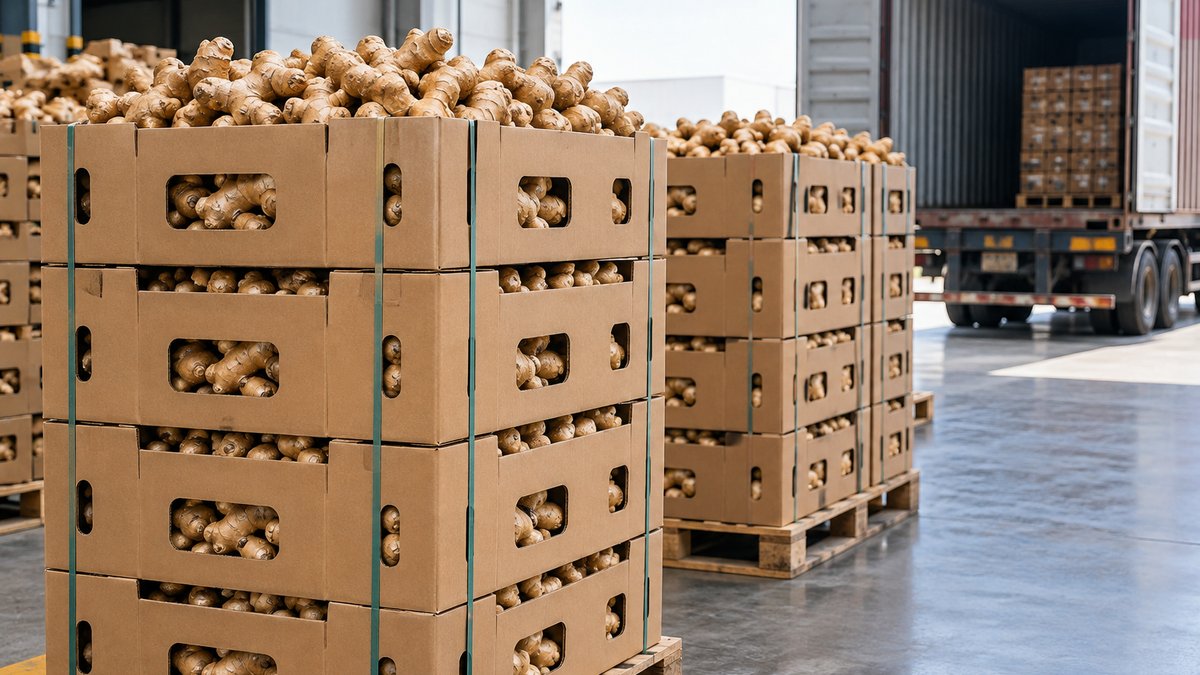
The requests state quantities in metric tons, tons, 40-foot containers and boxes. Several are large-tonnage requests, while another specifies 200 boxes. Container capacity and box weight are not stated consistently, so suppliers should not convert those quantities into an assumed weight or compare them directly with tonnage.
One request names 13 to 20 MT, another 28 MT, and another 120 tons. Other requests use container or box units, and one request states 25 tons for a title that combines fresh and air-dried product. The posted amounts are buyer requirements as written; they do not establish available supply, confirmed purchase volume or a shipment schedule.
2.3 Destinations and shipping details differ
The destination entries include ports and places in Saudi Arabia, the United Arab Emirates, South Africa, Malaysia, Togo, the United Kingdom and Poland. One request lists several possible destinations rather than one fixed endpoint. Shipping method is stated in six of the eight requests, while the remaining two do not state it.
A listed destination should be read exactly as posted and confirmed before freight is calculated. For a request naming more than one destination, ask which destination applies to the offer. For a request that gives a city or country instead of a named port, confirm the delivery point and whether the buyer expects port delivery or another arrangement.
2.4 Commercial terms and specifications require confirmation
CIF appears in seven of the eight requests, CFR in one and FOB in two. Since a request can list multiple terms, these counts overlap. Payment information is also present in all eight, with more than one option in some requests. Suppliers should confirm the exact Incoterms rule, named place, payment method and timing that govern each quotation.
Five requests contain specification details, but only one states packaging in the packaging field. Two requests list certificates, and two provide lead-time information. Missing information should be treated as unstated. A supplier should not assume that a buyer requires a particular certificate, pack size, lead time or quality threshold unless the buyer confirms it.
3. What do these buying requests mean for Fresh Ginger suppliers?
The postings point to several distinct quoting tasks: matching fresh-root specifications, separating fresh from dried product, and resolving quantity units and delivery details. The most detailed fresh-root inquiry gives suppliers a starting specification, while other requests leave more commercial or packing points open.
Exporters with mature fresh roots should prepare a product sheet that states variety, origin, size or grading basis, root condition, washing or drying steps, packaging and available volume. Where the buyer has named cleanliness, firmness, low fiber, moisture or residue requirements, answer those points with details the supplier can substantiate. Do not state a test result or certificate unless it is available for the lot being offered.
For a listing that says dry or dried ginger, confirm whether the buyer wants dried whole roots, a different dried form or fresh ginger. The mixed fresh and air-dried wording also needs clarification. Product form changes handling, packing, storage and the commercial basis of the offer, so a supplier should get the buyer’s written confirmation before preparing a final quotation.
The container and box quantities need a unit basis. Ask for the expected net weight per box or the required container load, and confirm whether the requested quantity refers to one shipment or a program of shipments. Keep the buyer’s stated unit in the response until the buyer confirms a conversion.
For CIF, CFR or FOB quotations, confirm the named port or place and the exact Incoterms rule and edition used in the contract. The shipment method and destination affect freight planning; a supplier should not price a route from a broad destination label alone. If the request gives multiple possible destinations, quote only after the buyer selects one or request separate pricing bases.
Before reserving stock, verify the buyer’s requested grade, product form, packing, shipment timing, documents, payment conditions and quotation validity. Where a request leaves a field unstated, ask a direct question and record the agreed answer. A clear, itemized offer lets the buyer compare the supplier’s actual product with the inquiry without treating assumptions as agreed terms.
4. How can Freshdi help suppliers find ginger buyers?
Freshdi lets suppliers review buying requests and compare the requirements buyers have posted. A request may be a closer fit for an exporter with the stated product form, volume and route, while another may need clarification before the supplier can prepare a useful offer.
Suppliers can browse Fresh Ginger buying requests and read each listing before deciding whether to respond. Check the quantity unit, destination, shipping method, trade and payment terms, product specifications and posting date. Requests can change, so review the live listing before quoting.
A supplier profile and product listing should describe only the company’s actual ginger supply. Keep origin, available form, packaging, capacity, documentation and shipment readiness consistent with the offer. If the buyer’s request leaves an important point open, ask for clarification through the platform before treating it as a confirmed requirement.
Suppliers looking for relevant inquiries can use Freshdi to find buyers and review current buying requests.
Suppliers can review current Fresh Ginger requests and compare each one with their export capacity.
View Latest Buying Requests for This Product →
5. What should suppliers know before responding to a Fresh Ginger RFQ?
The buyer’s stated form, quantity unit, destination and commercial terms should shape the first response. These questions address the points suppliers may need to settle before preparing a quotation.
5.1 Do all eight requests specify fresh ginger?
No. Two request titles identify dry or dried ginger, and another combines fresh and air-dried wording. Confirm the requested form before offering fresh-root supply.
5.2 Can suppliers compare the quantities directly?
No. The requests use metric tons, tons, 40-foot containers and boxes. Container loads and box weights are not consistently stated, so ask the buyer to confirm the weight basis before comparing quantities.
5.3 What product details should a quotation state?
State the product form, variety if known, origin, grade or size basis, condition, packing, available quantity, shipment readiness and any documents the supplier can provide. Answer the buyer’s written specifications directly and mark any unconfirmed point for clarification.
5.4 Should a supplier quote CIF whenever a request lists CIF?
Confirm the named destination and the exact Incoterms rule before calculating a CIF offer. Some requests list more than one trade term, and one request names multiple possible destinations. The buyer should confirm which term and destination apply.
5.5 How should suppliers respond when packaging is not specified?
Ask for the buyer’s required pack size, material, net weight and labeling details. If proposing a packing format, identify it as the supplier’s offer and wait for the buyer’s acceptance rather than presenting it as a stated requirement.
5.6 Does a Freshdi request guarantee an order?
No. A buying request records a buyer’s stated inquiry. The parties still need to confirm product fit, specifications, price, logistics, documents and payment terms before agreeing a transaction.
6. Conclusion: Match the ginger offer to the request
Freshdi’s eight requests posted from 21 October to 16 November 2026 show different quantities, destinations and levels of specification. The sample also includes requests for dried ginger and one that combines fresh and air-dried wording, so suppliers should confirm product form before quoting. Container and box quantities need a confirmed weight basis, while destinations and trade terms should be made precise.
Prepare an offer around the lot the supplier can actually deliver. State its form, origin, grade, packing, available volume, route and documents, then ask the buyer to resolve any missing or conflicting details. Freshdi is a place to find relevant ginger buying requests and review what each buyer has stated.
Suppliers ready to assess current requests can use Freshdi to find buyers for their products.
View Latest Buying Requests for This Product →
References
1. World Bank, World Integrated Trade Solution – Ginger imports by country, HS 091010, 2024 trade data; accessed 2026.
2. Eurostat – Flavours of 2023: EU spice imports, 2024.
3. Freshdi – Fresh Ginger buying requests posted 21 October to 16 November 2026, 2026.
Disclaimer: This article is compiled from platform data, public sources and information provided by third parties, for general informational purposes only. We do not guarantee its accuracy or completeness. Mentions and rankings of suppliers do not constitute an endorsement or guarantee, and strategies and examples are illustrative; results may vary. Please conduct your own due diligence before making business decisions.