
Introduction
On 9 November 2026, a market update reported Philippine desiccated coconut export quotations at US$1.09 to US$1.90 per pound, FOB Philippines. The reported average was US$1.3517 per pound, 21.6% below the average of US$1.7233 per pound reported for October 2025. These are export quotations, not a Canadian delivered price or a firm offer for a particular grade.
This update covers the latest published quotation available by 15 November 2026 and the Canadian import market. Canada-specific import data cited here covers November 2024 to October 2025, so it describes an earlier period than the export quotation. Buyers should compare current offers against their own specification, shipment date and destination costs.
Key Takeaways
- The latest reported Philippine export quotation was US$1.09 to US$1.90 per pound FOB on 9 November 2026; the reported average was US$1.3517 per pound.
- The average reported quotation was 21.6% lower than the October 2025 average of US$1.7233 per pound. The published range remained unchanged for 38 consecutive weeks, according to the 9 November market update.
- The quotation is an FOB origin benchmark, not a Canada landed price. No Canada-specific wholesale or delivered benchmark is used in this update.
- Canada imported 11,515.59 tonnes of desiccated coconut in November 2024 to October 2025, according to GTAIC's analysis of trade data. Import volume was 1.64% higher than in the preceding 12-month period.
- Buyers should request comparable grades, fat content, moisture specification, packaging, quantity and delivery terms before comparing offers from different origins.
1. Desiccated Coconut Market Overview
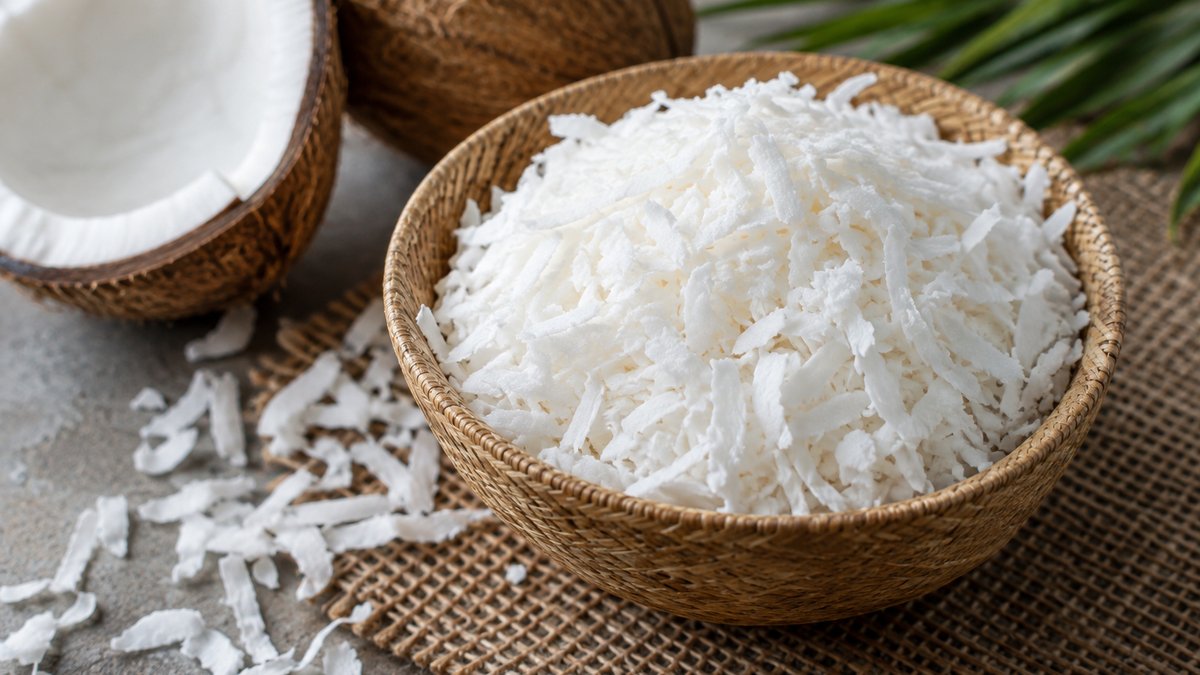
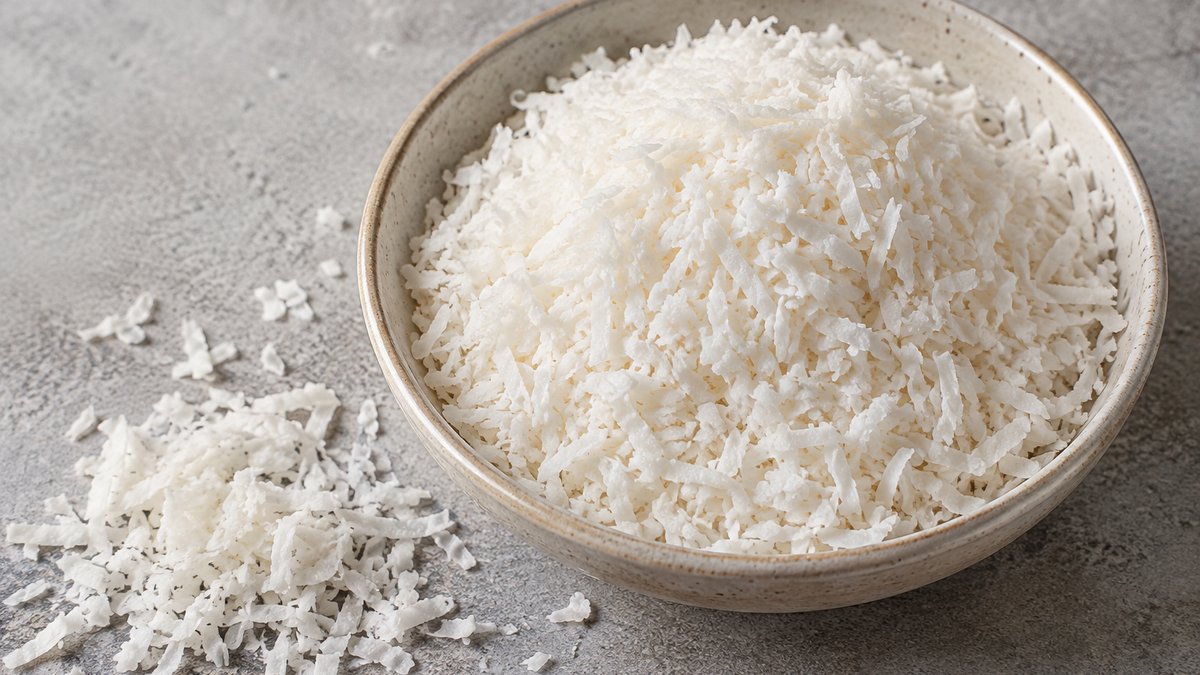
Desiccated coconut is dried coconut meat sold in forms such as fine or medium cuts, flakes and chips. Food manufacturers and ingredient buyers use it in bakery, confectionery and other food products. Grade, particle size, fat content, moisture limits, microbiological requirements and packaging can affect the offer, so a generic price range does not identify the cost of a buyer's exact specification.
The November 2026 quotation discussed here is FOB Philippines. Under FOB, the seller's delivery obligation covers loading the goods on board the vessel at the named port; the buyer arranges the main sea freight and insurance. A Canadian buyer should therefore add freight, insurance, port charges, customs costs and inland delivery before treating an offer as a landed-cost estimate.
Canada buys desiccated coconut from several producing and trading origins. GTAIC's analysis of Canadian trade data recorded 11,515.59 tonnes of imports in the 12 months from November 2024 through October 2025, up 1.64% by volume from the prior 12-month period. The report's period ends a year before this price update, so it does not establish Canada's import volume in 2026.
The International Coconut Community's June 2026 review described a correction in prices after the sharp rise during 2024 and early 2025. It reported lower prices between January and May 2026 across the Philippines, Indonesia and Sri Lanka, while also noting that prices remained above levels seen in 2023 and much of 2024. That review gives market context; it does not provide a Canadian wholesale price.
Looking to Source Desiccated Coconut?
Connect with verified suppliers, discover matching products, and explore sourcing opportunities from global markets.
2. Latest Desiccated Coconut Export Prices
2.1 Latest reported export price
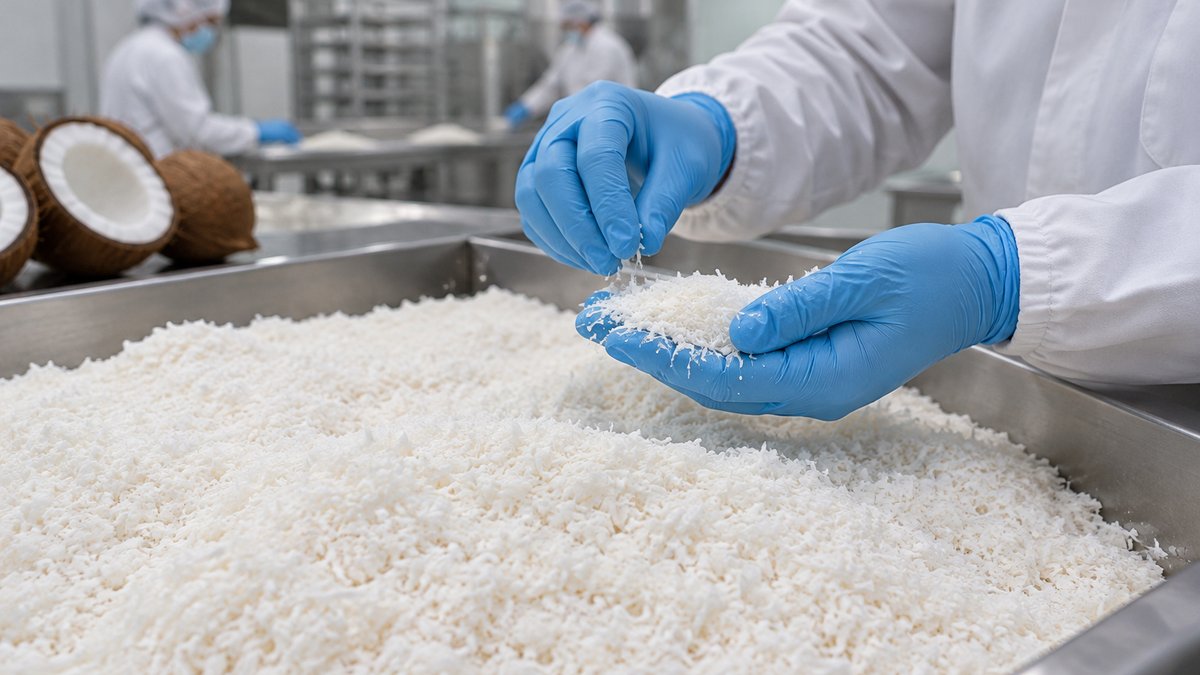
The most recent dated quotation located for this update is the Philippine FOB range published on 9 November 2026: US$1.09 to US$1.90 per pound. The same market update gave an average quoted price of US$1.3517 per pound. It said the range had remained unchanged for 38 consecutive weeks and compared the average with US$1.7233 per pound in October 2025, a reported decrease of about 21.6%.
The quotation is a market reference, not an offer to a Canadian importer. The report does not identify a single grade, fat content, packaging format or shipment quantity for the whole range. A buyer should confirm those details with each exporter and ask whether the quotation is valid for the required loading window.
There is no Canada-specific delivered price in the cited November update. Canadian import unit values, where available, combine shipments with differing origins, grades, quantities and shipment terms. They cannot be treated as a current quotation for a new order.
2.2 Origin prices need specification and basis checks
The International Coconut Community's July 2026 weekly price table shows why origin comparisons need care. On 25 July 2026, its listed Philippine desiccated coconut price was US$2,984 per metric tonne FOB. Its Indonesia entry was US$1,850 per metric tonne FOB for fine, high-fat product. The table also listed Sri Lankan medium desiccated coconut at US$2,234 per metric tonne on a domestic basis.
These July figures are older than the 9 November Philippine quotation, and the table does not present matching specifications and price bases for all three origins. They are context, not a like-for-like price ranking. The cited sources do not provide a current, comparable November price series for Philippine, Indonesian and Sri Lankan product on one shared grade and delivery basis.
2.3 Price movement and reporting period
The 9 November 2026 update reported a stable quotation range over 38 weeks alongside an average below its October 2025 comparison. A stable range does not mean every transaction price stayed fixed: the stated range spans different offers, and the report does not break out individual grades, contract sizes or shipment dates.
Use the November price as a dated export reference. The July table and June market review describe earlier points in the market's movement. They should not be joined into a precise monthly time series because the sources use different reporting formats and do not provide a single common grade and basis for every observation.
3. Factors Affecting Desiccated Coconut Export Prices
Coconut availability is one cost driver for desiccated coconut processors. The International Coconut Community's June 2026 review attributed the early-2026 price correction to improving availability and softer buying interest after the 2024 and early-2025 surge. The review did not establish that supply conditions were identical in each producing country.
Demand also affects export offers. The same June review reported that Philippine exports during January to April 2026 reached 62,439 metric tonnes, up 26.1% year on year, while export earnings rose 62.0% to US$204.8 million. It reported Indonesian exports of 36,709 metric tonnes for that period, up 21.9%, while export earnings fell 2.1% to US$74.3 million. These are country export figures for the stated period, not Canadian orders or forecasts.
Coconut harvest conditions, local competition for raw nuts, processing costs, currency movements and freight can affect a supplier's offer. The sources cited here do not quantify each factor's contribution to the November quotation. Buyers should ask suppliers to state the quotation currency, validity period, loading port and delivery term rather than attributing a change to one cause without evidence.
Competition between origins depends on product match as well as price. The July ICC entries distinguish a fine, high-fat Indonesian product from medium Sri Lankan product, while the Philippine entry is stated on an FOB basis without a matching grade in the table. Buyers should not select an origin by comparing those figures alone.
4. Which Countries Import the Most Desiccated Coconut?
4.1 Major global importing markets
The cited sources do not provide a current, comparable ranking of the largest desiccated coconut importing countries. The ICC's June 2026 review reported that average import values increased year on year in the EU27, the United States and globally, but those figures do not establish a ranking or a 2026 import-volume forecast for individual countries.
For procurement in Canada, the relevant market check is actual demand for the buyer's grade and pack size, alongside current supplier availability. Do not use a global import-value trend as proof of a confirmed Canadian order.
4.2 Canada's import market and supplier origins
GTAIC's report on Canadian desiccated coconut imports covers November 2024 to October 2025. It estimated imports at 11,515.59 tonnes, up 1.64% by volume from the corresponding previous 12 months. Its estimated average proxy import price for that period was US$3,048.53 per tonne, up 58.33% year on year.
That proxy price is calculated from import value and volume across shipments. It is not a current FOB quote, a retail price or the price of a specified grade. The period ends in October 2025, and the report should be read as historical market context rather than a November 2026 purchasing benchmark.
The trade report's import-volume trend was steadier than its import-value trend: volume rose 1.64% in the 12-month period, while import value increased 60.93%. Because the two measures cover the same stated period but behave differently, buyers should avoid reading a higher total import value as an equivalent increase in physical demand.
4.3 What the import data means for exporters
The Canadian figures show that the market imported desiccated coconut during the reported period, but they do not identify a current buyer, tender or unfilled order. Exporters considering Canada should confirm Canadian food and labeling requirements for their product and intended use, then quote a specified grade, pack format, quantity and shipment window. A historical import trend is market context, not an order forecast.
5. How Buyers Can Compare Desiccated Coconut Offers
A lower FOB quote may not produce the lower delivered cost in Canada. Compare offers for the same cut or particle size, fat content, moisture limit, color, microbiological specification, packaging and quantity. Record the loading port and quote date, then add freight, insurance, destination charges, applicable duties and inland transport.
- Ask each supplier to identify the grade, particle size, fat content and moisture specification covered by the offer.
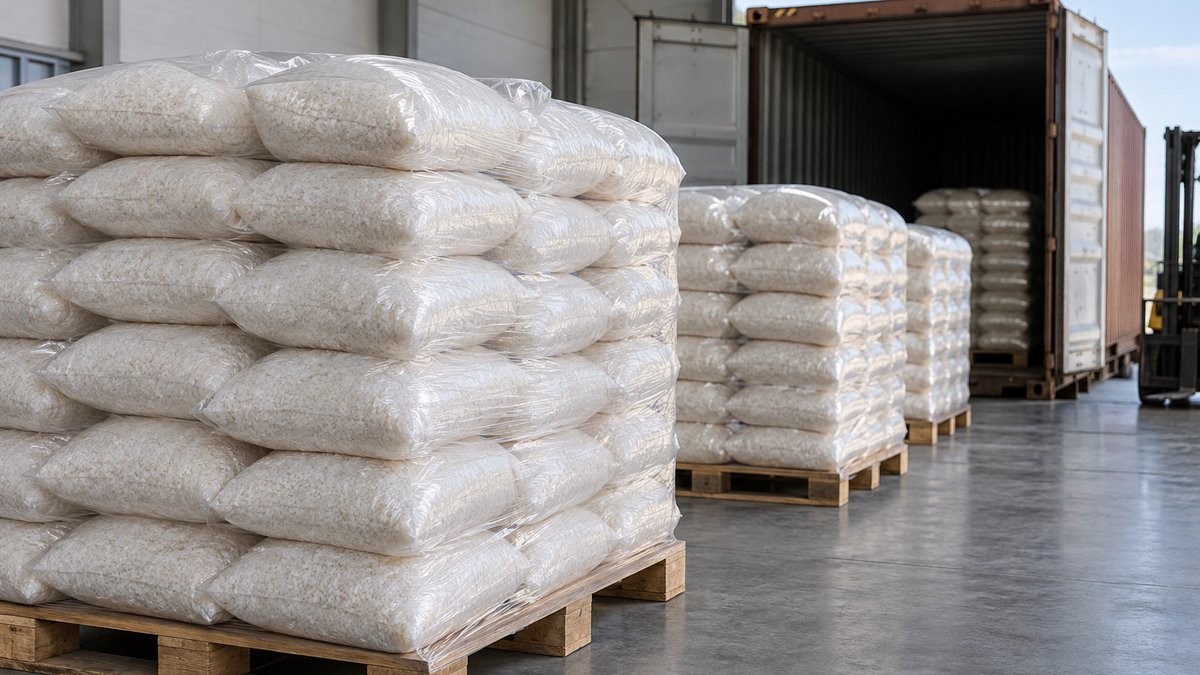
- Confirm the net weight per bag, packaging material, pallet arrangement and total shipment quantity.
- Compare offers on the same Incoterm and destination basis. Do not compare an FOB price directly with a CIF or delivered price.
- Check the shipment window, quotation validity, sample approval process and inspection terms.
- Confirm the documents and import requirements that apply to the exact product and shipment before signing the contract.
Buying consideration: For a reliable comparison, send the same written specification and shipment plan to each supplier, then calculate the total cost to the Canadian destination on a consistent basis.
6. Freshdi Buying Requests and Demand
No dated Freshdi request counts or request-level specifications are available for this update, so no platform-wide demand figure or buyer requirement is stated here. National import statistics and individual buying requests measure different things: customs data records past shipments, while a request describes what a buyer says it is seeking.
When reviewing a buying request, suppliers should check the stated product form, quantity, destination, delivery term and shipment timing. Buyers can write those details into a request to make supplier responses easier to compare. Any quantity, port or term should be treated as stated by the buyer and confirmed during commercial discussions.
7. What Buyers and Suppliers Should Do Next
7.1 For buyers and importers
- Use the 9 November Philippine FOB quotation as a dated reference, not as a Canadian landed price or a firm offer.
- Ask for current prices against the same grade, fat content, moisture limit, package size and volume.
- Compare total landed cost, including freight, insurance, destination charges and inland delivery.
- Check shipment availability and the validity period of each quotation before budgeting.
- Confirm product-specific import, labeling and documentation requirements for Canada.
7.2 For exporters and suppliers
- State the product form, grade, particle size, fat content and quality limits in each offer.
- Specify the loading port, currency, Incoterm, quantity, shipment window and quotation validity.
- Keep product availability and prices current, and distinguish confirmed stock from an estimate.
- Tailor each response to the buyer's destination and stated requirements.
- Monitor relevant buying requests and respond when the product and shipment terms match.
8. How Freshdi Helps Buyers and Suppliers Connect
Freshdi's fruit category includes a place for buyers to review potential suppliers and for suppliers to review buying requests. Buyers can view Desiccated Coconut suppliers; suppliers can review Desiccated Coconut buying requests. The listing or request is a starting point for checking fit, specifications and commercial terms.
Buyers and suppliers who have a defined product specification can use Freshdi's Fruit category to review relevant sourcing activity.
View Latest Fruit Buying Requests →View Potential Fruit Suppliers →
9. Desiccated Coconut Price Outlook for Canada
The latest dated benchmark located for this update is the Philippine FOB quotation reported on 9 November 2026. Its stated range remained unchanged for 38 weeks, while its average was below the October 2025 comparison. The report does not provide a Canada delivered price or a matched November comparison across exporting origins.
Buyers should request current, specification-matched quotations and compare landed cost. Exporters should state the grade, quantity, port and quotation validity clearly. Freshdi can be used to review relevant suppliers and buying requests, but platform listings do not establish a confirmed transaction or guarantee an outcome.
10. Sources and Data Scope
The price figures in this update refer to dated market quotations or published trade-price tables, not firm offers. Canadian import statistics are historical proxy measures for the periods stated. Global demand figures are included only where the cited source reports them; this update does not infer a country ranking or treat import forecasts as confirmed orders.
Frequently Asked Questions
What is the latest reported desiccated coconut export price relevant to Canada?
A market update dated 9 November 2026 reported Philippine desiccated coconut at US$1.09 to US$1.90 per pound FOB Philippines, with an average quoted price of US$1.3517 per pound. That is an origin quotation, not a Canadian delivered price or a firm offer for a specified grade.
Did desiccated coconut prices rise or fall?
The 9 November 2026 market update said the published Philippine FOB quotation range had remained unchanged for 38 consecutive weeks. It reported an average of US$1.3517 per pound, compared with US$1.7233 per pound in October 2025, a decrease of about 21.6%.
Why do desiccated coconut prices differ by origin?
Offers can reflect differences in grade, particle size, fat content, product specification, quantity, packing, shipment date and delivery basis. The July 2026 ICC table, for example, labels its Indonesian price as fine, high-fat product and its Sri Lankan price as domestic medium product, so those entries are not a like-for-like comparison.
How much desiccated coconut did Canada import?
GTAIC's analysis of trade data estimated that Canada imported 11,515.59 tonnes from November 2024 through October 2025, up 1.64% by volume from the preceding 12-month period. This is historical import data, not a measure of Canadian imports in November 2026.
How should a Canadian buyer compare FOB, CFR and CIF offers?
FOB covers delivery on board at the named port, while CFR includes sea freight to the named destination port and CIF includes freight and insurance to that port. Compare quotes on the same term and destination, then add destination charges and inland delivery to estimate the buyer's full landed cost.
Where can buyers find desiccated coconut suppliers or requests?
Buyers can review Desiccated Coconut supplier listings on Freshdi. Suppliers can review buying requests in the same product category. Listings and requests are starting points for checking fit; confirm specifications, availability and commercial terms directly through the relevant transaction process.
References
1. TM Duché & Sons – Global Coconut Market Update 9 November 2026, 9 November 2026.
2. International Coconut Community – Market Review of Desiccated Coconut, June 2026, June 2026.
3. International Coconut Community – Prices of Coconut Products (US$/MT), July 2026, July 2026.
4. GTAIC – Canada Desiccated Coconut Import Market Research Report, 2026.
Disclaimer: This article is compiled from platform data, public sources and information provided by third parties, for general informational purposes only. We do not guarantee its accuracy or completeness. Prices, volumes and forecasts are indicative, reflect conditions as of 2026-11-15 and may change without notice. This is not financial, investment or trading advice.