
Introduction
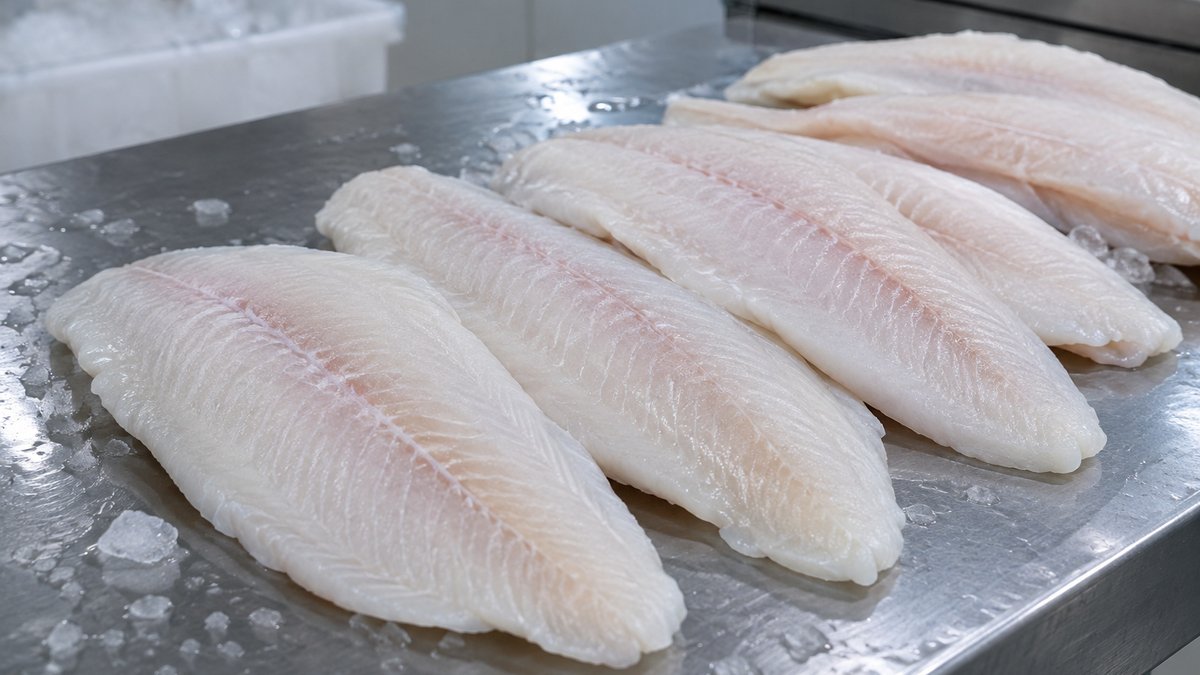
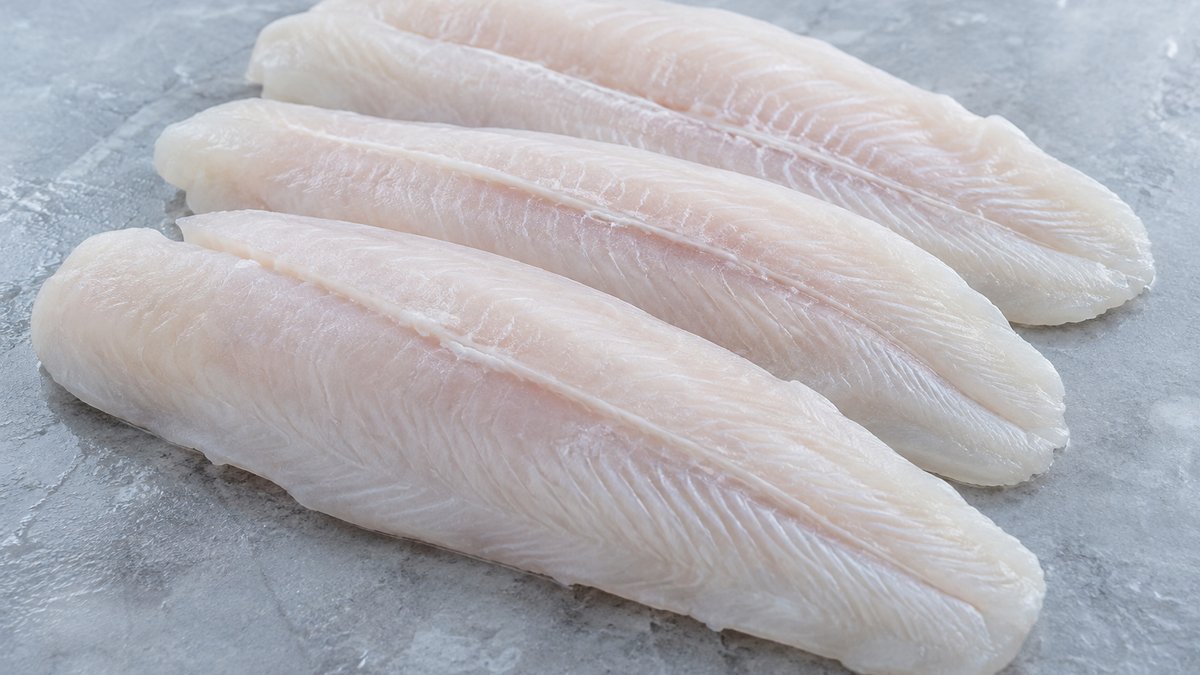
A November 2026 market report quoted Vietnam-origin, EU-standard frozen pangasius fillets at US$2.35 to US$2.50 per kilogram FOB Ho Chi Minh City. The quote covers skinless, boneless, white-meat fillets with the red line removed, individually quick frozen, in 170 to 220 gram and 220 to 300 gram sizes. It is an export-price reference for an EU-facing specification, not a confirmed German import transaction or a delivered price.
This update uses the latest dated quote located by 14 November 2026 and separates that Vietnam-side FOB offer from Germany-side freight, insurance, import charges and distribution costs. European demand indicators provide market context, but they do not establish a German buyer’s order or the price for every size, trim or shipment.
Key Takeaways
- A November 2026 report quoted Vietnam-origin EU-standard pangasius fillets at US$2.35 to US$2.50/kg FOB Ho Chi Minh City. The specification is skinless, boneless, red-line removed and IQF, in two size ranges.
- The same report said Q4 2026 CFR prices for frozen pangasius fillets across specifications rose by US$0.15 to US$0.20/kg. It did not specify the comparison dates or a matching EU-grade series.
- A current, like-for-like November price from a competing origin was not verified, so a country price ranking would be unsupported.
- An industry report put EU pangasius imports at 65,500 tonnes in 2025, 4,400 tonnes above 2024. A September 2026 report citing VASEP described Germany as Europe’s largest pangasius import market.
- Buyers should compare the same trim, size, freezing method, glaze and net-weight basis, then calculate delivered cost to the destination. The FOB quote excludes later freight and insurance.
1. Market Overview
Vietnam is the main origin behind the EU pangasius trade described in the available market sources. The European Fish Price Report, published in March 2026, put EU pangasius imports at 65,500 tonnes in 2025, an increase of 4,400 tonnes from 2024. The report discusses European demand as a regional total; it does not provide a current German import price or a country-by-country ranking for that volume.
Germany is an important destination for frozen pangasius fillets. A September 2026 report citing a VASEP expert said Germany had overtaken the Netherlands as Europe’s largest pangasius import market. That statement describes the European market ranking reported at that time. It does not give Germany’s import tonnage, current import value or the share supplied by any one exporter.
Vietnam’s pangasius exports reached more than US$2.1 billion in 2025, according to figures reported by VOV in 2026 from Vietnam’s Ministry of Agriculture and Environment. That is a value for the country’s overall pangasius exports, not a price series for German-bound fillets. VOV also reported that VASEP expected 2026 exports to reach around US$2.3 billion; that is an attributed forecast, not a final result.
For German procurement, the useful distinction is between a Vietnam FOB quotation, a freight-inclusive offer and the final landed cost. The November quote is for a stated EU-facing product specification at the Vietnamese loading port. It does not include the costs a buyer may incur after loading, such as ocean freight, insurance, customs charges, storage or inland delivery.
Looking to Source Frozen Pangasius Fillet?
Connect with verified suppliers, discover matching products, and explore sourcing opportunities from global markets.
2. Latest Frozen Pangasius Fillet Export Prices
2.1 Current Export Price in Vietnam
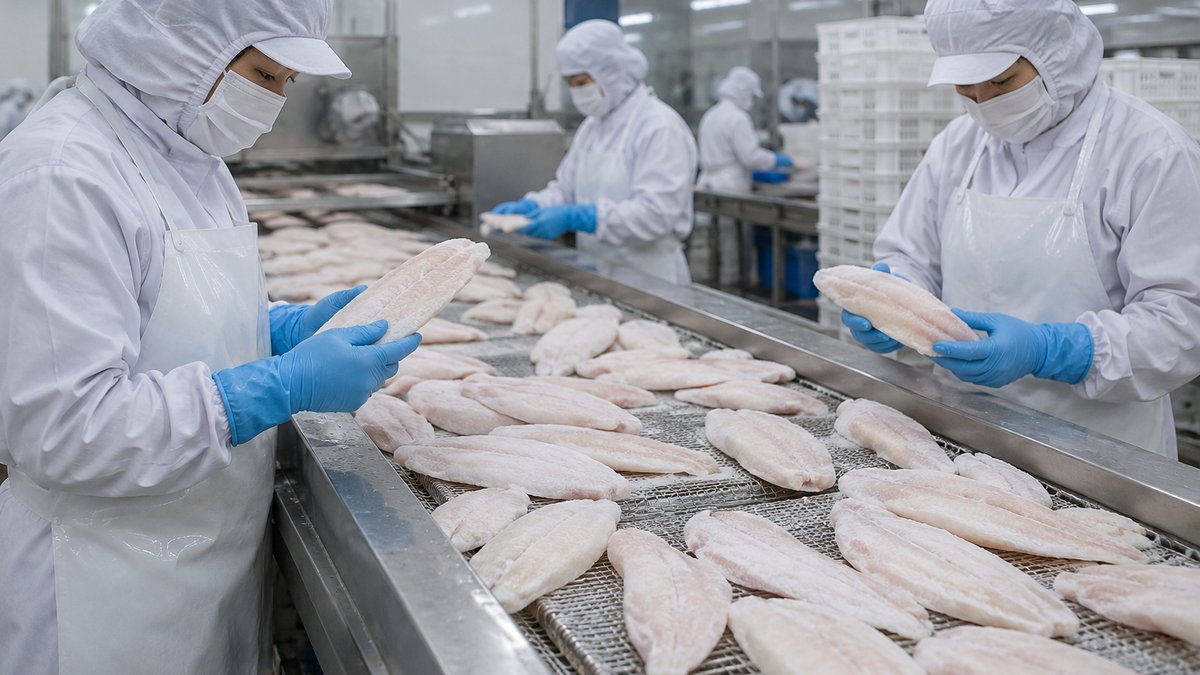
The latest dated quote located for a German buyer’s relevant EU-grade specification was US$2.35 to US$2.50/kg FOB Ho Chi Minh City in a November 2026 report by The Seafood Intelligence. The report describes white-meat fillets that are skinless and boneless, with the red line removed, IQF-frozen, and sized at 170 to 220 grams or 220 to 300 grams. The report does not state a German buyer, a specific shipment or a validity period for the quote.
FOB, or Free On Board, means the quotation names a loading port and excludes the buyer’s freight and insurance after the goods are loaded. The source labels the price FOB Ho Chi Minh City, so buyers should confirm the exact loading port, shipment window, currency and quote validity with a supplier before using the range for budgeting. It is an indicative export quotation, not an offer guaranteed to remain available.
All three ranges come from the same November 2026 report and describe Vietnam-origin products. The lower ranges are not like-for-like alternatives to the EU-standard fillet: the source identifies different trimming or size details. The price gap therefore cannot be read as a country premium or as a saving a German importer could achieve without matching product specifications.
2.2 Price Comparison by Exporting Origin
A same-period, same-specification export price from a competing origin was not verified for this update. The available November figures show three Vietnam product specifications, not a comparison of Vietnam against other exporting countries. A country table would imply a like-for-like benchmark that the located evidence does not provide.
Buyers comparing origins should request quotations for the same fish size, trim, red-line status, freezing method, glaze, net weight, packaging, quantity and shipment period. A price quoted CFR or CIF Germany cannot be compared directly with the FOB Ho Chi Minh City range without accounting for the included freight and insurance.
2.3 Price Trend and Changes
The November 2026 report said CFR quotations for frozen pangasius fillets across specifications rose by US$0.15 to US$0.20/kg during Q4 2026. CFR means the seller pays the cost and freight to the named destination port; insurance is not included. The report did not specify the dates used for the comparison or give a separate change for the EU-standard specification, so this movement should not be added to the FOB range as if it were a matched price series.
The same report attributed firmer export quotations to tight raw-fish availability and higher input costs. It reported that Vietnamese farm-gate prices for fish weighing 0.7 to 1 kilogram reached VND32,000 to VND34,000/kg during the week of 26 September to 2 October 2026. Those are dated farm-gate prices for raw fish, not processed fillet prices, and they cannot be compared directly with the November FOB quotation.
No consistent historical series for the exact EU-standard fillet specification was verified for this update. Buyers should treat the November range as a dated reference and obtain fresh written offers for their required size, trim and shipment date.
3. Why Are Frozen Pangasius Fillet Export Prices Changing?
The November report linked higher fillet quotations to raw-fish availability and input costs in Vietnam. When processors face higher raw-material costs, their offers may change, but the report does not quantify how much of the quoted fillet price came from each input or establish a guaranteed future price direction.
Fish size and processing yield also affect the quotation a buyer receives. The report separates EU-standard fillets from red-line-retained products and from larger standard-trimmed fillets. Buyers should ask whether the offered product matches the required trim and size rather than treating all frozen pangasius fillets as one grade.
Shipment terms can make two headline prices look different even when the fish specifications match. FOB covers the export-side delivery to the named loading point, while CFR includes freight to the named destination port and CIF also includes insurance. The terms do not by themselves settle costs such as import charges, inspection, handling or inland delivery in Germany.
The available price report does not isolate currency movements, freight changes or German retail demand as causes of the November FOB quote. Buyers should check those items against their own shipment and delivery plan instead of assigning the entire price movement to one factor.
4. Which Countries Import the Most Frozen Pangasius?
4.1 Major Global Importing Markets
The March 2026 European Fish Price Report recorded 65,500 tonnes of pangasius imports into the EU during 2025, up 4,400 tonnes from the prior year. This is a regional total, not a global ranking of importing countries. The sources verified for this update do not provide a comparable current set of country import volumes suitable for ranking the world’s largest markets.
Within Europe, Germany was described as the largest pangasius import market in a September 2026 report citing VASEP. Germany’s position makes it a relevant destination for exporters quoting EU-standard frozen fillets, but that reported ranking does not establish current purchase volumes or a price for German importers.
4.2 Main Export Destinations of Vietnam
Vietnam’s total pangasius export value exceeded US$2.1 billion in 2025, according to VOV’s 2026 report of Ministry of Agriculture and Environment figures. The report does not break that annual total down into German shipments or provide Germany’s share. A German buyer should therefore treat the overall export figure as background on Vietnam’s sector, not as evidence of current German demand.
A September 2026 report citing VASEP described Germany as the leading European import market, but did not state the comparison period, tonnage or year-on-year change. This supports identifying Germany as an important destination; it does not support a precise destination-share table.
4.3 Market Opportunities for Exporters
The reported EU import increase in 2025 and Germany’s reported leading position in Europe point exporters toward a market worth assessing. Neither figure confirms an order. Before quoting, exporters should establish the buyer’s target size, trim, freezing method, packaging, quantity, delivery term and shipment window.
A forecast for Vietnam’s 2026 total pangasius exports is also separate from confirmed German demand. VOV reported VASEP’s forecast of around US$2.3 billion for 2026 in its 2026 coverage of 2025 trade. Exporters should not present that forecast as a German buyer commitment or as a guaranteed price trend.
5. Where Can Buyers Source Frozen Pangasius Fillet at a Competitive Price?
Compare a matched product and delivery basis before deciding which quotation is competitive. The November 2026 reference of US$2.35 to US$2.50/kg applies to a specified EU-standard fillet on an FOB Ho Chi Minh City basis. It does not represent the delivered cost in Germany.
- Specify the size range and whether the fillet is skinless and boneless, with the red line removed, or prepared to another trim.
- State whether the product must be IQF or block frozen, and request the declared glaze percentage and net weight basis.
- Set the carton size, packaging, order quantity and shipment window before requesting comparable quotations.
- Name the delivery term and port. Compare FOB with FOB, or compare freight-inclusive offers to the same destination port.
- Add freight, insurance where applicable, import charges, port handling and inland delivery to assess the landed cost in Germany.
- Ask each supplier to state the quote date, validity period, currency, loading port and any conditions that could change the price.
A lower FOB figure may cease to be the lower-cost option once the buyer adds freight or finds that the size, trim or glaze differs from the requirement. Requesting offers against one written specification makes differences easier to check. Confirm current import and documentation requirements for the product and shipment with the relevant authorities or qualified trade advisers before contracting.
Buying consideration: Before accepting a quote, reconcile the product specification, net-weight basis, delivery term and shipment date on the quotation and contract. Use the November market figure as context, then verify the supplier’s current price for the exact order.
6. What Does the Latest Demand Look Like on Freshdi?
No Freshdi buying-request data was included for this article, so there are no platform request counts, buyer destinations, quantities or trade terms to report. The EU import figures and Vietnam export values above come from published market sources and should not be treated as Freshdi activity.
For a specific request, suppliers need to check the buyer’s stated product details and delivery needs before deciding whether to respond. For a sourcing search, buyers can compare relevant product listings and verify specifications, availability and current quotations with potential suppliers.
7. What Should Buyers and Suppliers Do Next?
7.1 For Buyers and Importers
- Use one specification sheet when asking suppliers for prices, including size, trim, freezing method, glaze, net weight and packaging.
- Request prices on the same delivery basis and destination port. Keep the November 2026 FOB reference separate from a CFR, CIF or delivered quote.
- Calculate landed cost using the shipment’s freight, insurance, import charges, handling and inland transport rather than comparing export prices alone.
- Confirm shipment availability, quote validity and any product or document requirements that apply to the German import.
- Compare the supplier’s written offer with the contract specification and agree how product weight and quality will be checked.
7.2 For Exporters and Suppliers
- State the exact fillet size, trim, red-line status and freezing method in each offer.
- Show the price currency, unit, named loading port, Incoterm and quotation validity date.
- Clarify whether the quoted weight is net fish weight or includes glaze, and describe the packaging and order quantity.
- Confirm availability and shipment timing before sending a quote for German delivery.
- Use current written freight information when quoting a destination-port term, and separate that freight-inclusive price from an FOB benchmark.
8. How Freshdi Helps Buyers and Suppliers Connect
A dated market quote helps buyers frame a request, while a clear product specification helps suppliers decide whether they can quote the order. Freshdi’s seafood category pages can help buyers review potential suppliers and help suppliers find relevant buying requests. The November price range in this update is not a Freshdi quotation.
Buyers can browse potential seafood suppliers and frozen pangasius fillet suppliers. Suppliers can review seafood buying requests and frozen pangasius fillet requests. Confirm current product details and commercial terms with the relevant counterparties.
Buyers and suppliers comparing a specific frozen pangasius fillet order can use the relevant categories to review potential counterparties and sourcing requests.
View Latest Seafood & Aquatic Products Buying Requests →View Potential Seafood & Aquatic Products Suppliers →
9. Germany Frozen Pangasius Fillet Market Outlook
The latest dated Vietnam export reference located for an EU-standard frozen pangasius fillet was US$2.35 to US$2.50/kg FOB Ho Chi Minh City in a November 2026 report. The same report described higher Q4 CFR prices across specifications, but did not give a matching historical series for the EU-grade FOB range or a German delivered price.
Vietnam supply costs and European import demand provide context for negotiations, not a forecast of the next German purchase price. Buyers should test current offers against the precise product specification and full landed cost. Exporters should date each quotation and state the basis, port and validity period.
Freshdi is a place to review relevant seafood suppliers and buying requests when planning the next sourcing step.
Buyers ready to compare potential sources can review suppliers related to frozen pangasius fillet.
View Related Suppliers for This Product →
Frequently Asked Questions
What is the latest export price for frozen pangasius fillet relevant to Germany?
A November 2026 report quoted Vietnam-origin EU-standard frozen pangasius fillets at US$2.35 to US$2.50/kg FOB Ho Chi Minh City. The stated product is skinless, boneless, white meat, red-line removed and IQF, in 170 to 220 gram and 220 to 300 gram sizes. The figure is an export quote, not a German delivered price or a firm offer.
Does the November 2026 price include shipping to Germany?
No. The reported basis is FOB Ho Chi Minh City, which excludes the buyer’s freight and insurance after loading. A buyer should obtain the shipment’s current freight cost and calculate applicable insurance, import charges, handling and inland delivery separately.
Why does the EU-standard pangasius fillet quote differ from other ranges?
The November report gives different prices for different products. Its EU-standard range is for skinless, boneless fillets with the red line removed and IQF freezing. Other ranges in the report retain the red line or specify a different trim or size. Compare offers only after confirming those details, along with glaze and net weight.
Did frozen pangasius fillet prices rise in Q4 2026?
The November 2026 report said CFR prices across frozen pangasius fillet specifications rose by US$0.15 to US$0.20/kg in Q4. It did not specify the comparison dates or give a separate movement for the EU-standard FOB quotation, so that change is not a like-for-like price trend for German buyers.
Is Germany a major market for pangasius?
A September 2026 report citing VASEP described Germany as Europe’s largest pangasius import market. The report did not provide a German import volume or share in the information used here. Separately, the March 2026 European Fish Price Report put total EU pangasius imports at 65,500 tonnes in 2025.
How should a German buyer compare frozen pangasius quotations?
Ask suppliers to quote the same size, trim, freezing method, glaze, net weight, packaging, quantity and shipment period. Use the same Incoterm and destination port where possible, then add freight and other destination costs to compare landed cost. Check the quote date and validity before budgeting.
References
1. The Seafood Intelligence – Vietnamese Pangasius Farm-Gate Prices Hit Record High, Export Fillet Quotes Raised Across the Board!, November 2026.
2. INFOFISH – European Fish Price Report, March 2026, March 2026.
3. VOV – Pangasius exports bring back US$2.1 billion in 2025 amid market shifts, 2026.
4. Vietnam News, reported by InCham Hanoi – Pangasius exports show signs of recovery, September 3, 2026.
Disclaimer: This article is compiled from platform data, public sources and information provided by third parties, for general informational purposes only. We do not guarantee its accuracy or completeness. Prices, volumes and forecasts are indicative, reflect conditions as of 2026-11-14 and may change without notice. This is not financial, investment or trading advice.