
Introduction
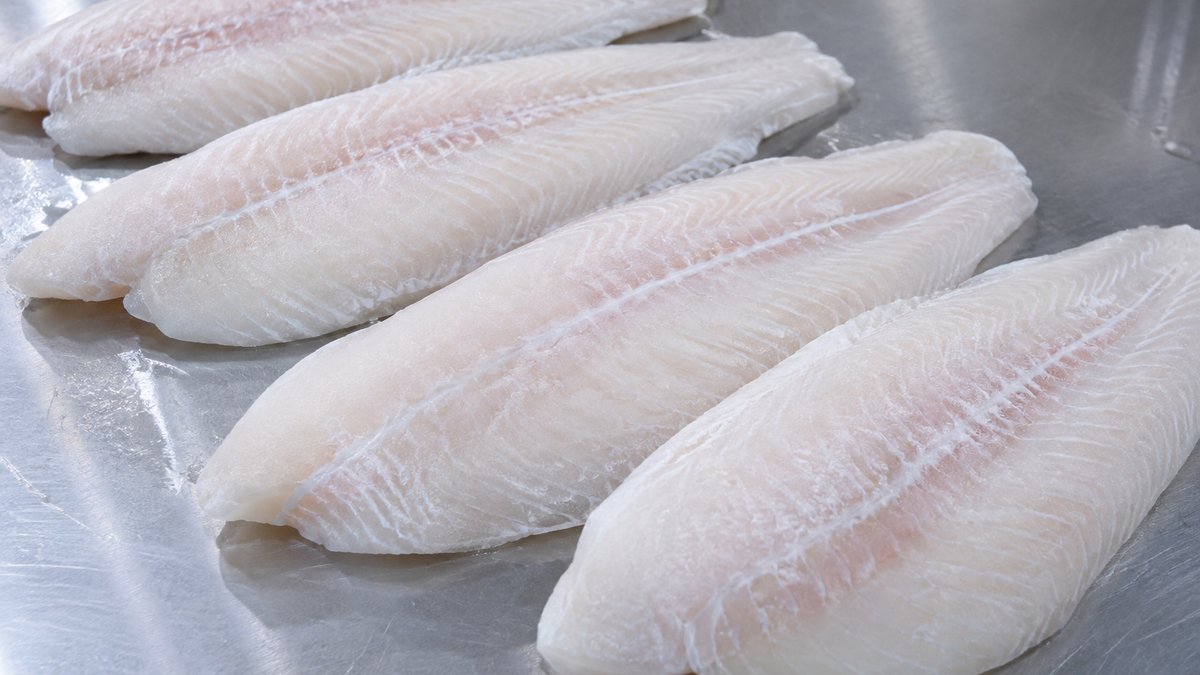
A November 2026 market report quoted Vietnam-origin frozen pangasius fillets with red line at US$1.95 to US$2.15 per kilogram FOB Ho Chi Minh City for 220 to 300 gram and 300-gram-and-above sizes. This is an origin-side export benchmark, not a Mexico-specific import quotation or delivered price.
The available November quote does not state that it was negotiated for Mexico, and the sources reviewed do not establish a current Mexico landed price for a matching specification. The update therefore separates the Vietnam FOB reference from evidence of Mexican demand and explains what importers need to add before comparing offers. Its price period is November 2026; trade evidence is reported separately by its own period.
Key Takeaways
- A November 2026 report quoted Vietnam-origin China/US-standard fillets with red line at US$1.95 to US$2.15/kg FOB Ho Chi Minh City, for stated size groups. The quote is not a Mexico-delivered price.
- The same report gave different FOB ranges for other Vietnam fillet specifications. Those are product-grade comparisons, not country-to-country price comparisons.
- FAO reported that Vietnam supplied 210,830 of 230,129 tonnes of frozen pangasius traded internationally in the first quarter of 2026. Mexico, Brazil and Colombia together imported 20,620 tonnes of Vietnamese frozen fillets, 18% more year on year; the reported figure does not isolate Mexico.
- The November source reported a US$0.15 to US$0.20/kg rise in fourth-quarter CFR prices across specifications. It did not provide a Mexico-specific CFR series or a comparison period for that change.
- Mexican buyers should compare the same fillet size, trim, red-line status, glaze, net weight, packaging and delivery basis, then calculate landed cost for their destination port.
1. Global Pangasius Supply and Demand Set the Mexico Context
Vietnam is the dominant source in the recent international frozen pangasius trade figures reported by FAO. In the first quarter of 2026, Vietnam supplied 210,830 tonnes of the 230,129 tonnes traded internationally, a 92% share. Frozen fillets accounted for 84% of Vietnam’s exports in that period. These figures describe international trade, not Mexico’s total imports or a forecast for the full year.
Mexico is a documented destination for Vietnamese frozen fillets. FAO reported that Mexico, Brazil and Colombia together imported 20,620 tonnes in the first quarter of 2026, 18% more than a year earlier. The report also noted particularly strong growth in Mexico, but the combined tonnage cannot be assigned to Mexico alone.
For broader context, FAO’s July 2026 summary of 2025 trade reported that about 100 countries imported approximately 906,000 tonnes of frozen pangasius from Vietnam. China and the United States were the two largest markets, while frozen fillets made up 82.7% of imports and grew 5.6% from 2024. These historical figures show the breadth of the trade; they do not rank Mexico among all importing countries by total pangasius imports.
Vietnam’s position matters to Mexican buyers because the November price reference in this update is a Vietnam FOB quote. It should be used as a point for supplier discussions, not treated as a Mexican wholesale price, a customs value or a confirmed offer for a particular shipment.
Looking to Source Frozen Pangasius Fillet?
Connect with verified suppliers, discover matching products, and explore sourcing opportunities from global markets.
2. Latest Frozen Pangasius Fillet Prices for November 2026
2.1 Current Vietnam export price reference
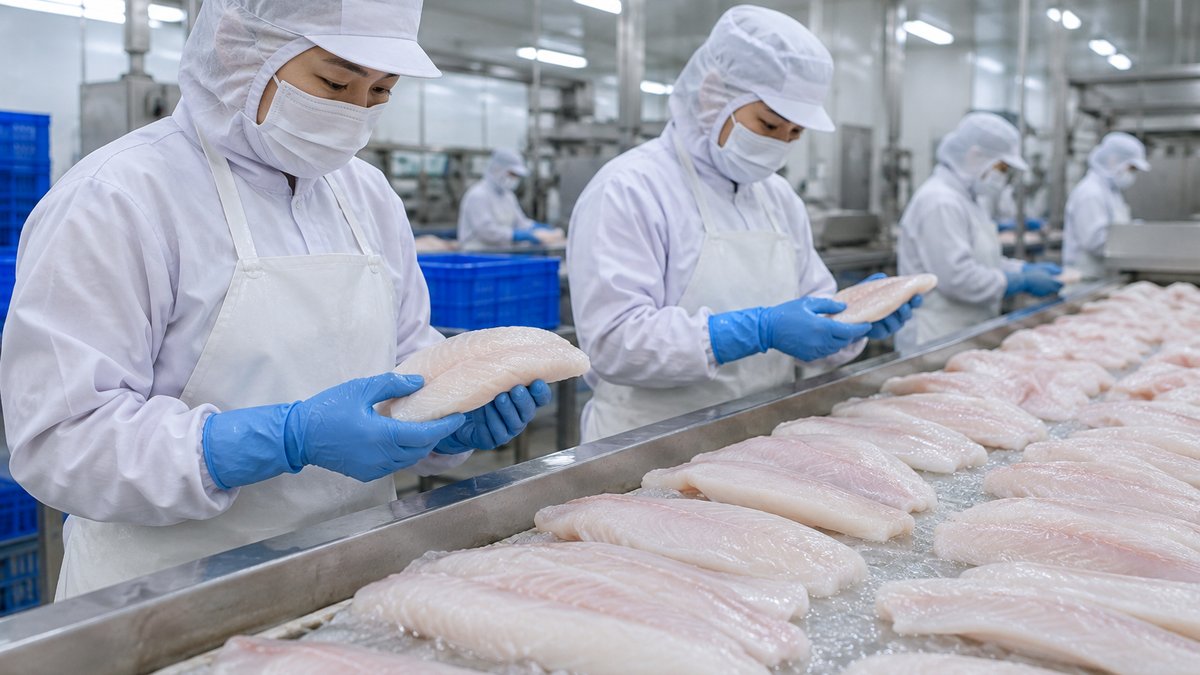
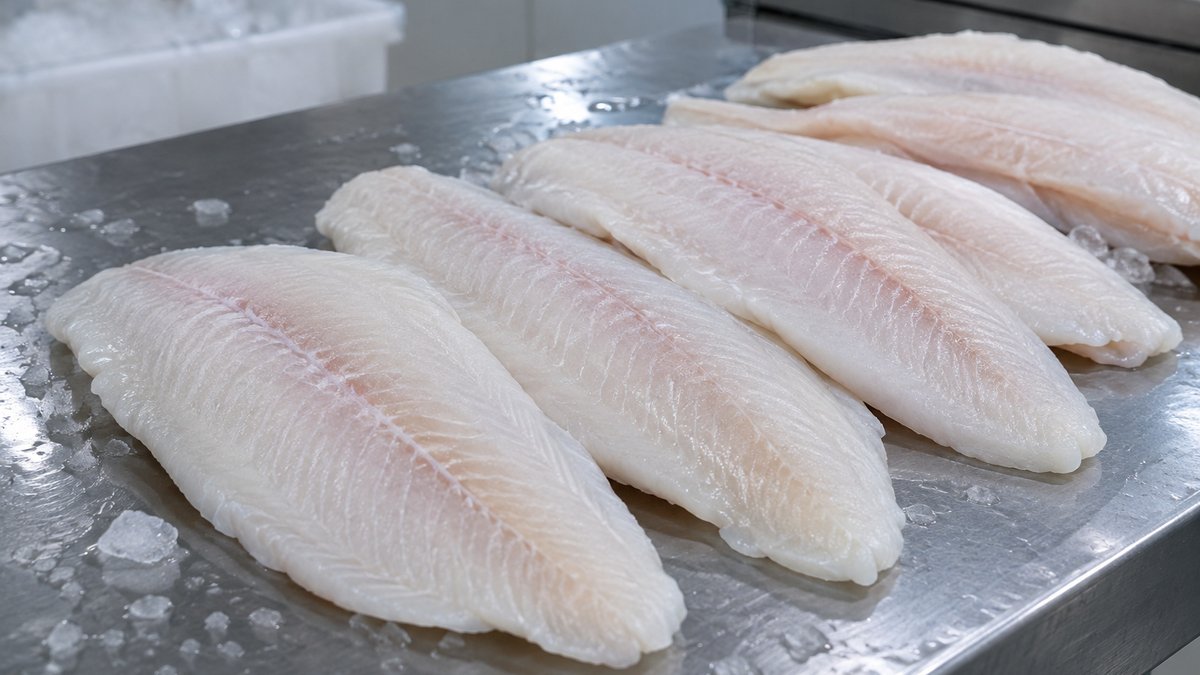
A November 2026 report from The Seafood Intelligence quoted Vietnam-origin China/US-standard fillets with red line at US$1.95 to US$2.15/kg FOB Ho Chi Minh City. The specified sizes were 220 to 300 grams and 300 grams and above. FOB means the quote covers the seller’s delivery basis through loading at the named port; it does not include the buyer’s ocean freight or insurance after loading. The source does not identify a Mexican buyer, destination port, shipment or transaction behind this range.
The same report listed other Vietnam-origin products at different price levels. Each row below describes a separate specification from the same November report. Trim, size and product form differ, so the figures should not be read as an origin premium or as equivalent product quotes.
These are export quotations reported in November, not guaranteed prices or Mexican landed costs. The report does not supply a matching November quote from another exporting country, so a like-for-like country price ranking cannot be made from these figures. It also does not state a price-validity date for an individual offer. Buyers should request a current written quotation against their own specification.
2.2 What changed and what the comparison can show
The November report said fourth-quarter CFR prices for frozen pangasius fillets across specifications increased by US$0.15 to US$0.20/kg. CFR means the seller pays freight to the named destination port; insurance is not included in that term. The report does not specify a Mexico destination, a matching fillet grade, or the comparison period behind the stated increase. It therefore cannot be applied directly to the FOB range above or used to calculate a Mexican import price.
Raw fish costs provide supply-side context, although they are not a substitute for a processed-fillet export quote. A Vietnam market report said prices for 0.7 to 1 kilogram fish reached VND32,000 to VND34,000/kg during the week of 26 September to 2 October 2026. Those are farm-gate prices for raw fish, reported for a different period and product stage. Processing yield, trim, freezing, packaging and freight separate them from a fillet price.
3. Why Pangasius Export Prices Are Changing
Raw-fish availability and processing schedules are cited in the November report as factors behind higher quotes. It described elevated raw-material costs and tight production scheduling, alongside rising fourth-quarter CFR prices. The report’s evidence is broad across specifications; it does not quantify how much of the change applies to a particular Mexican order.
Harvest timing can affect the supply of fish in the sizes processors need. A buyer ordering a narrow fillet size should ask whether the supplier has finished product in stock or plans to process against the order. That distinction affects shipment timing and the period for which a quote can reasonably remain valid.
Demand is another part of the picture. FAO reported stronger first-quarter 2026 purchases across Mexico, Brazil and Colombia combined, and identified Mexico among markets with particularly strong gains. The combined trade total does not reveal Mexico’s individual volume, current orders or the grade being purchased.
Currency and freight can change a Mexican buyer’s cost even when the Vietnam FOB quote is unchanged. A buyer needs a quote in an agreed currency, a named loading port, a shipment window and a delivery basis to compare the goods with local costs. Port charges, insurance, customs costs and any applicable taxes or duties should be checked for the specific shipment rather than assumed from an export quote.
Competition between origins may matter in negotiation, but the sources used here do not provide November prices from other origins for the same grade and basis. Buyers should avoid treating a different cut, size, trim or delivery term as a direct substitute for the Vietnam benchmark.
4. Which Countries Import the Most Pangasius?
4.1 Major global importing markets
FAO’s July 2026 summary identifies China and the United States as Vietnam’s two largest pangasius markets in 2025. It reports around 906,000 tonnes of Vietnamese frozen pangasius imported across about 100 countries that year, but the summary does not give a current ranked table of every country’s total imports from all origins.
Mexico is relevant to Vietnamese exporters, but the first-quarter 2026 evidence groups its volume with Brazil and Colombia. The combined figure of 20,620 tonnes is useful as a regional trade signal; it is not a Mexico-only statistic.
4.2 Vietnam’s export destinations and Mexico’s position
The first-quarter 2026 FAO report describes stronger pangasius trade led by China and reports growth in several markets, including Mexico. It does not state Mexico’s individual import volume or a Mexico share of Vietnam’s exports. That limitation matters when exporters assess destination demand: a regional aggregate cannot stand in for an individual country’s order book.
4.3 What the demand figures mean for exporters
The reported growth supports monitoring Mexico as a destination for Vietnamese frozen fillets. It does not establish a forecast, a confirmed tender or an order available to any supplier. Exporters still need to check buyer specifications, volume, delivery timing and destination requirements before setting an offer.
5. How Mexican Buyers Can Compare Pangasius Offers
Compare landed cost only after the product and delivery terms match. The November Vietnam reference covers fillets with red line in stated size groups on an FOB Ho Chi Minh City basis. A fully trimmed fillet, another size, a different glaze percentage or a CFR offer is a different comparison.
- Specify fillet size, trim, skin status and whether the red line remains.
- State the glaze percentage and the basis for net weight. Confirm whether the price applies to net fish weight or includes glaze.
- Describe freezing method, packaging format, carton weight and order quantity.
- Ask for the currency, named loading port, destination port, shipment window and quotation validity date.
- Compare offers on the same Incoterm. Add freight and insurance as needed, then include destination port charges and applicable import costs in the landed-cost calculation.
- Ask what inspection, quality documents and agreed remedies apply if a shipment does not meet the contract specification.
FOB, CFR and CIF prices cannot be compared as if they cover the same costs. Under CFR, the seller pays freight to the named port, while insurance is not included. Under CIF, freight and insurance are included to the named port. The contract should still state the exact named ports and address other charges that fall outside the quoted basis.
Buying consideration: For a Mexican purchase, request at least two written offers against one specification and one delivery basis. Compare the total cost to the same destination port and shipment window, then confirm that the quote is still valid before making a procurement decision.
6. What Freshdi Buying Requests Can Tell Pangasius Traders
Freshdi buying requests are a separate signal from national trade statistics and export quotations. A request describes an individual buyer’s stated need; it does not measure Mexico’s total demand. Traders comparing a request with an offer should check the product form, quantity, destination and requested trade term, and confirm that the request is current before preparing a quotation.
The November FOB benchmark can help frame a supplier discussion, but it does not establish that a particular Freshdi request seeks that grade or accepts that price. Buyers should describe the intended size, trim, glaze, net weight, packaging, quantity and delivery basis so suppliers can assess whether their offer fits.
Buyers and suppliers checking current pangasius requirements can review the relevant product categories on Freshdi.
View Latest Seafood & Aquatic Products Buying Requests →View Potential Seafood & Aquatic Products Suppliers →
7. What Buyers and Suppliers Should Do Next
7.1 For Mexican buyers and importers
- Use the November Vietnam price as an origin-side reference for the stated red-line fillet sizes, not as a Mexico landed price.
- Send the same written specification to suppliers and ask each to state the quote date and validity period.
- Confirm available volume, shipment timing, product documents, inspection terms and payment conditions before comparing offers.
- Calculate landed cost for the intended Mexican destination port using the agreed Incoterm and current shipment costs.
- Verify import requirements and applicable charges for the product and shipment with the relevant authorities or qualified trade advisers.
7.2 For pangasius exporters and suppliers
- Separate red-line and fully trimmed products, and state the size range for each price.
- Quote the currency, unit, loading port, Incoterm and validity period clearly.
- Specify glaze, net weight basis, packaging, available quantity and shipment window.
- Check the buyer’s destination and stated requirements before offering a price or shipment schedule.
- Review relevant buying requests and prepare a tailored quotation only when the product and delivery conditions fit.
8. How Freshdi Helps Buyers and Suppliers Connect
A price reference helps frame a sourcing discussion; buyers still need to check the specification, delivery basis and total cost. Suppliers need to state those details clearly so potential buyers can judge whether the offer suits the intended order.
Buyers can review potential frozen pangasius fillet suppliers. Suppliers can review frozen pangasius fillet buying requests. Freshdi provides category discovery; both sides should verify current product, price, availability and shipment details before proceeding.
Once a buyer has a target specification, the product categories can help identify relevant suppliers and sourcing requests.
View Latest Seafood & Aquatic Products Buying Requests →View Potential Seafood & Aquatic Products Suppliers →
9. Frequently Asked Questions
What was the latest November 2026 Vietnam export price reference for frozen pangasius fillet? A November 2026 report quoted China/US-standard fillets with red line, in 220 to 300 gram and 300-gram-and-above sizes, at US$1.95 to US$2.15/kg FOB Ho Chi Minh City. It is an export quotation reference, not a Mexico-specific delivered price.
Is US$1.95 to US$2.15/kg the price Mexican buyers pay? No. The reported basis is FOB Ho Chi Minh City, and the source does not identify a Mexico-bound sale. Freight, insurance where applicable, destination charges and other import costs are not represented by that FOB range.
Why do pangasius fillet prices vary by supplier? Offers can cover different sizes, trim, skin and red-line status, glaze, net weight, packaging and shipment dates. The delivery basis also changes which transport costs are included. Compare written offers with matching specifications and terms.
Did pangasius prices rise in the fourth quarter of 2026? The November report said CFR prices across frozen pangasius fillet specifications rose by US$0.15 to US$0.20/kg in Q4 2026. It did not give a Mexico-specific price series or the comparison period for that change, so it should not be applied as a fixed increase to a particular order.
How much Vietnamese frozen pangasius did Mexico import in early 2026? FAO reported a combined 20,620 tonnes of Vietnamese frozen fillets imported by Mexico, Brazil and Colombia in the first quarter of 2026, up 18% year on year. That figure covers the three countries together, not Mexico alone.
How should buyers compare FOB, CFR and CIF quotations? Compare the same product and destination. FOB excludes freight after loading; CFR includes freight to the named destination port but not insurance; CIF includes freight and insurance to that port. Then check which destination charges and import costs remain outside the quote.
Where can buyers find frozen pangasius fillet suppliers on Freshdi? Buyers can review the frozen pangasius fillet supplier category on Freshdi. Before purchasing, confirm the supplier’s current specification, price, quantity, shipment terms and supporting documents.
10. Mexico Frozen Pangasius Fillet Market Outlook
The November 2026 price evidence is a Vietnam FOB benchmark of US$1.95 to US$2.15/kg for specified red-line fillet sizes, not a Mexico-specific landed quotation. FAO’s first-quarter trade report documents Mexico within a group of growing destinations for Vietnamese fillets, but it does not separate the country’s import volume.
Mexican buyers should use the export range to start a current quotation request, then compare identical specifications and calculate landed cost for their port. Exporters should date each offer and state its product grade, price basis, volume and validity. Buyers and suppliers can use Freshdi to find relevant suppliers and buying requests.
Buyers ready to compare current sourcing options can use Freshdi to review relevant frozen pangasius fillet suppliers and buying requests.
View Latest Seafood & Aquatic Products Buying Requests →View Potential Seafood & Aquatic Products Suppliers →

References
1. The Seafood Intelligence – Vietnamese Pangasius Farm-Gate Prices Hit Record High, Export Fillet Quotes Raised Across the Board!, November 2026.
2. Food and Agriculture Organization of the United Nations – China's rebound lifts Viet Nam's pangasius exports, 30 September 2026.
3. Food and Agriculture Organization of the United Nations – Brazil and CPTPP markets drive pangasius trade growth, 23 July 2026.
4. Crystal Food Tech – Raw material prices in Vietnam’s pangasius sector rise as supply tightens, export demand grows, 2026.
Disclaimer: This article is compiled from platform data, public sources and information provided by third parties, for general informational purposes only. We do not guarantee its accuracy or completeness. Prices, volumes and forecasts are indicative, reflect conditions as of 2026-11-16 and may change without notice. This is not financial, investment or trading advice.