
Introduction
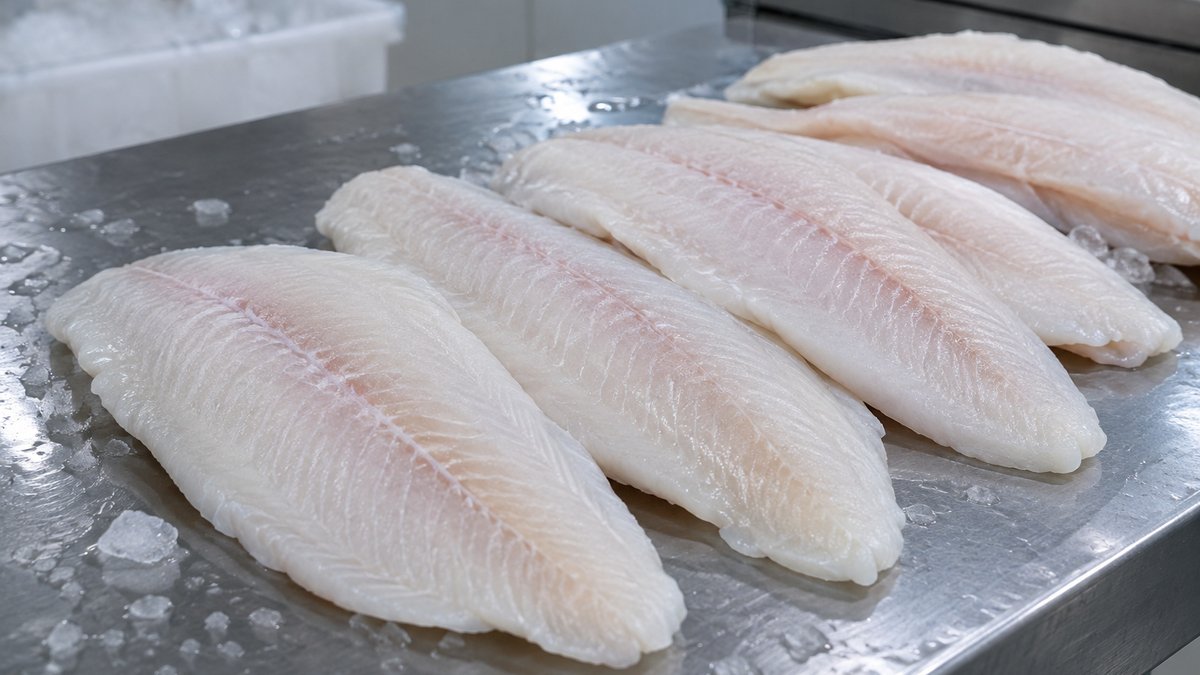
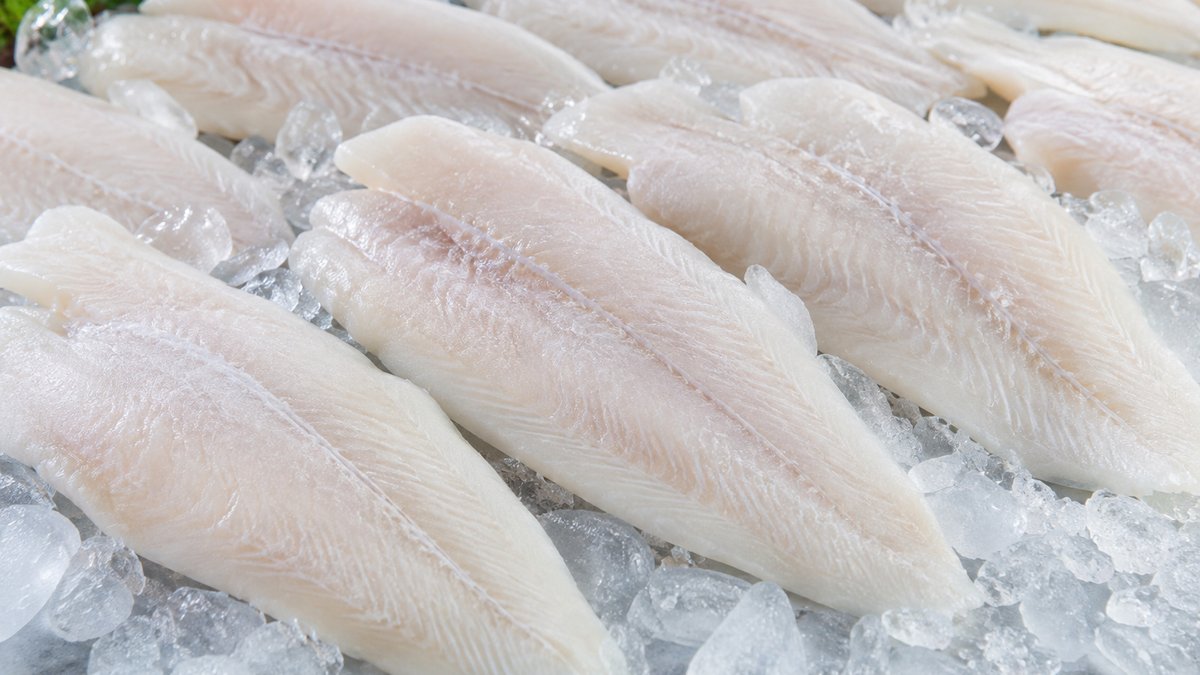
A November 2026 quotation for Vietnamese EU-standard frozen pangasius fillets was US$2.35 to US$2.50 per kilogram FOB Ho Chi Minh City. The November 3 report describes white-meat, skinless, boneless fillets with the red line removed, individually quick frozen, in 170–220 g and 220–300 g sizes. This is an export quotation for an EU-standard product, not a Netherlands-specific CIF or wholesale price.
This update covers reported prices and Netherlands import context available through November 13, 2026. Because the quotation is FOB, it excludes ocean freight, insurance and costs after loading. Buyers should treat it as a dated reference, then request a current offer for their exact specification and delivery basis.
Key Takeaways
- A November 3, 2026 report quoted Vietnamese EU-standard frozen pangasius fillets at US$2.35–2.50/kg FOB Ho Chi Minh City; it is not a Netherlands landed price.
- That report said Vietnamese CFR quotes for frozen pangasius fillets rose US$0.15–0.20/kg in Q4 2026, without giving a single grade-specific starting price.
- The Netherlands imported 14,380 tonnes of pangasius in 2025, the largest national volume among the EU markets listed in the March 2026 European Fish Price Report.
- Different trimming, size and freezing specifications make headline prices poor substitutes for a matched-origin, matched-grade comparison. Ask suppliers to quote the same specification, quantity, shipment window and Incoterm.
1. Netherlands Pangasius Imports Rely on a Vietnam-Led European Supply
The Netherlands is a major European entry and re-export market for pangasius. The March 2026 European Fish Price Report records 14,380 tonnes of Dutch pangasius imports in 2025, out of 65,555 tonnes imported by the EU as a whole. It identifies Vietnam as the EU’s main supplying country, with 63,400 tonnes reported for the year. The report describes the Netherlands as the main EU importer and a re-export hub.
Those figures describe product movement, not the value paid per kilogram. They do not establish a current Dutch import, wholesale or retail price. The latest price reference used here is a Vietnamese export quotation for an EU-standard product. Buyers should keep that distinction clear when using it to assess a Dutch purchase.
Supply conditions in Vietnam also matter to Dutch buyers because Vietnam dominates the European supply described in the report. FAO GLOBEFISH’s September 2026 pangasius analysis says Vietnam maintained its clear dominance, supported by a rebound in the Chinese market and growth across CPTPP and ASEAN markets. Those demand developments provide context, but they do not confirm a specific order or price for the Netherlands.
Looking to Source Frozen Pangasius Fillet?
Connect with verified suppliers, discover matching products, and explore sourcing opportunities from global markets.
2. The Latest Dated EU-Standard Quote Is US$2.35–2.50/kg FOB
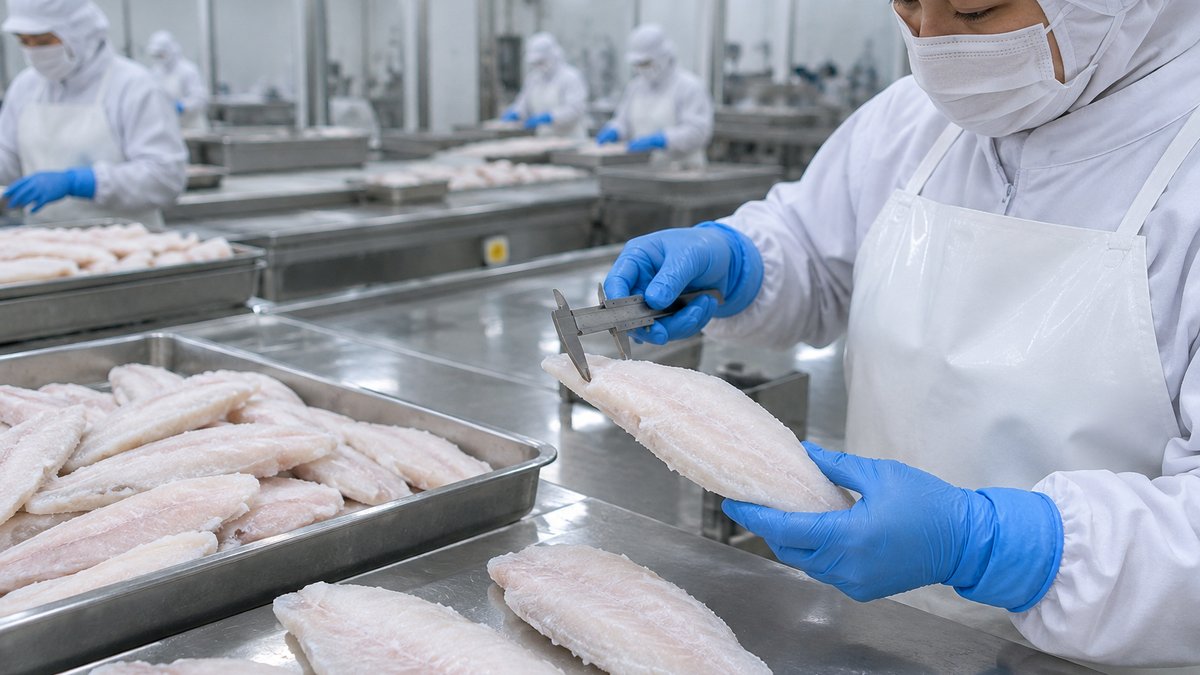
A November 3, 2026 market report gives an indicative FOB Ho Chi Minh City range of US$2.35–2.50/kg for Vietnamese EU-standard, well-trimmed pangasius fillets. The stated specification is white meat, skinless and boneless, with the red line removed, IQF frozen, in 170–220 g or 220–300 g sizes. The report does not identify a Netherlands delivery destination, a named seller, a quote validity period or a Dutch import price.
2.1 Current export price reference
FOB means the seller delivers the goods on board the vessel at the named port; the buyer arranges the main carriage and bears costs and risks after loading under the applicable Incoterms rule. The quoted range therefore excludes the ocean freight, insurance and destination charges a Dutch importer needs to estimate landed cost.
The second row is not a competing-origin price. It is a different Vietnamese product specification reported in the same source. The lower range cannot be used to conclude that one origin is cheaper because trimming and size differ. The source also reports that global CFR quotes for frozen pangasius fillets rose by US$0.15–0.20/kg in Q4 2026, but it does not give a matched grade, destination or starting quote for that change.
2.2 Price trend and limits of comparison
The November report describes an increase in CFR quotations during Q4, while a separate September report gives a dated upstream price reference. SeafoodSource reported that prices paid by Vietnamese packers for raw pangasius rose from about VND 33,000/kg in late August 2026 to about VND 36,500/kg in September. Those are raw-fish prices, not frozen fillet export prices, so they should not be treated as a directly comparable series.
No like-for-like, recent price series for Dutch imports or competing exporting origins is established here. For a procurement decision, compare written offers for the same fillet size, trim, glaze, net weight, packaging, order volume, shipment period and destination. Record the quotation date and validity period; an older offer may no longer reflect the seller’s current raw-material and freight costs.
3. Raw-Fish Costs and Export Demand Are Pressuring Vietnamese Offers
Vietnamese raw-fish prices and export demand provide context for the recent quotation increase. SeafoodSource reported that pangasius production reached an estimated 496,200 metric tonnes in Q3 2026, up 3.3% year on year, while output for the first nine months exceeded 1.4 million tonnes, up 4.4%. The report also cited a packer’s estimate of raw-fish prices at around VND 36,500/kg in September, compared with about VND 33,000/kg in late August.
A November 3 market report separately put October farm-gate prices at VND 37,000–38,000/kg and attributed the increase to tighter raw-fish supply and stronger buying. It also said processors raised overseas quotations in Q4. These are attributed market observations, not a government price index or a guarantee that every processor has changed its offer by the same amount.
For Dutch importers, the product specification can change the quote as much as the origin. Red-line removal, fillet size, glaze and IQF processing affect the amount of usable product and the processing work included in the price. The November report’s different Vietnamese price bands illustrate why a buyer should confirm the exact specification before comparing offers.
Currency and logistics also affect the buyer’s delivered cost. A dollar-denominated FOB price will not include the importer’s exchange-rate exposure, freight, insurance, port handling or onward transport. Shipment timing and the quantity available for the requested loading window can change the seller’s offer. Ask the supplier to state which charges are included and which remain for the buyer.
Harvest conditions, inventory and export demand can affect the availability of raw fish and finished fillets. The sources cited here identify supply and demand as current influences, but they do not quantify the separate contribution of weather, currency movements or logistics to the November fillet quotation. Buyers should monitor those factors rather than assigning an unsupported price impact to any one of them.
4. The Netherlands Was the EU’s Largest Pangasius Importer in 2025
The Netherlands imported 14,380 tonnes of pangasius in 2025, ahead of Germany, Spain and Belgium in the national figures reported by the European Fish Price Report in March 2026. The report’s EU-wide total was 65,555 tonnes, with Vietnam supplying 63,400 tonnes. These are import volumes for 2025, not forecasts or current buyer orders.
4.1 Major EU importing markets
The Netherlands’ role as a trade hub means a Dutch import total should not be read as Dutch final consumption alone. Some goods entering the country may be redistributed to other markets. The figures do not identify which Dutch buyers will purchase next or what prices they will accept.
4.2 What the figures mean for exporters
The 2025 import volume establishes the Netherlands as a substantial European destination for pangasius, while the Vietnam supply figure shows the importance of that origin to the EU market. Neither measure confirms an open tender, a buyer’s specification or a current order. Exporters assessing the Dutch market should treat import statistics as context and confirm demand, product requirements and delivery terms with each buyer.
5. Compare Landed Cost and Specification Before Choosing an Offer
A low FOB quote does not establish the lowest cost for a Dutch buyer. Add freight, insurance, port and handling costs, import-related charges and inland delivery before comparing offers on a delivered basis. Keep the Incoterm and named place consistent across supplier quotations.
- Write the product specification in measurable terms: fillet size, trimming, red-line status, glaze percentage, net weight, freezing method and packaging.
- Request the same order quantity, shipment window, loading port and quotation currency from each supplier.
- Ask suppliers to state the Incoterm and named port or place, plus the quote date and validity period.
- Add freight, insurance and destination costs where the offer excludes them. Compare the resulting landed cost per kilogram of net product.
- Check the applicable EU and Dutch import requirements for the product and shipment. Confirm required documentation and any buyer-specific tests before agreeing the contract.
- Confirm sample approval, inspection arrangements, payment conditions and how the contract handles short weight or specification differences.
Buying consideration: For this November reference, compare a Dutch-bound offer against the Vietnamese EU-standard FOB range only after matching the fillet specification and adding the costs excluded by FOB. If the supplier offers CFR or CIF, confirm the named destination port and exactly which freight and insurance charges are included.
Illustrative quotation request:
Product: Frozen pangasius fillets, with full trim and size specification
Quantity: State metric tonnes and packaging
Delivery basis: State Incoterm and named Dutch destination
Shipment: State requested loading window
Quote: State currency, price basis, validity and included charges
This is an illustrative inquiry format. Buyers must set product and shipment requirements for their own order.
6. Freshdi Buying Requests Can Add Buyer-Specified Requirements
Published trade statistics describe recorded imports, while individual buying requests describe the requirements a particular buyer chooses to state. For sourcing frozen pangasius fillets, review each request for destination, quantity, product form, specification and requested trade term before deciding whether it matches an offer.
A request is not a measure of total Dutch demand and does not confirm a completed transaction. Treat it as a buyer’s stated requirement and check that the product, shipment timing and delivery basis fit your own supply. The same discipline applies when comparing supplier listings: check the specification and quotation details rather than relying on a headline price.
7. Buyers and Exporters Should Act on the Same Written Specification
7.1 For buyers and importers
- Use the dated US$2.35–2.50/kg Vietnam FOB range as a reference for the stated EU-standard specification, not as a current Dutch landed price.
- Send one specification and destination basis to each supplier so that the offers can be compared directly.
- Request a delivered-cost breakdown, including freight, insurance and destination charges where applicable.
- Confirm current availability, shipment timing, documentation and quality checks before budgeting against a market report.
7.2 For exporters and suppliers
- State the fillet size, trim, red-line status, glaze, net weight, freezing method and packaging with each offer.
- Identify the loading port, Incoterm, currency, quotation date and validity period.
- Separate FOB, CFR and CIF offers and name the destination port for delivered quotations.
- Update buyers if raw-material availability or shipment timing changes, and tailor each quotation to the buyer’s stated specification.
8. Freshdi Connects Buyers with Suppliers and Buying Requests
Buyers can use Freshdi’s frozen pangasius supplier category to review potential suppliers, while exporters can review relevant buying requests and assess whether the stated requirements match their products. A profile or request is a starting point for a commercial discussion, not confirmation of a transaction or a guaranteed result.
Buyers comparing frozen pangasius offers can look for suppliers whose listed product and delivery details match their written specification.
Buyers can compare potential suppliers and exporters can review relevant requests for frozen pangasius.
View Latest Seafood & Aquatic Products Buying Requests →View Potential Seafood & Aquatic Products Suppliers →
9. Dutch Buyers Should Recheck Offers Before Setting a Budget
The latest dated reference in this update is a November 3, 2026 Vietnamese FOB quotation of US$2.35–2.50/kg for a specified EU-standard fillet. Vietnamese raw-fish prices and Q4 export quotation reports indicate upward pressure, while 2025 import data confirms the Netherlands’ importance in the European pangasius trade. None of these figures substitutes for a current, destination-specific supplier offer.
Before committing to a purchase, Dutch importers should confirm the specification, shipment window, Incoterm and full landed cost. Exporters should quote those details clearly and keep the offer’s date and validity visible.
Buyers ready to compare product-matched offers can review potential frozen pangasius suppliers on Freshdi.
View Related Suppliers for This Product →

Frequently Asked Questions
What is the latest frozen pangasius fillet price for the Netherlands?
The latest dated quotation used here is from November 3, 2026: US$2.35–2.50/kg FOB Ho Chi Minh City for Vietnamese EU-standard, well-trimmed fillets in specified sizes. It is not a Netherlands-specific CIF, wholesale or retail price.
Did Vietnamese pangasius export prices rise in Q4 2026?
A November 3 market report said global CFR quotations for frozen pangasius fillets rose by US$0.15–0.20/kg in Q4 2026. It did not provide a grade-specific starting price or a Netherlands destination benchmark, so the reported change cannot be applied directly to every offer.
Which countries supply pangasius to the Netherlands?
The March 2026 European Fish Price Report identifies Vietnam as the main supplier to the EU, with 63,400 tonnes in 2025. That source reports the Netherlands’ total pangasius imports at 14,380 tonnes for the same year, but the figures cited here do not give a country-by-country breakdown of Dutch imports.
Which EU countries import the most pangasius?
In the 2025 figures published in the March 2026 European Fish Price Report, the Netherlands imported 14,380 tonnes, Germany 9,429 tonnes, Spain 8,446 tonnes and Belgium 7,349 tonnes. The EU total was 65,555 tonnes. These are annual import volumes, not current orders or price forecasts.
How should buyers compare FOB and CIF pangasius quotations?
FOB excludes the main freight and insurance arranged by the buyer after loading. CIF includes the seller-arranged cost of carriage and insurance to the named destination port, subject to the agreed Incoterm and contract. Compare offers using the same product specification, destination, quantity and shipment window, then account for any destination charges not included.
Where can buyers find frozen pangasius suppliers on Freshdi?
Buyers can review potential suppliers in Freshdi’s frozen pangasius category. Check each supplier’s stated product details and confirm the current specification, availability, delivery terms and quotation directly through the appropriate commercial process.
References
1. The Seafood Intelligence – Vietnamese Pangasius Farm-Gate Prices Hit Record High, Export Fillet Quotes Raised Across the Board!, November 3, 2026.
2. SeafoodSource – Raw material prices in Vietnam’s pangasius sector rise as supply tightens, export demand grows, 2026.
3. INFOPESCA – European Fish Price Report, March 2026, March 2026.
4. FAO GLOBEFISH – Quarterly Pangasius Analysis, September 2026, September 2026.
Disclaimer: This article is compiled from platform data, public sources and information provided by third parties, for general informational purposes only. We do not guarantee its accuracy or completeness. Prices, volumes and forecasts are indicative, reflect conditions as of 2026-11-13 and may change without notice. This is not financial, investment or trading advice.