
Introduction
Vietnamese frozen pangasius fillet quotes relevant to US-standard product specifications ranged from US$1.95 to US$2.15 per kilogram FOB Ho Chi Minh City in a November 2026 market report. The quoted category covers fillets with the red line, in 220–300 gram and 300-gram-and-above sizes. It is an export offer benchmark, not a confirmed US-delivered price or a transaction price for every shipment.
Vietnam’s export value to the United States recovered in early 2026, while fish supply costs rose later in the year. This update covers November 2026 export quotations and recent trade indicators. It distinguishes the Vietnam-side FOB quote from US import costs, which buyers must calculate using their own shipment, tariff, freight and product details.
Key Takeaways
- A November 2026 market report quoted Vietnam-origin fillets in the China/US-standard category at US$1.95–2.15/kg FOB Ho Chi Minh City. The report described red-line fillets in 220–300 g and 300 g-and-above sizes.
- The same report said Q4 2026 CFR prices for frozen pangasius fillets across specifications rose US$0.15–0.20/kg. That broad movement is not a like-for-like change for the US-standard FOB quote.
- Vietnam’s pangasius exports to the United States reached US$106 million in January–April 2026, up 4% year on year, according to VASEP. This export value does not show a current buyer order or a November import volume.
- A comparable November 2026 price series for the same fillet specification from competing origins was not verified. Buyers should compare written offers for matching size, trim, glaze, net weight, packaging and delivery basis.
1. Market Overview: Vietnam Pangasius Supply and US Demand
Vietnam is a leading source of frozen pangasius, and the United States remains an important destination for its fillets. FAO’s GLOBEFISH report, published on 23 July 2026, said about 100 countries imported approximately 906,000 tonnes of frozen pangasius from Vietnam in 2025, 3.4% more than in 2024. Frozen fillets accounted for 82.7% of the product category described in that report.
Vietnamese exports to the US showed a modest value increase early in 2026. VASEP reported US$106 million in pangasius exports to the United States during January–April 2026, up 4% from the same period in 2025; April exports were US$38 million, up 20% year on year. These are export values for the stated periods, not prices per kilogram.
Supply-side conditions tightened later in the year. SeafoodSource reported that Vietnam produced an estimated 496,200 tonnes of pangasius in Q3 2026, up 3.3% year on year, and just over 1.4 million tonnes in the first nine months, up 4.4%. The same report described harvest-size fish supply as tight between crops and noted higher raw-fish prices in late September and early October.
The United States and China were among Vietnam’s two largest pangasius markets in 2025, according to FAO’s summary of VASEP data. FAO also reported that both markets registered lower overall imports in 2025, while growth came from Brazil, CPTPP markets, Southeast Asia and the Near East. These figures describe the prior year’s trade pattern; they do not establish current US demand.
Looking to Source Frozen Pangasius Fillet?
Connect with verified suppliers, discover matching products, and explore sourcing opportunities from global markets.
2. Latest Frozen Pangasius Fillet Export Prices
2.1 Current Export Price in Vietnam
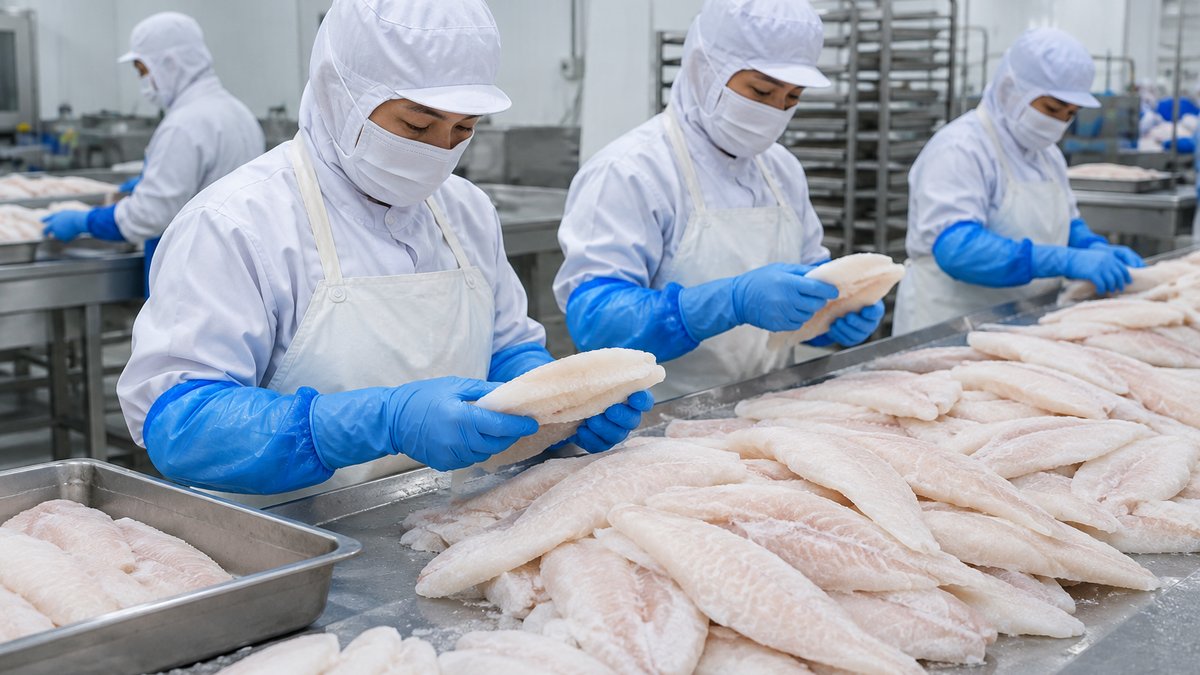
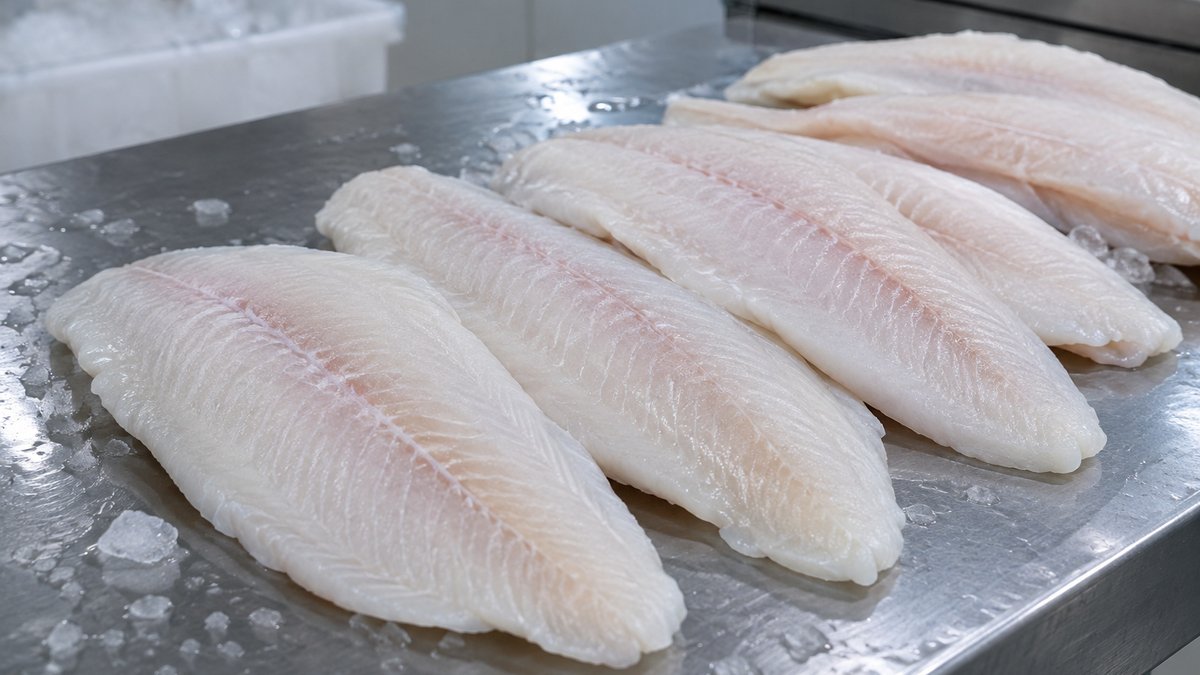
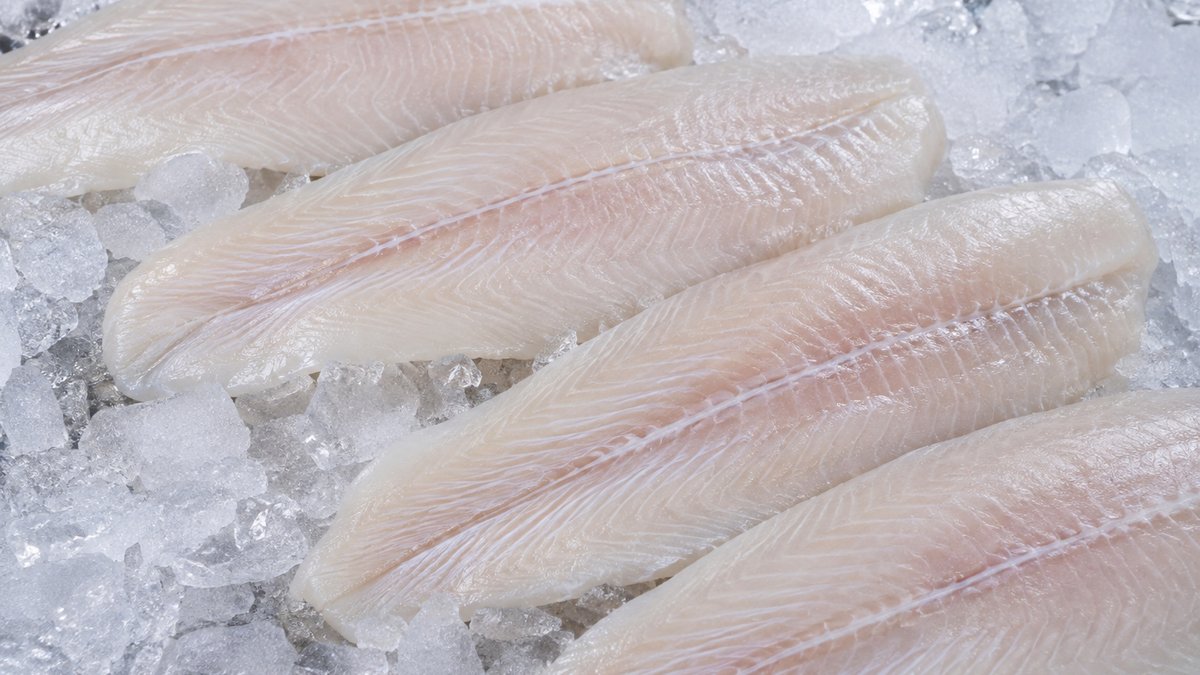
As of 13 November 2026, the latest dated export quote located for a US-relevant specification was in a November 2026 market report from The Seafood Intelligence. It quoted China/US-standard frozen fillets with the red line, in 220–300 g and 300 g-and-above sizes, at US$1.95–2.15/kg FOB Ho Chi Minh City. FOB means the seller’s delivery obligation and cost basis end at loading on board at the named port; freight and insurance after that point are not included in this quoted basis.
The report did not identify a specific US buyer, shipment, contract date or US destination port for that range. Treat it as an indicative Vietnam export quotation for a specification category, not a firm offer. A buyer should ask the supplier to confirm the price’s validity period, size range, trim, glaze percentage, net weight, packaging and shipment window.
2.2 Price Comparison by Exporting Origin
The November report provides Vietnam prices for several product specifications, but no same-date, same-specification quote from a competing exporting origin. A like-for-like country price ranking therefore cannot be made from the verified figures used here. Farm-gate prices, different fillet trims and offers quoted on CFR or CIF terms are not substitutes for matching FOB export offers.
The three ranges are Vietnam-origin quotes reported in November 2026, not competing-country prices. They also describe different trimming and size specifications. A higher or lower quote across these rows does not isolate an origin premium because product preparation differs.
2.3 Price Trend and Changes
The Seafood Intelligence report said that Q4 2026 CFR prices for frozen pangasius fillets across specifications rose by US$0.15–0.20/kg. CFR means the seller pays the cost and freight to the named destination port, while insurance is not included in that term. The source did not give a comparison period or a US-specific CFR series, so this change should not be applied directly to the FOB range above.
The price report linked higher export quotations with rising raw-material costs and tight production scheduling. SeafoodSource separately reported that farm-gate prices for 0.7–1 kg fish reached VND32,000–34,000/kg during the week of 26 September to 2 October 2026, with reported prices in Vinh Long at VND34,000–35,000/kg on 5 October 2026. These are raw-fish prices in Vietnam, not processed-fillet export offers. Differences in product stage, date and basis prevent direct price comparison.
3. Why Are Vietnamese Pangasius Export Prices Changing?
Raw-fish availability and cost are relevant to the November export quote. SeafoodSource reported a gap between harvests and higher prices for market-size fish in late September and early October 2026. A processor’s actual cost also depends on yield, trim level, glaze, labor, energy and packaging, so a farm-gate increase does not translate into one fixed fillet-price increase.
Harvest timing affects how much suitable fish processors can buy for a particular size grade. A buyer ordering a specific fillet size should ask whether the seller has current inventory or expects to process fish later. The answer can affect shipment timing and price validity, especially when production schedules are tight.
Import demand can move independently of supply costs. VASEP’s January–April 2026 figures show growth in export value to the US compared with the same period in 2025. The FAO report on 2025 trade, however, said US and Chinese imports were lower overall that year. These observations cover different periods, so the early-2026 increase does not erase the previous year’s decline or confirm continued growth through November.
Policy costs and logistics also affect the buyer’s total. The quote is FOB Ho Chi Minh City, while the US buyer pays costs after loading, including ocean freight, insurance if arranged, port charges and applicable import duties. The market reports cited here do not provide a landed-cost figure for a particular US port. Importers should check current duty treatment and admissibility for the product and exporter before finalizing a purchase.
Competition among origins can influence negotiations, but a valid comparison needs matching fillet specifications and delivery terms. A cheaper offer for another cut, grade, glaze level or Incoterm is not a like-for-like benchmark. Request the same written specification from each origin and record the quote date and validity period.
4. Which Countries Import the Most Pangasius?
4.1 Major Global Importing Markets
The sources used for this update do not provide a current, ranked table of total pangasius imports by country for 2026. FAO’s July 2026 report identifies China and the United States as Vietnam’s two largest pangasius markets in 2025 and says both registered lower overall imports that year. Those are destination rankings for Vietnamese pangasius, not rankings of each country’s total imports from all origins.
For US buyers, the relevant recent Vietnam export indicator is VASEP’s US$106 million in Vietnamese pangasius exports during January–April 2026. The figure covers export value and does not specify the number of purchase orders, a price per kilogram or a complete calendar-year result.
4.2 Main Export Destinations of Vietnam
China and the United States remained among Vietnam’s leading pangasius destinations in 2025, according to FAO’s July 2026 report. The same report describes destination growth in Brazil, CPTPP countries, Southeast Asia and the Near East, indicating that Vietnam’s sales are distributed across more than the US market.
The sources reviewed here do not supply a same-period table of Vietnam’s export shares by destination or year-on-year changes for November 2026. Exporters should use the dated national trade release for a precise destination comparison rather than infer market shares from one US export-value figure.
4.3 Market Opportunities for Exporters
US buyers remain a relevant customer group for Vietnamese frozen fillets, but the available evidence points to a market to monitor, not a confirmed order pipeline. Exporters can use the early-2026 recovery in US export value as context while checking current buyer specifications, shipment timing and applicable import conditions before quoting.
FAO’s report names Brazil, CPTPP countries, Southeast Asia and the Near East as areas where trade growth was recorded in 2025. That is a historical market observation, not a forecast of future sales. Exporters evaluating those destinations should confirm local demand, buyer requirements and market access separately.
5. Where Can Buyers Source Frozen Pangasius Fillet at a Competitive Price?
Start with the product specification, then compare the delivered cost. The November 2026 Vietnam FOB range of US$1.95–2.15/kg applies to a China/US-standard fillet category with red line and specified size groups. A supplier quote for a well-trimmed, skinless fillet or a different size is a different product even if the product name is the same.
- Write down the size range and whether the fillet is skin-on or skinless, with red line or fully trimmed.
- Specify glaze percentage and net weight basis. Confirm whether the quoted price is per net kilogram or includes glaze weight.
- State packaging, carton weight, quantity and whether the product is IQF or block frozen.
- Compare offers on the same basis. FOB excludes ocean freight and insurance after loading; CFR includes freight to the named port, while CIF also includes insurance.
- Ask for quote currency, named loading port, destination port, shipment window and quote validity.
- Calculate landed cost using the actual freight, insurance, duties, port charges and other costs applicable to your shipment.
US buyers should also confirm that the product and exporter meet current US import requirements before accepting a quote. Ask for the documents and traceability information required for the specific product and shipment, and verify current tariff treatment with the relevant authorities or a qualified customs professional. A public export benchmark cannot replace that shipment-specific check.
Buying consideration: Request two or more written offers against one specification sheet. Compare the same size, trim, glaze, packaging, quantity and delivery basis, then recalculate the delivered cost using the same US destination port.
6. What Does the Latest Demand Look Like on Freshdi?
No dated Freshdi buying-request figures or individual requests are included in this article, so it makes no claim about current platform demand, requested quantities, destinations or trade terms. National export statistics and Freshdi requests measure different activity and should not be combined.
Buyers can use Freshdi’s frozen pangasius category to review potential suppliers and describe their own target specification. Suppliers can review relevant buying requests and respond when the requested product, quantity and destination fit their offer.
7. What Should Buyers and Suppliers Do Next?
7.1 For Buyers and Importers
- Use the November FOB quote as an initial reference for the stated Vietnam-origin specification, not as a delivered US price.
- Ask suppliers to confirm trim, size, red-line status, glaze, net weight, packaging and current availability in writing.
- Compare quotes from different origins only after matching product specifications and Incoterm.
- Build a landed-cost calculation for the actual US port and shipment date. Confirm current import and duty requirements before contracting.
- Agree on inspection, product documents, payment terms and the remedy for a shipment that fails agreed specifications.
7.2 For Exporters and Suppliers
- Separate US-standard red-line fillets from fully trimmed or other product grades in quotations and listings.
- State price currency, unit, FOB loading port or other Incoterm, validity date, size, trim, glaze, net weight and packaging.
- Confirm the available quantity and realistic shipment schedule before issuing a firm offer.
- Provide current product and traceability documents relevant to the buyer’s destination, and avoid describing an unconfirmed order as demand.
- Review relevant buying requests and tailor a response to the buyer’s stated specification and destination.
8. How Freshdi Helps Buyers and Suppliers Connect
A price benchmark is only a starting point for a sourcing decision. Buyers still need to match the product specification, shipment basis and delivery cost; suppliers need to present those details clearly and identify requests that fit their available product.
Buyers can review potential frozen pangasius fillet suppliers. Suppliers can review frozen pangasius fillet buying requests. Freshdi provides category discovery; buyers and suppliers should confirm product, price and shipment details directly through their own due diligence.
Buyers and suppliers comparing frozen pangasius fillet offers can use the relevant Freshdi categories to review potential counterparties and sourcing requests.
View Latest Seafood & Aquatic Products Buying Requests →View Potential Seafood & Aquatic Products Suppliers →
9. Vietnam Frozen Pangasius Fillet Market Outlook
The latest November 2026 Vietnam quote located for a US-relevant fillet category was US$1.95–2.15/kg FOB Ho Chi Minh City. A separate report described higher Q4 CFR quotations across specifications, while supply reporting pointed to rising raw-fish prices and tight harvest-size availability. Those signals support careful quote checking; they do not establish a precise US landed price or a guaranteed direction for future offers.
Buyers should compare full specifications and landed costs across current offers. Exporters should state the grade, port, basis and validity date, then confirm supply and destination requirements before committing. Freshdi can be used to find relevant suppliers and buying requests for the product.
Buyers ready to compare product offers can review potential suppliers for frozen pangasius fillet on Freshdi.
View Related Suppliers for This Product →
Frequently Asked Questions
What is the current Vietnam export price for frozen pangasius fillet relevant to US buyers?
A November 2026 market report quoted China/US-standard fillets with the red line, in 220–300 g and 300 g-and-above sizes, at US$1.95–2.15/kg FOB Ho Chi Minh City. The report did not identify a specific US shipment or buyer. Treat the range as an indicative export quote, not a delivered US price or a firm offer.
Why do pangasius fillet prices differ between suppliers?
Quotes can cover different size groups, trim levels, skin and red-line status, glaze, net weight, packaging and shipment dates. The delivery term also changes the price basis: FOB does not include freight after loading, while CFR includes freight to the named port and CIF includes freight and insurance. Compare matching specifications and terms.
What factors are affecting Vietnamese pangasius prices in late 2026?
A November 2026 market report linked higher export quotations to raw-material costs and tight production schedules. SeafoodSource reported higher Vietnamese raw-fish prices in late September and early October 2026 and a gap between harvests. These supply factors do not determine one fixed price for every fillet grade.
Which countries are major buyers of Vietnamese pangasius?
FAO’s July 2026 report identified China and the United States among Vietnam’s two largest pangasius markets in 2025. It also reported growth in Brazil, CPTPP countries, Southeast Asia and the Near East. These are historical trade observations, not a ranking of all countries’ 2026 imports.
How should a US importer compare FOB, CFR and CIF pangasius offers?
FOB covers the seller’s delivery basis through loading at the named port. CFR includes freight to the named destination port, and CIF includes freight and insurance. Compare quotations for the same product and destination, then add the shipment costs, applicable duties and port charges that are not covered by the quote.
Where can buyers find frozen pangasius fillet suppliers on Freshdi?
Buyers can review the frozen pangasius fillet supplier category on Freshdi. They should confirm each supplier’s current specification, availability, price, shipment terms and documentation before making a purchasing decision.
References
1. The Seafood Intelligence – Vietnamese Pangasius Farm-Gate Prices Hit Record High, Export Fillet Quotes Raised Across the Board!, November 2026.
2. FAO GLOBEFISH – Brazil and CPTPP markets drive pangasius trade growth, 23 July 2026.
3. VASEP – Vietnam’s pangasius exports to the US: Cautious recovery amid tariff uncertainties, 19 June 2026.
4. SeafoodSource – Raw material prices in Vietnam’s pangasius sector rise as supply tightens, export demand grows, 2026.
Disclaimer: This article is compiled from platform data, public sources and information provided by third parties, for general informational purposes only. We do not guarantee its accuracy or completeness. Prices, volumes and forecasts are indicative, reflect conditions as of 2026-11-13 and may change without notice. This is not financial, investment or trading advice.