
Introduction
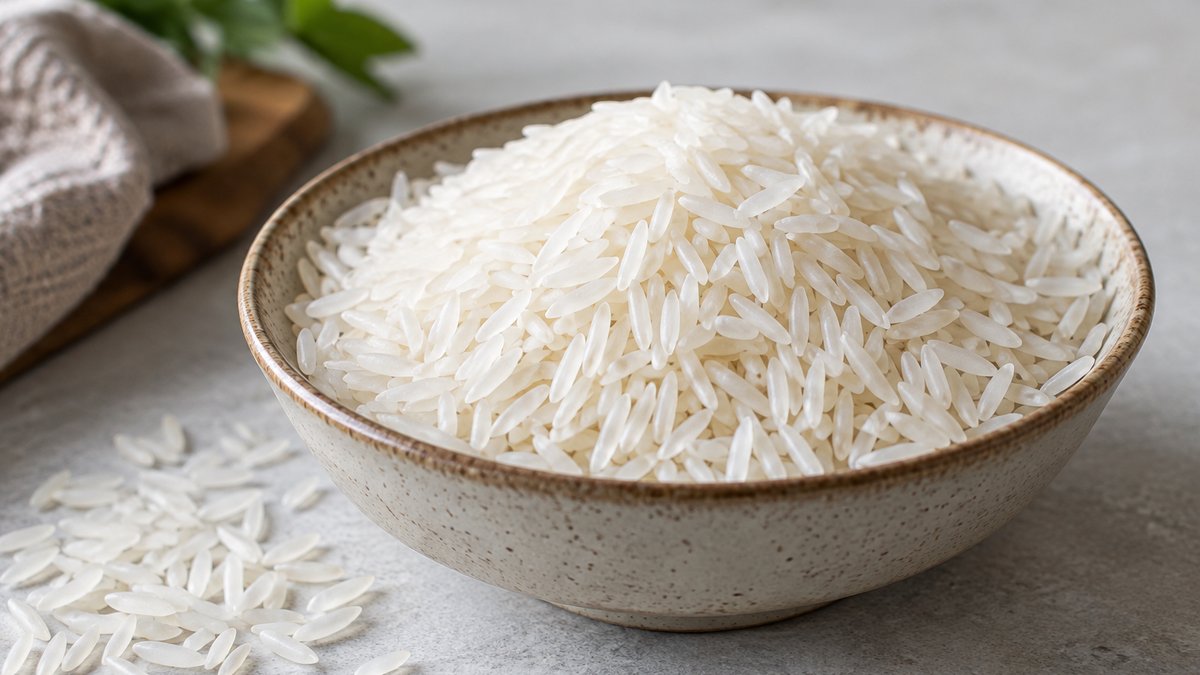
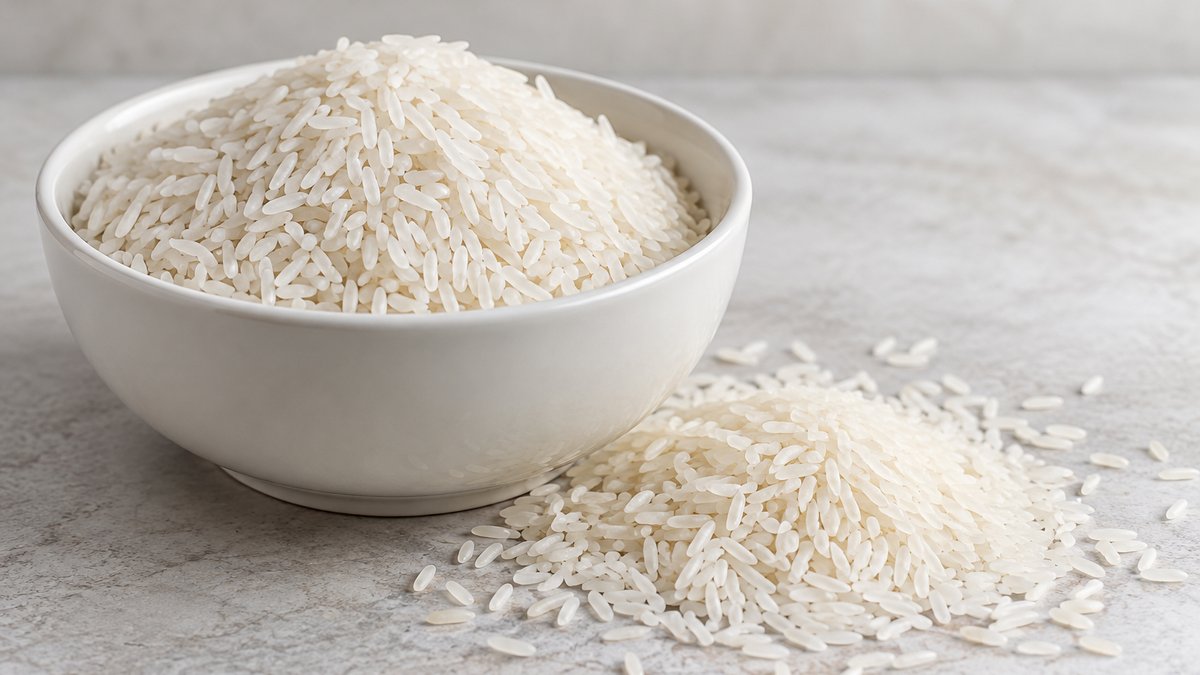
For buyers sourcing jasmine rice for France, the latest available export quotations are reference points, not prices delivered to a French port. On 11 November 2026, Vietnam Food Association (VFA) quotations reported by DTI News put Vietnamese Jasmine rice at US$565–569 per metric tonne; a separately compiled Thai series lists Thai jasmine (Pathum fragrant) at US$759/tonne FOB on 28 October 2026. The varieties and quotation bases are not confirmed as equivalent, so the figures should not be treated as a like-for-like offer comparison.
This snapshot covers the latest dated jasmine-rice price information found by 15 November 2026, with France as the destination market. It distinguishes export-side references from landed costs in France and uses broader rice trade information only where it is clearly identified as covering rice generally, not jasmine rice specifically.
Key Takeaways
- VFA export quotations reported for 11 November 2026 put Vietnamese Jasmine rice at US$565–569/tonne. The report does not specify a delivery basis, so do not treat the figure as a confirmed FOB or France-delivered price.
- The latest dated Thai jasmine (Pathum fragrant) figure found in a compiled series was US$759/tonne FOB on 28 October 2026, up 33.2% year on year. This is a different variety and date from the Vietnamese quotation.
- The available prices describe export-side references, not a French wholesale or retail price. Freight, insurance, packaging, import costs and the exact rice specification affect the landed cost.
- France’s rice imports include more than jasmine rice. USDA FAS reported about 37,000 tonnes of total rice imports for France in its 2026 year-to-date European-market overview; that figure does not measure jasmine-rice demand.
- Buyers should request the named variety, grade, broken percentage, crop year, packaging, shipment period and Incoterm in each offer, then compare quotes on the same destination and cost basis.
1. Jasmine Rice and the France Market
The latest available export quotations offer a starting point for buyers sourcing jasmine rice for France, but they do not establish a France-market price. VFA quotations reported on 14 November put Vietnamese Jasmine rice at US$565–569 per tonne on 11 November 2026. The report describes these as export prices but does not state the quotation basis, so buyers should not assume the figure is FOB, CIF or a firm offer.
A separate price series lists Thai jasmine, identified as Pathum fragrant rice, at US$759 per tonne FOB on 28 October 2026. The figure is for milled rice and is an export quotation, not a delivered price for France. The Thai and Vietnamese entries refer to different varieties and dates, and their sources do not establish matching quality tolerances or packaging.
France is an importing market for rice, but the available country-level trade figure is for rice as a whole. USDA Foreign Agricultural Service's Cambodia annual report describes France as Europe's largest rice-importing market in its 2026 year-to-date overview, at about 37,000 tonnes. That total does not isolate jasmine rice, supplier origin or the value of French imports.
The reporting period here is the latest dated information located by 15 November 2026: Vietnam's 11 November quotation, Thailand's 28 October series entry, and the separate USDA 2026 year-to-date figure for total rice imports. These measures describe different products and periods. Importers should check current supplier offers and freight before budgeting a shipment.
Looking to Source Jasmine Rice?
Connect with verified suppliers, discover matching products, and explore sourcing opportunities from global markets.
2. Latest Jasmine Rice Export Prices
2.1 Vietnam and Thailand reference prices
The latest dated Vietnam Jasmine quotation found for this update was US$565–569 per tonne on 11 November 2026, as reported by DTI News from VFA data. The same report says the quote rose by US$8 per tonne. It does not state the earlier quotation's exact date or the basis, so the increase is a reported change in the export quotation, not a verified movement in a French delivered price.
For Thailand, rice.ag's compilation of TREA and other price data lists Thai jasmine (Pathum fragrant) at US$759 per tonne FOB on 28 October 2026, with a reported year-on-year increase of 33.2%. FOB, or free on board, means the export quotation covers the seller's delivery of the goods onto the vessel; the buyer arranges and pays for onward freight and insurance. The listed annual change belongs to the Thai Pathum series, not to Vietnamese Jasmine rice.
The Vietnam and Thailand figures are not a sound direct price ranking. The source for the Vietnamese entry does not identify its delivery basis, and the entries name different varieties and different dates. They also do not establish equivalent broken percentage, crop year, bag size or shipment lot. Buyers should obtain those details before judging one origin as cheaper.
2.2 Price trend and what the changes say
The Thai Pathum series was US$759 per tonne on 28 October 2026 and 33.2% higher than a year earlier, according to rice.ag's compiled data. This is a year-on-year comparison for that series. It does not describe a one-month movement or a France-specific price. The latest Vietnamese report states an US$8-per-tonne rise by 11 November but does not provide enough detail in the report to calculate a consistent week-on-week or month-on-month comparison.
The available data therefore support a limited conclusion: export-side jasmine quotations differed by origin and product label, and the Thai Pathum series stood above the Vietnamese Jasmine quote on the reported numbers. They do not prove that Thai rice costs more after freight, that the products are interchangeable, or that retail prices in France moved by the same amount. Ask suppliers for current dated offers against one specification and delivery basis.
3. What Is Moving Jasmine Rice Export Prices?
Rice supply, seasonal availability and import demand can affect export quotations, but the evidence located for this snapshot does not quantify their separate effect on jasmine rice prices. The November 2026 FAO report on Asian food prices describes broader rice-price increases in October across several countries, citing seasonal supply tightness, weather-related production shortfalls in some locations, and high production and transport costs. Those observations concern domestic rice prices generally, not a measured jasmine export-price effect.
3.1 Supply and harvest timing
Rice harvest calendars differ by origin, and a change in available export supply can affect sellers' offers. FAO's 12 November 2026 regional report said Thailand's October wholesale prices for 5% and 25% broken rice rose year on year amid a below-average 2026/27 main harvest and concerns about water supplies for the next secondary crop. The report does not give a jasmine export-price impact, so this is market context rather than an explanation for the Thai Pathum quotation.
3.2 Demand, competition and export policies
A country's rice import demand or policy change can influence trade in rice overall, but it does not establish a confirmed jasmine purchase. USDA FAS's estimate for France covers total rice imports, not jasmine varieties or orders. Buyers should check tender terms, permitted origins and current import requirements for their own shipment rather than using national import totals as evidence of an order for a particular variety.
3.3 Currency, freight and shipment terms
Currency and logistics alter the amount an importer pays even when the export quotation is unchanged. A FOB offer excludes the ocean freight and insurance paid by the buyer. A CIF offer includes cost, insurance and freight to the named destination port, but buyers still need to confirm what destination charges, clearance costs and inland delivery remain outside the price. Compare quotes in the same currency and on the same Incoterm, destination and shipment period.
4. Which Markets Import the Most Jasmine Rice?
4.1 Major importing markets
The sources used for this update do not provide a current, comparable ranking of countries importing jasmine rice specifically. USDA FAS identifies France as Europe's largest rice-importing market in its 2026 year-to-date overview and reports about 37,000 tonnes, but that is total rice, not a jasmine-only volume or forecast. It would be inaccurate to use that figure as a measure of French jasmine demand.
Global rice forecasts also cover rice categories broader than jasmine. The USDA's November 2026 Grain: World Markets and Trade report provides global rice-market estimates, but a total-rice production or trade figure cannot show how much jasmine rice France or another country will buy. Buyers seeking a jasmine-specific market estimate should use customs data that identifies the relevant product category, while recognizing that broad rice codes may not separate varieties.
4.2 France's supply origins and export destinations
The information located for this article does not establish a current France-specific ranking of jasmine supplier origins or a set of export shares. National customs data for rice may combine jasmine with other milled rice. Importers should therefore verify the origin and variety on commercial documents and supplier specifications instead of assuming that a country-level rice total represents jasmine shipments.
4.3 How to read the market opportunity
France's position as a major European rice-importing market makes it relevant to rice suppliers, but it is not evidence of confirmed demand for a particular jasmine variety. Exporters should match an offer to the buyer's required variety, volume, packaging, delivery point and compliance documents. A national import figure can provide market context; a buyer's stated order requirements are needed to assess a specific sale.
5. How Buyers Can Compare Jasmine Rice Offers
Buyers sourcing jasmine rice for France should compare the delivered cost of equivalent goods, not just the headline number per tonne. The two recent export references in this snapshot do not share a confirmed variety, date and delivery basis, so neither can be used alone to select a supplier.
- Name the rice precisely. State whether the requirement is Thai Hom Mali, Thai Pathum fragrant, Vietnamese Jasmine or another named variety. A generic “jasmine rice” label may cover products that are not equivalent.
- Set the quality parameters. Include broken percentage, milling and crop year, moisture and foreign-matter limits, and any other parameters required by the contract. Ask the seller to state what is included in the grade description.
- Standardize the shipment. Specify quantity, bag material and weight, container or breakbulk arrangement, loading period and destination port. Packaging or shipment differences can change the quote.
- Compare the Incoterm and destination. Request offers on the same basis, such as FOB at the named origin port or CIF at the named French port. Add freight, insurance and destination costs when working out landed cost.
- Confirm the commercial terms. Record quote currency, validity period, payment terms, inspection arrangements and documents. A dated market reference is not a binding supplier offer.
- Check import requirements. Confirm the requirements that apply to the product and shipment with the competent authorities and your customs representative before contracting. Requirements can depend on product form and origin.
A lower export-side reference can result in a higher landed cost if freight, packaging, insurance or destination handling differs. Conversely, a higher FOB figure may include a specification or packaging arrangement that fits the buyer's order more closely. Put the full specification into each request for quotation so suppliers are pricing the same shipment.
Buying consideration: Before comparing the offers, confirm that both describe the same variety, broken percentage, crop year, packaging, shipment window, destination and Incoterm. If one of those details differs or is not stated, ask the supplier to clarify it rather than treating the prices as equivalent.
6. What Does the Latest Demand Look Like on Freshdi?
Freshdi's rice and Jasmine Rice buyer-category pages are places to review buying requests, but this update has no dated Freshdi request snapshot to quantify current Jasmine Rice demand. It therefore makes no claim about request counts, buyer quantities, destinations, popular specifications or trade terms. Freshdi platform activity should be read separately from national import statistics and export quotations.
For suppliers, an individual request is useful only when its product description, quantity, destination and requested terms match the offer. For buyers, a clearly written request helps potential suppliers assess whether their variety, packing and shipment schedule fit the requirement. Confirm the status and details of each request before treating it as current procurement activity.
7. What Buyers and Suppliers Should Do Next
7.1 For buyers and importers
- Use the November quotations as dated export references, not as a France-delivered budget price.
- Request offers from more than one origin against one written variety and quality specification.
- Ask suppliers to state price basis, named loading port, destination port, packaging, shipment period and offer validity.
- Compare total landed cost in a consistent currency and include freight, insurance, import costs and destination charges as applicable.
- Check the applicable import and food-safety requirements for the product and origin before confirming the contract.
7.2 For exporters and suppliers
- State the variety and grade rather than using only the general term jasmine rice.
- Include broken percentage, crop year, packaging, available quantity and shipment period in the offer.
- Name the quotation basis and port, and state whether freight and insurance are included.
- Date the quote and provide a clear validity period; update it when the underlying offer changes.
- Review relevant buyer requests and respond when the stated variety, volume, destination and terms match the goods available.
8. How Freshdi Helps Buyers and Suppliers Connect
Buyers can use Freshdi's Jasmine Rice supplier category to review supplier listings, while exporters can review Jasmine Rice buying requests for requirements that match their products. These pages support discovery; a listing or request does not establish a supplier's suitability, confirm an order or guarantee a transaction.
Buyers comparing jasmine-rice offers can review supplier listings and current buying requests on the relevant Freshdi category pages.
View Latest Rice Buying Requests →View Potential Rice Suppliers →
9. France Jasmine Rice Market Outlook
The latest dated references located by 15 November 2026 show Vietnamese Jasmine at US$565–569 per tonne on 11 November, according to VFA quotations reported by DTI News, and Thai Pathum fragrant rice at US$759 per tonne FOB on 28 October in rice.ag's compiled series. The dates, variety labels and quotation bases differ, so the comparison is a sourcing prompt rather than a settled price ranking for France.
For importers, the practical next step is to obtain current offers against an identical specification and compare the full cost to the French destination. For suppliers, a usable offer should identify the variety, grade, quantity, port, Incoterm and validity date. Freshdi's Jasmine Rice pages can help buyers review suppliers and exporters review relevant buying requests.
Readers ready to compare current sourcing options can review Jasmine Rice suppliers and buying requests on Freshdi.
View Latest Rice Buying Requests →View Potential Rice Suppliers →
Frequently Asked Questions
What is the latest jasmine rice export price for France?
No France-delivered jasmine-rice price was found in the sources used for this update. VFA export quotations reported by DTI News put Vietnamese Jasmine rice at US$565–569 per tonne on 11 November 2026, but the report does not state the delivery basis. It is an export-side reference, not a quote delivered to France.
How much was Thai jasmine rice in the latest dated price series?
Rice.ag's compiled series lists Thai jasmine, identified as Pathum fragrant rice, at US$759 per tonne FOB on 28 October 2026. The series reports that figure as 33.2% above the year-earlier level. It is a dated export reference, not a current supplier offer or a France-delivered price.
Why do Vietnamese and Thai jasmine rice prices differ?
The available figures name different varieties and come from different dates. The Thai figure is for Pathum fragrant rice and states an FOB basis; the Vietnamese report does not state a basis. The sources also do not confirm matching broken percentage, crop year, packaging or shipment terms, so the numbers are not a like-for-like comparison.
Which countries import the most jasmine rice?
The sources used here do not provide a comparable current ranking for jasmine rice specifically. USDA FAS reported about 37,000 tonnes of total rice imports for France in its 2026 year-to-date European-market overview. That figure covers rice generally and should not be read as a jasmine-rice volume.
How should a buyer compare FOB and CIF jasmine rice quotations?
FOB covers the seller's delivery of the goods onto the vessel at the named export port; the buyer arranges and pays for onward freight and insurance. CIF includes cost, insurance and freight to the named destination port, but buyers should still confirm which destination and clearance charges remain outside the offer. Compare the same product specification, destination and shipment period, then calculate the landed cost.
How can buyers find jasmine rice suppliers or sourcing requests on Freshdi?
Buyers can review the Jasmine Rice supplier category, and suppliers can review Jasmine Rice buying requests. Check each listing or request for product details, destination, quantity and terms, and confirm that the information is current before discussing a shipment.
References
1. DTI News, reported by AgriInsite – Vietnam rice prices surge, premium ST25 hits USD 1,000 a tonne, 14 November 2026.
2. rice.ag – Jasmine rice prices: Thai Hom Mali and fragrant rice, Data updated 15 November 2026; Thai Pathum quote dated 28 October 2026.
3. Food and Agriculture Organization of the United Nations – Prices of rice, wheat grain and wheat flour generally increased month-on-month across the subregion, 12 November 2026.
4. USDA Foreign Agricultural Service – Grain: World Markets and Trade, November 2026.
5. USDA Foreign Agricultural Service – Grain and Feed Annual: Cambodia, 2026.
Disclaimer: This article is compiled from platform data, public sources and information provided by third parties, for general informational purposes only. We do not guarantee its accuracy or completeness. Prices, volumes and forecasts are indicative, reflect conditions as of 2026-11-15 and may change without notice. This is not financial, investment or trading advice.