
Introduction
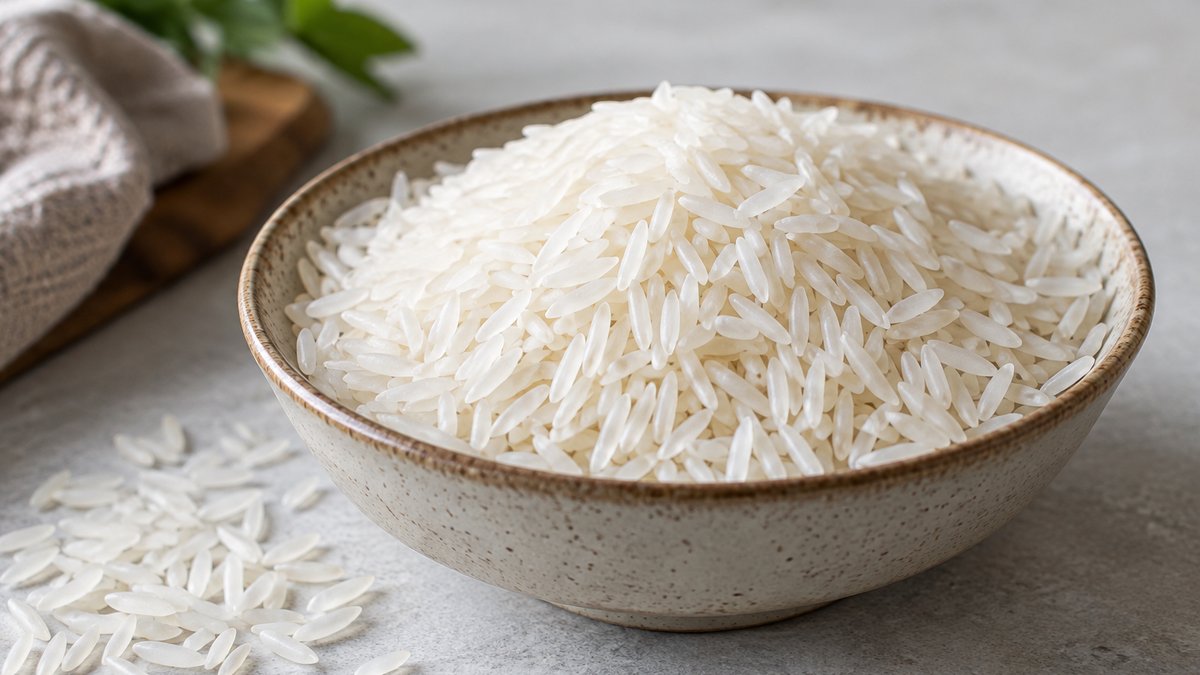
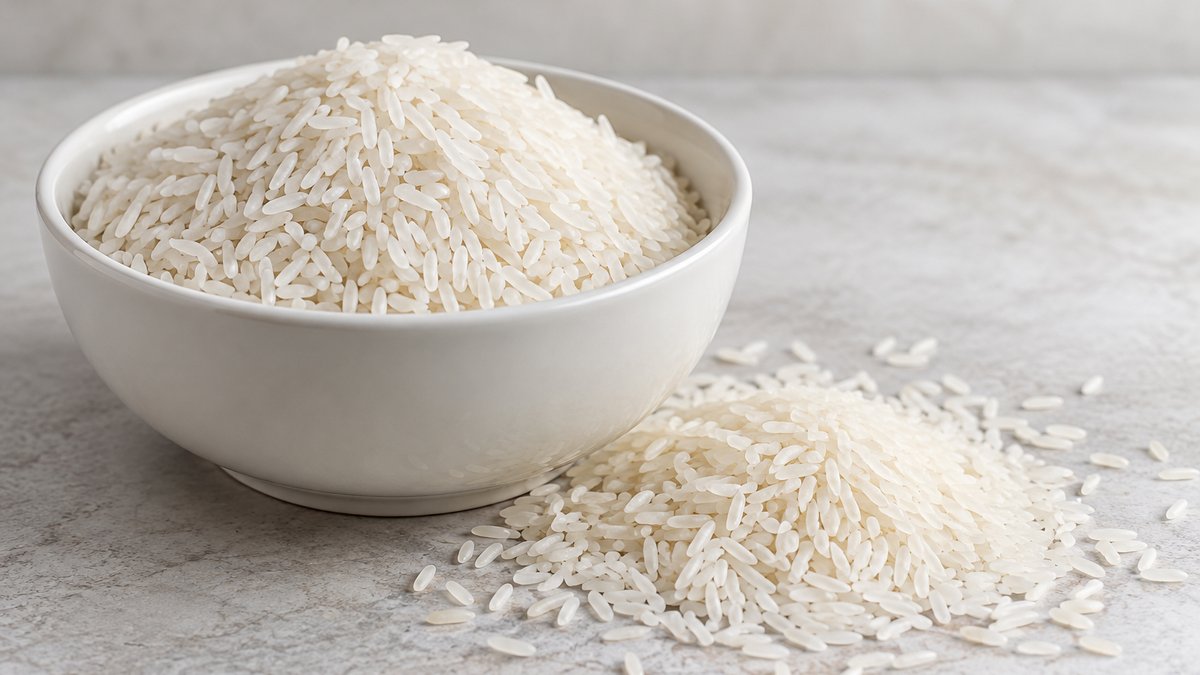
Thai Jasmine Rice was quoted at US$779 per metric tonne FOB on 11 November 2026, according to the Thai Rice Exporters Association (TREA). The quotation was US$27 per tonne below the 4 November quote of US$806. It is an export benchmark from Thailand, not a delivered price in Singapore.
This update covers TREA’s latest available weekly quote, published on 11 November, and Singapore’s rice import context using 2024 trade data, the latest annual data cited here. TREA’s price list distinguishes Thai fragrant rice from Thai Hom Mali, so buyers should identify the variety and crop year before comparing offers.
Key Takeaways
- TREA quoted Thai Jasmine Rice, also labelled Thai Fragrant Rice, at US$779/MT FOB on 11 November 2026, down from US$806/MT on 4 November.
- Thai Hom Mali is a separate, higher-priced fragrant-rice line. TREA listed 2025/26 crop at US$1,192/MT and 2026/27 crop at US$1,055/MT on 11 November.
- FAO’s November 2026 price comparison listed fragrant-rice quotes from Thailand, Vietnam and Cambodia, but the varieties and specifications are not identical.
- Singapore imported 112,744 tonnes of rice from Thailand in 2024, second to India among the listed origins. The trade data covers all rice, not jasmine rice alone.
- Compare the same variety, crop year, packaging, quantity and delivery basis. A Thai FOB quote excludes freight and insurance to Singapore.
1. Thai Jasmine Rice and Singapore Market Overview
Thailand’s jasmine-rice export prices need to be read alongside broader rice supply and Singapore’s import mix. TREA’s latest quote is for Thai Fragrant Rice, while its Thai Hom Mali entries are listed separately by crop year and at substantially different prices.
The Thai Rice Exporters Association reported that Thailand exported 7.90 million tonnes of rice in 2025. Its export table records 1.76 million tonnes of Thai Hom Mali rice for that year. These are annual rice-export figures, not estimates of Thai jasmine shipments to Singapore.
Thailand’s Department of Foreign Trade forecast 7 million tonnes of total rice exports for 2026, as reported by The Nation on 21 January 2026. The forecast reflects competition and should not be treated as a confirmed shipment total. In a September 2026 report, USDA’s Foreign Agricultural Service forecast Thai rice production at 20.3 million tonnes for marketing year 2026/27, down 2% from the previous year, and exports at 7.3 million tonnes.
Singapore’s rice imports are supplied by several origins. World Bank WITS data based on UN Comtrade records show that Singapore imported 448,503 tonnes of rice in 2024. India supplied 158,152 tonnes, Thailand 112,744 tonnes and Vietnam 143,616 tonnes. These figures cover rice under HS code 1006 and do not isolate jasmine varieties.
USDA’s June 2026 Rice Outlook forecast global rice imports of 60.2 million tonnes for trade year 2026/27 and noted that Singapore’s forecast imports were reduced. That outlook describes all rice, not Singapore’s demand for Thai Jasmine Rice. The trade data cited here does not establish a current ranking of jasmine-rice importing markets or Thai jasmine export destinations.
Looking to Source Jasmine Rice?
Connect with verified suppliers, discover matching products, and explore sourcing opportunities from global markets.
2. Latest Thai Jasmine Rice Export Prices
2.1 Current export price in Thailand
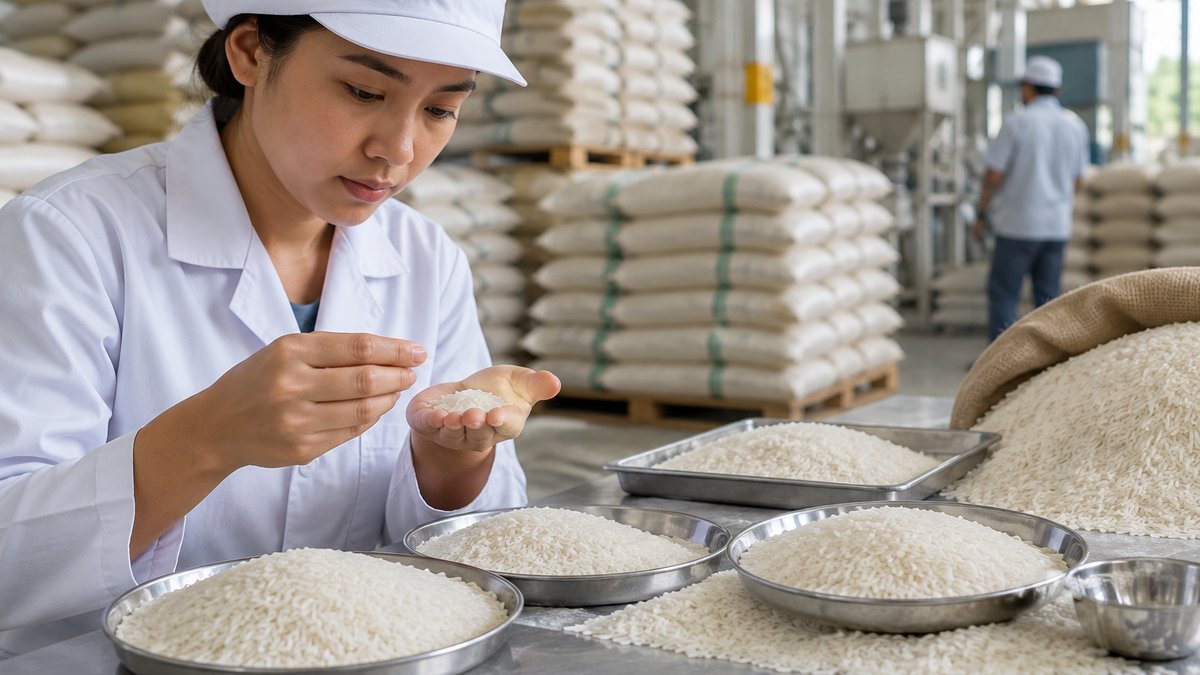
TREA’s 11 November 2026 weekly price list puts Thai Jasmine Rice, also called Thai Fragrant Rice, at US$779 per metric tonne on a milled-rice basis. The quoted basis is FOB, or free on board: the seller’s price covers delivery onto the vessel at the export port, while the buyer arranges and pays for sea freight and insurance.
The association says its FOB quotations include one 50-kilogram woven polypropylene bag per unit. Rice shipped in containers carries an additional US$15/MT charge. Confirm the packaging, loading point, quote validity and any container surcharge in the supplier’s offer before using the association’s figure as a comparison.
The weekly movements differ across the three lines. Thai Jasmine Rice fell by US$27/MT, about 3.3% from the 4 November quote. The 2025/26 Hom Mali quote rose by US$5/MT, while the new-crop 2026/27 Hom Mali quote fell by US$25/MT. Hom Mali crop-year prices should not be combined into one series.
2.2 Price comparison by exporting origin
FAO’s November 2026 rice-price comparison lists Thai Hom Mali 100% at US$1,039/MT, Vietnam Jasmine at US$570 to US$574/MT, and Cambodia Pkha Malis at US$820/MT, all on an FOB-vessel basis. The figures show a wide spread among fragrant-rice quotations, but they do not establish an exact like-for-like price comparison: the named varieties and specifications differ, and FAO’s Hom Mali quote is not the same label and crop-year series as TREA’s weekly figures.
For Singapore procurement, treat these as export-side references rather than offers delivered to a Singapore port. The available price comparison does not provide matching terms for freight, insurance, bag size, quality tolerances or shipment dates.
2.3 Price trend and reporting period
TREA’s weekly series shows Thai Jasmine Rice rising from US$717/MT on 21 October to US$759 on 28 October and US$806 on 4 November, before easing to US$779 on 11 November. The latest figure is US$62/MT, or about 8.6%, above the 21 October quote. These are weekly FOB quotations, not completed transaction prices.
The move from 4 to 11 November is a one-week comparison. It does not establish a longer-term price direction. TREA also lists Hom Mali separately by crop year, which makes crop-year identification essential when buyers compare aromatic-rice offers.
3. Why Are Thai Jasmine Rice Export Prices Changing?
The 11 November price list shows a weekly decline for Thai Jasmine Rice and new-crop Hom Mali, alongside a small increase for 2025/26 Hom Mali. The different movements indicate that the listed fragrant-rice categories are not following one identical weekly price path.
Crop timing can affect availability. USDA’s Foreign Agricultural Service forecast Thai rice production at 20.3 million tonnes in marketing year 2026/27, 2% below the previous year, citing tighter water supplies and emerging El Niño conditions as factors behind reduced off-season planting. This is a forecast for rice overall, not a confirmed loss for jasmine varieties or a direct explanation of the 11 November price change.
Export competition also matters to Thailand’s broader rice outlook. The same USDA report held its Thai rice-export forecast at 7.3 million tonnes for 2026/27 and cited competition from India and Vietnam, alongside a strong Thai baht. The report does not quantify how much those factors affected the latest Thai Jasmine Rice quotation.
Singapore buyers should use market factors as items to monitor, not as a substitute for a current offer. Ask suppliers to confirm available crop, loading date, volume and price validity. The sources cited here do not establish a specific November 2026 change in freight or currency costs for shipments to Singapore.
4. Which Countries Import the Most Jasmine Rice?
4.1 Major global importing markets
The sources used for this update do not provide a current, variety-specific ranking of jasmine-rice importers. USDA’s June 2026 outlook reports a global rice-import forecast of 60.2 million tonnes for trade year 2026/27, but that total covers rice of all varieties and does not rank jasmine demand by country.
For Singapore, 2024 UN Comtrade data compiled by WITS shows India as the largest of the listed rice suppliers by volume, followed by Vietnam and Thailand. The figures are for all rice imports, so they should not be read as a ranking of jasmine origins.
4.2 Thailand’s exports to Singapore
Singapore imported 112,744 tonnes of rice from Thailand in 2024, with a reported trade value of US$103.1 million, according to WITS and UN Comtrade. The same dataset records 143,616 tonnes from Vietnam and 158,152 tonnes from India. Because the records do not separate Thai Jasmine Rice from other rice, they cannot show Thailand’s jasmine-rice share of Singapore’s market.
Thailand’s 2025 national export statistics identify Thai Hom Mali volume, but the cited table does not provide a destination breakdown for that variety. Do not treat the national Hom Mali figure as exports to Singapore or as confirmed Singapore demand.
4.3 What the trade data means for exporters
The 2024 import figures confirm that Thailand is a substantial rice supplier to Singapore, while also showing that buyers source rice from competing origins. They do not confirm current orders for jasmine varieties. Exporters assessing the Singapore market should obtain a buyer’s exact variety, grade, packaging and delivery requirements before preparing an offer.
5. Where Can Buyers Source Jasmine Rice at a Competitive Price?
The latest Thai Jasmine Rice figure is a useful starting point for a quotation comparison, not a Singapore landed-cost estimate. FOB excludes the main-carriage freight and insurance needed to bring the shipment to Singapore. Compare supplier offers only after bringing them to a common delivery basis.
CFR means cost and freight: the seller pays freight to the named destination port, while insurance is not included. CIF means cost, insurance and freight to the named destination port. The buyer should still check destination handling, duties or taxes if applicable, inspection costs and other charges not included in the offer.
- Confirm the rice identity: Thai Jasmine Rice, Thai Hom Mali or another fragrant variety. Do not assume the names describe the same product.
- Match the crop year, broken percentage, moisture limit, foreign matter tolerance and any other contract quality parameters.
- Request the same quantity, bag size and container arrangement from each supplier. Check whether an association benchmark includes packaging or container charges.
- Compare FOB, CFR or CIF quotations for the same named ports and shipment window. Add freight and insurance when the supplier quotes FOB.
- Ask how long the quotation remains valid and whether the stated price applies to the full requested quantity.
- Check Singapore’s current import and documentation requirements for the specific product and shipment before contracting. The sources in this update do not set out those requirements.
A lower FOB number may produce a higher landed cost if freight, packaging, shipment timing or other charges differ. Buyers should request itemized quotations and calculate the cost to the same Singapore destination before choosing an origin.
6. What Does the Latest Jasmine Rice Demand Look Like on Freshdi?
No dated Freshdi snapshot of jasmine-rice buying requests is available for this update, so it cannot quantify current request counts, buyer locations, quantities or trade terms. Freshdi buying-request pages can be checked for live sourcing requirements, but their activity should not be treated as a measure of Singapore’s total import demand.
The national trade figures cited above cover all rice imports and use 2024 data. They are separate from Freshdi platform activity and do not identify individual buying requests or current orders for Thai Jasmine Rice.
7. What Should Buyers and Suppliers Do Next?
7.1 For buyers and importers
- Write one product specification that names the variety and crop year, with measurable quality tolerances.
- Ask suppliers to quote the same quantity, packaging, shipment window and destination basis.
- Compare landed cost, including freight and insurance where excluded from the quote.
- Confirm availability, quotation validity, inspection arrangements and required shipment documents before agreeing a contract.
7.2 For exporters and suppliers
- State whether the offer is Thai Jasmine Rice or Thai Hom Mali and specify the crop year.
- Identify the quote currency, FOB loading point or named destination, packaging, available quantity and validity period.
- Separate the product price from container, freight and other charges where they apply.
- Review each request’s destination and specification before sending a quotation. Avoid presenting the TREA benchmark as a firm offer for your own shipment.
8. How Freshdi Helps Buyers and Suppliers Connect
Buyers can review potential rice suppliers on Freshdi’s Rice supplier page. Suppliers can review rice buying requests on Freshdi’s Rice buyer page. A category page does not confirm that a listed supplier has Thai Jasmine Rice available or that a request is active; check the listing details against the required variety and shipment.
For buyers comparing Thai Jasmine Rice offers, a written specification makes supplier responses easier to assess. Suppliers can use the same details to decide whether a request matches their available product and delivery terms.
Buyers and exporters comparing rice requirements can review the relevant supplier listings and buying requests on Freshdi.
View Latest Rice Buying Requests →View Potential Rice Suppliers →
9. Conclusion: Thailand Jasmine Rice Market Outlook for Singapore
TREA’s Thai Jasmine Rice quote eased to US$779/MT FOB on 11 November 2026 from US$806 a week earlier. The association’s Hom Mali entries moved differently by crop year, and FAO’s November comparison shows that other fragrant-rice origins have separate price levels and specifications.
Singapore’s 2024 rice imports confirm significant trade with Thailand, but the data covers all rice and cannot establish jasmine-specific demand. Buyers should compare current offers on a consistent product and delivery basis. Exporters should state the variety, crop year, packaging and quote terms clearly.
Buyers looking for rice suppliers and exporters reviewing sourcing requests can start with Freshdi’s rice category.
View Latest Rice Buying Requests →View Potential Rice Suppliers →
Frequently Asked Questions
What was the latest Thai Jasmine Rice export price?
The Thai Rice Exporters Association quoted Thai Jasmine Rice, also called Thai Fragrant Rice, at US$779 per metric tonne FOB on 11 November 2026. The association’s quote includes one 50-kilogram woven polypropylene bag; it notes a US$15/MT additional charge for container shipments. Confirm the exact terms and current availability with the supplier.
How did Thailand’s jasmine rice price change in November 2026?
TREA’s Thai Jasmine Rice quote fell from US$806/MT on 4 November to US$779/MT on 11 November, a decrease of US$27/MT, or about 3.3%. These are weekly FOB quotations, not completed transaction prices.
Is Thai Hom Mali the same as Thai Jasmine Rice?
TREA lists Thai Jasmine Rice, also called Thai Fragrant Rice, separately from Thai Hom Mali. On 11 November 2026 it quoted Thai Jasmine Rice at US$779/MT, while Thai Hom Mali was listed at US$1,192/MT for the 2025/26 crop and US$1,055/MT for the 2026/27 crop. Compare the named variety and crop year before comparing prices.
How much rice did Singapore import from Thailand?
WITS and UN Comtrade data show that Singapore imported 112,744 tonnes of rice from Thailand in 2024, worth about US$103.1 million. The figures cover all rice under HS code 1006, not jasmine rice alone.
Does the Thai FOB price include delivery to Singapore?
No. FOB is the export-port basis and does not include the sea freight and insurance needed to deliver the shipment to Singapore. Compare the same delivery basis across suppliers and calculate the landed cost, including charges not covered in the quotation.
How can buyers find jasmine rice suppliers on Freshdi?
Buyers can review rice supplier listings on Freshdi and check each listing for the variety, crop year, available quantity and trade terms. A category listing does not by itself confirm current availability, so match the details to the purchase specification.
References
1. Thai Rice Exporters Association – Export Prices, 11 November 2026.
2. Thai Rice Exporters Association – Rice Export Quantity and Value: 2025, 2025.
3. Food and Agriculture Organization of the United Nations – Rice Price Update, November 2026, November 2026.
4. USDA Foreign Agricultural Service – Thailand: Grain and Feed Monthly, TH2026-0030, 4 September 2026.
5. USDA Economic Research Service – Rice Outlook: June 2026, 15 June 2026.
6. World Bank WITS, using UN Comtrade data – Singapore Rice Imports by Country, 2024, 2024.
Disclaimer: This article is compiled from platform data, public sources and information provided by third parties, for general informational purposes only. We do not guarantee its accuracy or completeness. Prices, volumes and forecasts are indicative, reflect conditions as of 2026-11-13 and may change without notice. This is not financial, investment or trading advice.