
Introduction
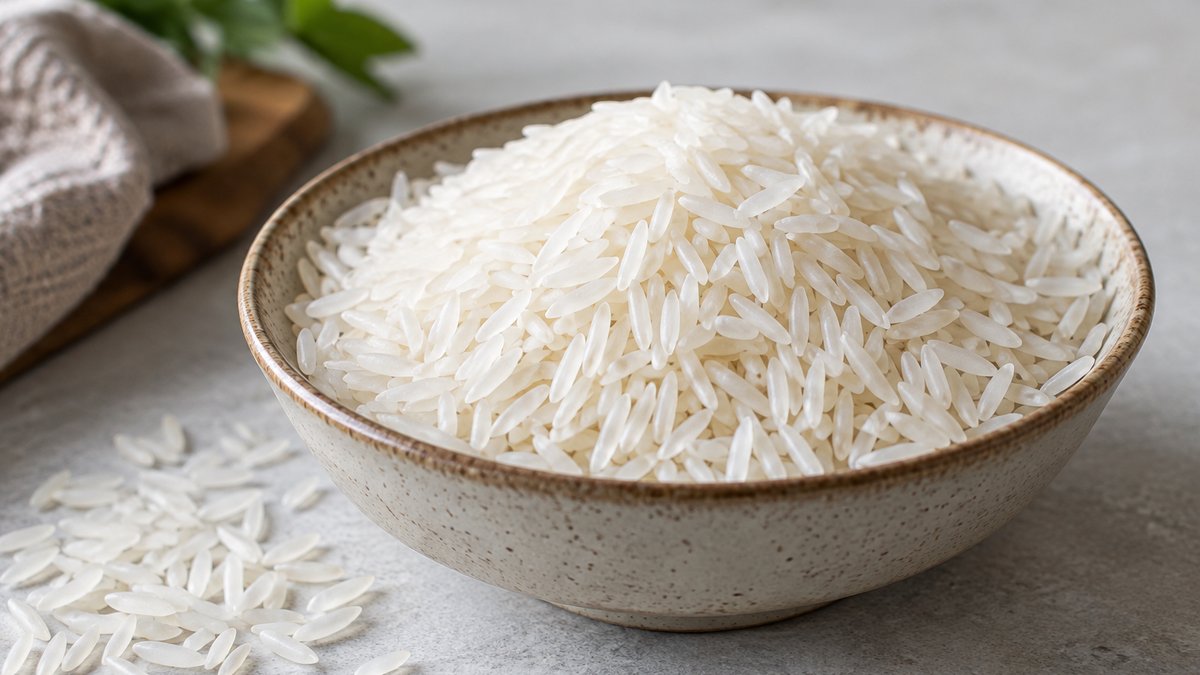
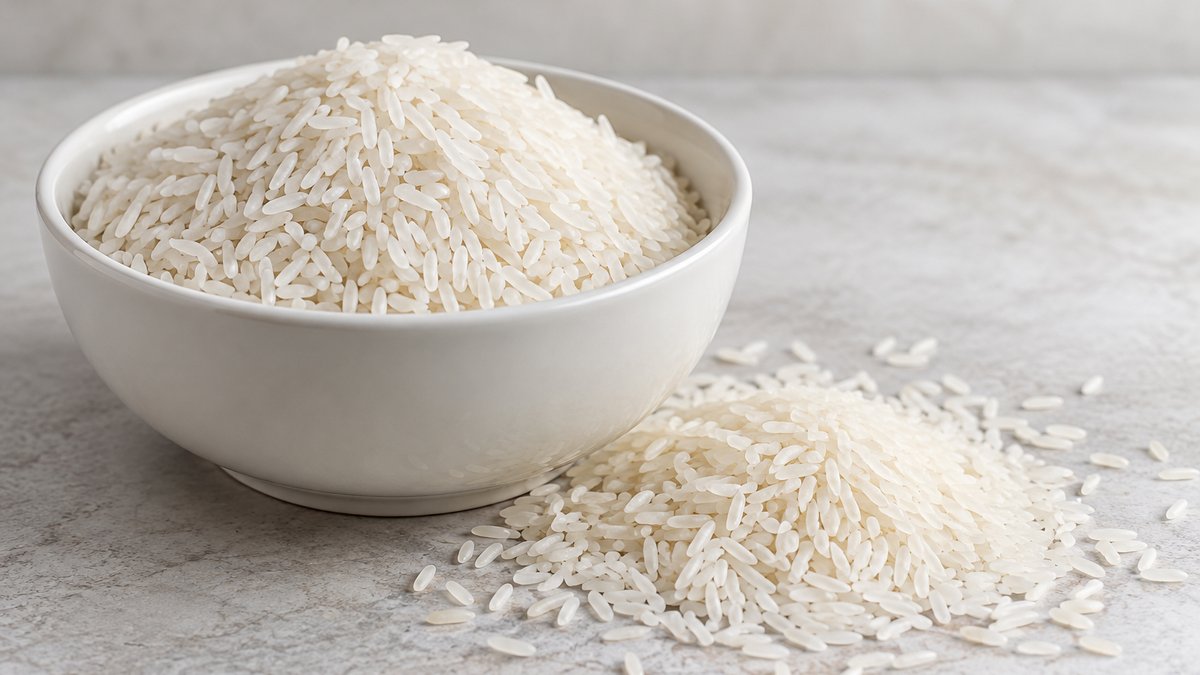
Thai jasmine rice was quoted at US$779 per metric tonne FOB on 11 November 2026, according to the Thai Rice Exporters Association. The quote was US$27 per tonne below the association’s 4 November quotation. It is an export-port reference, not a U.S. wholesale or retail price.
This November update focuses on Thai jasmine rice quotations relevant to U.S. importers. USDA’s Economic Research Service identifies Thai jasmine as a major component of U.S. long-grain rice imports. Buyers should compare the export quote with an offer for the same grade, packaging, quantity and delivery basis before estimating landed cost.
Key Takeaways
- The Thai Rice Exporters Association quoted Thai Jasmine Rice at US$779/MT FOB on 11 November 2026, down from US$806/MT on 4 November.
- The weekly reduction was US$27/MT, or about 3.3% using the 4 November quote as the base. The association’s quote is an export indication, not a delivered U.S. price.
- Thai Hom Mali rice was quoted separately at US$1,192/MT on 11 November 2026. It is a different product quotation and should not be treated as the same grade as Thai Jasmine Rice.
- USDA ERS reported that U.S. rice imports in marketing year 2025/26 fell 13% from 2024/25, with lower entries of Thai jasmine and Indian basmati contributing to the decline.
- A buyer comparing offers should check the exact variety, crop year, packaging, FOB port, freight, insurance, import costs and delivery schedule.
1. Market Overview: Thai Jasmine Rice and U.S. Import Demand
Thai jasmine rice is an established part of U.S. long-grain rice imports. USDA’s Economic Research Service identifies jasmine rice from Thailand as one of the principal Asian aromatic varieties imported by the United States, alongside basmati rice from India and Pakistan. That makes Thai export quotations relevant to U.S. sourcing, while leaving freight, duties and domestic distribution outside the FOB price.
The latest completed import figures cited in USDA ERS’s September 2026 Rice Outlook show U.S. all-rice imports at 42.8 million hundredweight for marketing year 2025/26, 13% below 2024/25. ERS attributed much of the slowdown to lower entries of jasmine rice from Thailand and basmati rice from India. The total covers all rice types, so it is not a jasmine-only volume measure.
Thailand’s export quotation is only one part of the U.S. market picture. Buyers also need to account for the importer’s product specification, shipment date, port, freight and insurance. A lower FOB offer can still result in a higher delivered cost if transport or destination charges differ.
Looking to Source Jasmine Rice?
Connect with verified suppliers, discover matching products, and explore sourcing opportunities from global markets.
2. Latest Jasmine Rice Export Prices
2.1 Current Thai Jasmine Rice quotation
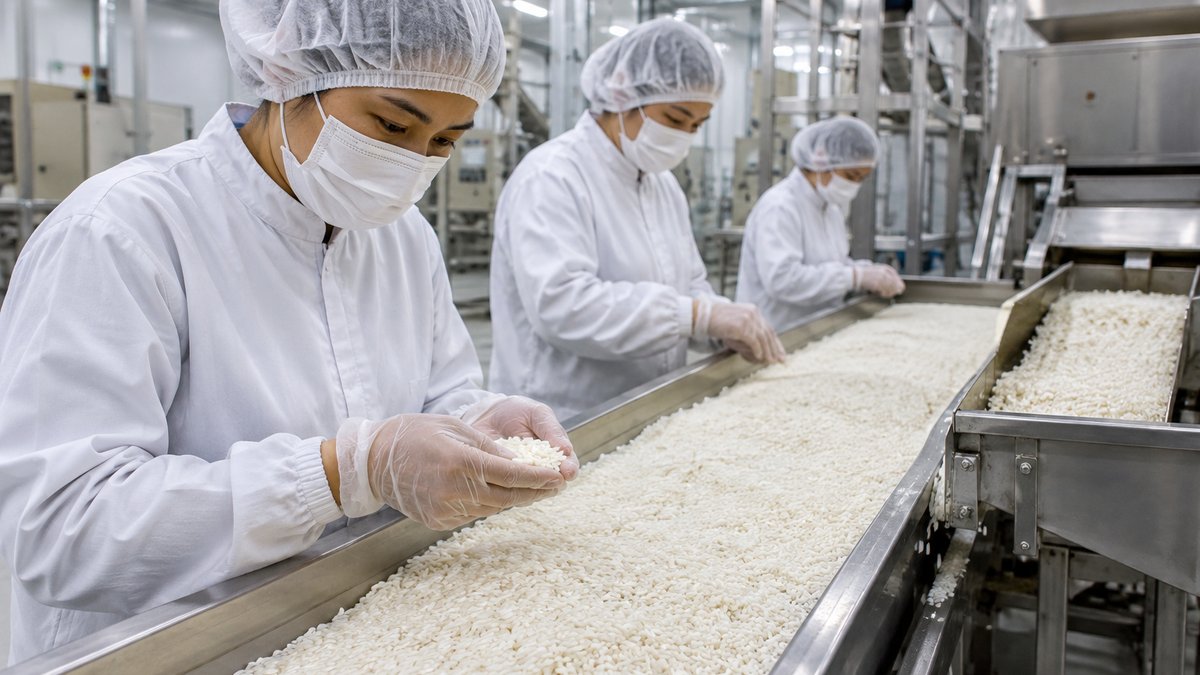
The Thai Rice Exporters Association listed Thai Jasmine Rice, also called Thai Fragrant Rice, at US$779 per metric tonne on 11 November 2026. The association’s 4 November listing was US$806/MT, so the reported quote fell by US$27/MT, approximately 3.3% week on week. These are dated association quotations, not firm offers to a specific U.S. buyer.
The association’s price listing notes one 50-kilogram woven polypropylene bag per unit. For container shipments, it lists an additional US$15/MT charge. Buyers should confirm whether those conditions apply to the offer they receive, along with the loading port, quotation validity, crop year and any other packaging costs.
The same 11 November list quoted Thai Hom Mali rice from the 2025/26 crop at US$1,192/MT, compared with US$1,187/MT on 4 November. That is a separate product and crop-year quotation. Buyers should not compare it directly with the Thai Jasmine Rice quote without confirming the grade and product specification.
2.2 Price comparison by exporting origin
A like-for-like comparison of current jasmine rice prices by origin is not available from the sources used for this update. USDA’s November 2026 export-price chart reports broad long-grain white rice benchmarks, including Thailand at US$497/MT on 5 November, but labels Thailand’s benchmark as 100B rice. That is not the Thai Jasmine Rice quotation above, so using it as a competing-origin jasmine price would mix different products.
For a useful comparison, request offers for the same jasmine variety and grade, crop year, broken percentage, moisture and packaging. Ask each seller to state the quote date, currency, metric-tonne basis, loading port and Incoterm. Keep the TREA jasmine quotation separate from general white-rice benchmarks.
2.3 Price trend and reporting period
Between 4 and 11 November 2026, the Thai Jasmine Rice FOB quotation declined US$27/MT, from US$806 to US$779/MT, based on the Thai Rice Exporters Association’s weekly listings. The change covers one week and does not establish a longer-term trend. The association’s separate Thai Hom Mali quotation moved in the opposite direction over the same week, underscoring why buyers should track the exact product line they purchase.
The reporting period for this snapshot is the week ending 11 November 2026. The latest quoted level is about three days old as of 14 November 2026. Importers seeking a current purchasing budget should request a fresh quotation and confirm shipment availability rather than treating the published reference as a live offer.
3. Why Are Jasmine Rice Export Prices Changing?
The available price evidence confirms a one-week decline in the Thai Jasmine Rice quotation, but it does not establish one cause for that movement. The association’s weekly listing gives the price level; it does not attribute the change to harvest supply, currency movements, demand or freight.
Supply and crop timing can affect the volume available for export, while buyer demand and competing origins can influence the offers traders make. For this specific week, however, the sources do not identify a verified driver for the US$27/MT reduction. Buyers should avoid treating a single weekly move as proof of a sustained direction.
Freight and exchange rates also affect a U.S. importer’s total purchase cost, but the FOB quotation does not include ocean freight or insurance. A buyer should compare delivered-cost calculations using the same destination port and shipment period. If those inputs change, the landed cost may move even when the export quotation does not.
USDA ERS reported lower U.S. imports of Thai jasmine in the 2025/26 marketing year as part of a broader decline in all-rice imports. That historical result provides demand context, not a forecast of future orders or a direct explanation for the November export quote.
4. Which Countries Import the Most Jasmine Rice?
4.1 Major global importing markets
The sources reviewed for this update do not provide a current, comparable country ranking for jasmine rice imports. Rice trade totals usually combine varieties, while jasmine is a specific aromatic type. A ranking based on all-rice imports would not answer which countries buy the most jasmine rice, so this update does not present one as a jasmine ranking.
The United States is a relevant destination for Thai jasmine rice: USDA ERS identifies Thai jasmine as a major source of U.S. long-grain imports. That establishes the product’s trade relevance, but it does not quantify the U.S. share of global jasmine demand.
4.2 Thailand’s export destinations and market opportunities
The sources used here do not provide a current, product-specific breakdown of Thailand’s jasmine rice export destinations or their year-on-year shares. Exporters assessing a target market should use destination-level customs or government statistics that identify the same rice type and reporting period.
Import projections and confirmed purchases answer different questions. A forecast estimates future trade under stated assumptions; a purchase order records a buyer’s stated requirement. Exporters should verify current orders and destination rules before treating a broad market outlook as demand for a particular shipment.
5. Where Can Buyers Source Jasmine Rice at a Competitive Price?
Buyers should compare the total delivered cost of offers that match the same specification. The US$779/MT Thai Jasmine Rice quotation on 11 November 2026 is an FOB reference. It does not include the sea freight and insurance normally needed to calculate a CIF price, or destination charges that may apply after arrival.
- Confirm the variety and grade, including whether the offer is Thai Jasmine Rice or Thai Hom Mali, and specify crop year and quality tolerances.
- Use the same order quantity, bag size and packaging material for every quotation. Confirm whether the association-listed container surcharge applies.
- Compare offers on the same delivery basis. FOB covers delivery onto the vessel at the named export port; CFR includes cost and freight to the named destination port; CIF also includes insurance.
- Ask for the loading port, shipment window, quote validity, payment terms and inspection arrangements in writing.
- Calculate landed cost using the same destination port and shipment assumptions. Include freight, insurance, customs charges, handling and other applicable import costs.
A buyer comparing Thai Jasmine Rice with another origin should also confirm that the rice is genuinely comparable. The USDA November 2026 long-grain benchmark for Thailand is Thai 100B rice, not the association’s Thai Jasmine Rice quote. Treating those figures as interchangeable could distort the comparison.
Buying consideration: Before choosing an offer, ask each supplier to quote against one written specification and state the Incoterm, named port and quotation date. Compare the resulting delivered costs, not just the headline FOB figures.
6. What Does the Latest Demand Look Like on Freshdi?
Freshdi buying requests can provide a place to review stated sourcing requirements for rice, but this update does not report a count or a pattern of jasmine rice requests. A request listing describes the requirements of that buyer; it is not a measure of total U.S. or global demand.
Buyers can review rice-related buying requests and describe their desired variety, grade, quantity, destination and delivery basis. Suppliers considering a request should check those stated requirements against their available product and shipment terms before preparing a quotation.
7. What Should Buyers and Suppliers Do Next?
7.1 For buyers and importers
Use the 11 November Thai Jasmine Rice quote as a dated reference point, then request current offers for the required shipment period. Compare the same product description, quantity, packaging and named destination across suppliers.
Confirm that the contract specification distinguishes Thai Jasmine Rice from Thai Hom Mali if that distinction affects the buyer’s purchase. Check import documentation and applicable U.S. requirements for the exact product and shipment. The export quote alone does not establish compliance or a final landed cost.
7.2 For exporters and suppliers
State the variety, grade, crop year, quality parameters, packaging and available quantity in each offer. Include the quote date, currency, loading port, Incoterm, validity period and any container or packaging charges.
When responding to a buyer requirement, match the stated destination, quantity and specification. If an item is not confirmed, state that it remains unconfirmed instead of implying that the offer includes it.
8. How Freshdi Helps Buyers and Suppliers Connect
Freshdi provides category pages where buyers can review potential rice suppliers and suppliers can review rice buying requests. The pages are a discovery resource; they do not verify that a listed offer matches the November price quotation or guarantee a transaction.
Buyers can review rice suppliers on Freshdi, while suppliers can review rice buying requests on Freshdi. Include the product grade, quantity, destination and delivery basis in sourcing details so that the parties can assess whether an offer fits the requirement.
Buyers and suppliers comparing rice requirements can review current listings and buying requests on Freshdi.
View Latest Rice Buying Requests →View Potential Rice Suppliers →
9. Conclusion: Jasmine Rice Market Outlook for the United States
The Thai Rice Exporters Association quoted Thai Jasmine Rice at US$779/MT FOB on 11 November 2026, down US$27/MT from 4 November. That one-week change is a useful dated reference, but it does not establish a continuing price trend or a U.S. delivered price.
U.S. importers should compare like-for-like jasmine rice specifications and calculate landed cost using current freight and destination charges. Exporters should date each offer and state its grade, packaging, shipment basis and validity period. Freshdi is one place to review relevant rice suppliers and buying requests.
Readers preparing a rice sourcing or sales inquiry can use Freshdi to review relevant suppliers and buying requests.
View Latest Rice Buying Requests →View Potential Rice Suppliers →
Frequently Asked Questions
What was the latest Thai jasmine rice export price relevant to U.S. buyers?
The Thai Rice Exporters Association listed Thai Jasmine Rice at US$779 per metric tonne FOB on 11 November 2026. The quote is an export reference, not a U.S. wholesale, retail or delivered price.
How much did the Thai jasmine rice quotation change in the latest week?
The association’s quote fell from US$806/MT on 4 November to US$779/MT on 11 November 2026, a decrease of US$27/MT, or about 3.3% relative to the 4 November figure.
Is Thai Hom Mali the same price product as Thai Jasmine Rice?
The association lists them separately. On 11 November 2026, Thai Hom Mali rice from the 2025/26 crop was quoted at US$1,192/MT, while Thai Jasmine Rice was US$779/MT. Confirm the specific variety and grade before comparing offers.
Why did the Thai jasmine rice price fall in the week to 11 November?
The weekly price listing reports the movement but does not identify a cause. The sources used for this update do not verify whether the decline came from supply, demand, exchange rates or another factor.
How should a U.S. buyer compare FOB and CIF jasmine rice offers?
FOB names the export port and generally covers the seller’s delivery onto the vessel. CFR includes cost and freight to the named destination port, while CIF also includes insurance. Compare offers using the same product specification, destination, quantity and shipment period, then account for destination charges when estimating landed cost.
Where can buyers and suppliers review jasmine rice sourcing activity on Freshdi?
Freshdi’s rice category pages let users review supplier listings and buying requests. Treat each listing as an individual sourcing record, confirm its stated requirements and terms, and verify details directly before making a commercial decision.
References
1. Thai Rice Exporters Association – Weekly Thai Rice Export Price List, 11 November 2026.
2. USDA Economic Research Service – Rice Outlook: September 2026, 15 September 2026.
3. USDA Economic Research Service – Rice: Trade, 9 October 2026.
4. USDA Foreign Agricultural Service – Grain: World Markets and Trade, November 2026, November 2026.
Disclaimer: This article is compiled from platform data, public sources and information provided by third parties, for general informational purposes only. We do not guarantee its accuracy or completeness. Prices, volumes and forecasts are indicative, reflect conditions as of 2026-11-14 and may change without notice. This is not financial, investment or trading advice.