
Introduction
The latest available Mombasa Tea Auction result before 13 November 2026 put the average price at US$2.33 per kilogram on 2 November. That is an auction benchmark for tea sold through Mombasa, not a confirmed export quotation for a particular black tea grade or a delivered price in Pakistan.
Pakistan remains a major destination for Kenyan tea. This update covers the latest auction benchmark, Kenya’s 2026 price trend through August, and Pakistan’s 2025 import statistics. The distinction between auction averages, customs unit values and supplier quotations matters when buyers compare offers.
Key Takeaways
- The East African Tea Trade Association reported a Mombasa auction average of US$2.33/kg for Sale 44 on 2 November 2026. The figure is an auction average, not a Pakistan-specific FOB or CIF quotation.
- Kenya’s National Bureau of Statistics reported an average auction price of US$2.25/kg in August 2026, compared with US$2.24/kg in July and US$2.14/kg in August 2025.
- World Bank WITS data show Pakistan imported 217,966 tonnes of tea from Kenya in calendar 2025, valued at US$552.4 million. The HS 0902 data cover tea broadly, not a single black tea grade.
- Pakistan’s 2025 average import value for tea from Kenya was about US$2.53/kg, calculated from the reported value and quantity. It is a customs unit value, not a current supplier offer.
- Buyers should request matching grade, packing, quantity, shipment timing and delivery terms before comparing quotations or estimating landed cost.
1. Kenya Tea and Pakistan’s Import Market
Kenya is a significant tea supplier to Pakistan, and Pakistan is one of Kenya’s leading export destinations. World Bank WITS data for calendar 2025 record Pakistan’s tea imports from Kenya at 217,966 tonnes, worth US$552.4 million. Those figures cover HS 0902 tea as a broad customs category, so they should not be read as a breakdown of black tea grades.
The same WITS data report total Pakistani tea imports of 251,395 tonnes in 2025. Kenya supplied about 86.7% of that quantity, calculated from the reported Kenya and world totals. This concentration makes Kenyan supply and Mombasa auction conditions relevant to Pakistani buyers, while the customs figures describe completed trade rather than current demand or open offers.
Kenya’s Tea Board reported a 2024 average auction price of US$2.19/kg, down from US$2.24/kg in 2023. The board also reported that Pakistan remained Kenya’s leading export destination that year. These annual figures provide context, but they do not replace a current quote for a specified grade, quantity and shipment.
The price figures in this update have different scopes. Mombasa auction averages describe tea sold at auction; customs unit values divide declared trade value by quantity across a broad product category; supplier quotations specify a particular commercial offer. Buyers should keep those measures separate.
Looking to Source Black Tea?
Connect with verified suppliers, discover matching products, and explore sourcing opportunities from global markets.
2. Latest Kenya Black Tea Price Benchmarks
2.1 Current Mombasa auction benchmark
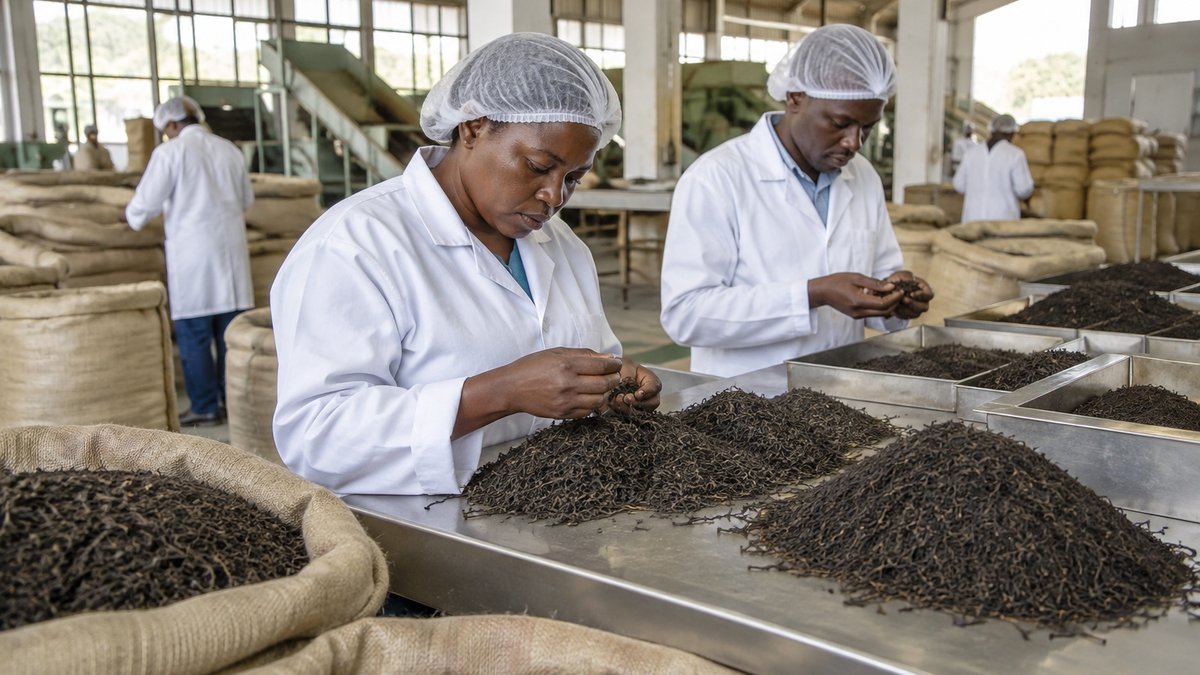
The East African Tea Trade Association’s auction statistics reported a US$2.33/kg average for Sale 44, held on 2 November 2026. This is the newest dated auction result identified for this update. The published headline figure is not an offer specifically for Pakistan, and it does not identify one grade, packing format or delivery basis.
Auction prices vary by tea type and quality. The Tea Board of Kenya notes that grade-specific price and buyer absorption depend on quality characteristics. A buyer sourcing CTC tea, or crushed, torn and curled tea, should therefore ask for the relevant grade and lot details instead of treating an overall auction average as the price for every black tea shipment.
2.2 Recent price movement in Kenya
Kenya National Bureau of Statistics data, sourced to the Tea Board of Kenya, show average auction prices through August 2026. The monthly series rose in June, eased in July, then edged up in August. The figures are national auction averages in US dollars per kilogram, rather than quotations for a specific grade or destination.
The August 2026 average was about 5.1% above August 2025, using the two monthly figures reported by KNBS. The rise from July to August was about 0.4%. These calculations compare monthly averages on the same reported basis; they do not show how a particular grade, auction lot or Pakistani delivered offer changed.
EATTA’s 2 November Sale 44 average of US$2.33/kg is later than the KNBS monthly series, which ends in August. It is not a direct month-on-month comparison with August because one figure covers a sale and the other a full month, and their product mix may differ.
2.3 How Pakistan import values compare by origin
World Bank WITS reports 2025 Pakistani imports by partner under HS 0902. Dividing each origin’s reported value by its quantity gives the indicative unit values below. This comparison uses one year and one broad customs heading, but it is not grade-matched: the figures may reflect different tea types, quality, packaging and shipment contracts.
The table is a customs-value comparison, not a ranking of supplier offers or tea quality. In particular, the lower Vietnam unit value does not establish that an equivalent grade would cost less than Kenyan tea. Buyers need matching specifications and delivery terms to make a commercial comparison.
3. Factors That Can Move Kenyan Tea Prices
Auction supply, tea quality and buying activity affect the price buyers see for a particular lot. The Tea Board of Kenya’s 2024 report says that prices and absorption vary with grade and quality characteristics. An average can therefore move even when individual grades do not move by the same amount.
Production is another supply measure to monitor. KNBS reported provisional Kenyan tea production of 51,231.90 tonnes in January 2026, 52,423.37 tonnes in May and 51,484.56 tonnes in June. Monthly production does not equal the quantity offered at auction: the same KNBS table reports separate production and auction volumes.
Pakistan’s buying position matters to exporters because it is a large destination for Kenyan tea. The USDA Foreign Agricultural Service’s 2025 report on Kenya’s tea industry recorded Pakistan as the largest destination in 2024, with 221,472 tonnes of Kenyan tea. That annual destination figure establishes market importance, but it does not confirm current orders or explain a specific week’s auction movement.
Currency, freight, insurance and import charges also affect a buyer’s cost in Pakistan, even when an auction reference is unchanged. The buyer should evaluate these as separate quotation and landed-cost components. No current, dated Pakistan-specific freight rate or supplier quotation is used here, so the US$2.33/kg auction benchmark should not be converted into a delivered price.
Kenya Tea Board’s annual report recorded a lower average auction price in 2024 than in 2023 and discussed differences by grade and market participation. The 2024 explanation is useful historical context; it is not evidence of the cause of the November 2026 auction result.
4. Which Countries Import Kenyan Tea?
4.1 Major importing markets for tea
Pakistan was the largest destination in the Kenyan export figures reported by USDA FAS for 2024. Egypt and the United Kingdom were also among Kenya’s major destinations that year. Those are destination figures for Kenyan tea, not a ranking of all countries’ total tea imports.
For the broader Pakistani import market, World Bank WITS records Kenya far ahead of the other listed origins in 2025 by quantity. Rwanda was the next largest source among the partner figures shown. The WITS heading is tea, HS 0902, so the data do not isolate black tea varieties or grades.
These are calendar-year 2025 customs records, not forecasts. They show recorded trade by origin and do not establish the volume of current buyer demand, the specifications purchased or the prices now available.
4.2 What the destination figures mean for exporters
Pakistan’s role as a major destination gives Kenyan suppliers a reason to prepare offers around the needs of Pakistani importers, but exporters should confirm each buyer’s requirements directly through the commercial process. An annual export destination or import total does not equal a confirmed order.
Exporters assessing other destinations should check the importing market’s product rules, documentation and buyer specifications before quoting. The available figures establish the scale of trade with Pakistan; they do not provide current tariffs, market forecasts or a verified list of Pakistani buyer requirements.
5. How Buyers Can Compare Kenyan Tea Offers
A useful comparison starts with the same tea specification and delivery point. The Mombasa auction average is a reference for auction activity; a supplier’s export offer may differ because of grade, lot, packaging, quantity, shipment date and contract terms.
- Specify the tea type and grade, including the requested CTC or orthodox style where relevant.
- Set quality parameters and tolerances in writing, and ask for the lot or sample details that support the offer.
- Compare the same quantity and packaging format, including bag material and net weight.
- Ask suppliers to identify the loading point, shipment window, quote currency and validity period.
- Compare offers on the same Incoterm and destination basis. FOB means the buyer arranges the main carriage from the named loading port; CFR includes cost and freight to the named destination port; CIF also includes insurance.
- Add freight, insurance, duties, port costs and other applicable charges when calculating the estimated landed cost in Pakistan.
- Confirm the documents and import requirements that apply to the product and shipment before finalizing the contract.
A customs unit value or auction average cannot replace a written quotation. If two offers differ, first check whether the grade, packaging, volume, delivery basis and shipment timing match. A lower headline figure may not represent the lower total cost for the buyer’s required specification.
Buying consideration: Ask each supplier to quote the same specification and destination basis, then compare the full cost and shipment conditions rather than treating the auction average as a payable price.
6. What Freshdi Demand Data Shows
The verified figures in this update describe auction activity and recorded international trade. They do not measure Freshdi buying requests or platform-wide demand. Buyers and suppliers should treat marketplace requests as a separate source of current business inquiries, distinct from national import statistics.
When reviewing a buying request, exporters can check the buyer’s stated product, quantity, destination and trade terms before deciding whether to prepare an offer. Buyers comparing suppliers can use the written product details to identify offers that match their own grade and shipment requirements.
7. Practical Next Steps for Buyers and Suppliers
7.1 For buyers and importers
- Use the 2 November Mombasa auction average as a dated reference, not as a Pakistan landed quotation.
- Request a current quote with grade, quality limits, packing, quantity, shipment window and named delivery basis.
- Compare Kenyan offers with other origins only after matching product specification and contract terms.
- Check freight, insurance, import charges, documentation and shipment schedules for the intended Pakistani destination.
- Confirm the validity period and what may cause a price revision before relying on an offer for budgeting.
7.2 For exporters and suppliers
- State the tea type, grade, quality details, packing and available quantity in each offer.
- Name the loading point, Incoterm, currency and quotation validity period.
- Separate an auction reference from the supplier’s own export price and explain the basis of the offer.
- Keep shipment timing and supporting product documentation clear for the buyer’s destination.
- Review buying requests and respond when the stated quantity, product and delivery requirements fit the offer.
8. Finding Tea Buyers and Suppliers on Freshdi
Buyers sourcing Kenyan black tea can review supplier listings and assess whether the listed product information matches their required grade, quantity and delivery basis. Suppliers can review tea buying requests and check the stated destination and terms before preparing a tailored quotation.
Freshdi’s tea category pages provide a place to browse supplier listings and buying requests. Product listings and requests help start a sourcing discussion; they do not replace checks on specifications, documentation, price validity or contract terms.
Browse potential tea suppliers and review tea buying requests when comparing sourcing options.
Buyers and exporters ready to compare current sourcing needs can review relevant tea listings and requests.
View Latest Tea & Tea Leaves Buying Requests →View Potential Tea & Tea Leaves Suppliers →
9. Kenya Black Tea Market Outlook for Pakistan
The latest identified Mombasa auction result was US$2.33/kg on 2 November 2026, while the latest KNBS monthly average in the cited series was US$2.25/kg for August. Pakistan’s 2025 imports show the importance of Kenyan tea to the market, but neither the auction figure nor the annual import unit value is a current supplier quote.
Buyers should compare written offers on matched grades and landed-cost terms. Exporters should state the product specification, shipment basis and quote validity clearly. Freshdi can be used to browse relevant tea suppliers and buying requests as part of that sourcing work.
Buyers ready to assess product listings against their requirements can review suppliers for tea.
View Related Suppliers for This Product →
Frequently Asked Questions
What is the latest Kenya tea price for Pakistan?
The East African Tea Trade Association reported a Mombasa auction average of US$2.33/kg for Sale 44 on 2 November 2026. That is an auction benchmark, not a current quotation for a specific grade delivered to Pakistan. Request a supplier offer with the exact grade, quantity, packing and delivery basis.
How did Kenya’s tea auction price change in 2026?
Kenya National Bureau of Statistics data sourced to the Tea Board of Kenya show an average of US$2.25/kg in August 2026, up from US$2.24/kg in July. The August 2026 figure was about 5.1% above August 2025’s US$2.14/kg. These are monthly auction averages, not grade-specific export quotations.
Was Kenyan tea more expensive than other origins in Pakistan in 2025?
World Bank WITS records indicate an average Pakistani import value of about US$2.53/kg for tea from Kenya in 2025. Comparable calculations from the same broad HS 0902 data give about US$2.73/kg for Rwanda, US$1.92/kg for Vietnam and US$2.45/kg for Malawi. These customs unit values are not grade-matched supplier prices.
Which country supplied the most tea to Pakistan in 2025?
World Bank WITS reports that Pakistan imported 217,966 tonnes of tea from Kenya in calendar 2025, more than from any other listed origin. The HS 0902 figures cover tea broadly and do not specify a single black tea grade.
Does the Mombasa auction price include freight to Pakistan?
No. The US$2.33/kg figure is an auction average reported for a Mombasa sale. It is not a CIF or delivered price for Pakistan. Buyers should request a quotation that names the Incoterm and destination, then account for freight, insurance and applicable import and port charges.
How should buyers compare black tea quotations?
Ask suppliers to quote the same tea type and grade, quality limits, quantity, packaging, shipment period and delivery basis. Compare landed cost only after adding freight, insurance and other applicable charges. Check quote validity and shipment documentation before committing.
References
1. East African Tea Trade Association – Tea Auction Statistics, 2026, Sale 44 dated 2 November.
2. Kenya National Bureau of Statistics – Leading Economic Indicators, August 2026, 2026.
3. World Bank WITS – Pakistan Tea Imports by Country, 2025, 2025 data, page refreshed 11 November 2026.
4. Tea Board of Kenya – Tea Industry Performance Report January to December 2024, 2024.
5. USDA Foreign Agricultural Service – Brewing Trends: Analysis of Kenya’s Tea Industry, 2025.
Disclaimer: This article is compiled from platform data, public sources and information provided by third parties, for general informational purposes only. We do not guarantee its accuracy or completeness. Prices, volumes and forecasts are indicative, reflect conditions as of 2026-11-13 and may change without notice. This is not financial, investment or trading advice.