
Introduction
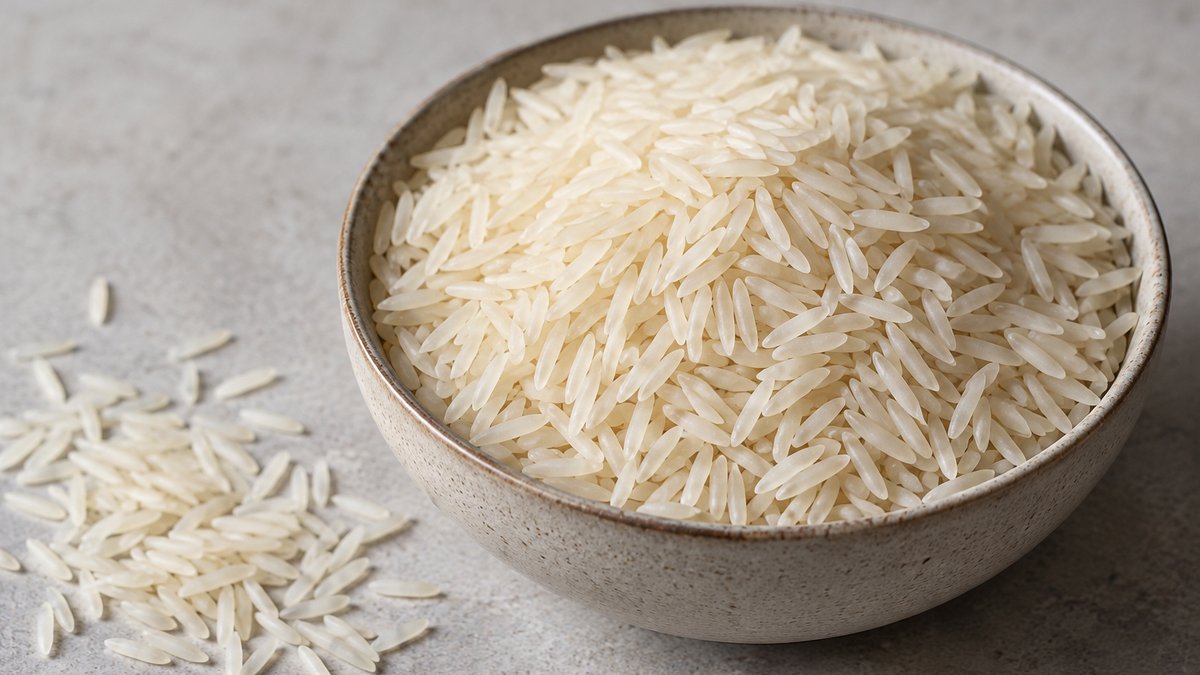
Basmati Rice buyers specify different varieties, processing styles, grain characteristics and pack sizes. A request for 1121 Golden Sella is not automatically comparable with one for steam basmati or a broader Basmati Rice requirement. Suppliers need to match the buyer’s stated product and clarify missing details before preparing a firm quotation.
Nine Basmati Rice buying requests from nine buyers were posted on Freshdi between 7 and 16 November 2026; this review is current as of 18 November 2026. The stated buyer countries range from Togo and Oman to Canada, Egypt and Bangladesh, while some delivery destinations are in other countries. The requests show quantities, ports, trade and payment terms, but several leave product specifications or price details unclear. Suppliers can use the comparison to identify what each request says and what needs confirmation.
Key Takeaways
- The nine requests were posted from 7 to 16 November 2026 by nine buyers. Their stated quantities range from 1 ton to 250,000 MT, alongside container-based and weekly requirements.
- CIF appears in seven records and FOB in three; one request lists both. Payment fields include T/T, L/C, negotiable terms and options to discuss.
- Only three requests state specifications. Among the details provided are 1121 varieties, moisture limits, grain length, broken-grain rate, cooking characteristics and processing.
- Three records include packaging details, with pack sizes ranging from 1 kg to 50 kg or described as available to customer requirements.
- The RFQ price fields are not comparable as supplied. Some show a currency without an amount, while other records show an amount without a clear price unit or product basis.
1. Basmati Rice Market Overview: Trade, Supply and Export Prices
India’s Basmati Rice exports give one measurable view of international demand. The Agricultural and Processed Food Products Export Development Authority (APEDA) reports that India exported 6.52 million MT of Basmati Rice in fiscal year 2025-26, valued at Rs. 50,138.28 crore, or USD 5.67 billion. APEDA lists Saudi Arabia, Iran, Iraq, the United Arab Emirates, Yemen and the United States among the main destinations for that year. These figures describe Indian exports, not the size of the entire global Basmati Rice market.
The USDA’s November 2026 rice outlook covers rice as a whole, rather than Basmati Rice alone. For the 2026/27 marketing year, USDA said global rice production was nearly unchanged from the previous month, consumption was revised slightly lower and projected ending stocks rose, although they remained below the previous year’s record. USDA also reduced its global trade forecast, citing lower exports from India and reduced imports for Bangladesh and West Africa. Those broad rice estimates offer supply context, but they should not be treated as Basmati-specific production or trade figures.
The latest official Basmati-specific price series located for this review was in APEDA’s February 2026 monthly dashboard. Its export-price chart, expressed in USD per MT, shows India Pusa Basmati rising to about USD 1,150 per MT in February from about USD 925 per MT in December 2025; Pakistan’s Basmati price was about USD 1,065 per MT in February. APEDA’s chart does not establish a price for every variety, processing style or sales basis. The figures are also several months old, so they are historical references rather than current offers.
A separate USDA chart in the November 2026 rice report tracks export quotes for long-grain white rice, with different specifications by country. Those quotations are not a Basmati price benchmark. Suppliers should compare Basmati offers only when the variety, processing type, grade, packing, date and sales basis match. A 1121 Sella quotation and a Pusa Basmati reference, for example, do not describe the same product.
The recent Freshdi requests add a platform-specific view: nine buyers posted Basmati Rice-related requests from 7 to 16 November 2026. The requests show interest in named varieties and in broader Basmati Rice supply, but the range of stated quantities and incomplete price fields do not establish a market-wide demand level or a comparable price trend.
Looking to Sell Basmati Rice?
Connect with verified buyers, receive relevant buying leads, and explore sourcing opportunities from global markets.
2. Recent Basmati Rice Buying Requests and RFQs
Nine buyers posted the requests shown here between 7 and 16 November 2026. The requests are presented as stated on Freshdi as of 18 November 2026. Buyer country and destination are separate fields: for example, a buyer’s country may differ from the named port or delivery location. Check each original request for its latest status and full wording before preparing an offer.
Treat the table’s destination and quantity entries as buyer-stated information, not normalized shipment instructions. The records include ports in Togo, Oman, the United Arab Emirates, the Philippines, Egypt, Bangladesh, the Maldives and Pakistan. One request lists Canada as the buyer country and Manila, Philippines, as its destination; another lists Indonesia as the buyer country and Karachi, Pakistan, as its destination. Confirm the intended delivery market and port directly through the request before pricing freight or checking import requirements.
The quantity field needs the same care. The records include amounts stated in MT, tons and containers, plus a weekly container requirement. One request states 250,000 MT, and another states 12,000 MT. These large figures are reproduced as submitted; the records do not provide enough context to confirm their shipment schedule, unit interpretation or commercial feasibility. Ask whether a quantity is per shipment, per month or for a longer programme before committing supply.
The price fields do not create a usable comparison. Some records contain only “USD”; others provide an amount but do not clearly state the price unit or whether it applies on a per-MT, per-container or other basis. The request data also does not supply a consistent variety, packing and delivery basis across all nine records. Do not treat these entries as market quotations. Ask the buyer to confirm currency, unit, grade, packaging and Incoterm before returning a price.
The request for Basmati and non-Basmati rice is a mixed-product requirement as written. A supplier should clarify whether the buyer needs both categories, what quantities apply to each, and whether the same port, packaging and delivery terms cover both. A Basmati-only offer may not address the complete request.
3. What These Basmati Rice Buying Requests Mean for Suppliers
The requests point to a practical quoting issue: buyers use different levels of product detail. Some name a specific variety or processing type; others say only Basmati Rice. Three of the nine requests state specifications, while the others do not provide specification details in that field. That leaves suppliers to establish whether their rice matches the buyer’s intended variety and quality before quoting.
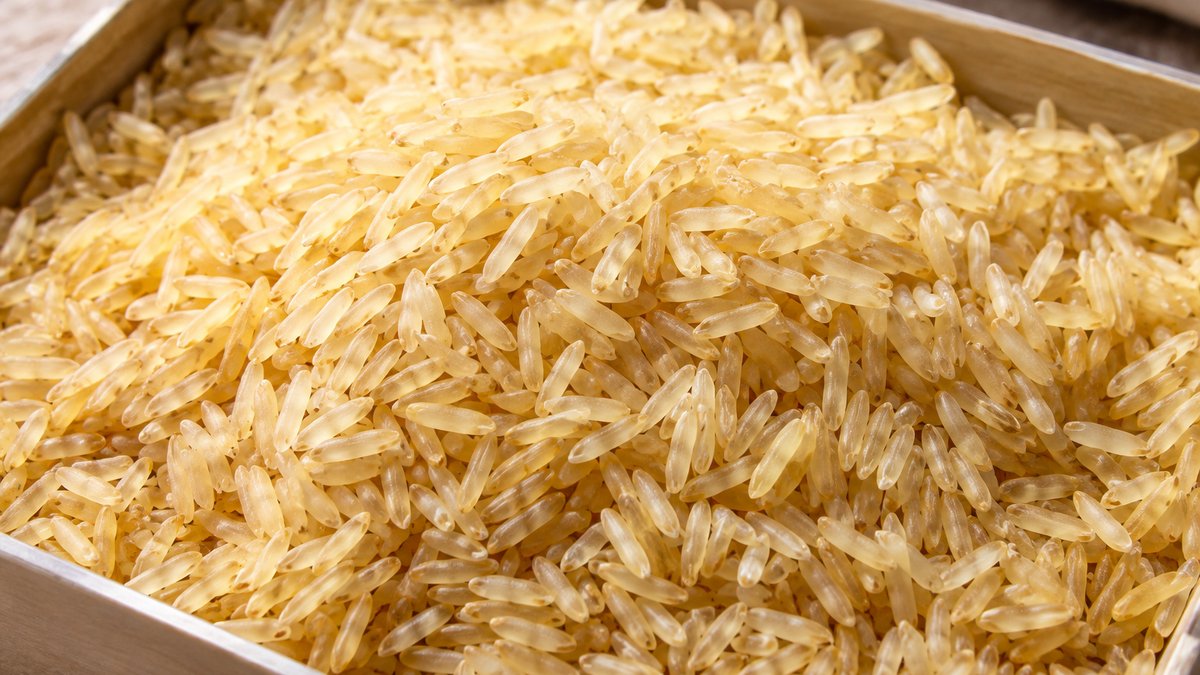
One request names 1121 Golden Sella and gives a shelf-life statement, moisture figures and cooking elongation. Another identifies 1121 White Sella, gives an 8.35 mm length, and states moisture and broken-grain limits. A request for steam 1121 identifies the variety and shipping details, but does not provide a full technical specification in the record. These are distinct buyer descriptions; suppliers should not transfer one buyer’s limits to another request.
Ask the buyer to define how each quality claim will be measured. For moisture, confirm the agreed test method and acceptance limit. For grain length, confirm whether the figure refers to raw grain or another measurement basis. For broken grains and cooking elongation, agree the inspection or test method and the conditions under which the sample will be evaluated. If the request uses terms such as “premium,” “aromatic” or “long grain,” ask for a measurable specification rather than assuming a universal grade.
Packaging is stated in three records. The listed options include retail and bulk pack sizes from 1 kg to 50 kg, while one buyer says pack sizes can be arranged to customer requirements. Confirm the selected bag size, material, printing, inner liner, net weight tolerance, palletization and labeling before calculating packing costs. Where the request gives several pack sizes, ask whether the buyer wants one size or a mix.
CIF is listed in seven records and FOB in three; one request lists both terms. The terms allocate costs and responsibilities differently. Under FOB, the seller’s price is tied to delivery on board at the named port of shipment. Under CIF, the seller arranges cost, insurance and freight to the named destination port, subject to the agreed contract and applicable Incoterms rules. State the named port and the edition of Incoterms being used in any offer. For requests that show alternatives, ask which basis the buyer wants.
Payment terms vary across the requests. Five list T/T, one lists L/C, one says negotiable, one says other, and one says terms are to be discussed with suppliers. These labels do not provide the full payment schedule. Before accepting an order, clarify deposit and balance timing, bank and documentary conditions, inspection arrangements and the point at which payment is due. Do not quote a payment condition that your business cannot support.
A reply should separate confirmed offer details from questions. State the variety, processing type, crop or packing details you can document, the quantity available, shipment window and loading port. Then list the buyer details still needing confirmation, especially where the RFQ has an unusual quantity, a destination that differs from the buyer country, or an incomplete price field. That gives both sides a clear basis for deciding whether the offer fits.
4. How Freshdi Helps Suppliers Find Basmati Rice Buyers
Freshdi lets suppliers browse buying requests by product category. Suppliers can review the request details, compare the buyer-stated variety, quantity, destination, trade terms and payment terms, then open the original request to check its current details. A listing is a buyer’s stated requirement, not a confirmed order or a guarantee that the buyer will proceed.
To review Basmati Rice requirements, use the Basmati Rice buying requests category. Suppliers can also browse the broader Rice buying requests category. Check each listing’s current status and confirm incomplete specifications before preparing a firm quotation.
A useful response identifies the exact variety and processing type offered, then gives the specification and packaging details the buyer needs to assess it. Include a price only after confirming its unit, currency and sales basis. If the request is incomplete, send focused questions on grade, quantity schedule, destination port, packaging and payment terms before treating the offer as final.
Suppliers ready to review current Basmati Rice requirements can use Freshdi’s Find Buyers feature.
View Latest Buying Requests for This Product →
5. Conclusion: Check the Specification Before Quoting Basmati Rice
The nine recent requests show buyers asking for named 1121 varieties, general Basmati Rice and, in one case, both Basmati and non-Basmati rice. Quantities, destination details, packaging and payment terms vary. Several listings leave specifications or price basis unclear, so suppliers should confirm those points before committing a price or shipment plan.
Review the original RFQ, match the buyer’s actual product requirement and state what your offer covers. Clarify unusual quantities, destinations, units and delivery terms in writing. Suppliers can return to Freshdi to review Basmati Rice buying requests and assess whether a current requirement matches their documented supply.
After checking your stock and specifications, use Freshdi’s Find Buyers feature to review relevant requests.
View Latest Buying Requests for This Product →
Frequently Asked Questions
How many recent Basmati Rice buying requests are included?
The review covers nine requests from nine buyers, posted on Freshdi between 7 and 16 November 2026. The records are presented as of 18 November 2026. Check each original request for its current status and details before quoting.
What Basmati Rice varieties appear in the requests?
The stated product names include 1121 Golden Sella, 1121 White Sella, steam 1121, Super Basmati and general Basmati Rice. One request lists both Basmati and non-Basmati rice. Suppliers should clarify the exact variety and processing type whenever the request is broad or combines product categories.
What specifications should a Basmati Rice supplier confirm?
Confirm the variety, processing type, grain length and measurement basis, moisture limit, broken-grain tolerance, cooking characteristics, packaging and inspection method. The request should identify the buyer’s acceptance criteria; a specification in one RFQ does not automatically apply to another.
Can suppliers compare the target prices in these requests?
Not reliably from the fields shown. Some entries state only USD, and other amounts do not consistently identify a unit or comparable product basis. Ask the buyer to confirm the currency, price unit, variety, processing type, pack size and Incoterm before treating a price as a quotation basis.
Which trade and payment terms appear in the requests?
CIF appears in seven requests and FOB in three, with one request listing both. Payment fields include T/T, L/C, negotiable terms, other and terms to discuss. Confirm the named port, delivery basis, payment schedule and any documentary or inspection conditions before submitting a firm offer.
How can suppliers find Basmati Rice buying requests on Freshdi?
Suppliers can browse the Basmati Rice buying request category and open individual listings to review the buyer-stated product, quantity, destination, terms and other details. Check the current request before quoting, since listing details or status may change.
References
1. U.S. Department of Agriculture, Foreign Agricultural Service – Grain: World Markets and Trade, November 2026.
2. Agricultural and Processed Food Products Export Development Authority – Basmati Rice, 2025-26 export data.
3. Agricultural and Processed Food Products Export Development Authority – Market Intelligence Cell Monthly Dashboard: Rice, February 2026, February 2026.
Disclaimer: This article is compiled from platform data, public sources and information provided by third parties, for general informational purposes only. We do not guarantee its accuracy or completeness. Mentions and rankings of suppliers do not constitute an endorsement or guarantee, and strategies and examples are illustrative; results may vary. Please conduct your own due diligence before making business decisions.