
Introduction
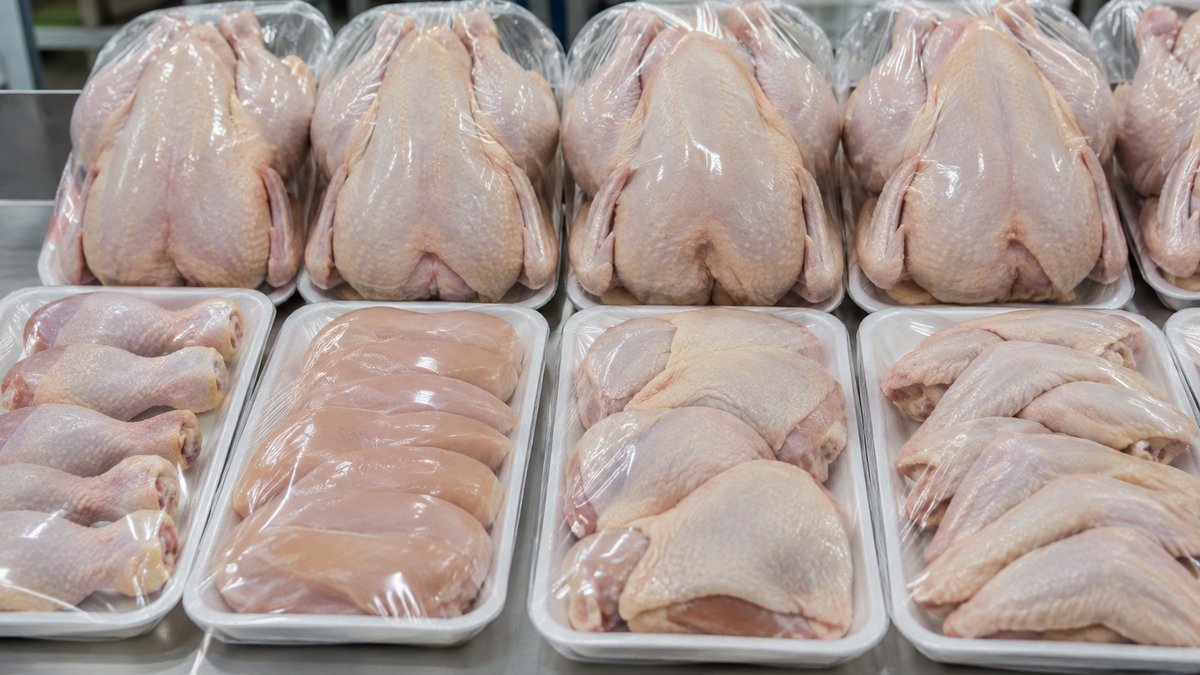
Frozen Chicken buyers may seek whole birds, specific cuts or mixed product ranges, with different requirements for weight, temperature, packaging and documentation. A quotation needs to match the product and delivery basis the buyer has actually requested.
Seven requests from seven buyers were posted on Freshdi from November 5 to 16, 2026, and reviewed on November 17. They name destinations across six buyer countries, with one buyer country not stated. The requests show the quantities, terms and product details buyers entered; they are a platform sample, not a measure of total market demand.
Key Takeaways
- Seven Frozen Chicken requests from seven buyers were posted between November 5 and 16, 2026.
- All seven state a quantity and destination; six state the buyer's country, while one leaves it unstated.
- Five requests list CIF and four list FOB. Some list both, so those counts overlap.
- Five requests provide product specifications. Only one lists HALAL as a certificate, and only one states export-carton packaging.
- Several quantities or destinations need clarification before a supplier can prepare a comparable, deliverable quotation.
1. Frozen Chicken Market Overview and Trade Context
The latest official global outlook covers chicken meat as a broad category, not Frozen Chicken alone. In its October 2026 report, the USDA Foreign Agricultural Service forecast global chicken-meat exports at nearly 15.6 million metric tons in 2027, up 3% from the 2026 forecast. Brazil was forecast to export nearly 5.5 million metric tons and China 1.9 million metric tons in 2027. These are forecasts for chicken meat trade overall, not confirmed shipments or frozen-only figures.
The USDA outlook also describes changes in supplier competition. China’s 2027 exports were forecast to rise 25%, while Brazil’s forecast increase was 1%. The USDA attributed China’s expected growth to competitive pricing and demand in emerging markets. Its Brazil forecast assumed the European Union restriction on Brazilian chicken-meat imports would remain in place through 2027. That policy assumption affects the forecast; it does not describe every importing market or every Frozen Chicken product.
Trade statistics depend on the product definition. UN Comtrade classifies frozen whole domestic fowl separately from frozen cuts and offal in its Harmonized System categories. The USDA’s broader chicken-meat export outlook should therefore be used as context, not as a direct total for the whole-bird and cut requirements in these Freshdi requests.
The seven Freshdi requests are a separate observation: they show buyer-entered requirements posted during a 12-day span, from November 5 to 16, 2026. They do not establish market size, national import totals or a change in demand. Their varied product descriptions and commercial terms instead show why suppliers need to screen each inquiry against the exact product, origin eligibility and delivery point.
For suppliers, the global forecast is background for monitoring export competition, not a basis for pricing an individual shipment. A buyer’s destination, requested cut and delivery term determine which costs and import conditions to check. The Freshdi requests provide those buyer-entered details where stated, while the USDA forecast covers a wider product category and a future period.
Looking to Sell Frozen Chicken?
Connect with verified buyers, receive relevant buying leads, and explore sourcing opportunities from global markets.
2. Recent Frozen Chicken Buying Requests and Buyer Requirements
Seven buyers posted Frozen Chicken requests on Freshdi between November 5 and 16, 2026. The listings include whole chicken, chicken cuts and broader descriptions; destinations range from named ports to general locations and an airport code. The record details are shown as entered.
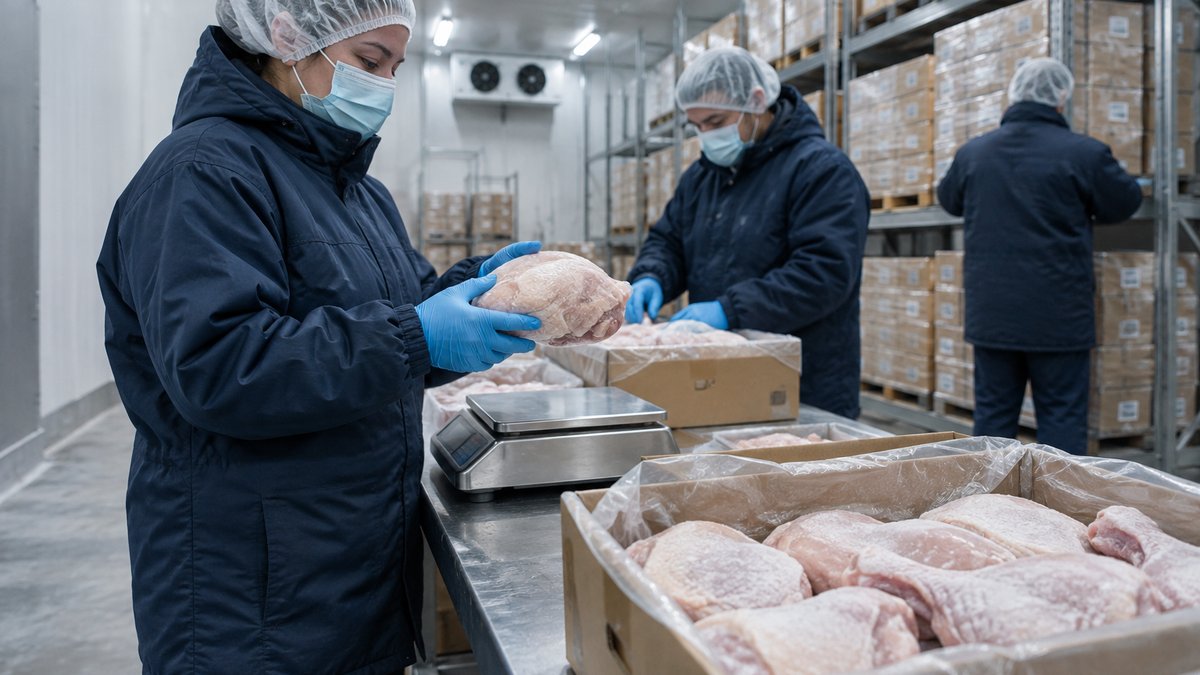
Quantity units are not consistent across the requests. Some use tons, while others state containers; one entry shows “5000” without a unit in the provided listing data. Treat each quantity as buyer-entered and confirm its unit, net or gross weight basis, and shipment frequency before costing production or freight. Do not compare the container figures with tonnage until the buyer confirms container size, loading plan and required net cargo weight.
The stated destinations also need careful review. One listing gives Dubai with the code DXB, another names Paris Charles De Gaulle with CDG, and others use country or broad-location descriptions. A destination entry should not be silently converted into a seaport. Confirm the required discharge port or delivery place, the receiving facility, and whether the buyer expects port delivery or onward transport.
The five requests that state CIF and the four that state FOB do not represent nine separate buyers. Some listings give both terms, so the counts overlap. CIF means the seller arranges cost, insurance and freight to the named destination port, while FOB means the seller delivers the goods on board at the named port of shipment. Confirm the named port and the applicable Incoterms version in the quotation. For either term, define the product, packing, shipment schedule and price unit so the buyer can compare offers on the same basis.
The payment terms recorded across the seven requests include T/T in five, D/P in one and “Negotiable” in one. T/T means telegraphic transfer; D/P means documents against payment. These labels alone do not specify payment timing, required documents, bank charges or other safeguards. Agree those details in writing before accepting an order.
Five requests include product specifications. Two state a storage temperature of -18°C or below and a weight range of 1.2 to 2.0 kg; one also lists Grade A and HALAL. Another request lists a broad range of cuts and processing descriptions, while a separate request names several parts and requests 10–20 kg export cartons. These details belong to their individual listings and should not be treated as requirements shared by all seven buyers.
Only one request lists HALAL as a certificate, and one states 10–20 kg export cartons. The other records do not establish that those requirements apply. Five requests are marked as verified requests in the Freshdi data; that status is a platform listing signal, not evidence that a buyer will complete a transaction.
3. What These Requests Mean for Frozen Chicken Suppliers
A supplier should first match the buyer’s product description to actual stock. “Whole frozen chicken” and “Frozen Chicken Cut” do not identify a complete specification. Before quoting, confirm whether the buyer wants whole birds, specific cuts, offal, or a combination, then state the offered cut, grade if applicable, unit weight range and processing status.
Temperature claims need a clear basis. Two requests specify storage at -18°C or below, but that figure should not be assumed for every buyer or every destination. The European Commission’s Access2Markets guidance distinguishes frozen poultry meat, which must be kept at no higher than -12°C under its stated EU rules, from quick-frozen food, which is kept at no higher than -18°C within applicable tolerances. Those are EU requirements and classifications; suppliers must check the rule that applies to the importing country and the product being offered.
For an EU-bound shipment, check country approval, establishment eligibility, health certification and official controls before promising delivery. The European Commission identifies these as import conditions for products of animal origin intended for human consumption. A certificate requested by one Freshdi buyer does not establish a universal requirement, and the destination market’s rules govern the shipment.
Prepare a product specification sheet that states the cut or whole-bird format, individual weight range, grade where relevant, processing state, packaging, storage temperature, shelf life and country of origin. Add the applicable health and halal documentation only when it is available and relevant to the destination. If a buyer requests samples, clarify sample quantity, dispatch conditions and the testing criteria before sending them.
Build the quotation around a confirmed quantity and delivery point. A buyer-entered container count needs a container size and loading target; a tonnage request needs a weight basis and shipment schedule. For CIF or FOB, name the port that applies to the offer. When the destination is shown as an airport or a broad location, ask the buyer to confirm the intended port or delivery place instead of guessing.
The USD entry in each target-price field does not provide a numerical amount in the supplied request data. Do not treat it as a usable price indication. Quote with a stated currency, unit, Incoterm, named place or port, product specification and quotation validity period. If the buyer has a target price, ask for the amount and basis.
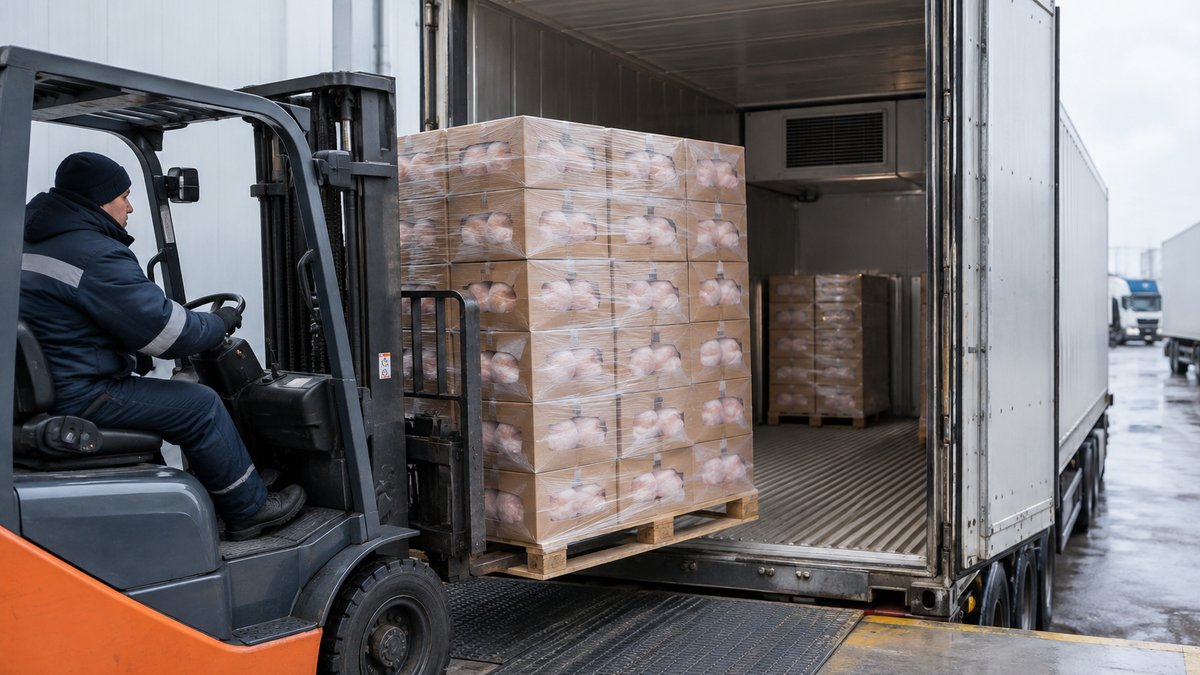
Keep the documents and product description consistent across the offer, packing information and shipment paperwork. Any difference in cut, unit weight, carton format or declared quantity should be resolved before the buyer accepts the quotation. For temperature-controlled cargo, suppliers should also confirm that the agreed transport arrangement matches the product’s handling requirements and the importing market’s rules.
4. How Suppliers Can Find Frozen Chicken Buyers on Freshdi
Suppliers can review current Frozen Chicken buying requests on Freshdi and compare the visible product descriptions, quantities, destinations, trade terms and payment terms. Check each request’s listing for the latest details before preparing an offer, because buyer requirements and listing status can change.
A useful first reply answers the stated requirement directly and identifies any point that still needs confirmation. Include the product form, specification, available quantity, packaging, loading location, shipment timing and quotation basis. Ask focused questions about missing units, temperature criteria, destination port or payment timing. The request data in this article does not establish buyer contact details or guarantee a reply or transaction.
Suppliers can browse Frozen Chicken buying requests and review Frozen Chicken suppliers on Freshdi.
Suppliers can review the current buyer requests and check which inquiries match their documented product and shipment capability.
View Latest Buying Requests for This Product →
5. Conclusion: Confirm the Specification Before Quoting
These seven recent Frozen Chicken requests vary in product description, quantity format, destination detail and commercial terms. The most useful first step is to confirm the buyer’s exact product, unit and delivery point. Suppliers can then prepare a quotation that states its specification, price basis, shipment plan and applicable documentation.
Suppliers ready to review new Frozen Chicken demand can use Freshdi’s Find Buyers page to check relevant requests.
Review current requests before deciding which inquiry fits your available stock and export capability.
View Latest Buying Requests for This Product →
Frequently Asked Questions
How many recent Frozen Chicken buying requests are included?
The article covers seven requests from seven buyers posted on Freshdi from November 5 to 16, 2026, and reviewed on November 17, 2026. They are a platform sample for that period, not a count of all Frozen Chicken demand.
What quantity should a supplier quote against?
Confirm the unit and shipment basis first. The requests use both tonnage and container descriptions, and one quantity is shown without a unit in the provided data. For containers, confirm container size and net loading target; for tonnage, confirm the weight basis and whether shipments are one-time or recurring.
Which trade terms appear in these Frozen Chicken requests?
Five requests list CIF and four list FOB, with some requests listing both. Confirm the buyer’s preferred term, named port, applicable Incoterms version and what costs the quotation includes.
Do all buyers require storage at -18°C or below?
No. Two requests state that temperature, while the other listings do not establish the same condition. Check the buyer’s product specification and the importing country’s rules. EU guidance distinguishes frozen poultry meat from quick-frozen food and states different temperature criteria for those categories.
Does every request require HALAL certification or export cartons?
No. The Freshdi data lists HALAL for one request and 10–20 kg export cartons for one request. Confirm whether either requirement applies to the specific buyer and destination before quoting.
What should a supplier clarify before responding to a Frozen Chicken RFQ?
Confirm the product form and cut, weight range, quantity unit, packaging, storage temperature, destination port or delivery place, shipment schedule, payment timing and required documents. Quote only for a product and delivery arrangement you can document.
References
1. USDA Foreign Agricultural Service – Livestock and Poultry: World Markets and Trade, October 2026.
2. United Nations Statistics Division – UN Comtrade Harmonized System reference tables, Accessed November 17, 2026.
3. European Commission – Health and consumer protection for animal and plant products, Accessed November 17, 2026.
4. Freshdi – Frozen Chicken buying requests posted November 5 to 16, 2026, Reviewed November 17, 2026.
Disclaimer: This article is compiled from platform data, public sources and information provided by third parties, for general informational purposes only. We do not guarantee its accuracy or completeness. Mentions and rankings of suppliers do not constitute an endorsement or guarantee, and strategies and examples are illustrative; results may vary. Please conduct your own due diligence before making business decisions.