
Introduction
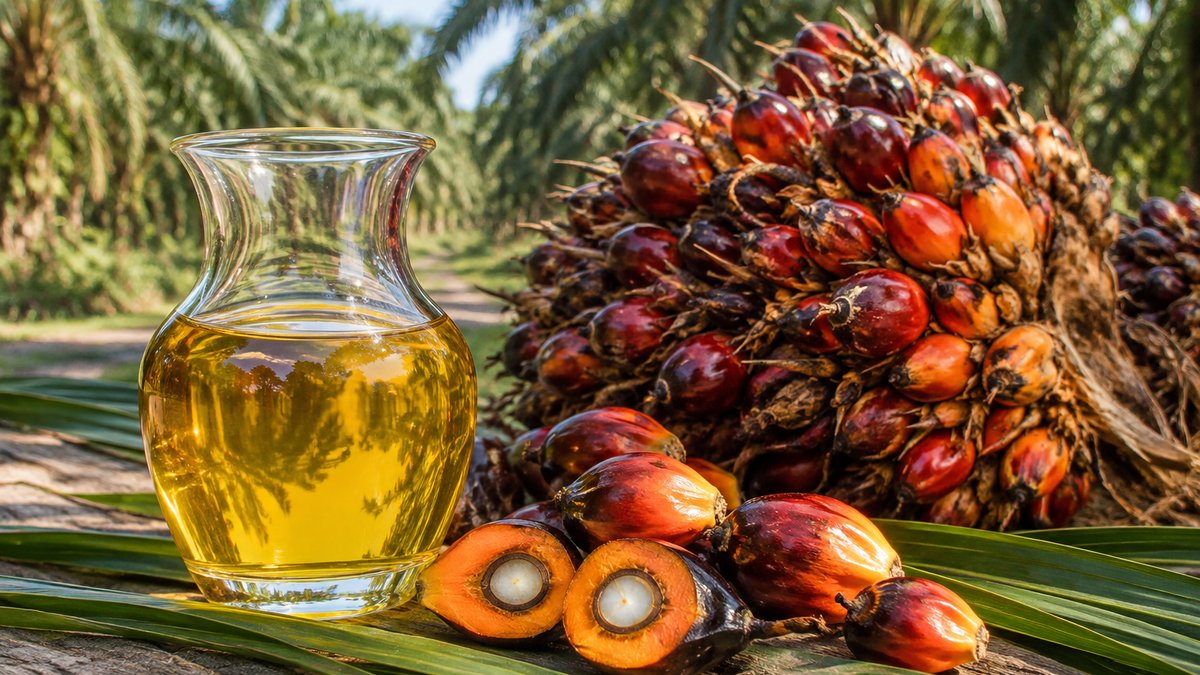
November data show a softer Malaysian crude palm oil benchmark, while reports of Chinese cargo cancellations point to cautious buying. On 20 November 2026, Bursa Malaysia’s December crude palm oil futures contract settled at RM4,040 per tonne, and the physical November South price was RM4,080 per tonne, according to Bernama.
These are Malaysian market benchmarks, not a delivered price for palm oil in China. This update covers dated November price signals and China demand indicators available through 20 November; buyers should obtain a current quote for their product specification, shipment date and delivery basis before budgeting.
Key Takeaways
- On 20 November, Bursa Malaysia December 2026 crude palm oil futures closed at RM4,040 per tonne; physical November South crude palm oil was RM4,080 per tonne, according to Bernama.
- The January 2027 Malaysian futures contract fell from RM4,258 per tonne on 6 November to RM4,141 on 20 November, a decline of RM117 per tonne.
- Bernama reported Chinese cargo cancellations and high port inventories on 20 November. That report describes market pressure, not a confirmed measure of China’s total demand.
- China’s three main vegetable-oil stocks reached 2.93 million tonnes in October 2026, up 10.2% from September, according to the Malaysian Palm Oil Council.
- A Malaysian export benchmark is not a China landed price. Buyers should compare the same palm product, specification, shipment period, currency and delivery basis.
1. China’s Palm Oil Market Has a Softer November Price Signal
The latest dated signal available for this update is a lower Malaysian benchmark alongside reports of weaker Chinese buying. Bernama reported that Bursa Malaysia’s December 2026 crude palm oil futures contract closed at RM4,040 per tonne on 20 November, down RM102 that day. The physical November South crude palm oil price fell RM60 to RM4,080 per tonne.
Those figures describe Malaysian futures and physical crude palm oil, not refined palm olein delivered to a Chinese buyer. China’s domestic price can differ because of product processing, exchange rates, freight, import costs, local stock levels and delivery terms. The available November price reports do not establish a single China-wide spot price.
The change matters for procurement discussions because a lower origin benchmark may affect seller offers, while high destination stocks can weaken buyers’ urgency. Buyers should ask suppliers to identify the product, quote date, currency, loading port, Incoterm and validity period. A benchmark is a reference for negotiation, not a supplier quotation.
Looking to Source Palm Oil?
Connect with verified suppliers, discover matching products, and explore sourcing opportunities from global markets.
2. Market Overview: Supply, Stocks and Demand
Malaysia’s palm oil supply remained a concern for traders in November. On 31 October, Bernama reported Malaysian palm oil stocks of 3.51 million tonnes in September, described by a market trader as the highest level recorded that year. On 20 November, Bernama again cited high Malaysian inventories as a factor weighing on futures.

China also had substantial vegetable-oil inventories. The Malaysian Palm Oil Council reported that China’s stocks of soybean, palm and rapeseed oils totalled 2.93 million tonnes in October 2026, up 10.2% month on month and 31.6% year on year. That total covers three oils, so it should not be read as a palm-oil-only stock figure.
Trade activity can shift quickly when buyers have already booked cargoes or when stocks accumulate. A 20 November Bloomberg report said Chinese buyers had cancelled several palm oil cargoes as inventories neared a five-year high. Bernama also reported cancellations of Malaysian cargoes that day. These reports describe cancellations and inventory pressure; they do not give a complete count of China’s purchases or establish demand across every palm-oil product.
Palm oil competes with other vegetable oils in food and industrial uses. The World Bank’s November 2026 Pink Sheet reported an October average palm oil price of US$1,120 per tonne. That global commodity series is useful context, but it is not a China import quotation or a like-for-like comparison with Malaysian futures denominated in ringgit.
3. Latest Palm Oil Export Prices
3.1 Current export benchmark in Malaysia
On 20 November 2026, Bursa Malaysia’s December 2026 crude palm oil futures contract closed at RM4,040 per tonne, down RM102 from the previous session, and the January 2027 contract closed at RM4,141, down RM112, Bernama reported. The physical crude palm oil price for November South was RM4,080 per tonne, down RM60 that day. These prices are in Malaysian ringgit per tonne; the physical figure is a Malaysia price, not a China delivered offer.
For a like-for-like comparison across November, the January 2027 futures contract closed at RM4,258 per tonne on 6 November and RM4,141 on 20 November, a decrease of RM117 per tonne, or about 2.7%. Bernama reported the 6 November close and the 20 November close. Futures contracts represent exchange-traded delivery months; they are not physical supplier offers.
4. Why Palm Oil Prices Are Changing
High Malaysian stocks and cautious Chinese buying pressured the market in the latest reports. Bernama’s 20 November account linked the day’s decline to Chinese cargo cancellations, high Malaysian inventories and weaker November export estimates. The report did not quantify the cancelled volumes, so the cancellations should be treated as a market signal rather than a measure of total Chinese demand.
China’s vegetable-oil stock build provides additional context. The Malaysian Palm Oil Council’s October figures show combined soybean, palm and rapeseed oil stocks rising to 2.93 million tonnes. Higher overall stocks can reduce the need for immediate replenishment, but the published combined figure does not show how much palm oil alone was held.
Export and futures prices also respond to competing oils, currency movements and shipment costs. Bernama reported on 6 November that weaker Dalian refined, bleached and deodorised palm olein and Chicago soybean-oil futures had weighed on Malaysian crude palm oil futures. Buyers should compare current quotes with equivalent products and delivery periods because crude palm oil, refined palm oil and palm olein are different products.
Weather, harvest expectations and policy can influence forward market sentiment, but a forecast is not a confirmed change in available supply. For a purchase decision, request the supplier’s available quantity, product specification and shipment window, then check whether the price is fixed or subject to change before contract confirmation.
5. Which Countries Import the Most Palm Oil?
5.1 Major global importing markets
The sources checked for this November update do not provide a current, consistently ranked table of global palm-oil imports by country. A ranking or forecast would need a defined period and product scope, such as crude palm oil versus refined palm oil. This article therefore does not rank importing countries or present unsupported import-volume estimates.
For China, the available November reporting points to substantial vegetable-oil stocks and reported palm-oil cargo cancellations. Those signals suggest buyers may be cautious about adding nearby supply, but they do not establish the country’s annual import total or future purchase schedule.
5.2 Malaysia’s export destinations and market opportunities
A current, dated breakdown of Malaysia’s palm-oil export destinations and destination shares was not available in the sources used for this update. Exporters should check official monthly trade statistics before using a country ranking or year-on-year comparison in a sales plan.
Chinese inventory and cancellation reports can inform supplier conversations, but they are not confirmed buyer orders. Exporters considering China should verify current import specifications, buyer requirements, shipment timing and the exact product requested before preparing a tailored offer.
6. How Buyers Can Compare Palm Oil Offers for China
Compare delivered cost only after confirming that offers cover the same palm-oil product and specification. A Malaysian crude palm oil benchmark cannot be compared directly with a refined palm olein offer or a China domestic futures contract.
- Name the product precisely: crude palm oil, refined palm oil, palm olein or another fraction.
- Set the quality specification, packaging, quantity and shipment period in writing.
- Compare quotations on the same delivery basis. FOB means the seller’s price covers delivery onto the vessel at the named port; CFR includes cost and freight to the named destination; CIF also includes insurance. Confirm the contract’s named ports and applicable Incoterms version.
- Convert currencies using the same dated exchange-rate basis, and add freight, insurance, port charges, duties and other applicable import costs when estimating landed cost.
- Check shipment availability, quotation validity, inspection arrangements and the documents required for the intended import.
Buying consideration: Ask each supplier to quote the same specification and destination on the same basis. Record the quote date and validity period, then compare the full expected cost to the destination rather than the headline price alone.
7. What the Latest Demand Looks Like on Freshdi
A dated count of China palm-oil buying requests is not stated in this market update, so no request total or buyer requirement pattern is presented as a Freshdi market statistic. Buyers can review the Palm Oil category for relevant sourcing activity, then check each request’s stated product, quantity, destination and terms.
Freshdi requests are individual sourcing posts, not a measure of China’s total import demand. Suppliers should match their product and shipment terms to the specific request before preparing an offer.
8. What Buyers and Suppliers Should Do Next
8.1 For buyers and importers
- Treat the 20 November Malaysian prices as dated benchmarks, not current delivered quotations for China.
- Request matching quotes for the same product, grade, quantity, destination and shipment window.
- Calculate landed cost using the named Incoterm and the buyer’s actual freight, insurance and import charges.
- Confirm current product and import requirements with the relevant parties before finalising specifications.
- Check quotation validity and shipment availability, especially when market prices are moving.
8.2 For exporters and suppliers
- State whether the offer is for crude palm oil, refined palm oil, palm olein or another product.
- Give the quote date, currency, unit, quality specification, packaging and quantity.
- Name the loading port, destination basis, shipment window and Incoterm.
- Explain any price adjustment terms and the period for which the offer remains valid.
- Review relevant Freshdi buying requests and respond when the stated requirements match the product and available shipment.
9. How Freshdi Helps Buyers and Suppliers Connect
Buyers can review potential palm-oil suppliers on Freshdi and set out product and shipment requirements in a buying request. Suppliers can review relevant requests and compare the stated requirements with their available product and terms. These tools support discovery; they do not guarantee a transaction.
Buyers looking for palm oil can review potential suppliers. Suppliers can review palm-oil buying requests.
10. Conclusion: China Palm Oil Market Outlook for November 2026
By 20 November, Malaysia’s physical November South crude palm oil price had fallen to RM4,080 per tonne, while the December futures contract closed at RM4,040 per tonne. Reports of Chinese cargo cancellations and rising combined vegetable-oil stocks point to cautious nearby buying, but they do not provide a China delivered palm-oil price or a complete measure of import demand.
Buyers should compare current offers on matching specifications and landed-cost terms. Suppliers should state the product, price basis, quantity, loading port and validity clearly. Freshdi is a place to review relevant palm-oil suppliers and buying requests.
Buyers and suppliers checking current palm-oil sourcing needs can review relevant listings and requests on Freshdi.
View Latest Oil & Fats Buying Requests →View Potential Oil & Fats Suppliers →
Frequently Asked Questions
What was the latest palm oil price relevant to China in November 2026?
The latest dated benchmark in this update is from Malaysia. On 20 November, Bursa Malaysia’s December 2026 crude palm oil futures closed at RM4,040 per tonne, and physical November South crude palm oil was RM4,080 per tonne, according to Bernama. Neither figure is a delivered price for China.
Did palm oil prices fall in November 2026?
The January 2027 Bursa Malaysia crude palm oil futures contract fell from RM4,258 per tonne on 6 November to RM4,141 on 20 November, a decrease of RM117 per tonne. The physical November South price was RM4,080 per tonne on 20 November, down RM60 that day, according to Bernama.
Why were palm oil prices under pressure on 20 November?
Bernama reported Chinese cargo cancellations, high Malaysian palm oil inventories and weaker November export estimates as factors weighing on the market. The report did not give a total volume for the cancelled cargoes.
Which countries import the most palm oil?
This update does not rank importing countries because the sources used do not provide a current, consistently scoped country comparison. Import rankings should specify the period and whether they cover crude palm oil, refined palm oil or both.
How should buyers compare FOB and CIF palm oil quotations?
FOB covers the seller’s delivery onto the vessel at the named port. CIF includes cost, freight and insurance to the named destination. Compare offers with the same product specification, quantity, shipment period and destination, then account for destination charges and other import costs.
Where can buyers find palm oil suppliers or buying requests?
Buyers and suppliers can review relevant palm-oil supplier listings and buying requests on Freshdi. Check the product, quantity, destination and terms stated in each listing or request; platform activity is not a measure of total market demand.
References
1. Bernama – CPO Futures Close Lower on China Cargo Cancellations, Weaker Export Estimates, 20 November 2026.
2. Bernama – CPO Futures End Lower, Benchmark Contract Breaks Below RM4,300 a Tonne, 6 November 2026.
3. Bernama – CPO Futures Expected to Trade Between RM4,100 and RM4,250 per Tonne Next Week, 31 October 2026.
4. Malaysian Palm Oil Council – Stock Comparison, October 2026 data, accessed November 2026.
5. World Bank – Commodity Markets, Pink Sheet, November 2026.
6. Bloomberg – China Axes Palm Oil Purchases With Storage Space Running Out, 20 November 2026.
Disclaimer: This article is compiled from platform data, public sources and information provided by third parties, for general informational purposes only. We do not guarantee its accuracy or completeness. Prices, volumes and forecasts are indicative, reflect conditions as of 2026-11-21 and may change without notice. This is not financial, investment or trading advice.