
Introduction
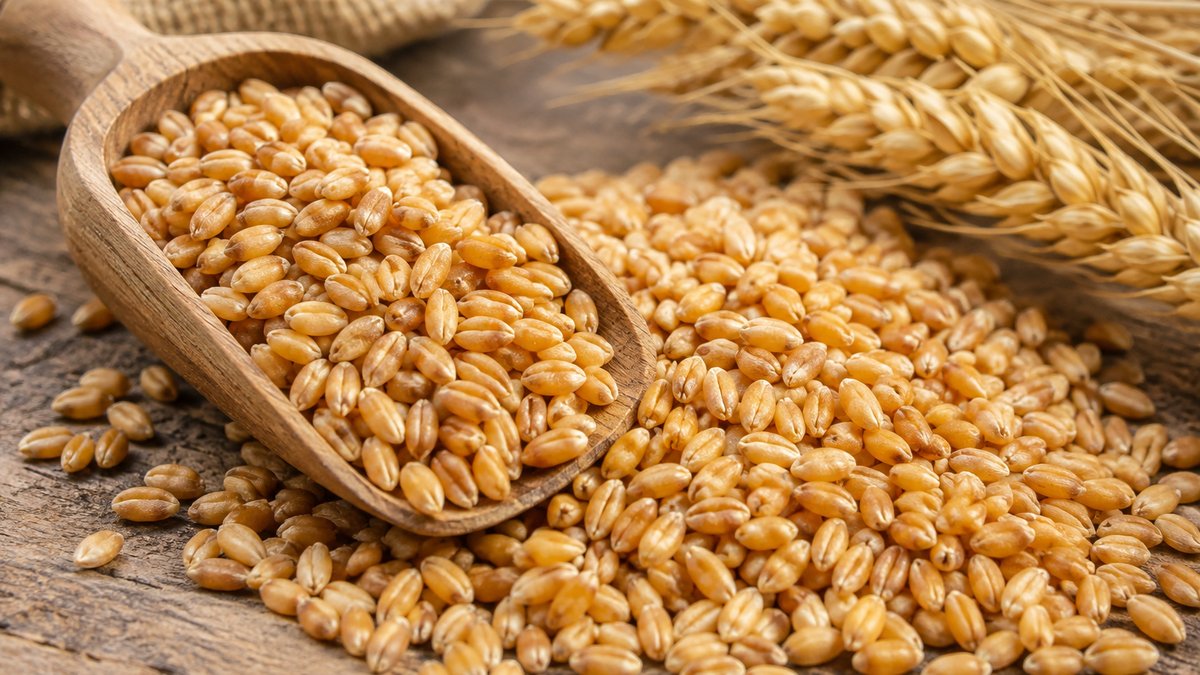
A November market report cited a U.S. soft white wheat sale to the Philippines at US$295 per metric tonne CFR for Batangas and Bataan. The reported transaction gives buyers a destination-market reference; recent U.S. FOB indicators provide a separate origin-level benchmark.
This snapshot covers reports available through 21 November 2026. The quoted CFR sale and FOB indicators differ in wheat class, delivery basis and date, so they are context for quotation checks, not directly interchangeable prices. Figures below are dated market references, not offers.
Key Takeaways
- A market report dated 17 November cited a U.S. soft white wheat sale at US$295/MT CFR Batangas and Bataan; it did not provide a precise transaction date in the report excerpt.
- Australia’s DAFF reported U.S. No. 2 hard red winter wheat at US$280/MT FOB Gulf on 18 November, down 1% week on week and up 14% year on year.
- The U.S. Gulf hard red winter FOB indicator and the reported U.S. soft white CFR sale differ by wheat class, date and delivery basis, so the figures should not be treated as a like-for-like price spread.
- USDA FAS Manila’s September 2026 outlook said Philippine wheat consumption and imports were holding steady for MY 2026/27, with milling demand offsetting a shift in feed use toward corn.
- Buyers should compare grade, protein, shipment timing and destination charges alongside the Incoterm before judging whether a quotation is competitive.
1. Philippines Wheat Market Overview
The Philippines imports wheat for milling and feed use, and USDA FAS Manila’s September 2026 outlook kept wheat imports and consumption steady for marketing year 2026/27. The report said milling demand was offsetting a feed-sector shift toward corn, while peso depreciation was adding to import costs.
The supply picture is international: Philippine buyers compare wheat from exporting origins against the class and quality needed by mills or feed users. U.S. Wheat Associates’ report for the week ending 5 November listed the Philippines among the leading U.S. wheat buyers, with 2026/27 marketing-year-to-date sales below the same point a year earlier. Those are U.S. sales figures, not a ranking of all Philippine imports.
The November USDA grain report described larger production forecasts in several origins and lower U.S. export bids amid competition and sluggish shipments. FAO’s October review also reported lower export prices across most major origins. These reports describe international supply and export-market conditions; they do not establish a Philippine landed price by themselves.
The available evidence supports a careful reading of the market: global export benchmarks were easing in the latest USDA review, while Philippine buying still depends on mill specifications, feed economics, currency and shipment costs. National import demand forecasts and individual purchase transactions measure different things.
Looking to Source Wheat?
Connect with verified suppliers, discover matching products, and explore sourcing opportunities from global markets.
2. Latest Wheat Export Prices Relevant to the Philippines
2.1 November price references

The closest destination-specific price reference found for this snapshot is a reported U.S. soft white wheat transaction at US$295/MT CFR Batangas and Bataan. SMAC Markets’ report dated 17 November gave the price and delivery basis, but the excerpt does not state the exact day the deal was concluded. Treat it as a reported transaction, not a currently open offer.
Australia’s Department of Agriculture, Fisheries and Forestry reported the U.S. No. 2 hard red winter indicator at US$280/MT FOB Gulf for the week average dated 18 November. It was 1% below the previous week and 14% above the year-earlier price. The same report placed Australian Premium White wheat at A$434/MT FOB Port Adelaide, 3% higher week on week and 16% higher year on year. The currency, wheat class and port basis differ, so these figures should not be ranked as equivalent offers.
2.2 Comparing exporting origins and price movement
The November USDA report placed U.S. hard red winter wheat at US$291/MT in its latest monthly export-bid review, down US$48/MT over the preceding month. That is an export-bid reference, distinct from the 18 November DAFF weekly indicator and from the soft white wheat CFR sale to the Philippines. Each figure uses a different class or reporting basis.
No equivalent November destination quotation for Australian wheat was identified in the sources used here. Its FOB Port Adelaide indicator is useful for origin-level monitoring, but it cannot be compared directly with the U.S. CFR transaction without matching grade, shipment window, freight and delivery terms.
The price direction also depends on the measurement. DAFF’s U.S. hard red winter indicator fell week on week but remained above its year-earlier level. USDA’s monthly review showed a sharper recent fall from the prior month. Buyers should retain each source’s date and basis when updating a budget rather than combining the changes into one trend.
3. Why Wheat Prices Are Changing
Export supply and competition put downward pressure on some U.S. wheat bids in the November USDA review. USDA cited sluggish export activity and competition from other grains; its report also described higher production forecasts in several exporting countries. These are market explanations from USDA, not a forecast that every wheat class or origin will become cheaper.
For Philippine importers, demand differs by end use. USDA FAS Manila said milling wheat demand was offsetting weaker feed wheat demand as feed users shifted toward corn. The same report noted peso depreciation as an added import-cost pressure. Buyers should therefore separate flour-milling specifications from feed wheat and track currency changes alongside the grain quotation.
Harvest timing and export availability can change which origin is competitive for a shipment window. A lower FOB bid from one country does not settle the comparison if freight, vessel timing or required wheat quality differs. The sources reviewed do not establish a specific November weather disruption or export restriction as the cause of the Philippines’ reported CFR price.
Competition between wheat and corn matters most to feed buyers. USDA FAS Manila described the price relationship between the two grains as a factor in feed-mill formulations. A wheat quotation should be assessed against the buyer’s feed formulation and delivered corn alternative, rather than against a milling-wheat benchmark.
4. Which Countries Import the Most Wheat?
4.1 Major importing markets
The sources checked for this November snapshot do not provide a comparable, current ranking of global wheat-importing countries with import volumes. USDA FAS Manila does report that Philippine wheat imports are expected to hold steady in MY 2026/27, but that country outlook is not a global ranking. U.S. export-sales data can show U.S. sales destinations, not the full set of each country’s wheat imports.
4.2 Philippine sourcing and demand
The Philippines appears among the major destinations in U.S. wheat sales data. For the marketing year through 5 November, U.S. Wheat Associates reported 1.874 million metric tonnes of U.S. wheat sales to the Philippines, compared with 1.971 million tonnes at the same point in the preceding marketing year. The measure is U.S. sales, not Philippine customs imports from all origins.
4.3 What the demand signals mean for exporters
A national forecast, export-sales tally and reported private purchase each answer a different question. USDA FAS Manila’s forecast describes expected Philippine imports; U.S. export-sales figures track sales of U.S. wheat; and the reported CFR transaction records a specific sale to Philippine ports. Exporters should avoid treating any one of these as proof of an unfilled order or a general market price.
5. How Buyers Can Compare Wheat Offers
A useful comparison begins with the same wheat class, specification, quantity and shipment period. The November CFR report concerns soft white wheat, while the DAFF world indicator concerns U.S. No. 2 hard red winter wheat. A buyer sourcing for a mill should confirm protein and other contract specifications before treating those products as alternatives.
- Write the required wheat class, protein level, quality tolerances, crop year and intended use into the inquiry.
- Ask each supplier for the same quantity, bagging or bulk format, loading window and destination port.
- Compare FOB offers at the same origin-port basis. For a delivered comparison, include ocean freight, insurance where applicable, destination charges and any handling costs.
- Check whether the seller’s quotation is CFR or CIF. Under CFR, the seller pays freight to the named destination, while the buyer arranges insurance; confirm the contract’s delivery point and risk transfer.
- Record the quotation date, currency, validity period and shipment window. Replace expired offers before approving a purchase budget.
- Confirm Philippine import documentation and product requirements with the relevant authorities and the buyer’s customs broker for the specific wheat and shipment.
The US$295/MT CFR reference includes a destination-port basis, while the US$280/MT FOB Gulf indicator does not include ocean freight to the Philippines. Subtracting one from the other would not produce a valid freight estimate because the figures concern different wheat classes and reporting dates.
Buying consideration: Request written quotations against one specification and one Incoterm basis, then compare the complete delivered cost and shipment schedule.
6. What Does the Latest Demand Look Like on Freshdi?
No dated Freshdi wheat-request figures or individual buying requests are included in this market snapshot, so no request count, buyer destination, quantity or requested specification can be reported as a platform observation. The trade data above comes from USDA, DAFF and market reporting and should remain separate from Freshdi activity.
Buyers can use a buying request to state the wheat class, quality, quantity, destination port and preferred delivery basis they need. Suppliers reviewing requests should compare those requirements with their available product and shipment window before preparing a quotation.
7. What Buyers and Suppliers Should Do Next
7.1 For buyers and importers
- Use the reported US$295/MT CFR sale as a dated reference only, and confirm current seller availability before using it in a procurement plan.
- Match grade and quality requirements before comparing origin prices.
- Request FOB and delivered quotations where useful, with the named port and shipment period stated.
- Calculate landed cost using current freight, insurance where applicable, currency and destination charges.
- Check shipment documents and Philippine import requirements for the specific product and transaction.
7.2 For exporters and suppliers
- State wheat class, quality specification, available quantity and crop year in the offer.
- Name the loading port, Incoterm, destination where relevant, currency and quotation-validity period.
- Keep FOB and CFR or CIF prices clearly separated so buyers can compare the same delivery basis.
- Review the buyer’s end use and requested shipment period before proposing an alternative wheat class.
- Update offers when freight, currency or available stock changes.
8. How Freshdi Helps Buyers and Suppliers Connect
Buyers can review wheat suppliers and describe their requirements through Freshdi’s wheat category. Suppliers can review wheat buying requests and assess whether a request matches their product and shipment terms. These tools support discovery; they do not confirm a transaction or guarantee a buyer response.
Buyers and suppliers ready to compare current wheat requirements can review the relevant category pages.
View Latest Grains, Cereal & Legumes Buying Requests →View Potential Grains, Cereal & Legumes Suppliers →
9. Philippines Wheat Market Outlook
November references show a reported U.S. soft white wheat sale at US$295/MT CFR Batangas and Bataan, alongside lower recent U.S. hard red winter FOB indicators and a firmer week-on-week Australian APW indicator. Those figures describe different products and bases, so they do not establish a single Philippine wheat price.
USDA FAS Manila’s September outlook kept Philippine wheat imports steady for MY 2026/27, while noting the different pressures on milling and feed demand. Buyers should budget against current, specification-matched delivered offers. Exporters should make grade, loading port and quotation validity explicit when presenting prices.
Freshdi can be used to review relevant wheat suppliers and buying requests when sourcing or presenting an offer.
Buyers comparing wheat offers can review suppliers listed for this product.
View Related Suppliers for This Product →
Frequently Asked Questions
What was the latest reported wheat price for the Philippines in November 2026?
A SMAC Markets report dated 17 November cited a U.S. soft white wheat sale at US$295 per metric tonne CFR Batangas and Bataan. The report excerpt did not state the exact transaction date, so treat the figure as a reported deal reference, not a live offer.
What was the U.S. wheat FOB price in the latest November indicator?
Australia’s DAFF reported U.S. No. 2 hard red winter wheat at US$280/MT FOB Gulf for the week average dated 18 November 2026. The indicator was down 1% from the previous week and up 14% from a year earlier.
Can I compare the US$295 CFR price with the US$280 FOB price?
Not as a direct price spread. The reported CFR transaction is soft white wheat delivered to named Philippine ports, while the FOB figure is a hard red winter wheat indicator at the U.S. Gulf. The dates and delivery bases also differ.
What is affecting Philippine wheat import demand?
USDA FAS Manila’s September 2026 outlook said wheat imports and consumption were holding steady for MY 2026/27. It described milling demand as offsetting a shift in feed use toward corn and noted peso depreciation as a factor increasing import costs.
How should buyers compare wheat quotations?
Match wheat class, quality, quantity, shipment window and destination. Compare offers on the same Incoterm basis, then account for freight, insurance where applicable, currency and destination charges when calculating landed cost.
Where can Philippine buyers find wheat suppliers or requests?
Buyers can review wheat suppliers and post requirements through Freshdi’s wheat category. Suppliers can review relevant buying requests. A listing or request does not guarantee a completed transaction.
References
1. U.S. Department of Agriculture, Foreign Agricultural Service – Grain and Feed Update: Philippines, Report RP2026-0030, 23 September 2026.
2. U.S. Department of Agriculture, Foreign Agricultural Service – Grain: World Markets and Trade, November 2026, November 2026.
3. Australian Department of Agriculture, Fisheries and Forestry – Weekly Commodity Price Update, 19 November 2026.
4. SMAC Markets – Winter Wheats Lower as the USD Climbs, 17 November 2026.
5. U.S. Wheat Associates – Wheat Commercial Sales as of November 05, 2026, 5 November 2026.
6. Food and Agriculture Organization of the United Nations – Wheat and Maize Export Prices Declined Across Major Origins, While Rice Prices Increased, November 2026.
Disclaimer: This article is compiled from platform data, public sources and information provided by third parties, for general informational purposes only. We do not guarantee its accuracy or completeness. Prices, volumes and forecasts are indicative, reflect conditions as of 2026-11-21 and may change without notice. This is not financial, investment or trading advice.