
Introduction
Thailand's latest dated feed-corn price report available for this update put corn delivered to feed-mill silos at THB774 per 60 kg, or THB12.90 per kg, for the week of 9 to 13 November 2026. eFeedLink reported the price on 15 November, up 6.2% from THB729 per 60 kg in the previous week.
That domestic delivered price is a useful reference for Thai feed buyers, but it is not an import quotation for yellow corn. For comparison, USDA's November 2026 export-bid table lists 5 November FOB bids of US$201 per metric ton from Argentina, US$213 from Brazil and US$216 for U.S. No. 3 yellow corn. The prices use different locations, specifications and delivery bases, so they do not establish a like-for-like landed price in Thailand.
Key Takeaways
- Thailand feed corn delivered to feed-mill silos was reported at THB774 per 60 kg (THB12.90/kg) for 9 to 13 November 2026, up 6.2% week on week.
- The latest dated Thailand price used here is domestic and delivered; it is not a yellow-corn import or export offer.
- USDA's 5 November 2026 FOB bids were US$201/MT for Argentina, US$213/MT for Brazil and US$216/MT for U.S. No. 3 yellow corn.
- Thailand's import policy and eligibility conditions affect the comparison between local feed corn and imported corn. Buyers should check the rules applicable to the shipment and date.
- Compare identical grades, moisture limits, shipment periods and delivery terms, then calculate landed cost for the Thai destination.
1. Thailand Corn Market Overview
Thailand's feed-corn market has a domestic harvest and import-policy component, so a silo price can move differently from a seaborne FOB benchmark. USDA Foreign Agricultural Service's September 2026 Thailand Grain and Feed Monthly forecast a rebound in corn imports in marketing year 2026/27, citing the expanded 1 million metric ton zero-duty WTO quota and an extended ASEAN Free Trade Agreement import window. The report also said burn-free certification requirements had contributed to lower imports in MY 2025/26.
Those policy details are from a September 2026 forecast, not a November price bulletin or confirmation that a particular shipment qualifies. Importers should verify current quota access, tariff treatment, origin eligibility and documentation for each shipment before using an overseas offer in a procurement budget.
Globally, USDA's November 2026 coarse-grains report described lower export bids from major origins than in October. Its November 2026/27 outlook revised corn production upward for Argentina and Brazil, while reductions for the United States, South Africa, Mexico and the European Union more than offset those increases. The report did not make the Thai silo price equivalent to an international benchmark; domestic supply, policy and delivery costs also shape the Thai price.
Looking to Source Yellow Corn?
Connect with verified suppliers, discover matching products, and explore sourcing opportunities from global markets.
2. Latest Yellow Corn and Feed-Corn Prices
2.1 Latest reported price in Thailand
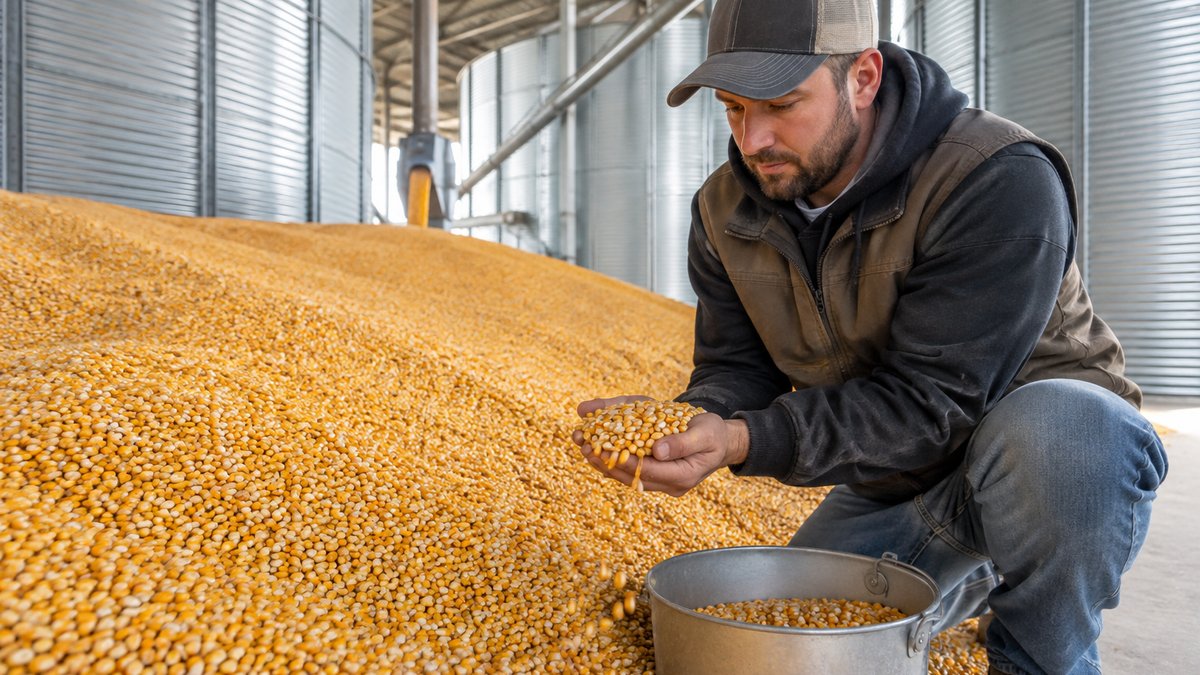
The latest dated Thai feed-corn quotation used here is THB774 per 60 kg for delivery to feed-mill silos in the week of 9 to 13 November 2026. eFeedLink reported the figure on 15 November and gave the previous week's price as THB729 per 60 kg. That is an increase of THB45 per 60 kg, or 6.2%, between the reported weeks.
The report describes feed corn delivered to mill silos; it does not state a yellow-corn grade, moisture limit, origin or import status. Treat THB12.90/kg as a local feed-market reference, not a contractual offer for a specified yellow-corn lot. The source also reported that the published local corn price had risen for a second week.
The Thai figures are delivered prices in baht, while the three origin references are FOB bids in U.S. dollars per metric ton. FOB means the seller's delivery obligation ends when the goods are loaded on board at the named port; the buyer arranges and pays onward freight and insurance as applicable. The comparison indicates price levels on different bases, not which offer would cost less at a Thai destination.
2.2 Export bids by competing origin
USDA's November 2026 report lists 5 November FOB bids of US$201/MT for Argentina at Up River, US$213/MT for Brazil at Paranaguá and US$216/MT for U.S. No. 3 yellow corn at the Gulf. The report's corresponding 5 October figures were US$214, US$226 and US$233/MT. These monthly comparisons show lower November bids at the three listed origins, but only the U.S. row identifies a specific yellow-corn grade.
Argentina's and Brazil's table entries do not state a matching grade in the cited summary. Buyers should not assume they match U.S. No. 3 yellow corn or a Thai feed-mill specification. Ask each exporter for the grade, crop year, moisture, foreign-matter limits, test method, loading port and quote validity before comparing prices.
2.3 What the price change does and does not show
The 6.2% weekly rise in Thailand's reported silo price and the lower month-on-month FOB bids measure different stages of the supply chain. Freight, handling, insurance, currency conversion, import charges, shipment timing and quality specifications can change the relationship between an export bid and the delivered Thai price. No calculation in this update converts the FOB bids into a Thai landed cost.
3. Factors Affecting Thailand Corn Prices
Domestic availability and import access are two relevant price factors in Thailand. USDA FAS's September 2026 report linked its forecast rebound in MY 2026/27 corn imports to expanded WTO quota access and a longer AFTA import window. It also identified burn-free certification as a constraint affecting imports in the previous marketing year. These are policy and market conditions described in that report, not evidence that every origin or cargo is eligible.
Export availability also affects the reference bids. USDA's November 2026 outlook said production increases for Argentina and Brazil were outweighed by cuts for several other producers. Its export-bid discussion attributed lower U.S. bids in part to large supplies and weaker sales, and lower Argentine bids partly to prospects for a larger 2027 crop. Those are explanations in the USDA report, not a forecast of the next Thai delivered price.
For a Thai buyer, a domestic weekly quote and a port-side export bid answer different questions. The local figure indicates the reported cost of feed corn at a mill silo during a particular week. The FOB figures indicate bids at named origin ports on 5 November. Exchange rates, vessel availability, route, cargo size and insurance can all affect the cost of bringing a particular shipment to Thailand; obtain dated freight and supplier quotations before making a landed-cost comparison.
The available November price reports do not establish a weather-driven production loss in Thailand or a specific change in Thai import demand. Buyers should avoid treating those factors as confirmed causes of the weekly price movement unless a dated official report or market quotation supports the claim.
4. Which Countries Import the Most Yellow Corn?
4.1 Major global importing markets
The sources used for this November snapshot do not provide a current country ranking of yellow-corn imports. USDA's November coarse-grains circular gives regional data and market balances, but a regional total is not a ranking of national corn importers. No country-level import ranking or volume is stated here.
For a market-entry decision, distinguish a forecast from recorded customs trade and from a confirmed purchase. A USDA marketing-year estimate describes an outlook; customs statistics describe reported shipments during a defined period; a buyer request describes a specific sourcing need. They should not be combined as if they measured the same demand.
4.2 Thailand's import outlook and export destinations
USDA FAS Bangkok's September 2026 forecast expected Thailand's corn imports to rebound in MY 2026/27. That statement is a forecast about total imports and does not identify the leading supplier countries, destination shares for Thai exports or actual November arrivals. Those details require current customs data with a stated reporting period and product code.
The November FOB references identify Argentina, Brazil and the United States as origins with published bids in the USDA comparison. They do not show that those countries supplied Thailand during the period, or that Thai importers purchased the listed corn. Confirm actual origin availability and market access before treating a benchmark as a supply option.
4.3 How buyers can assess market opportunities
Importers and exporters can use the available information to frame questions, not to infer unreported orders. Check current Thai import rules, confirm whether the intended origin and cargo meet the applicable conditions, and request a quotation against the same specification and delivery window. Keep forecasts, customs records and supplier offers separate in internal market comparisons.
5. How Buyers Can Source Yellow Corn at a Competitive Price
A competitive purchase starts with comparing equivalent corn and delivery terms. The USDA export bids provide an origin-side reference, while the reported THB12.90/kg figure is a Thai feed-mill silo reference. Comparing those numbers directly would omit freight and other costs and would ignore specification differences.
- Write down the intended corn type and grade, including whether the purchase requires yellow corn and the applicable test method.
- Set the quality limits that affect acceptance, such as moisture, broken or damaged kernels, foreign matter and any relevant contaminant requirements.
- Request offers for the same quantity, packing method, shipment window and destination port.
- Compare FOB, CFR and CIF terms on a consistent basis. CFR includes cost and freight to the named destination port; CIF also includes seller-arranged insurance, while risk transfer and other obligations depend on the applicable Incoterms rule.
- Add freight, insurance, port costs, duties and other applicable import charges to calculate the landed cost.
- Confirm the shipment's origin, import eligibility, certificates, inspection terms and quotation validity before contract approval.
The USDA's 5 November bids can help a buyer frame a request for offers from Argentina, Brazil or the United States, but they are not supplier quotations. The report identifies the U.S. product as No. 3 yellow corn; buyers should obtain full specifications for the other origin offers and verify that they meet the Thai buyer's requirements.
Buying consideration: Ask suppliers to quote the same quality limits and destination basis, then compare the total payable cost and shipment schedule rather than ranking offers by FOB price alone.
6. What the Latest Demand Looks Like on Freshdi
This update reports national and international market references, not a count of current Freshdi buying requests. No request volume, buyer destination pattern or specification frequency is stated here. A platform observation, when available, should be treated separately from Thailand's customs trade and the USDA's export bids.
Buyers can use a sourcing request to state the required corn type, grade, quantity, destination, shipment window and preferred delivery term. Suppliers can use those details to determine whether their available product and logistics match the request before preparing an offer.
A request for yellow corn should specify the grade and quality limits rather than relying on the product name alone. The Thai domestic feed-corn price reported for 9 to 13 November does not confirm that the product matches a particular imported yellow-corn specification.
7. Practical Steps for Buyers and Suppliers
7.1 For buyers and importers
- Use the Thai silo quote as a dated local feed-corn reference, not as an import offer.
- Check the latest import policy and any origin, quota or certification conditions for the intended shipment.
- Send competing suppliers one specification sheet and request offers for the same quantity and shipment period.
- Calculate landed cost using the destination port, freight, insurance and applicable import charges.
- Confirm the quotation date and validity period before budgeting against the November 2026 benchmarks.
7.2 For exporters and suppliers
- State the corn type, grade, crop year and quality limits in each offer.
- Identify the loading port and quote currency, unit and Incoterm clearly.
- Separate the FOB price from freight, insurance and destination charges.
- State available quantity, shipment window and quotation validity.
- Check Thai import requirements before presenting an origin as eligible for a shipment.
A useful quotation makes the basis clear enough for the buyer to compare. If the offer uses a different grade, loading port or delivery term from the buyer's request, identify the difference instead of presenting the prices as equivalent.
8. How Freshdi Helps Buyers and Suppliers Connect
Freshdi lets buyers review supplier listings and suppliers review buying requests in the relevant product category. Buyers can browse potential Yellow Corn suppliers; suppliers can review Yellow Corn buying requests. A listing or request is a starting point for checking fit, not a guarantee of price, availability or a completed transaction.
After comparing grades and delivery bases, buyers can check current sourcing activity and suppliers can review requests that match their offers.
View Latest Grains, Cereal & Legumes Buying Requests →View Potential Grains, Cereal & Legumes Suppliers →
9. Conclusion: Thailand Yellow Corn Market Outlook
The latest dated Thai feed-corn reference used here was THB774 per 60 kg delivered to feed-mill silos in the week of 9 to 13 November 2026, up 6.2% from the prior week. USDA's 5 November FOB bids were lower than their 5 October levels for the listed U.S., Argentine and Brazilian origins. These figures cover different products and delivery points, so they do not determine the landed price of yellow corn in Thailand.
Buyers should confirm the current Thai import conditions, compare supplier quotations on matching specifications and calculate destination costs. Exporters should date each quotation and state its grade, origin, loading port, Incoterm and validity. Freshdi can help users find relevant suppliers or buying requests for the next sourcing step.
Buyers preparing a Thailand corn inquiry can review suppliers for the relevant product category.
View Related Suppliers for This Product →
Frequently Asked Questions
What was the latest reported feed-corn price in Thailand in November 2026?
eFeedLink reported THB774 per 60 kg, or THB12.90/kg, for feed corn delivered to Thai feed-mill silos during 9 to 13 November 2026. The report was published on 15 November and gave the previous week's price as THB729 per 60 kg. This is a domestic delivered reference, not an import quotation for a defined yellow-corn grade.
What were the November 2026 corn export bids from major origins?
USDA's November 2026 coarse-grains report listed 5 November FOB bids of US$201/MT for Argentina at Up River, US$213/MT for Brazil at Paranaguá and US$216/MT for U.S. No. 3 yellow corn at the Gulf. The origin, product description and location should be checked before comparing the bids with a supplier offer.
Why did Thailand's reported feed-corn price rise?
The source reported that the Thai feed-corn silo price rose for a second week, but the reported quote alone does not establish a complete cause. Thailand's domestic availability, import access and the terms that apply to a shipment can affect local pricing. USDA FAS's September 2026 report discussed import-policy changes and a forecast rebound in MY 2026/27 imports.
Which countries were the lowest-priced corn origins in the USDA comparison?
On the listed 5 November 2026 FOB bids, Argentina was lowest at US$201/MT, followed by Brazil at US$213/MT and U.S. No. 3 yellow corn at US$216/MT. The entries do not all specify the same grade, and FOB prices exclude costs after loading. They are not directly comparable to Thai delivered silo prices.
How should a buyer compare FOB, CFR and CIF corn quotations?
FOB quotes cover delivery on board at the named origin port. CFR adds seller-arranged cost and freight to the named destination port, while CIF also includes seller-arranged insurance. Compare offers using the same product specification, shipment period, destination and applicable Incoterms rule, then add any costs not included in the quotation to estimate landed cost.
Where can buyers and suppliers review Yellow Corn sourcing activity?
Freshdi provides Yellow Corn supplier listings and buying requests. Buyers and suppliers should review the product details and confirm grade, quantity, destination, shipment terms and current availability directly through the relevant listing or request.
References
1. eFeedLink – Thai feed mill corn price climbs 6.2% to about THB12.90/kg as imported soybean meal falls 3.9%, 15 November 2026.
2. USDA Foreign Agricultural Service – Coarse Grains, November 2026.
3. USDA Foreign Agricultural Service – Thailand: Grain and Feed Monthly, 4 September 2026.
Disclaimer: This article is compiled from platform data, public sources and information provided by third parties, for general informational purposes only. We do not guarantee its accuracy or completeness. Prices, volumes and forecasts are indicative, reflect conditions as of 2026-11-21 and may change without notice. This is not financial, investment or trading advice.