
Introduction
Argentina’s reported export unit value for peanuts that were not roasted or cooked was US$1,157 per metric tonne in September 2026, down 8.17% from September 2025. This is a customs-based average across the reported product category and export shipments, not a live offer for a particular grade or delivery date.
The Netherlands is a major European entry market for peanuts and a leading destination for Argentine supply. This update uses September 2026 as the latest reported Argentine price period found, compares 2025 Dutch import unit values for shelled peanuts, and separates those historical trade values from current supplier quotations.
Key Takeaways
- Argentina’s September 2026 export unit value for peanuts under HS 1202 was US$1,157/MT, 8.17% below September 2025, according to TESEO’s compilation of Argentine export statistics.
- For Dutch imports of shelled, raw peanuts in 2025, calculated unit values were about US$1,602/MT for Argentina, US$1,901/MT for China and US$1,562/MT for Brazil. These customs values are not directly comparable with a current FOB offer.
- The Netherlands imported 393,000 tonnes of groundnuts in 2025, and Argentina supplied more than 271,000 tonnes, according to CBI. That broader category does not match the narrower shelled-peanut code used for the unit-value comparison.
- Argentina’s USDA FAS Buenos Aires report estimated peanut area at about 400,000 hectares for MY 2025/26, below the estimated 530,000 hectares in MY 2024/25. Area estimates alone do not determine the final crop or exportable supply.
- Buyers should compare the same peanut type, count, quality limits, shipment period and delivery basis. Exporters should state grade, quantity, loading port, Incoterm and quotation validity in each offer.
1. Global Peanut Supply and the Netherlands Market
Argentina is a major export origin, while the Netherlands acts as a large European entry point for peanuts used in processing and distribution. CBI reports that Dutch groundnut imports reached 393,000 tonnes in 2025 and that Argentina supplied more than 271,000 tonnes, or 69.1% of the total in that broader category.
Those figures include groundnuts across product forms and should not be read as a count of shelled raw peanuts alone. For the narrower HS 120220 category, World Bank WITS, using UN Comtrade data, reports 2025 Dutch imports of 337,777 tonnes of shelled groundnuts that were not roasted or otherwise prepared. Argentina supplied 234,606 tonnes in that category.
Dutch processors import raw peanuts for blanching, roasting, snack production and peanut butter manufacturing. CBI also identifies the country as a redistribution point, with a substantial share of imports re-exported to other European markets. Buyers sourcing for Dutch processing should therefore state whether goods are for further processing, direct resale or onward distribution.
Argentina’s crop outlook affects the supply available to export markets, but area is only one part of the picture. USDA FAS Buenos Aires estimated Argentina’s peanut area at about 400,000 hectares for MY 2025/26, compared with about 530,000 hectares for MY 2024/25. The 2025/26 area is an estimate, not a final production figure; yield, quality and carry-in stocks also affect export availability.
The Netherlands is a prominent European import market, but the evidence cited here does not establish a global ranking of importing countries. CBI’s 2025 figures describe Dutch demand and supply origins, while WITS reports a specific customs product code. Neither source is a forecast of confirmed orders for the next shipment period.
Looking to Source Peanut?
Connect with verified suppliers, discover matching products, and explore sourcing opportunities from global markets.
2. Latest Peanut Export Prices
2.1 Current Export Price in Argentina
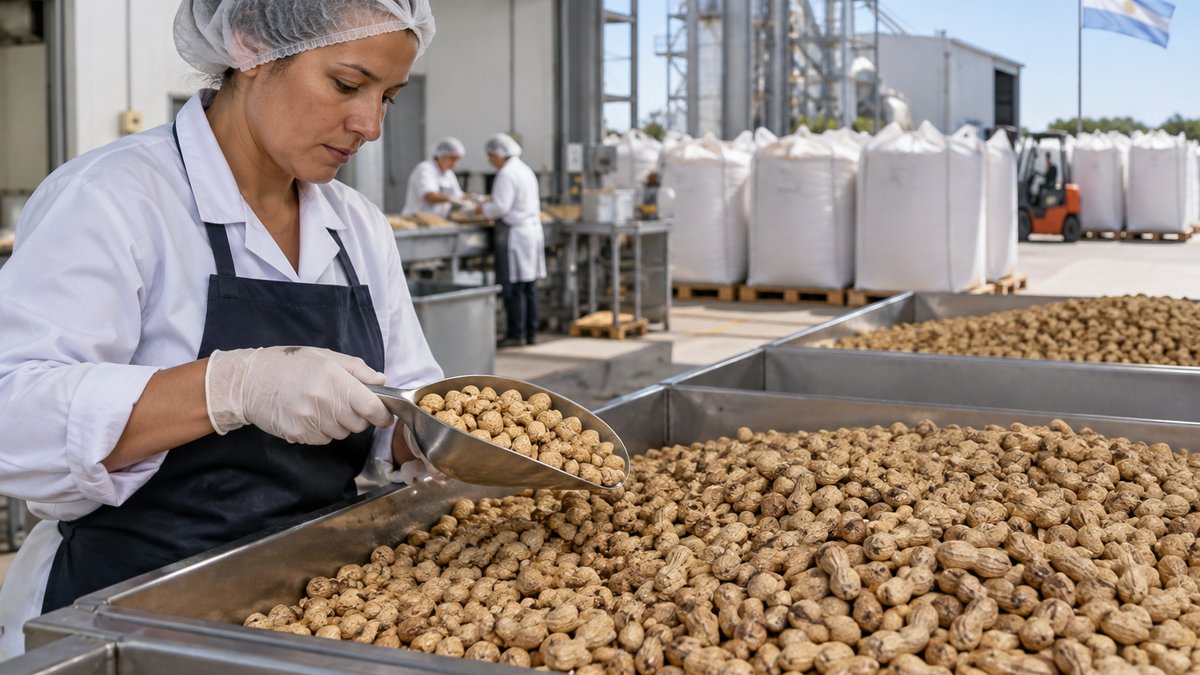
TESEO’s Argentine export table reports a September 2026 unit value of US$1,157 per tonne for peanuts not roasted or cooked under HS 1202. The figure is the export value divided by reported quantity; it is not a grade-specific offer, and the HS category does not identify a particular kernel count, quality specification or contract term.
The reported September 2026 value was 8.17% lower year on year. Argentina exported 48,903 tonnes in September 2026, valued at US$56.565 million, compared with 78,379 tonnes and US$98.721 million in September 2025. These monthly totals indicate lower reported volume and value in the comparison period; they do not show the price for an individual Dutch buyer.
September 2026 is the latest dated monthly Argentine export price in the source used here. It is several weeks older than this update’s November 13, 2026 writing date, so buyers should request a fresh quotation before budgeting or contracting.
2.2 Dutch Import Unit Values by Exporting Origin
The closest like-for-like origin comparison in the cited evidence is Dutch 2025 imports of shelled raw peanuts under HS 120220. Dividing each origin’s reported import value by its reported quantity gives the approximate unit values below. The results reflect customs trade values for that year, not current offers or a guaranteed CIF price.
Argentina’s calculated Dutch import unit value was between the Brazil and China figures in this 2025 comparison. A customs unit value can reflect differences in quality mix, contract timing, shipment conditions and reported trade values. It cannot establish that one origin has a lower price for the same grade on the same delivery basis.
2.3 Price Trend and Changes
Argentina’s HS 1202 export unit value fell 8.17% between September 2025 and September 2026, while the volume reported for those months also declined. The customs series aggregates product types and shipments, so this movement should not be treated as a weekly market quotation or as a forecast for the next crop.
The 2025 Netherlands import comparison provides a different measure and period. For shelled raw peanuts, the calculated import unit values ranged from about US$1,562/MT for Brazil to US$1,901/MT for China. Because those values cover the full calendar year and reflect Dutch imports, they cannot be directly compared with Argentina’s September 2026 export average.
3. Why Are Argentine Peanut Export Prices Changing?
The available figures show a lower Argentine export unit value year on year in September 2026, but they do not isolate a single cause. Buyers and suppliers should assess the crop, shipment mix and competing origin offers alongside the monthly average.
3.1 Crop area and exportable supply
USDA FAS Buenos Aires estimated 2025/26 peanut area at about 400,000 hectares, down from an estimated 530,000 hectares in 2024/25. A smaller planted area can constrain potential output if yields and other conditions are unchanged, but the area estimate alone does not confirm a production shortfall. Buyers should check current crop estimates, seller availability and shipment windows before assuming that supply has tightened.
3.2 Dutch demand and competing origins
The Netherlands imported a large volume of groundnuts in 2025, with Argentina supplying the largest share in CBI’s broad category. In the narrower shelled raw category, WITS also shows Argentina as the leading origin by volume. China and Brazil supplied smaller quantities, and their calculated unit values differed from Argentina’s. Importers can use these figures to identify competing origins, then request comparable offers for the same grade and delivery period.
3.3 Product mix and specifications
A unit value combines shipments that may differ in peanut type, kernel count, quality, packaging and contract date. Argentine export data under HS 1202 does not provide a specific edible grade in the price figure cited here. A buyer seeking Runner or High Oleic Runner kernels should specify the type and grade separately rather than treating the aggregate customs average as a quotation.
3.4 Food safety and logistics
CBI identifies aflatoxin control as an important issue in the peanut trade. Buyers should define the required quality limits, testing documents, sampling method and responsibility for inspection in the purchase contract, then confirm the applicable import requirements for the product and shipment. Freight, insurance, port charges and inland delivery also affect landed cost, while none is included in the Argentine export unit value cited above.
4. Which Countries Import the Most Peanuts?
4.1 Major Global Importing Markets
The sources used for this update identify the Netherlands as Europe’s largest entry market for bulk groundnuts, with 393,000 tonnes imported in 2025, according to CBI. That figure covers a broader groundnut category and supports the Netherlands’ importance in European trade; it is not, by itself, a ranking of the world’s largest importing countries.
For shelled, unroasted or otherwise unprepared groundnuts, WITS reports 2025 Dutch imports of 337,777 tonnes under HS 120220. The difference between that amount and CBI’s broader total reflects category scope. Buyers comparing market statistics should check the product code and whether the figures include in-shell or processed peanuts.
4.2 Argentina’s Main Position in the Netherlands
Argentina supplied more than 271,000 tonnes of Dutch groundnut imports in 2025 in CBI’s broad category. In WITS data for shelled raw peanuts, Argentina’s shipments were 234,606 tonnes, ahead of China at 25,725 tonnes and Brazil at 22,573 tonnes. These figures describe recorded imports during 2025, not current buying orders.
CBI reports that the Netherlands is also a processing and distribution market. Importers may buy peanuts for domestic manufacture or for re-export, so destination demand can reflect both Dutch use and onward European trade. Exporters should confirm the buyer’s intended use and final delivery market before preparing documents and quotations.
4.3 Market Opportunities for Exporters
The Dutch market’s import volume and Argentina’s leading supplier position point to an established trade lane. Exporters evaluating opportunities should focus on the buyer’s product specification, required food-safety documentation, packaging, shipment schedule and delivery term. Market size does not prove that a particular buyer has placed an order or that current demand is increasing.
CBI reports that Dutch imports of groundnuts grew at an average annual rate of 4.4% from 2021 to 2025. This is a historical growth measure, not a confirmed forecast for a specific product grade. Exporters should distinguish historical imports from forecasts and from individual purchase requests.
5. Where Can Buyers Source Peanuts at a Competitive Price?
A competitive peanut offer is one that meets the required specification at a workable delivered cost. The historical Dutch unit values show variation among origins, but they do not identify which supplier can meet a current order at the lowest cost.
- Specify the product form and type, such as shelled raw kernels or in-shell peanuts, and identify the variety or commercial type where required.
- State kernel count or size, moisture, foreign matter, damage tolerances and any agreed aflatoxin limits. Request the same test basis from each supplier.
- Compare the same order quantity, bag size, packaging material and shipment window. A quotation for another grade or pack size is not a like-for-like comparison.
- Ask whether the price is FOB, CFR or CIF. FOB means the seller delivers the goods on board at the named port; CFR includes freight to the destination port, and CIF also includes insurance. Confirm the named ports and the applicable Incoterms version in the contract.
- Calculate landed cost by adding the relevant freight, insurance, destination handling, customs charges and inland delivery to the quoted price. Check import requirements for the product and intended use before confirming the order.
- Set the currency, payment terms, offer validity, inspection arrangements and required documents in writing. Customs averages from 2025 or September 2026 are reference data, not a substitute for a current supplier quotation.
Buying consideration: For an Argentina-to-Netherlands comparison, ask all suppliers to quote the same peanut type, specification, quantity, destination port and delivery basis. Then compare the resulting landed cost with the same quality and inspection assumptions.
6. What Does the Latest Demand Look Like on Freshdi?
National import statistics and individual buying requests describe different kinds of demand. Dutch trade totals record cross-border shipments over a reporting period; a buying request describes one buyer’s stated sourcing need. Neither measure should be substituted for the other.
The 2025 Dutch import figures in this update show Argentina’s established role in the market, but they do not establish how many buyers are seeking peanuts today or what specifications they require. Buyers can use Freshdi’s peanut buying-request listings to review individual sourcing needs, while exporters should assess each request against the grade, quantity, destination and delivery terms stated by that buyer.
For suppliers, a relevant request is a reason to prepare a tailored offer, not evidence of a completed sale. Check the buyer’s requested product and shipment details before responding, and keep the quoted price tied to a clear validity period.
7. What Should Buyers and Suppliers Do Next?
7.1 For Buyers and Importers
- Treat US$1,157/MT as Argentina’s September 2026 aggregate HS 1202 export unit value, not as a live offer for Dutch delivery.
- Prepare a written specification that identifies peanut type, grade, quality tolerances, packaging, quantity and delivery period.
- Request offers from more than one origin on the same Incoterm and destination-port basis.
- Compare the landed cost and quality documents, including the agreed sampling and inspection procedure.
- Confirm the current import requirements for the intended product form and use before contracting.
7.2 For Exporters and Suppliers
- Update each offer with the peanut type, grade or count, quality limits, available quantity and crop or shipment period.
- State the loading port, currency, Incoterm, destination assumptions and quotation validity.
- Describe packaging and provide only documentation or capability claims that can be substantiated for the shipment.
- Check whether the Dutch buyer intends to process the goods, resell them or distribute them to another market.
- Review relevant buying requests and respond only when the available product matches the stated requirement.
8. How Freshdi Helps Buyers and Suppliers Connect
Freshdi’s peanut category pages give buyers a place to review potential suppliers and give suppliers a place to find buying requests. These listings support supplier discovery; they do not replace quality checks, quotation comparisons or due diligence.
Buyers can review potential peanut suppliers and compare the product information each supplier states. Exporters can review peanut buying requests and decide whether their product, quantity and shipment terms fit the request.
Businesses comparing peanut offers or looking for current sourcing needs can use the relevant Freshdi category pages.
View Latest Bean, Nut & Seed Buying Requests →View Potential Bean, Nut & Seed Suppliers →
9. Conclusion: Argentina Peanut Market Outlook for the Netherlands
The latest dated Argentine export unit value found for this update was US$1,157/MT in September 2026, down 8.17% year on year for peanuts reported under HS 1202. Dutch 2025 import data confirms Argentina’s leading position in shelled raw peanut supply, while the calculated unit values show that customs averages vary by origin and product mix.
Importers should use the dated figures as context, then compare fresh offers for matching specifications and landed-cost terms. Exporters should quote against clear product and delivery details and distinguish historical market statistics from confirmed orders.
Buyers ready to compare product listings can review peanut suppliers on Freshdi.
View Related Suppliers for This Product →
Frequently Asked Questions
What was Argentina’s latest reported peanut export price?
TESEO reports an Argentine export unit value of US$1,157 per metric tonne in September 2026 for peanuts not roasted or cooked under HS 1202. It is a customs-based average across reported shipments, not a current offer for a specific grade or Dutch delivery.
Were Argentine peanuts cheaper than Chinese peanuts in the Netherlands?
For 2025 Dutch imports of shelled raw peanuts under HS 120220, the calculated unit value was about US$1,602/MT for Argentina and US$1,901/MT for China. These are annual customs values, not current supplier quotations, and they may reflect different product mixes and shipment conditions.
Why did Argentina’s peanut export unit value fall in September 2026?
The reported unit value was 8.17% lower than in September 2025, but the data cited here do not isolate the cause. Crop conditions, shipment mix, quality, timing and competing origin offers can all affect reported averages; the monthly figure alone does not establish a single cause.
Which country supplied the most peanuts to the Netherlands?
Argentina was the leading origin in 2025. CBI reports more than 271,000 tonnes in its broader groundnut category, while WITS reports 234,606 tonnes of shelled raw peanuts from Argentina under HS 120220. The totals differ because the product scopes differ.
How should buyers compare FOB and CIF peanut prices?
FOB covers delivery on board at the named port. CIF includes the cost, insurance and freight to the named destination port. Buyers should compare quotations on the same delivery basis, then account for destination charges and inland delivery when calculating landed cost.
How can a buyer find peanut suppliers or a seller find peanut requests on Freshdi?
Buyers can review potential suppliers in Freshdi’s peanut supplier category. Exporters can review peanut buying requests and assess whether the product, quantity, destination and shipment terms match their offer.
References
1. TESEO, CLAL – Argentina Export Oilseeds and Protein Flours, September 2026, September 2026.
2. World Bank WITS, UN Comtrade – Netherlands Shelled Ground-nuts, Not Roasted or Otherwise Cooked Imports by Country, 2025, 2025.
3. CBI – The European Market Potential for Groundnuts, 2026.
4. CBI – The Dutch Market Potential for Dried Fruit and Nuts, 2026.
5. USDA Foreign Agricultural Service, Buenos Aires – Oilseeds and Products Update: Argentina, 2026.
Disclaimer: This article is compiled from platform data, public sources and information provided by third parties, for general informational purposes only. We do not guarantee its accuracy or completeness. Prices, volumes and forecasts are indicative, reflect conditions as of 2026-11-13 and may change without notice. This is not financial, investment or trading advice.