
Introduction
The World Bank's October 2026 benchmark for U.S. 40/50 runner groundnuts, quoted CFR North-West Europe, was US$1,600 per metric tonne. That monthly average was up from US$1,563 in September. The benchmark is a regional reference for a specified peanut type and delivery basis, not a current quotation for every UK import.
UK customs data gives another view: the average import value for shelled groundnuts under HS 120242 was £0.98 per kilogram through August 2026, on a provisional basis. That figure covers recorded imports in the tariff category, while the World Bank benchmark covers U.S. runner peanuts delivered to North-West Europe. The two figures have different product scope, period and basis, so they should not be treated as directly comparable prices.
Key Takeaways
- The World Bank's October 2026 benchmark was US$1,600/MT for U.S. 40/50 runner groundnuts, CFR North-West Europe, up from US$1,563/MT in September.
- The UK average import value for shelled groundnuts under HS 120242 was £0.98/kg through August 2026; the monthly data was provisional.
- For UK imports of shelled, raw groundnuts under HS 120220 in 2025, Argentina was the largest listed origin by value and volume, followed by Nicaragua and China.
- A customs unit value averages shipments of different qualities and commercial terms. Buyers should compare like specifications, then calculate landed cost for their own destination.
- UK peanut demand depends on imports. USDA's London office estimated 180,000 MT of UK peanut imports for marketing year 2026/27.
1. Peanut Market Overview
The United Kingdom relies on imported peanuts for its domestic market. USDA's Foreign Agricultural Service London office estimated UK peanut imports at 180,000 metric tonnes for marketing year 2026/27, which began in October 2026. Its report lists no UK peanut production for that marketing year. The 180,000 MT figure is a forecast, not a count of completed imports.
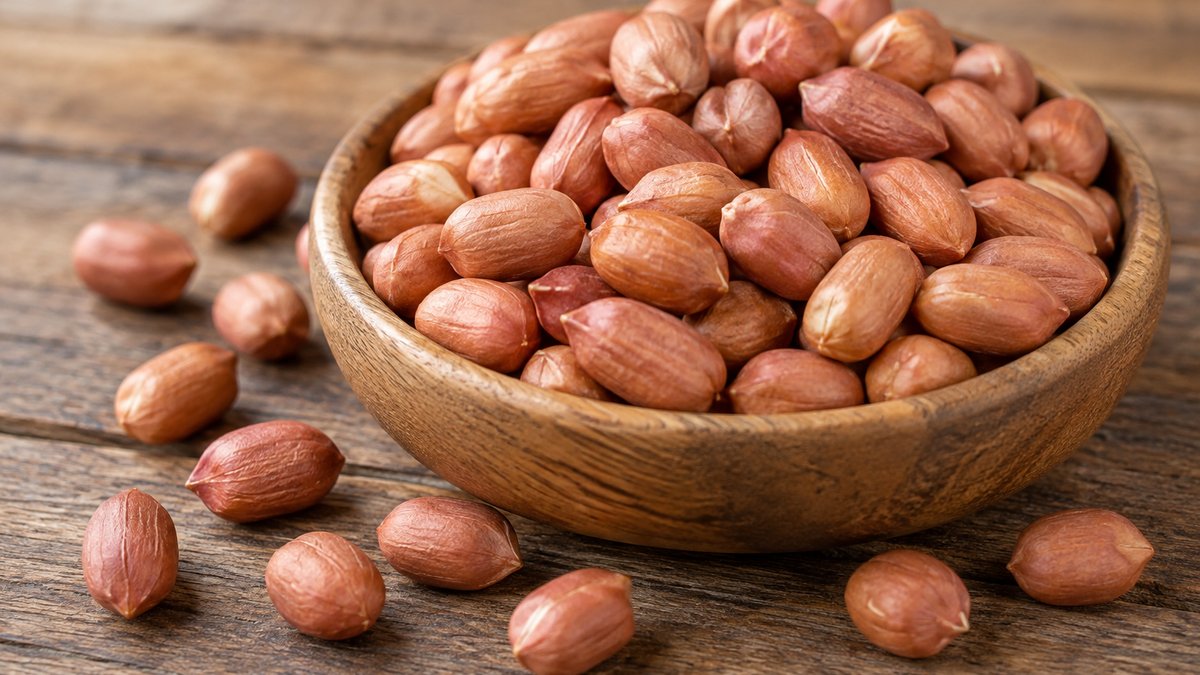
Peanuts enter trade in different forms, including in-shell and shelled groundnuts, and the figures depend on the customs code used. HS 120220 covers shelled groundnuts that are not roasted or otherwise cooked. HS 120242 covers shelled groundnuts other than seed under a more detailed classification. A price or volume for one code should not be applied to all peanut products.
The UK import mix shows the importance of South American supply. In 2025, UK imports of shelled, raw groundnuts under HS 120220 included large shipments from Argentina, Nicaragua, China, the United States and Brazil. Those customs flows show recorded trade, but they do not establish current offers, available stock or demand for a particular grade.
The USDA report also notes a past classification issue involving peanut seed imports from the United States and says the suspected anomaly appeared to have been resolved. That caveat matters when comparing official trade series across years: a change in reported figures can reflect classification as well as a change in shipments.
Looking to Source Peanut?
Connect with verified suppliers, discover matching products, and explore sourcing opportunities from global markets.
2. Latest Peanut Export and Import Prices
2.1 Current regional benchmark and UK import value
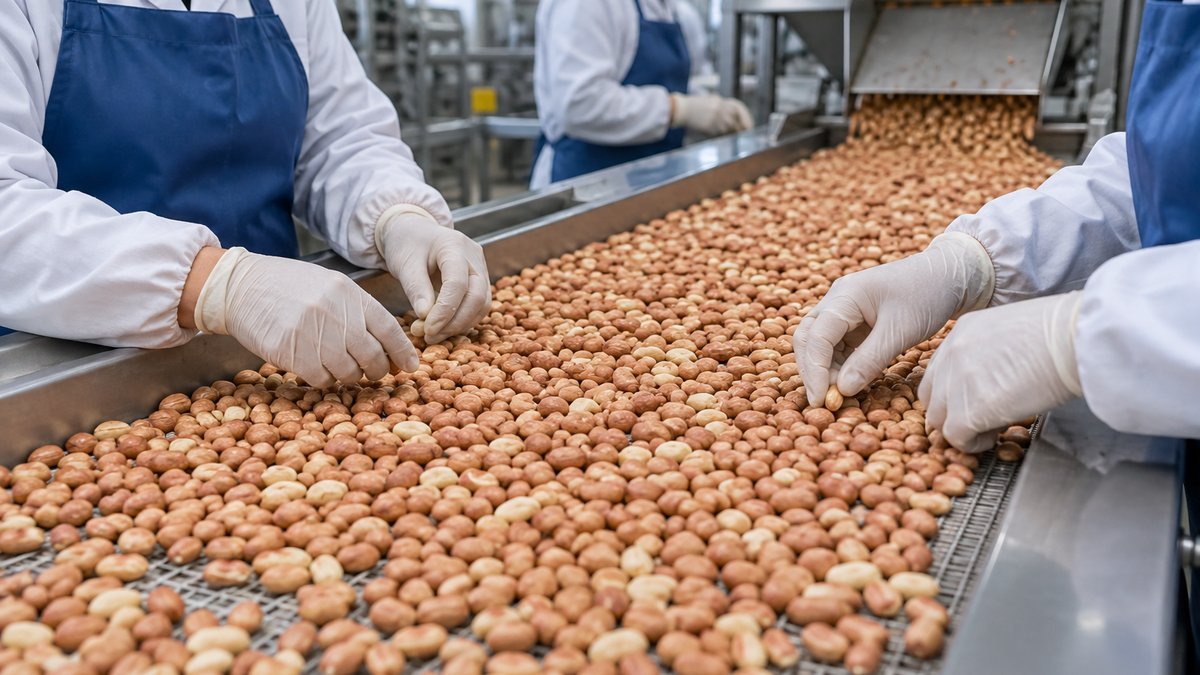
The latest dated regional benchmark located for this update is the World Bank's October 2026 monthly average of US$1,600 per metric tonne for U.S. 40/50 runner groundnuts, CFR North-West Europe. The World Bank's November 2026 Pink Sheet reports US$1,563/MT for September and US$1,500/MT for August. The benchmark rose by about 2.4% from September to October, calculated from the reported monthly averages.
CFR means the seller pays the cost and freight to the named destination port, while the buyer takes responsibility for insurance. The quoted benchmark does not state a UK port, and it is not a landed UK cost that includes insurance, duties, port charges or inland transport. Treat it as a North-West European reference for the stated U.S. runner specification.
For a UK customs-based reference, provisional data through August 2026 put the average import price for HS 120242 shelled groundnuts at £0.98/kg. This is a customs unit value, calculated across the value and quantity of imports in the classification. It may combine origins, quality levels and shipment terms. It is not an offer for a single grade or shipment.
The benchmark and the customs unit value answer different questions. One is a monthly market reference for a stated origin, size and delivery basis; the other averages UK imports within a customs category. Currency conversion alone would not make them comparable.
2.2 UK import values by exporting origin
World Bank WITS data for 2025 reports UK imports of shelled, raw groundnuts under HS 120220 at a total trade value of about US$159.5 million. Argentina accounted for about US$76.2 million and 54.0 million kg. Nicaragua followed at US$28.2 million and 14.2 million kg; China supplied US$20.1 million and 11.1 million kg.
Dividing each origin's reported value by its quantity gives an approximate customs unit value: about US$1.41/kg for Argentina, US$1.98/kg for Nicaragua, US$1.82/kg for China, US$1.66/kg for the United States and US$1.47/kg for Brazil. These are derived averages for 2025 trade under HS 120220, not comparable export offers. They can differ because of product mix, quality, contracts and shipment conditions.
2.3 Price trend and comparison limits
The World Bank benchmark increased from US$1,500/MT in August to US$1,563/MT in September and US$1,600/MT in October 2026. This is a three-month rise in the same published series. The benchmark does not, by itself, identify whether the movement came from crop supply, demand, exchange rates or freight.
For a supplier comparison, request prices for the same peanut type, count or size, crop, quality limits, packaging, quantity and shipment window. Ask each seller to quote on the same delivery basis. A customs average or regional benchmark can help frame a discussion, but neither replaces a dated quotation for the buyer's specification.
3. Why Peanut Prices Are Changing
The benchmark rose in August, September and October 2026, but the available price series does not attribute those monthly changes to a particular cause. Buyers should avoid assigning the movement to weather, harvest size, currency or freight without a dated source that measures that factor for the relevant origin and period.
Supply timing can affect the offer a buyer receives. Ask whether the quoted peanuts are new-crop or carryover stock, how much is available for the requested shipment window and whether the seller can maintain the same grade across the contract quantity. These details help explain differences between quotations without assuming that every origin has the same crop position.
Product specification is another reason price comparisons can diverge. A 40/50 runner benchmark identifies a particular size and type. A UK customs category can include a wider set of shipments. Buyers should confirm the count or size, moisture, defects, foreign matter, crop year and intended use before comparing a supplier's price with either reference.
Logistics and delivery basis also change the amount a buyer must budget. CFR includes cost and freight to the named port, while FOB leaves the buyer to arrange the main carriage. A quote that appears lower on an FOB basis may produce a higher delivered cost after freight, insurance and destination charges are included.
Policy and food-safety requirements depend on the product and shipment. Importers should check current UK requirements for the precise peanut form and intended use, and confirm which documents, inspections and controls apply to the shipment. Do not assume that a certificate or treatment requirement for one peanut product applies to every form.
4. Which Countries Import the Most Peanuts?
4.1 Major global importing markets
The sources reviewed for this update support a UK market snapshot and a ranking of the UK's supplier origins, but they do not provide a verified, like-for-like global ranking of importing countries for the latest period. Import rankings also depend on whether the measure covers shelled groundnuts, in-shell peanuts, seed or processed products. This update therefore does not present a global importer ranking as if those categories were interchangeable.
For UK buyers, the USDA London office's 180,000 MT estimate for marketing year 2026/27 is a forecast of UK imports, not a global rank or a confirmed volume of orders. Importers should treat it as a planning estimate and compare it with subsequent official trade releases.
4.2 Main origins supplying the United Kingdom
In 2025, Argentina was the largest source of UK imports of shelled, raw groundnuts under HS 120220 in the WITS data. Nicaragua and China followed by value. The United States and Brazil were also among the five largest listed origins. This describes one customs code and one calendar year, not all peanut products or the current order book.
4.3 What import demand means for exporters
The UK's dependence on imports gives exporters a market to assess, while the supplier mix shows that several origins already ship into it. Exporters considering UK business should verify the exact product classification, buyer specification, shipment requirements and current import rules before preparing an offer. A national import forecast indicates expected market volume; it is not evidence of a specific buyer order.
5. Where Can Buyers Source Peanuts at a Competitive Price?
Buyers can use the October World Bank benchmark and 2025 UK customs data as reference points, then request current quotations from suppliers in relevant origins. A useful comparison puts all offers on one specification and one delivery basis. The customs unit values by origin are historical averages and should not be treated as current supplier prices.
- Specify the product form, type, size or count, crop year and intended use.
- Set measurable limits for moisture, foreign matter, damaged kernels and other quality parameters that matter to the contract.
- State the quantity, packaging, shipment window and UK destination port.
- Ask whether each offer is FOB, CFR or CIF, and name the port used for the quotation.
- Add freight, insurance, duties, port charges and inland transport when estimating landed cost.
- Check the documents and import requirements that apply to the product and shipment.
A landed-cost comparison should use the same destination and shipment assumptions for each supplier. Buyers should also confirm how long a quote remains valid, whether the listed quantity is available and what inspection or sample approval process applies. Those terms can change the value of an offer even when the headline price is similar.
Buying consideration: Before choosing an origin, ask suppliers to quote the same grade, quantity, packaging and UK port on the same Incoterm. Compare the full delivered cost and verify the documents required for the shipment.
6. What Does the Latest Peanut Demand Look Like on Freshdi?
Freshdi buying-request statistics and representative peanut requests are not included in this update, so it cannot quantify current platform demand, buyer destinations, requested quantities or trade terms. The national UK import forecast and customs records above describe market estimates and completed trade, not Freshdi activity.
Buyers evaluating suppliers can use Freshdi's peanut category to review relevant supplier listings. Suppliers can review buying requests and check whether a request matches their product, available volume and shipment terms. A listing or request is a sourcing lead, not confirmation of a completed order.
7. What Should Peanut Buyers and Suppliers Do Next?
7.1 For buyers and importers
- Use the World Bank's October 2026 CFR North-West Europe benchmark as a dated reference for U.S. 40/50 runner peanuts, not as a UK supplier offer.
- Keep UK customs unit values separate from current quotes because the customs category averages shipments across product and contract differences.
- Request comparable quotations with clear grade, quantity, packaging, destination and delivery basis.
- Calculate landed cost and confirm current UK import requirements for the exact product.
- Check availability, shipment schedule, sample or inspection arrangements and quotation validity before agreeing terms.
7.2 For exporters and suppliers
- State the peanut type, size or count, crop year, quality limits and packaging in each offer.
- Show the loading port, quote currency, Incoterm, shipment window and quotation validity.
- Separate a market reference from the price offered for a specific lot.
- Check the buyer's destination requirements and provide only documentation that applies to the product and shipment.
- Review UK buying requests and respond when the requested specification and delivery terms match the offer.
8. How Freshdi Helps Peanut Buyers and Suppliers Connect
Freshdi gives buyers a place to review peanut supplier listings and gives suppliers a place to find buying requests. Buyers can compare the information listed by suppliers and prepare a specification for quotation. Suppliers can check the request details before deciding whether their product and terms fit.
A price reference is only a starting point for sourcing. Buyers still need to confirm grade, quantity, delivery basis and shipment documents with the supplier. Suppliers should state those details clearly so a buyer can assess the offer.
Buyers comparing peanut offers can review supplier listings and current sourcing requests in the relevant Freshdi categories.
View Latest Bean, Nut & Seed Buying Requests →View Potential Bean, Nut & Seed Suppliers →
9. Conclusion: United Kingdom Peanut Market Outlook
The World Bank's U.S. 40/50 runner benchmark reached US$1,600/MT CFR North-West Europe in October 2026, after monthly averages of US$1,500 in August and US$1,563 in September. UK customs data through August reported a provisional average import value of £0.98/kg for shelled groundnuts under HS 120242. The different product scope and pricing basis mean the figures should be used separately.
UK buyers should compare current quotations for the same specification and calculate delivered cost to their port. Exporters should state grade, quantity, origin, delivery basis and shipment terms in each offer. Freshdi can help buyers review peanut suppliers and suppliers find relevant buying requests.
Buyers preparing a peanut sourcing comparison can review suppliers listed for the product.
View Related Suppliers for This Product →

Frequently Asked Questions
What was the latest peanut price reference for the UK market?
The latest benchmark located for this update was the World Bank's October 2026 monthly average of US$1,600 per metric tonne for U.S. 40/50 runner groundnuts, CFR North-West Europe. It is a regional reference, not a quotation for a specific UK port or shipment.
What was the average UK import price for shelled peanuts?
Provisional data through August 2026 put the average UK import value for shelled groundnuts under HS 120242 at £0.98/kg. This customs unit value averages imports in that category and does not represent an offer for one grade or shipment.
Which countries supplied the most shelled peanuts to the UK?
For UK imports of shelled, raw groundnuts under HS 120220 in 2025, Argentina was the largest listed origin by value and volume. Nicaragua, China, the United States and Brazil were also among the main origins.
Why can peanut prices differ between origins?
Offers can cover different types, sizes, grades, crops, packaging, shipment dates and delivery terms. Customs unit values also average different transactions. Compare the same specification and delivery basis before judging price differences.
How should buyers compare FOB and CFR peanut quotations?
FOB and CFR assign transport costs differently. Under CFR, the seller pays cost and freight to the named destination port; under FOB, the buyer arranges the main carriage. Compare offers using the same named port and add the costs needed to reach a common landed-cost basis.
How can buyers find peanut suppliers on Freshdi?
Buyers can review peanut supplier listings in Freshdi's product category and compare the information shown with their specification. They should confirm availability, quality, delivery terms and shipment documents directly through the sourcing process.
References
1. World Bank – Commodity Price Data (The Pink Sheet), November 2026, November 2026.
2. World Bank – WITS: United Kingdom imports of shelled ground-nuts, HS 120220, by country, 2025, 2025.
3. USDA Foreign Agricultural Service – United Kingdom: Oilseeds and Products Annual, 2026.
4. Tarifbase – HS 120242: Shelled groundnuts (peanuts), UK import data, Data through August 2026, provisional.
Disclaimer: This article is compiled from platform data, public sources and information provided by third parties, for general informational purposes only. We do not guarantee its accuracy or completeness. Prices, volumes and forecasts are indicative, reflect conditions as of 2026-11-14 and may change without notice. This is not financial, investment or trading advice.