
Introduction
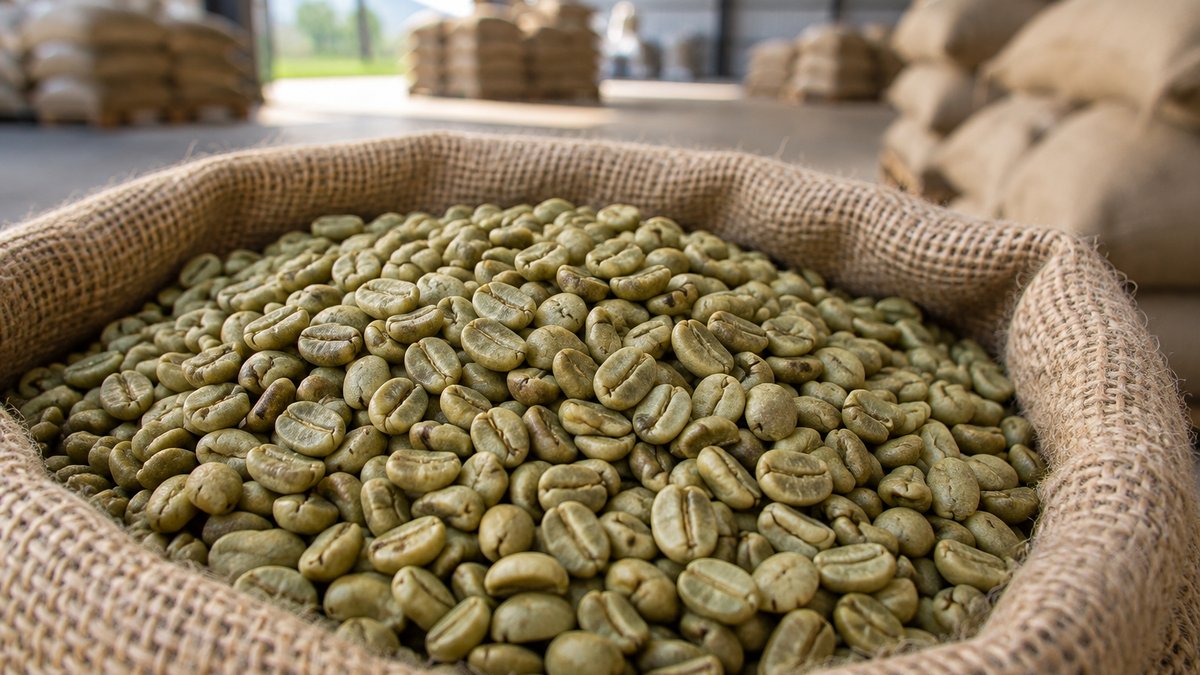
Germany’s latest dated transaction observations for washed Robusta green coffee, grade AB, are from August 2026. The five prices listed by Tridge range from US$5.35 to US$7.05 per kilogram. They are sampled import transaction unit prices, not current supplier offers or a German market-wide average.
For a more recent reference, the International Coffee Organization’s Robusta group indicator was 158.12 US cents per pound on 11 November 2026, down 0.2% from the preceding trading day. That indicator is a green-coffee benchmark, not a Germany-specific landed price. This update separates the dated German observations from exchange and indicator prices, and covers Germany’s import context through the latest sources cited below.
Key Takeaways
- Tridge’s five reported German transaction observations for washed Robusta green coffee, grade AB, dated 1 to 30 August 2026, range from US$5.35 to US$7.05/kg. They are sampled transaction unit values, not offers or a representative market average.
- The ICO Robusta group indicator was 158.12 US cents/lb on 11 November 2026, down 0.2% on the day. It is a different measure from a German import transaction price.
- Germany imported 251,000 tonnes of Robusta in 2024. Vietnam supplied 182,000 tonnes, Uganda 51,000 tonnes and Indonesia 17,000 tonnes, according to CBI’s analysis of Eurostat data.
- A defensible comparison of current German prices by exporting country is not available in the cited sources. Buyers should request quotes for the same grade, processing, quantity, delivery basis and shipment window.
- No Freshdi request statistics are included in this update. Buyers and suppliers can use Freshdi’s coffee categories to review relevant listings and buying requests.
1. Germany’s Coffee Market and Robusta Supply
Germany is a large coffee import and processing market, but national coffee totals do not describe Robusta alone. Eurostat reported that Germany imported 1,010,500 tonnes of coffee from non-EU countries in 2025, or 34% of the EU’s extra-EU coffee imports that year. That figure covers coffee broadly and should not be read as Robusta volume.
For Robusta specifically, CBI’s 2026 market report gives 2024 German imports of 251,000 tonnes, equal to 25% of Germany’s green coffee imports. Vietnam was the largest named origin in that year’s Robusta figures, followed by Uganda and Indonesia. These are historical import volumes, not current purchase orders or price rankings.
The distinction between green-bean import statistics and roasted-coffee production matters for sourcing. A country can import green coffee, process it domestically and export finished products; the resulting production totals do not reveal how much Robusta was bought at a particular price. Eurostat reported 561,200 tonnes of coffee production in Germany in 2025, but that production figure includes coffee products and is not a Robusta crop or import measure.
For procurement, Germany’s established intake from Vietnam, Uganda and Indonesia provides useful origin context. It does not establish that a particular origin is cheaper or more suitable. Buyers still need to compare bean grade, screen size, defects, processing, crop, shipment timing and agreed delivery terms.
Looking to Source Robusta Coffee?
Connect with verified suppliers, discover matching products, and explore sourcing opportunities from global markets.
2. Latest Robusta Coffee Prices for Germany
2.1 German transaction observations
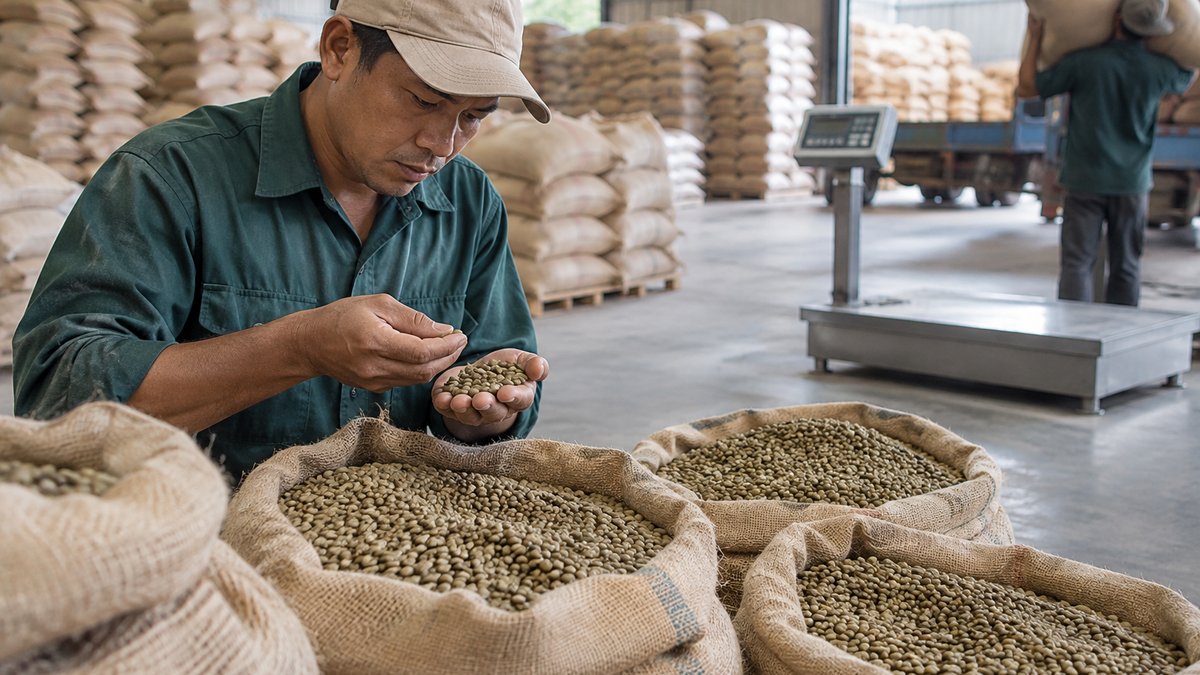
The latest dated Germany-specific Robusta entries identified here are Tridge’s sampled import transaction unit prices for washed Robusta green coffee, grade AB. Its displayed observations run from 1 to 30 August 2026 and range from US$5.35 to US$7.05/kg. The source does not establish that the entries share the same supplier, shipment terms, transaction size or delivery basis, so the range is not a like-for-like quotation series.
These observations do not support a reliable month-on-month price change: the source identifies sampled transaction unit prices, but does not establish that each transaction is comparable on volume, contract date, shipment basis or other commercial terms. Treat the figures as dated examples of reported transactions, not a current offer for a German delivery.
2.2 November exchange and indicator references
The ICO Robusta group indicator stood at 158.12 US cents per pound on 11 November 2026, down 0.2% from the prior trading day. It is a daily indicator for the Robusta group, not a quotation for washed AB coffee landed in Germany.
ICE Futures Europe provides a separate reference. On 9 November 2026, ICE listed the January 2027 Robusta futures contract at US$3,292 per metric tonne. A futures contract is a standardized exchange instrument; it does not include the origin, grade differential, freight, insurance, financing or German destination charges for a specific physical lot.
The ICO indicator, ICE futures and German transaction observations measure different things and dates. Do not average them or use one as a substitute for another. A buyer should ask suppliers to state the physical offer, currency, unit, grade, shipment period and Incoterm, then check what costs remain outside that quoted basis.
2.3 Price comparison by exporting origin
The sources reviewed do not provide comparable November 2026 German import prices for Robusta from Vietnam, Uganda and Indonesia. CBI’s 2024 origin volumes show which suppliers contributed to German Robusta imports, but volume data cannot establish a price premium or discount.
A fair origin comparison needs quotes for the same product specification and commercial basis. Ask each exporter to identify grade, screen size, defect limits, processing, crop, quantity, shipment window and delivery term. If one offer is FOB and another is CIF, add freight and insurance to the FOB offer before comparing the delivered cost.
2.4 Reading the price movement
The most recent dated movement in the cited daily benchmark is the ICO Robusta indicator’s 0.2% decline on 11 November 2026. That one-day move does not show whether German import prices rose or fell, because physical contracts can reflect earlier pricing dates, origin differentials and shipment costs.
The August German transaction entries vary from US$5.35/kg to US$7.05/kg, but the source does not show enough transaction detail to attribute that spread to a particular grade feature, seller, origin or delivery term. Buyers should not treat the difference as a confirmed trend. Request a current dated quotation against a written specification.
3. Factors That Can Change Robusta Prices
Robusta export offers reflect both the exchange reference and the physical coffee being sold. ICE’s Robusta contract is quoted in US dollars per tonne, while the traded lot still needs a grade, origin, shipment window and delivery basis. The German transaction figures above describe a different market stage and should not be directly compared with futures.
3.1 Harvest availability and origin supply
Available export stocks and the pace of new-crop arrivals can affect the physical differential exporters quote above or below a reference price. For German buyers, Vietnam, Uganda and Indonesia are established Robusta origins in the 2024 import data. Current availability must be confirmed with suppliers; that historical origin mix does not establish this season’s stock position.
3.2 Buyer demand and contract timing
German import volumes show the scale of the market, but annual customs totals cannot establish current demand for a specific grade or shipment month. Buyers should distinguish a general market estimate from a confirmed order, tender or supplier contract. Ask whether an offer is firm, how long it remains valid and whether the price is fixed or linked to a later futures setting.
3.3 Currency, freight and delivery terms
A futures reference in US dollars per tonne and an import transaction in US dollars per kilogram cannot be compared without aligning units and commercial terms. Exchange rates also affect a buyer budgeting in euros. Freight, insurance, port charges and the agreed Incoterm determine which costs are included in a supplier’s quotation.
3.4 Quality and processing
The German transaction observations concern washed Robusta green coffee, grade AB. A quote for a different grade, processing method or defect specification is not directly equivalent. Before comparing price, buyers should document the required physical parameters and agree how inspection and acceptance will work.
4. Which Countries Import the Most Robusta Coffee?
4.1 Major importing markets
The sources cited here establish Germany as a major coffee importer, but do not provide a current, comparable country ranking for global Robusta imports. Eurostat’s 2025 figure of 1,010,500 tonnes describes Germany’s extra-EU coffee imports across coffee types, while CBI’s 2024 figure isolates German Robusta imports at 251,000 tonnes. Those measures have different product scope and periods.
A global ranking should use one consistent dataset and the same product definition across countries. Green Robusta, all green coffee and roasted coffee are not interchangeable categories. Buyers using market rankings should check the reporting year, customs classification and whether the data measure imports by weight or value.
4.2 Germany’s main Robusta origins
Germany imported 182,000 tonnes of Robusta from Vietnam, 51,000 tonnes from Uganda and 17,000 tonnes from Indonesia in 2024, according to CBI’s Eurostat-based analysis. These figures identify major origins for that year; they do not show their respective 2026 market shares or current prices.
4.3 What import demand means for exporters
The 2024 origin mix gives exporters a historical indication of established supply routes into Germany. It does not confirm a buyer’s current need. Suppliers should quote the exact grade and quantity available, state the loading port and shipping window, and distinguish firm stock from expected future-crop availability.
5. How Buyers Can Compare Robusta Offers for Germany
A competitive price is the cost of the coffee that meets the buyer’s specification and arrives on the required schedule. A lower headline figure may exclude transport or refer to a different grade. Buyers should compare physical quotations on one destination and delivery basis rather than treating the ICO indicator or ICE futures as a delivered German price.
- Write the specification: state Robusta type, grade, screen size, processing method and quality tolerances.
- Set the buying terms: give quantity, packaging, shipment window, destination and preferred Incoterm.
- Request dated quotations: ask each supplier to state the quote currency, price unit, validity period and whether the offer is fixed or futures-linked.
- Calculate landed cost: include costs that the quoted Incoterm leaves to the buyer, such as freight, insurance and destination charges.
- Confirm inspection and documents: agree how quality will be checked and which shipment and import documents the transaction requires.
FCA, FOB, CFR and CIF allocate transport responsibilities and costs differently. Compare offers only after confirming the named place or port and understanding which charges are included. A CFR or CIF quotation may still leave destination expenses outside the seller’s price.
Buying consideration: For a German delivery, request at least two current offers against the same written specification and delivery basis. Keep the August transaction observations and November benchmarks as context only; neither replaces a supplier’s dated offer for the required shipment.
6. What Freshdi Demand Shows for Robusta Coffee
This update does not state Freshdi request counts or buyer requirements, so it makes no claim about the number of active Robusta requests or the most common specifications. Buyers can review Freshdi’s Robusta Coffee supplier category and broader Coffee & Coffee Bean supplier category for relevant listings.
Suppliers can review Freshdi’s Robusta Coffee and Coffee & Coffee Bean buying-request categories for sourcing needs. Check each request’s stated product, quantity, destination and trade terms before preparing a quotation; do not assume a general price benchmark matches a buyer’s specification.
7. Practical Next Steps for Buyers and Suppliers
7.1 For buyers and importers
- Use the latest German transaction observations as dated reference points, not as live offers.
- Ask suppliers to quote the same grade, processing method, quantity and shipment period.
- Compare quotes on the same Incoterm and destination basis, then calculate landed cost.
- Check the current exchange reference separately from the physical coffee differential.
- Confirm quality inspection, packaging, document requirements and quotation validity before contracting.
7.2 For exporters and suppliers
- State origin, Robusta grade, processing method and quality limits in each offer.
- Identify available quantity, loading port, shipment window and packaging.
- Show whether the price is fixed or linked to an exchange reference, and state its validity period.
- Name the Incoterm and place or port so buyers can compare the cost basis.
- Respond to a buyer’s stated requirements rather than sending an undifferentiated market price.
8. How Freshdi Helps Coffee Buyers and Suppliers Connect
Freshdi’s coffee categories provide a place for buyers to review potential suppliers and for suppliers to find buying requests. Buyers can browse the Robusta Coffee supplier category or the broader Coffee & Coffee Bean supplier category. Suppliers can review buying requests in the corresponding product categories.
Once the required grade and delivery basis are clear, buyers and suppliers can review relevant coffee listings and requests on Freshdi.
View Latest Coffee & Coffee Bean Buying Requests →View Potential Coffee & Coffee Bean Suppliers →
A listing or buying request is a starting point for a commercial discussion, not a guarantee that the product, quantity or terms will match. Verify the specification, supplier details and quotation before making a sourcing decision.
9. What Buyers Ask About Robusta Coffee Prices in Germany
Buyers should distinguish a dated transaction observation, an exchange contract and a supplier offer. Each has a different scope and should be checked against the planned shipment.
10. Germany’s Robusta Market Outlook
The latest cited German transaction observations are dated August 2026, while the latest cited ICO Robusta indicator is dated 11 November 2026. The August figures span US$5.35 to US$7.05/kg for sampled washed grade AB transactions; the November indicator was 158.12 US cents/lb. Because they describe different products, dates and pricing bases, they do not establish a single current German Robusta price.
Buyers should compare current supplier quotations on a like-for-like landed-cost basis. Exporters should make grade, quantity, shipment period, price basis and validity clear in each offer.
Buyers and suppliers checking current Robusta sourcing needs can review the relevant coffee categories on Freshdi.
View Latest Coffee & Coffee Bean Buying Requests →View Potential Coffee & Coffee Bean Suppliers →
Frequently Asked Questions
What is the latest reported Robusta coffee price for Germany?
Tridge lists sampled Germany import transaction unit prices for washed Robusta green coffee, grade AB, dated 1 to 30 August 2026, ranging from US$5.35 to US$7.05/kg. These are not current supplier offers or a representative market average.
What was the latest Robusta benchmark in November 2026?
The ICO Robusta group indicator was 158.12 US cents per pound on 11 November 2026, down 0.2% from the previous trading day. It is a group indicator, not a Germany-specific landed price.
Which countries supply Robusta coffee to Germany?
CBI’s Eurostat-based 2024 figures list Vietnam at 182,000 tonnes, Uganda at 51,000 tonnes and Indonesia at 17,000 tonnes of Germany’s Robusta imports. The figures are historical import volumes and do not indicate current prices or orders.
Why do German Robusta prices differ from futures prices?
Futures and import transactions have different pricing scopes. Physical quotes also depend on origin, grade, processing, shipment timing, currency, freight, insurance and delivery terms. A buyer should use futures as a reference, then compare current physical offers on the same specification and basis.
How should I compare FOB and CIF Robusta quotations?
Check the named port or place and which costs each offer includes. Add freight, insurance and other buyer-paid charges where necessary, then compare offers delivered to the same destination. Confirm that the product grade, quantity and shipment period also match.
Where can buyers find Robusta suppliers or buying requests on Freshdi?
Buyers can browse Freshdi’s Robusta Coffee supplier category and suppliers can review the Robusta Coffee buying-request category. Check the details in each listing or request and verify that the specifications and terms fit the intended shipment.
References
1. Tridge – Washed Robusta Green Coffee Bean (AB) Germany Suppliers, Trade & Prices, 2026.
2. International Coffee Organization indicator prices, displayed by World Coffee Index – Market: Green Coffee Prices, 11 November 2026.
3. ICE – Robusta Coffee Futures, 9 November 2026.
4. Eurostat – Import value of coffee more than doubled in a decade, 2026.
5. Centre for the Promotion of Imports from Developing Countries – Figure 4: Green Robusta and total green coffee imports for the top six Robusta importers, 2024, 2026.
Disclaimer: This article is compiled from platform data, public sources and information provided by third parties, for general informational purposes only. We do not guarantee its accuracy or completeness. Prices, volumes and forecasts are indicative, reflect conditions as of 2026-11-13 and may change without notice. This is not financial, investment or trading advice.