
Introduction
Finding an Ethiopian Arabica coffee supplier starts with a precise product brief. Origin names, processing method, grade, crop period, quantity and destination requirements all affect whether a quotation matches your buying needs.
This guide explains where to search, what to verify in an exporter’s business and product documents, and how to compare offers before ordering. It is written for importers and small and medium-sized buyers sourcing Ethiopian Arabica coffee.
Key Takeaways
- Search supplier profiles, export and business directories, trade associations and coffee-industry events, then confirm any lead independently.
- Specify the coffee’s region or lot, processing method, grade, crop period, quantity, packaging and destination before requesting quotations.
- Ask Ethiopian exporters for current business and coffee-export credentials, plus documents specific to the lot and destination market.
- Compare quotations on the same product specification, quantity, Incoterm, payment arrangement and shipment schedule.
- A listing, certificate or verification indicator supports initial screening; it does not replace product checks, document review or due diligence.
1. Ethiopia’s Arabica supply comes from several distinct coffee regions
Ethiopia produces Arabica coffee, with supply coming from several regions and many smallholder producers. A country-level label alone cannot tell a buyer how a lot was processed, graded or assembled. Ask the supplier to connect the offered lot to its stated origin and specifications.
USDA’s Foreign Agricultural Service reported a three-marketing-year average of coffee production shares for 2023/24 to 2025/26, using Ethiopian Coffee and Tea Authority data. Oromia accounted for 59.5%, South-West Ethiopia 13.7%, Sidama 12.9% and South Ethiopia 7.1%. These figures describe production shares, not export availability or a particular supplier’s stock.
Ethiopian coffee may be sold as washed or natural, among other processing descriptions. Those terms describe how the coffee was processed; they do not by themselves establish a cup profile, grade or export quality. Ask for the seller’s written specification and a representative sample, then check that the contract and shipping documents refer to the agreed lot.
Export eligibility and import requirements depend on the countries and shipment involved. Ethiopia’s Coffee and Tea Authority publishes coffee marketing and quality-control rules, while the destination market may impose its own food, traceability, labeling or documentation requirements. Confirm current requirements with the relevant authorities and your customs broker before signing a contract.
For buyers, the practical starting point is a supplier who can identify the coffee being quoted and provide documents that can be checked. A regional name or a general claim of Ethiopian origin is not a substitute for lot-level details.
Looking to Source Arabica Coffee?
Connect with verified suppliers, discover matching products, and explore sourcing opportunities from global markets.
2. How to find and evaluate Ethiopian Arabica coffee suppliers
Write down the shipment you want before you search. Ethiopian Arabica offers are easier to compare when every supplier receives the same specification, volume, packaging and delivery request.
2.1 Define your sourcing requirements
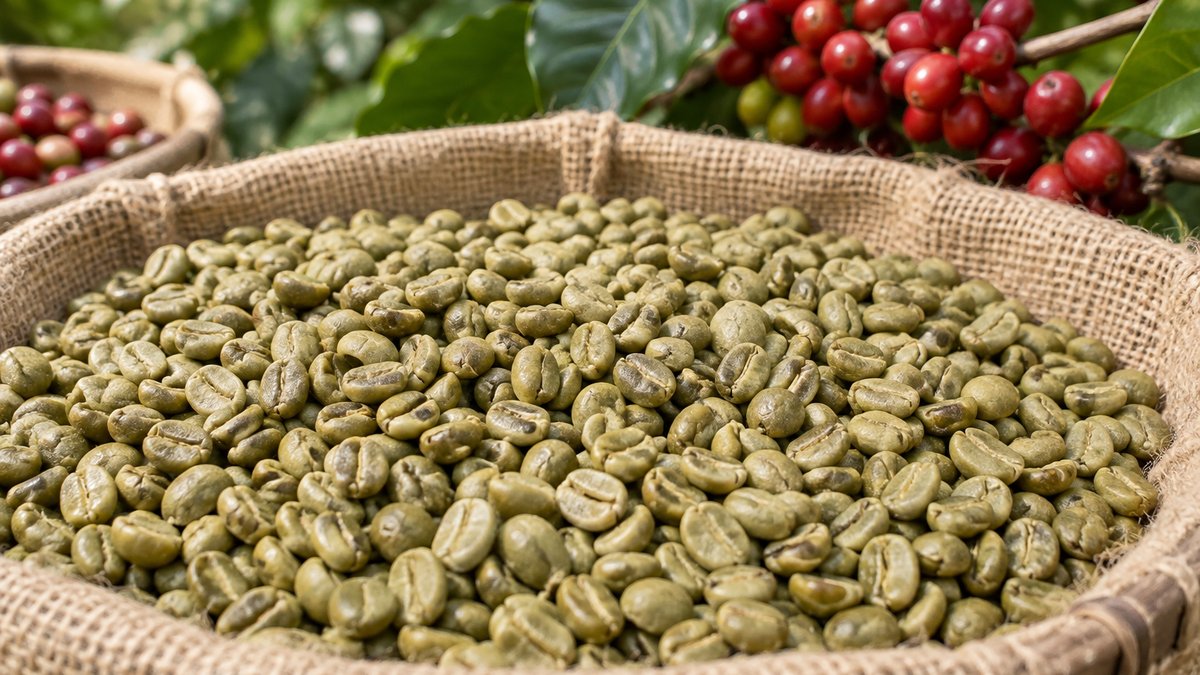
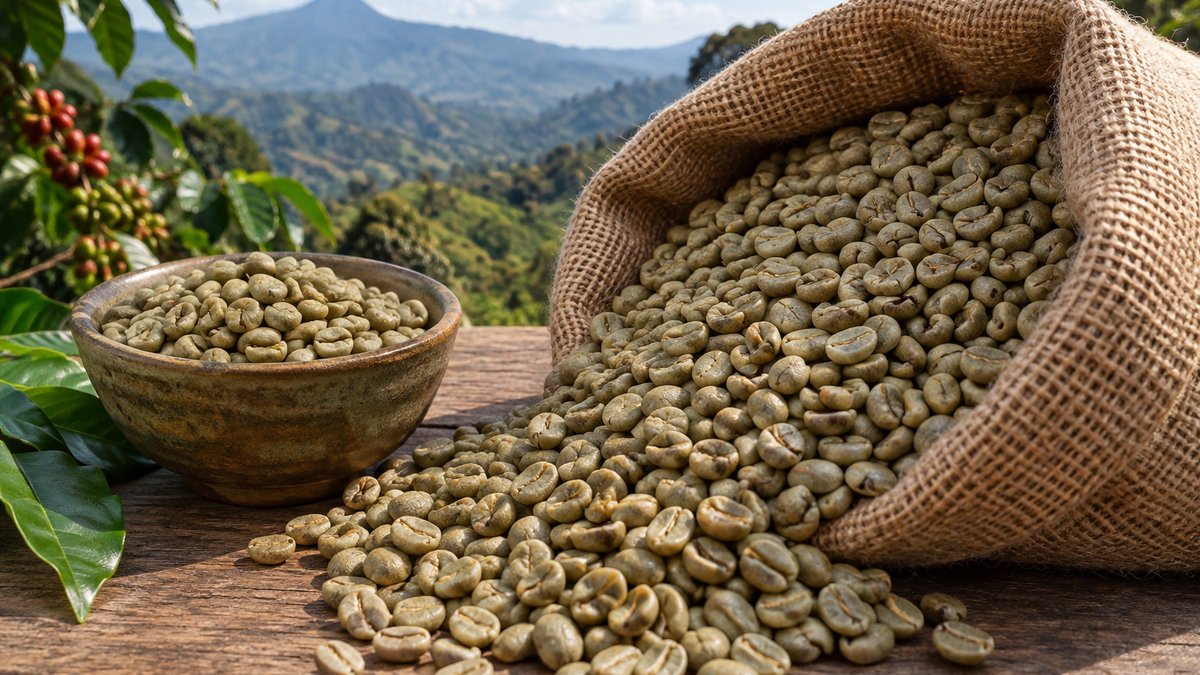
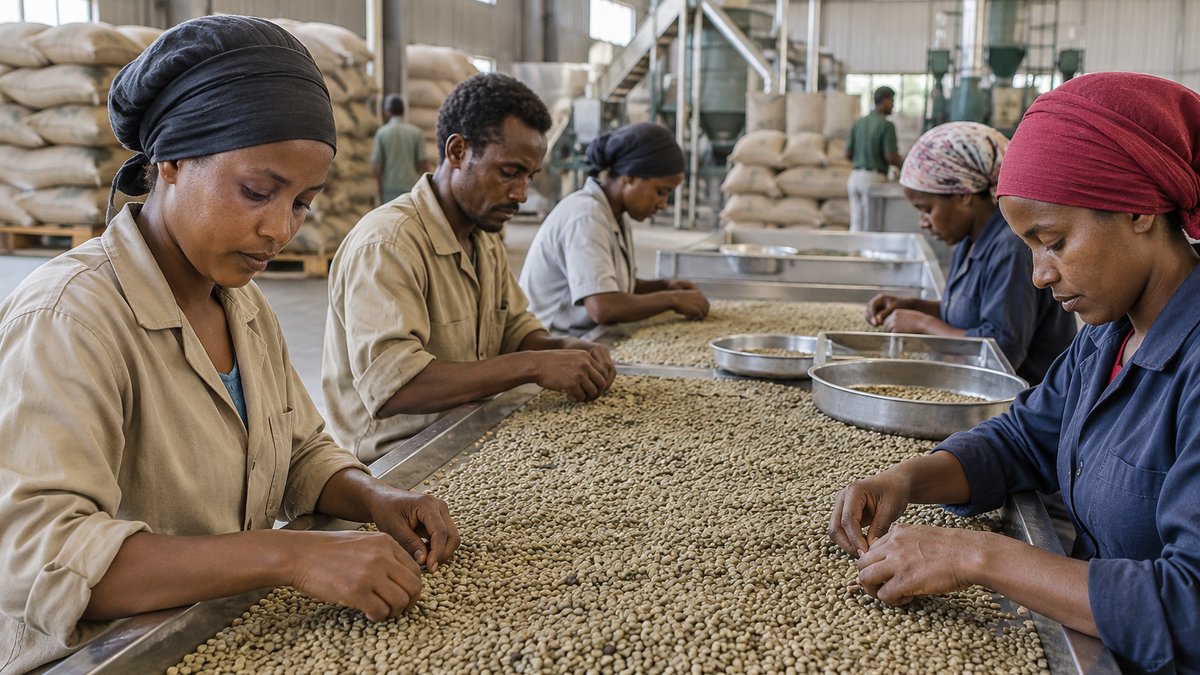
Name the product as green coffee or roasted coffee; specify Arabica and any required form. For green coffee, state the producing region or named origin if required, washed or natural processing, grade or screen size where relevant, defect limits, moisture requirement, crop period and intended use. If you use a sensory score or other quality protocol, identify the method and ask suppliers to use the same one.
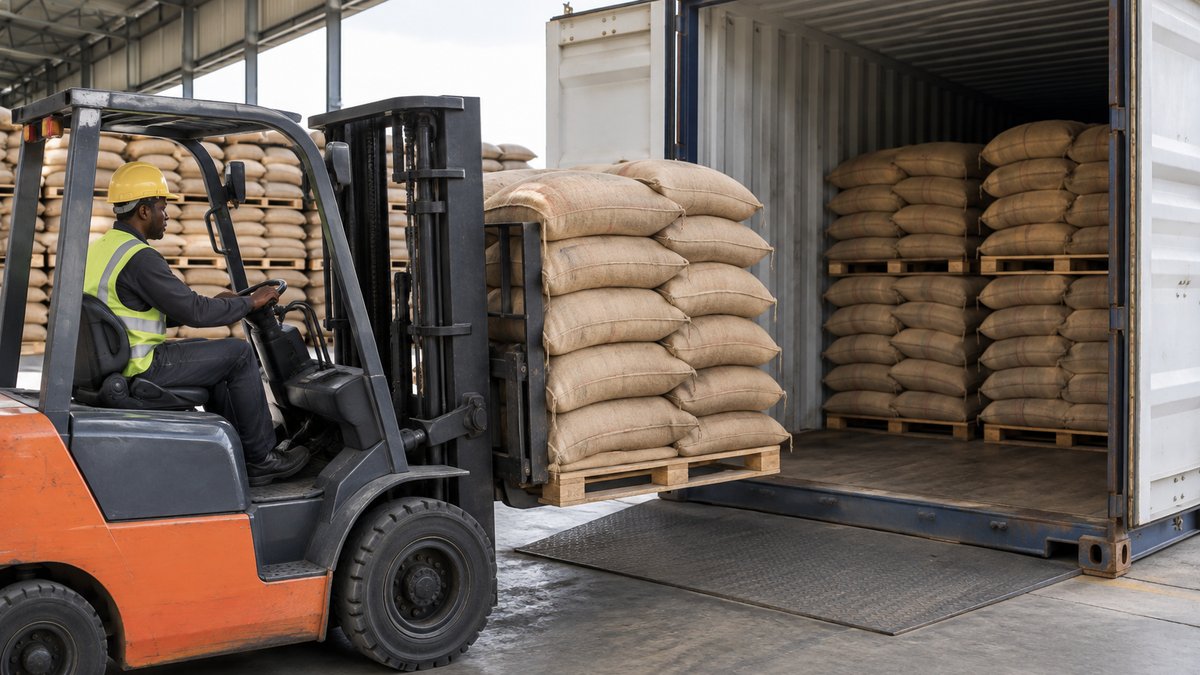
Set the quantity in a clear unit and say whether you want a trial lot or recurring supply. Ask the supplier for its minimum order quantity (MOQ), the smallest order it accepts, and whether the MOQ applies per origin, grade or shipment. Specify bag material and weight, pallet requirements if any, destination country and port, target shipment window, and preferred Incoterm. State your payment proposal and any budget range only if you are prepared to discuss it.
A short, complete request reduces avoidable differences between quotations. If a specification is flexible, mark it as flexible instead of letting suppliers assume different standards.
2.2 Where to search for suppliers
Use more than one discovery channel. B2B marketplaces can help you find profiles and product listings; coffee trade associations and industry directories can provide additional leads; trade fairs let buyers meet exporters and compare products. Official business or export directories can help identify companies within the relevant sector. Each channel produces leads, not a guarantee that a company can supply the lot you need.
For each lead, record the company name, stated business role, product, origin, available documentation and the date you checked the information. If you find a business through a directory or event, verify its identity through independent business records or the responsible authority. Ask for a company-domain email or other business contact details directly from a public, official company source; do not rely on contact information copied into an unverified listing.
Freshdi supplier listings are another discovery channel for coffee products. Use a specific category or product search, then review each profile’s published information against your specification. Listings can help create an initial shortlist; confirm current availability, company identity and all commercial details with the supplier before proceeding.
2.3 Verify the supplier’s business information
Ask the exporter for its registered legal name, business address, current business licence and the coffee-export competence documentation required in Ethiopia. The Ethiopian Coffee and Tea Authority’s exporter registration process requests organization details and supporting licences and documents. Check the documents with the issuing authority or official registry where a verification route is available, and confirm the names and dates match across the licence, quotation, contract and bank beneficiary.
A valid-looking document is not proof that a specific shipment meets your requirements. Check expiry dates, company identity, scope and issuing body. If an intermediary or agent is involved, ask what role it plays and which company will appear as exporter and seller in the contract.
Review the company’s product range, facilities and stated export experience, but treat self-published claims as claims to verify. Ask for a recent redacted shipment document or trade reference only if appropriate, and confirm the reference independently. Protect commercial information and do not request another buyer’s confidential records.
2.4 Evaluate product and supply capabilities
Ask for a dated specification sheet tied to the offered lot. It should state the coffee form, origin, processing method, grade or agreed quality parameters, crop period, packing and available quantity. Request a representative sample for evaluation before committing to a larger order. Record who selected and dispatched the sample and compare it with the shipment inspection terms in the contract.
Ask the supplier to explain how it can supply the proposed quantity and when the coffee will be ready. A trader, cooperative, processor and farm may have different roles and access to stock; clarify which party controls the lot and who is responsible for export documents. Check the MOQ and packing options against your order plan, and ask whether the quoted quantity is available now or depends on a future purchase or harvest.
Request certificates or test reports that apply to your product and destination. Check the certificate holder, scope, issuing or certifying body, product coverage and validity period. Ask the destination authority or a qualified compliance adviser which documents are mandatory. A voluntary certification should not be presented as a legal requirement unless the importing market or your buyer contract makes it one.
2.5 Compare quotations and commercial terms
Compare offers against the same lot specification, quantity, packaging, currency and shipment period. Ask each supplier to state the quotation’s validity, what the price includes, and the named place or port for the delivery term. An Incoterm allocates certain costs, tasks and risks between seller and buyer; the named place matters, so a term without it may leave the delivery scope unclear.
FOB, CFR and CIF are commonly used sea and inland-waterway terms. Under FOB, the seller delivers the goods on board the buyer-nominated vessel at the named port of shipment. Under CFR, the seller pays freight to the named destination port; under CIF, the seller also arranges the required insurance cover. These terms do not replace a contract covering quality, documents, payment, inspection and what happens if the goods fail agreed specifications.
Compare the full landed-cost estimate, including freight, insurance where relevant, import duties, customs charges and destination handling. Ask for the shipment schedule and document list in writing. Confirm that the sales contract, commercial invoice, packing list and transport documents use consistent product, quantity and party details.
2.6 Conduct due diligence before ordering
Before paying, confirm the contracting seller and payment beneficiary through an independent channel. Treat a last-minute change to bank details as a reason to pause and re-verify with a known company contact. Put the agreed product specification, sample or inspection method, tolerance, quantity, packaging, delivery term, payment milestones and required documents into the contract.
For a first transaction, consider a sample or a manageable trial order if it fits your business and the supplier’s terms. Arrange independent pre-shipment inspection when the value, quality risk or contract warrants it. Agree in advance who appoints and pays the inspector, what the inspection covers, and what remedy applies if the results do not meet the contract.
Check the exporter’s documents and your destination-market requirements before the cargo is dispatched. For food imports, the responsible authority and rules vary by market and product form. Your customs broker can help identify required import documents, while the exporter should confirm which Ethiopian export and coffee-quality documents accompany the lot.
2.7 Common sourcing mistakes to avoid
- Choosing a quotation solely because its unit price is lowest, without matching grade, lot, quantity, delivery term and included costs.
- Treating a platform badge, licence or certificate as proof of every business, product and shipment claim.
- Using a broad description such as Ethiopian Arabica without agreeing the origin, processing method, grade and quality limits.
- Assuming that a supplier’s stated capacity is available stock, rather than asking what quantity is ready and when.
- Leaving inspection, payment beneficiary, shipment documents or remedies for non-conforming coffee out of the written agreement.
- Assuming one destination’s food, traceability or labeling rules apply to every importing market.
When a quotation leaves a field unanswered, request clarification in writing and update the comparison before selecting a supplier.
3. Build a shortlist using the same checks for every supplier
A practical shortlist records whether each supplier meets your stated requirements and which details still need confirmation. Use identical criteria for every company so that a missing document or specification is visible instead of being mistaken for a match.
- Company: legal name, business address, stated role and current registration or licence information.
- Product: origin, processing method, grade, crop period, quality parameters and sample status.
- Supply: quantity available, MOQ, packaging, readiness date and repeat-supply details.
- Documents: exporter competence documents, lot-specific quality information and destination-market paperwork.
- Commercial terms: comparable quotation, currency, quotation validity, named Incoterm place, payment schedule and shipment window.
- Open points: missing records, inconsistent company names, unconfirmed availability or any term that needs clarification.
Mark each item as confirmed, pending or not stated, and note the source and date of each check. Do not score a supplier highly because its profile contains more fields if those fields do not prove the product or shipment will meet your requirements. Missing information is a question to resolve, not evidence of poor performance.
Keep suppliers on the shortlist when their stated product and terms fit your request and the remaining gaps can be checked. Before selecting one, compare the written offer, sample and documents together. The shortlist is a screening tool; the buyer still needs to verify the final lot and contract.
4. How Freshdi helps buyers find Ethiopian Arabica suppliers
Freshdi’s Find Suppliers section lets buyers explore supplier profiles and product listings by category. Buyers can start with Arabica Coffee suppliers on Freshdi or browse the broader Coffee & Coffee Bean supplier category, then review the information each supplier has published.
Use the listing as a starting point for screening. Compare the product and origin details with your sourcing brief, then ask the supplier to confirm current availability, MOQ, packaging, certificates, trade terms and shipment timing. A published profile or platform indicator does not establish that every claim is current or that an individual coffee lot will meet your specification.
When a profile appears relevant, send a focused inquiry that names the Ethiopian Arabica product, requested origin and processing method, quality requirements, quantity, packaging, destination port and delivery term. Ask which documents the supplier can provide and whether a sample represents the lot being offered.
Buyers with a defined product and shipment request can use Find Suppliers to continue their search for relevant coffee listings.
View Related Suppliers for This Product →
5. Use documented checks before choosing an Ethiopian coffee supplier
Finding Ethiopian Arabica suppliers is the first step; selecting one requires a matching product specification, verifiable business information and clear commercial terms. Compare suppliers on the same basis, confirm documents with the relevant issuers where possible, and make the contract specific to the lot and shipment.
Freshdi can help buyers discover coffee supplier profiles and listings. Use the relevant suppliers category to identify leads, then complete your own business, product and shipment checks before placing an order.
Buyers ready to review supplier listings can continue to Freshdi’s Find Suppliers discovery page.
View Related Suppliers for This Product →
Frequently Asked Questions
Where can I find Arabica coffee suppliers in Ethiopia?
Search B2B supplier listings, official business or export directories, coffee-industry associations and trade events. Freshdi’s Arabica Coffee supplier category is another place to discover profiles and product listings. Treat each result as a lead, then confirm the supplier’s identity, current supply, lot specifications and export documentation.
What should I ask an Ethiopian Arabica supplier before requesting a quotation?
State whether you need green or roasted coffee, the origin or region, processing method, grade or quality parameters, quantity, packaging, destination and shipment period. Ask the supplier to state MOQ, available quantity, price basis, quotation validity, Incoterm with named place, payment terms and documents available for the lot.
How can I check an Ethiopian coffee exporter’s credentials?
Request the company’s current business licence and coffee-export competence documentation. Check that the legal name and other details match across the supplier profile, quotation, contract and payment instructions. Where an official registry or issuing authority offers verification, confirm the document there. Credentials support screening but do not prove the quality of a specific shipment.
What documents should I check when importing Ethiopian coffee?
The documents depend on the coffee’s form, the shipment and the importing market. Ask the exporter which Ethiopian export and coffee-quality documents accompany the lot, and confirm destination requirements with the relevant food or customs authority and your customs broker. Ensure the contract specifies the documents the seller must provide and the timing for delivery.
Should I request a sample before ordering Ethiopian Arabica coffee?
A representative sample can help you assess whether the coffee meets your agreed requirements. Ask the supplier to identify the sample’s origin, processing method and lot, and agree how the sample relates to the shipment. For a larger order, consider contract terms for independent inspection and define what happens if the shipment does not meet the agreed specification.
How do I compare quotations from Ethiopian coffee suppliers?
Compare offers for the same product specification, quantity, packaging, currency and shipment period. Check what each price includes, the Incoterm and named place, payment schedule, validity period, shipment date and document requirements. Estimate landed cost using the relevant freight, insurance, duties and destination charges rather than comparing unit prices alone.
References
1. USDA Foreign Agricultural Service – Coffee Annual: Ethiopia, 2026.
2. Ethiopian Coffee and Tea Authority – Stakeholder Registration, CMIMS, Accessed November 16, 2026.
3. Ethiopian Coffee and Tea Authority – The Coffee Marketing and Quality Control Directive and Amendment, 2025-2026.
4. Freshdi – How Does Freshdi Work? From Product Discovery to Global Business Connections, 2026.
Disclaimer: This article is compiled from platform data, public sources and information provided by third parties, for general informational purposes only. We do not guarantee its accuracy or completeness. Mentions and rankings of suppliers do not constitute an endorsement or guarantee, and strategies and examples are illustrative; results may vary. Please conduct your own due diligence before making business decisions.