
Introduction
Importers sourcing frozen pangasius fillets from Vietnam need to match the product specification to their destination market, then check the exporter, documents and shipment terms. Supplier listings can help build an initial candidate pool, but buyers still need to verify the details behind each offer.
Vietnam’s pangasius supply chain is centered in the Mekong Delta, and frozen fillets are a major export product. This guide explains where to look for suppliers and how to screen them before requesting samples, comparing quotations or placing an order.
Key Takeaways
- Start with a written specification covering fillet form, size, glazing, packaging, quantity and destination requirements.
- Search B2B marketplaces, seafood industry networks, trade events and official business or export resources to find candidates.
- Check the supplier’s legal identity, processing establishment, product documents and ability to meet the destination market’s rules.
- Compare quotations on the same product basis, quantity, Incoterm, payment schedule and delivery window.
- Treat profiles and verification indicators as starting points for screening; independently verify claims before committing funds.
1. Market Overview
Vietnam’s pangasius farming and processing base is concentrated in the Mekong Delta, including An Giang, Dong Thap, Can Tho and Vinh Long, according to the Vietnam Association of Seafood Exporters and Producers (VASEP). Buyers can use the supplier’s stated factory and sourcing locations to understand where the fish is processed and whether the shipment plan suits their logistics.
Frozen fillets are a substantial part of Vietnam’s pangasius export trade. VASEP reported that frozen pangasius fillet exports reached about US$1.4 billion in January to September 2026, up 13% from the same period in 2025. That export figure describes the sector, not an individual supplier’s available stock, capacity or quotation.
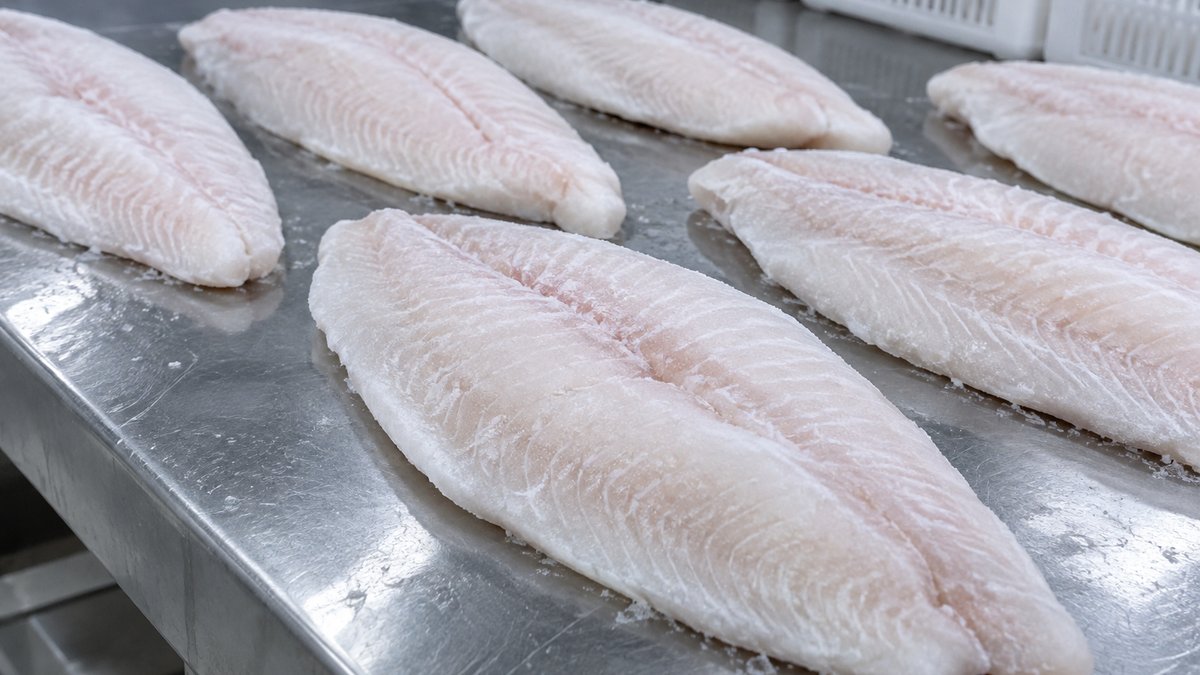
A product name alone does not define a purchase-ready specification. Fillet form, size range, skin status, glazing, net weight basis, packaging and labeling can vary by order and destination. Ask each supplier to confirm the same specification in writing before comparing offers.
Import rules also depend on the destination. For the United States, FDA seafood HACCP rules set requirements for seafood processors and importers. For the European Union, fishery products from non-EU countries must meet applicable entry requirements, including sourcing from establishments authorized for the relevant activity and required official certification. Buyers should confirm current rules for their exact product and market with the responsible authorities.
Looking to Source Frozen Pangasius Fillet?
Connect with verified suppliers, discover matching products, and explore sourcing opportunities from global markets.
2. How to Find Reliable Frozen Pangasius Fillet Suppliers in Vietnam
2.1 Define Your Sourcing Requirements
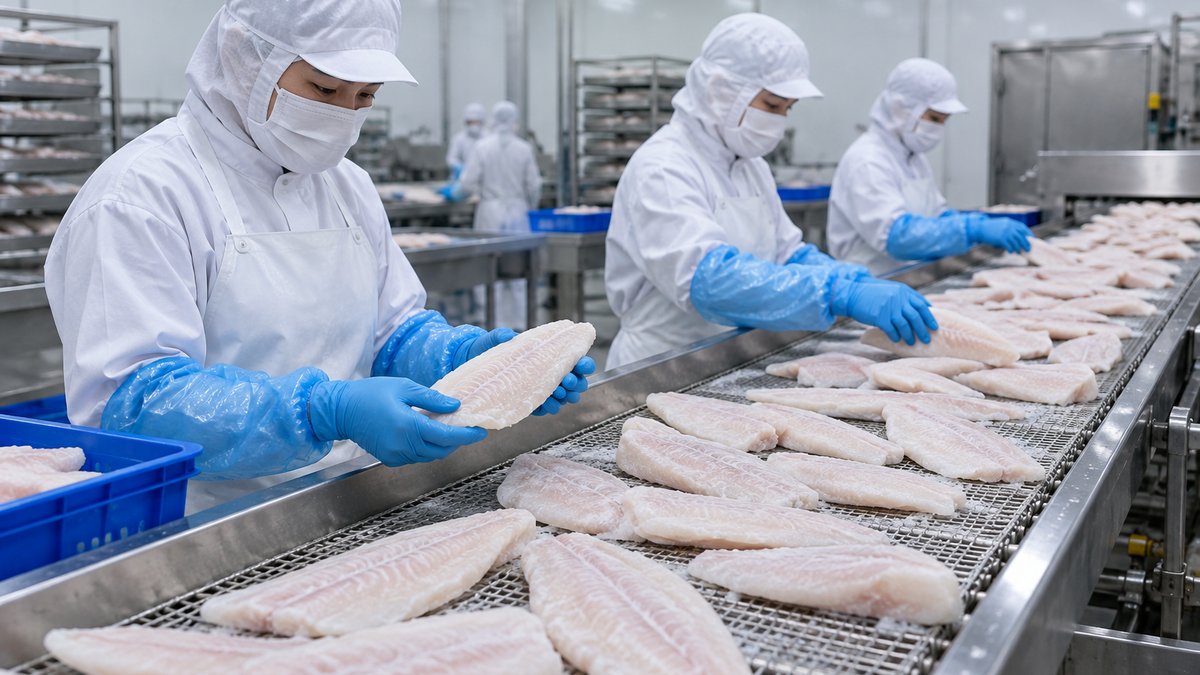
Write the specification before searching. Describe frozen pangasius fillets by the characteristics your business needs, such as fillet form, size range, skin-on or skin-off, glazing, individual quick freezing if required, packaging format and labeling language. State whether you need retail packs, food-service packs or bulk cartons.
Set the order quantity, delivery destination and target arrival window. Ask suppliers to state their minimum order quantity (MOQ), the smallest order they accept, and whether the quantity applies per product specification or can be mixed across grades and pack sizes. Confirm whether the quoted weight is net weight, gross weight or another basis, and how glazing is treated in the commercial specification.
Include the documents and market conditions you need the supplier to support. For example, name the destination country and ask what health certificates, establishment approvals, catch or farm traceability information, labels and test documents apply to the product. A supplier’s general export experience does not establish that a particular shipment meets every destination rule.
2.2 Where to Find Suppliers
Use more than one discovery channel so the shortlist does not depend on a single directory. Search B2B marketplaces by product and country, review seafood industry directories, and check exhibitor lists from relevant seafood trade events. Industry associations and official export resources can help identify businesses to investigate, but inclusion in a directory is not a quality assessment.
Search with specific terms such as “Vietnam frozen pangasius fillet exporter” and add a product feature or destination market when relevant. A narrow search helps separate businesses advertising the exact frozen product from companies listing seafood in general. Record the source of each lead so you can compare what the supplier’s own materials say with what appeared in the listing.
Freshdi has a supplier category for Frozen Pangasius Fillet. Buyers can use it as one discovery channel, then review the details shown on each listing and request supporting information directly through their normal procurement process. A category listing is a lead for evaluation, not proof that a supplier has current stock or meets a buyer’s import requirements.
2.3 Verify Supplier Business Information
Match the supplier’s legal business name, registered address and operating location across its profile, quotation, invoice and export documents. If the company uses a trading name, ask which legal entity will sign the contract, receive payment and appear as exporter of record. Verify the legal entity through the appropriate official business registry where available.
Check that the person handling the inquiry is authorized to represent the company. Confirm business contact details through an independently located company channel, rather than relying only on contact information included in an unsolicited message. Ask for the company’s registered name and relevant establishment identification so you can compare them with the required official records for your market.
Review the company’s stated business activities and product range for consistency with the offer. If the exporter says it processes the fillets, ask for the processing establishment details. If it is a trader, ask which processor will supply the order and what traceability documents will identify that facility and lot.
2.4 Evaluate Product and Supply Capabilities
Ask for a product specification sheet and recent supporting documents for the exact item offered. Confirm the declared species or commercial product identity, product form, size grading, glazing, net weight basis, packaging, storage temperature and shelf-life statement. Ask how the supplier controls lot identification and traceability from processing through dispatch.
Request evidence that matches the claim being made. A certificate should identify the issuing body, holder, scope and validity period; check those details with the issuer or its official verification system where possible. A certificate for one facility or activity does not automatically cover another product, site or shipment. Voluntary sustainability or food-safety certifications should not be treated as a replacement for mandatory import documents.
Ask the supplier to explain the quantity it can commit for the requested specification and shipment window. Clarify whether the order will come from existing inventory or require new production, and what lead time applies to each. Where repeat supply matters, discuss how the supplier maintains the agreed grade and what happens if the proposed production lot differs from the approved sample.
2.5 Compare Quotations and Commercial Terms
Request quotations against one shared specification and quantity. Compare the currency, unit price, net or gross weight basis, packaging, quotation validity, production lead time and shipment window. If any supplier quotes a different glazing level, pack size or delivery point, ask for a revised offer before treating the prices as comparable.
Name the Incoterm and place precisely. FOB means the seller delivers the goods on board the vessel at the named port of shipment, while the buyer arranges the main ocean carriage. CIF means the seller arranges and pays the cost, insurance and freight to the named destination port, subject to the applicable Incoterms rule. CFR also includes cost and freight to the named destination port but does not require the seller to provide insurance under that rule. Confirm the version of Incoterms and the named port in the contract.
Compare payment terms and shipment responsibilities alongside price. Identify the deposit, balance trigger, payment beneficiary, required shipping documents and responsibility for inspection charges. Ask who books freight, who arranges cargo insurance where applicable, and which destination charges remain for the buyer. Put any agreed changes to a quotation in the signed contract or purchase order.
2.6 Conduct Due Diligence Before Ordering
For an unfamiliar supplier, request a representative sample where practical and agree how it will be packed and shipped. Compare the sample with the written specification, including appearance, size, pack presentation and any agreed laboratory results. A sample helps assess the submitted lot; it does not establish that a later shipment will match without agreed controls.
Check certificates and export documents with the issuing authority or official database when available. For shipments to the EU, verify that the relevant third-country establishment is authorized for the activity and product category, and confirm the required official certificate and border procedures. For U.S.-bound seafood, agree early on the documentation the importer needs to meet seafood HACCP import verification duties. These are market-specific checks, so confirm the latest requirements for the shipment before production or dispatch.
For a commercially significant order, consider an independent inspection or testing plan with the scope, sampling method, timing and acceptance criteria agreed in writing. Review the contract for product specification, tolerance, quantity, delivery schedule, document list, inspection rights, claims period and dispute process. Verify the payment beneficiary against the contracting legal entity before sending funds.
2.7 Common Mistakes to Avoid
Choosing an offer solely because it has the lowest price can leave important differences hidden. A low quote may use a different pack, weight basis, delivery point or specification. Put offers on the same commercial basis and calculate the landed cost using freight, insurance where applicable, duties and destination charges.
A profile badge or verification indicator can support an initial review, but it does not guarantee product quality, financial performance or completion of an order. Check the supplier’s legal identity, product evidence, facility details and payment arrangements independently.
Do not rely on a broad label such as “frozen pangasius fillet” as the full product description. If the purchase order leaves size, glazing, packaging or weight basis unclear, the buyer and supplier may have different expectations about what the shipment must contain.
Confirm the destination’s import conditions before production. Missing or incorrect health documentation, establishment information, labels or lot records can delay border clearance. Assign responsibility for each required document and have the buyer or customs broker check the final document set before loading.
3. How to Build a Practical Supplier Shortlist
Use one evaluation sheet for every candidate and score only information you can support with a listing, document or written supplier response. Keep confirmed facts separate from unanswered questions; an empty field is a follow-up item, not evidence that a supplier fails the requirement.
Compare each candidate against the same order specification and destination. Mark requirements as confirmed, inconsistent or not yet documented, and ask suppliers to resolve the same gaps in writing. Keep a dated copy of the quotation and certificates because validity, availability and shipment schedules can change.
Shortlist suppliers whose documented product and export arrangements match the order, whose commercial terms can be compared, and whose unanswered questions have clear owners and deadlines. The shortlist is a starting point for direct clarification, sampling and due diligence, not a ranking of supplier quality.
4. How Freshdi Helps Buyers Find Suppliers
Freshdi’s Find Suppliers category page for Frozen Pangasius Fillet gives buyers a place to discover supplier listings for this product. Open relevant listings and compare the information displayed, such as product details or commercial fields when provided. Ask the supplier to confirm that the listed information applies to the exact product, facility and shipment under discussion.
Use the category search alongside the requirements in your sourcing brief. Keep a record of each candidate’s stated MOQ, packaging, trade terms, certifications and export information when those details appear, then request evidence for the claims that matter to your destination market. A profile does not replace independent verification or official import checks.
Buyers ready to review category listings can start with Freshdi’s Frozen Pangasius Fillet supplier page.
Buyers with a defined product specification can use Freshdi’s Find Suppliers page to begin reviewing relevant listings.
View Related Suppliers for This Product →
5. Conclusion
Finding a Vietnamese frozen pangasius fillet supplier starts with a precise product specification and a search across more than one channel. Compare suppliers on legal identity, product evidence, export documentation, supply commitments and equivalent commercial terms before selecting candidates for samples or further checks.
Before paying or signing, verify the supplier and the shipment documents independently, and confirm the destination market’s current requirements. Buyers can browse Freshdi’s Frozen Pangasius Fillet supplier category as one step in building a shortlist.
After setting your requirements, browse Freshdi’s Frozen Pangasius Fillet supplier listings as a starting point for supplier discovery.
View Related Suppliers for This Product →
Frequently Asked Questions
Where are Vietnam’s pangasius suppliers concentrated?
Pangasius farming and processing are concentrated in the Mekong Delta. VASEP identifies An Giang, Dong Thap, Can Tho and Vinh Long among the region’s pangasius centers. Ask each prospective exporter to identify the processing establishment and the origin information relevant to your order.
What should I include in an inquiry for frozen pangasius fillets?
Specify the fillet form, size range, skin status, glazing, pack format, labeling, quantity, destination and requested shipment window. State the required weight basis and destination documents, then ask the supplier to quote using a named Incoterm and place. This gives you a basis for comparing like-for-like offers.
How can I verify a Vietnamese pangasius exporter?
Match the legal business name and address across the supplier’s company records, quotation and contract. Clarify whether the supplier is a processor or trader, identify the facility that will process the order, and check required establishment approvals through the relevant destination authority. Confirm certificates with the issuing body where a verification route is available.
Which documents may be needed to import frozen pangasius fillets?
Requirements depend on the destination and shipment. Buyers may need an official health certificate, establishment information, traceability records, commercial and transport documents, and destination-specific labeling. U.S. seafood imports are subject to seafood HACCP rules; EU imports of fishery products have establishment authorization, certification and entry requirements. Confirm current rules with the responsible authority for the destination.
Does a supplier verification badge guarantee a successful order?
No. A verification indicator can help with initial screening, but it does not guarantee product conformity, financial stability or shipment performance. Verify the company, product specification, facility, documents, payment beneficiary and contract terms independently.
Where can I find frozen pangasius fillet suppliers online?
Search B2B marketplaces and seafood industry directories using the product and origin, then compare the information in supplier listings with supporting documents. Freshdi has a supplier category for Frozen Pangasius Fillet that buyers can use as one discovery channel. Contact shortlisted suppliers to confirm current availability and order-specific terms.
References
1. Vietnam Association of Seafood Exporters and Producers (VASEP) – Vietnam’s Pangasius Exports Look to the UK, Japan, and EU for New Growth Momentum, 2026.
2. Vietnam Association of Seafood Exporters and Producers (VASEP) – Mekong Delta: Pangasius brings significant foreign exchange to the region, 2025.
3. U.S. Food and Drug Administration – Fish and Fishery Products Hazards and Controls Guidance, June 2022 Edition, Addendum 1, 2022.
4. European Commission – Non-EU countries authorised establishments, n.d..
5. European Commission – Import controls of food and feed: Questions and answers, n.d..
6. Freshdi – Frozen Pangasius Fillet supplier category, n.d..
Disclaimer: This article is compiled from platform data, public sources and information provided by third parties, for general informational purposes only. We do not guarantee its accuracy or completeness. Mentions and rankings of suppliers do not constitute an endorsement or guarantee, and strategies and examples are illustrative; results may vary. Please conduct your own due diligence before making business decisions.