
Introduction
Finding a Vietnamese black pepper supplier starts with a precise product specification and ends with independent checks on the company, goods and shipment terms. Buyers need to compare like-for-like offers: whole or ground pepper, agreed quality limits, packaging, quantity and destination.
This guide covers where importers can look for Vietnamese suppliers, what to request from them, and how to build a shortlist without treating an online profile or verification indicator as a guarantee.
Key Takeaways
- Search B2B marketplaces, trade directories, industry networks and official business or export resources, then confirm each supplier’s identity independently.
- Specify whole or ground pepper, quality limits, packaging, volume, destination and delivery terms before requesting comparable quotations.
- Ask for evidence that matches the actual shipment, including product specifications, test results and any certificates required by the destination market.
- Compare suppliers on the same commercial and product criteria. Record missing information as a question to resolve, not as proof of poor performance.
- Check the contract, payment beneficiary, shipment responsibilities and destination requirements before paying or placing an order.
1. What should buyers know about Vietnam’s black pepper supply?
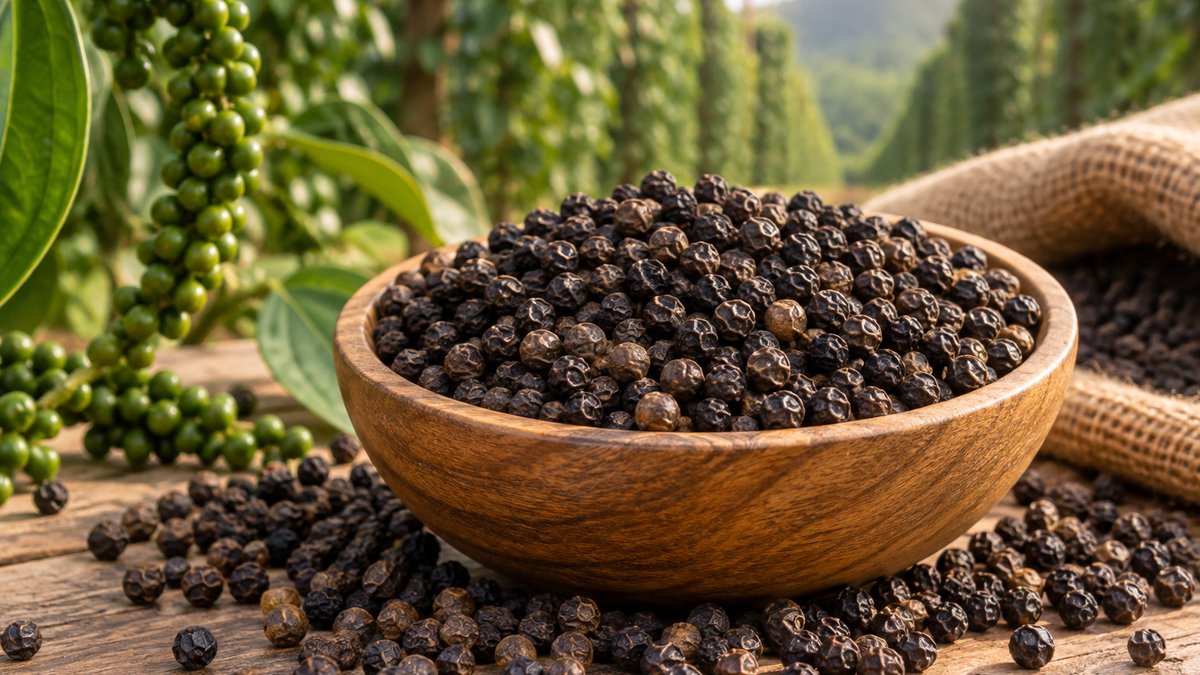
Vietnam has an established pepper export trade, with black pepper making up most of its reported pepper shipments. For January to July 2026, Vietnam exported 168,429 tonnes of pepper, worth US$1.087 billion, according to figures attributed to the Vietnam Pepper and Spice Association in an August 26, 2026 Asemconnect trade report. The report covers all pepper types, so those totals should not be read as black-pepper-only figures.
For full-year context, Vietnam News reported that Vietnam exported 247,482 tonnes of pepper in 2025, including 212,279 tonnes of black pepper and 35,203 tonnes of white pepper. That annual result is a separate period from the January-to-July 2026 figures. Buyers comparing origins should keep the product type, reporting period and unit consistent.
Pepper is grown in several Vietnamese areas, including the Central Highlands and southeastern provinces. A 2022 article from Vietnam’s Intellectual Property Office describes Dak Nong pepper as a protected geographical indication and identifies its production area. Buyers considering a region-specific claim should ask the supplier to document the farm or sourcing area and confirm that the offered product qualifies to use that indication.
Commercial quality depends on the shipment specification and the destination market. Codex Alimentarius’ 2017 standard for black, white and green pepper addresses product identity, quality, contaminants, pesticide residue limits and hygiene recommendations. It provides a reference standard; importers still need to check the mandatory rules of their own destination and whether the product is whole, ground or otherwise processed.
Set the specification before comparing origins or offers. For black pepper, clarify whole or ground form, agreed grade or measurable quality limits, acceptable defects, moisture, packaging and whether testing is required. Ask the supplier to state the method and results for any measurements that matter to your contract.
Looking to Source Black Pepper?
Connect with verified suppliers, discover matching products, and explore sourcing opportunities from global markets.
2. How can you find and screen black pepper suppliers in Vietnam?
2.1 Define your sourcing requirements
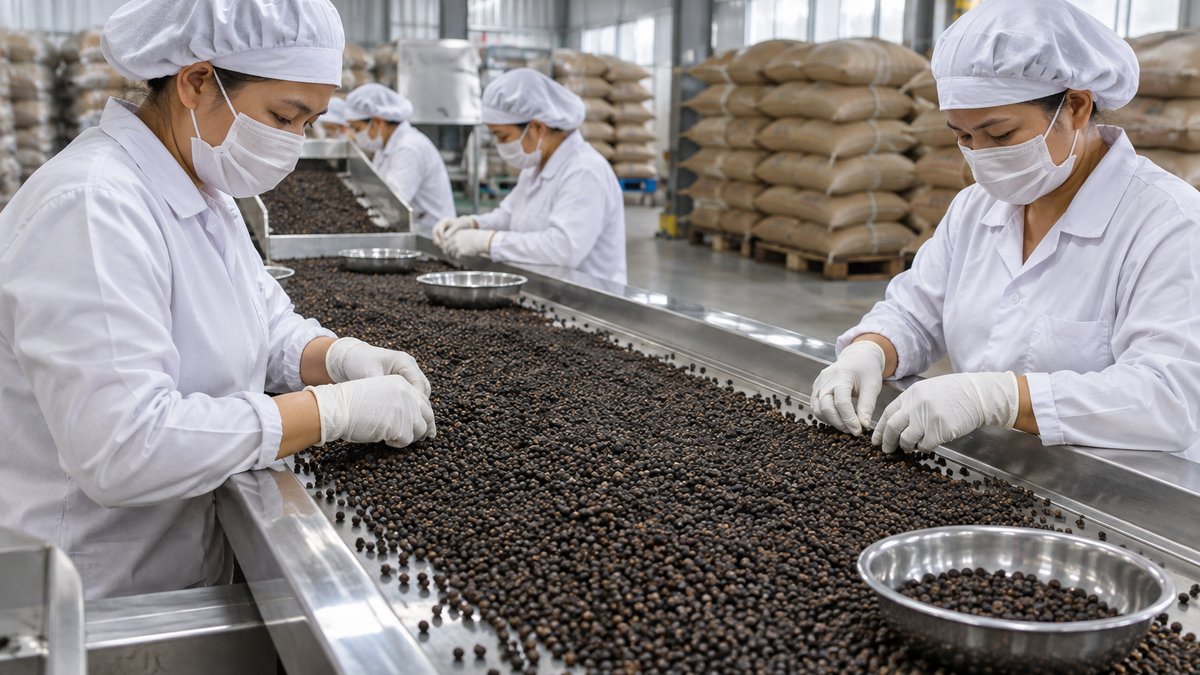
A useful sourcing brief tells suppliers exactly what they are quoting. State whether you need whole peppercorns or ground black pepper, the quantity, packaging, destination, expected shipment period and any required quality or compliance documents. For a processed product, describe the form and processing requirements clearly.
Set a realistic quantity and ask each supplier for its minimum order quantity, or MOQ, meaning the smallest order it accepts. Specify the package type and net weight per package, plus pallet or container preferences if they affect loading. Ask suppliers to quote in the same currency and unit so the offers can be compared.
Name the destination country and, where relevant, the delivery point. Import rules and required documents depend on the destination and the product. Tell suppliers which delivery term you want them to quote, and request the named port or place and the Incoterms edition in the offer. If you are still comparing shipping arrangements, ask for separate prices under the same agreed alternatives rather than comparing a port price with a delivered price.
2.2 Where can buyers search for suppliers?
B2B marketplaces let buyers search product listings and supplier profiles. Use a specific query such as Vietnamese whole black pepper with your intended grade or packaging, then review each listing for the details it actually states. Search for the product category and origin rather than relying on a broad search for spice suppliers.
Industry directories, trade fairs and spice associations can provide additional names to investigate. Official business and export directories may help identify registered businesses or relevant industry bodies. Treat each source as a discovery channel: a directory entry or event meeting does not establish that a company can supply your specification or has current export capacity.
Freshdi’s supplier discovery pages let buyers browse supplier profiles and product listings. Start with the Black Pepper supplier category, then inspect the information shown on each profile. Use listed details as the basis for follow-up questions, not as a substitute for checking documents and samples for a specific order.
2.3 Verify the supplier’s business information
Confirm the legal business name, registration details, business address and the identity of the person handling the transaction. Compare these details across the supplier’s documents, profile and quotation. Where a public company register is available, check the company using the official registry for its jurisdiction. If the supplier trades under a different name, ask how that name relates to the registered entity.
Check that the payment beneficiary matches the contracting business or that the supplier explains the relationship in writing and provides supporting records. Confirm transaction details through a communication channel you have independently established. Do not rely on contact details or payment instructions in a changed invoice without rechecking them.
Ask for business and export documents relevant to the proposed transaction. The exact documents depend on the shipment and destination, so have the importer or customs representative confirm what is needed. A supplier’s registration documents establish business identity; they do not prove product quality, financial standing or performance on a future order.
2.4 Evaluate product and supply capability
Request a written specification for the actual product being offered. It should identify whole or ground form, grade or agreed measurable limits, packaging, lot identification and the quality tests relevant to your contract. If a supplier quotes a named standard, ask which edition applies and how the lot was tested against it.
Ask whether the offer comes from current stock, contracted farms or planned production, and what volume is available for the shipment period. Confirm the stated MOQ, lead time and packaging. Ask how the supplier keeps lots identified between purchase, processing, testing and dispatch. These questions help establish whether the offer matches your order size and timeline.
Request certificates or test reports that apply to the product and destination. Check the issuer, scope, validity, product or site covered and whether the document can be matched to the lot. A certification claim should not be treated as evidence for a different product, facility or shipment. Ask the supplier to explain any mismatch before using the document in a purchasing decision.
2.5 Compare quotations and commercial terms
Compare quotations only after aligning product form, specification, quantity, package size, currency, quote validity and delivery point. An offer for a different grade or a different shipment basis is not directly comparable. Ask suppliers to identify exclusions and charges that are not included in the quoted price.
FOB, CFR and CIF are Incoterms used for sea or inland waterway transport. Under FOB, the seller’s delivery responsibility ends when the goods are loaded on board at the named port of shipment; under CFR, the seller arranges and pays freight to the named destination port; under CIF, the seller also arranges insurance. The transfer of risk and allocation of tasks differ from who pays particular costs, so confirm the named ports, insurance details and current Incoterms edition in the contract. For containerized shipments handed to a carrier before loading on a vessel, ask whether another Incoterm is more suitable.
Review payment terms alongside the shipment plan. Confirm the deposit, balance trigger, documents required for payment and the contracting parties. Ask when the quotation expires and what happens if shipment dates or product specifications change. A low unit price can produce a higher landed cost if freight, insurance, duties or destination charges differ.
2.6 Conduct due diligence before ordering
For a first order, request a sample when it can represent the product and lot you intend to buy. Agree how the sample will be identified and which specifications you will assess. A sample supports product evaluation but does not establish that a later bulk shipment will match it; include the agreed requirements and remedies in the contract.
Verify certificates with the issuer where a verification service exists, and ask an independent inspection company or laboratory to assess the goods when the order risk warrants it. Agree in advance who appoints and pays the inspector, when inspection occurs and which sampling method applies. Make sure the test results relate to the lot under contract.
Before signing, put the product specification, quantity, packaging, price, currency, trade term, shipment window, required documents and inspection arrangements in writing. Review the dispute process and the conditions for changing or cancelling the order. Confirm the payment beneficiary and do not send funds until the contract and payment instructions have been checked.
2.7 Which sourcing mistakes should buyers avoid?
- Choosing the lowest price without matching product form, specification, quantity and delivery basis across quotations.
- Assuming an online verification mark or business registration guarantees product quality or successful delivery.
- Accepting broad descriptions such as “export quality” without written, measurable requirements for the contracted lot.
- Ignoring destination rules, document deadlines, packaging details or the allocation of freight and insurance costs.
- Paying a different beneficiary or accepting changed bank details without independently confirming the reason and identity.
3. How can buyers build a practical supplier shortlist?
Use the same evaluation criteria for every candidate. A simple comparison sheet can separate confirmed information from unanswered questions and help buyers decide which suppliers merit further discussion.
Mark each item as confirmed, documented, pending or not applicable. A missing answer is a reason to ask a question; it is not, by itself, evidence that a supplier is unsuitable. Keep a note of who supplied each document and when it was checked, especially when an offer or certificate may expire.
Shortlist suppliers whose written offers fit the same specification and shipment plan, and whose identity and transaction details can be checked. Ask the remaining candidates the same follow-up questions. This framework helps organize due diligence; it does not identify or rank individual Vietnamese suppliers.
4. How does Freshdi help buyers find black pepper suppliers?
Freshdi’s Find Suppliers area supports product and supplier discovery through category pages, product listings and supplier profiles. Buyers can use the Black Pepper category to locate profiles that may be relevant, then review the details published there and ask suppliers to substantiate information needed for a particular shipment.
Use Freshdi as one search channel within the screening process. A profile can help you identify a business and its listed products, while independent checks establish whether the business, documents and specific offer meet your requirements. The platform page is a starting point for discovery, not a guarantee of transaction outcomes.
Once your product specification and destination are clear, browse Freshdi’s supplier listings for black pepper businesses to screen against your requirements.
View Related Suppliers for This Product →
5. How should buyers proceed with a Vietnamese black pepper supplier?
Begin with a written specification, search several channels and compare offers on the same product and delivery basis. Verify the company and payment beneficiary, check the lot-specific product evidence, and confirm destination requirements before signing or paying.
Freshdi can help buyers discover black pepper supplier profiles and product listings. Use the listings to identify candidates, then conduct independent checks before making a purchase decision.
Buyers ready to continue their supplier search can use Freshdi’s Find Suppliers page to explore black pepper listings.
View Related Suppliers for This Product →
Frequently Asked Questions
Where can I find black pepper suppliers in Vietnam?
Search B2B marketplaces, industry directories, trade fairs, spice associations and official business or export resources. Use specific search terms for whole or ground pepper and your required product details. Treat search results as leads, then verify the company and shipment offer independently.
What should I include in a black pepper sourcing inquiry?
State whether you need whole peppercorns or ground pepper, the required specification, quantity, packaging, destination, shipment period and preferred delivery term. Ask for MOQ, price validity, available volume, relevant test results and documents required for your destination.
How can I check whether a Vietnamese pepper supplier is legitimate?
Compare the supplier’s legal name, address and registration information across its profile, business documents and quotation. Check an official business register where available, confirm who will contract and receive payment, and verify any relevant certificates with their issuer. These checks do not guarantee future performance.
Which quality details should buyers specify for black pepper?
Describe whole or ground form and agree on the grade or measurable quality limits that matter to your use. Specify relevant testing, packaging and lot identification. Ask the supplier for test results tied to the offered lot, and confirm the rules that apply in the destination market.
Should I choose the Vietnamese black pepper supplier with the lowest quotation?
Compare prices only when the product specification, quantity, packaging, currency, named delivery point and included charges match. Check shipment timing, documents, inspection and payment terms as well. A lower quote on a different basis may not represent a lower total cost.
Does a supplier verification indicator guarantee a reliable order?
No. A verification indicator can support an initial review, but it does not establish that a particular lot meets your specification or that an order will be delivered as agreed. Verify the business, product evidence, contract, payment details and shipment documents independently.
References
1. Vietnam News – Pepper exports hit record high in 2025, 2026-01-09.
2. AsemconnectVietnam – Pepper export accelerate, quality is 'key' to maintain marketshare, 2026-08-26.
3. Intellectual Property Office of Vietnam – Geographical Indication Protection “Dak Nong” for pepper products, 2022-12-13.
4. Codex Alimentarius Commission – Standard for Black, White and Green Peppers (CXS 326-2017), 2017.
5. Freshdi – What Is Freshdi and How Does It Work? A Complete Guide for Buyers and Suppliers, 2026.
6. Freshdi – Black Pepper supplier category, 2026.
Disclaimer: This article is compiled from platform data, public sources and information provided by third parties, for general informational purposes only. We do not guarantee its accuracy or completeness. Mentions and rankings of suppliers do not constitute an endorsement or guarantee, and strategies and examples are illustrative; results may vary. Please conduct your own due diligence before making business decisions.