

What products are you looking for?
Popular Searches:
Where to Buy Durum Wheat Grain Wholesale:
9,031 Supply, Exporters on Freshdi, South Africa leads Durum Wheat Grain supply with 16.4% of suppliers, followed by the United States ( 13.1% ) and Tanzania ( 9.8% ) — a distribution across three key agricultural regions rather than a single dominant source.
3.5% of all listings were added in the last 30 days, a small increase in new supply. 82% of suppliers remain active in the last 90 days, and 68.9% carry business verification — the supplier base is largely reachable and a significant portion has undergone documentation validation.
A buyer inquired about Durum Wheat Grain in the last 30 days — 1 inquiry came in, indicating minimal recent interest from sourcing parties.
Updated Oct 10, 2026
Based on suppliers' real activity on Freshdi over the past 7 days
Explore market insight



Good Price
+4
Milling Wheat for Bread Flour Production with Reliable Grain Characteristics for Professional Bakers










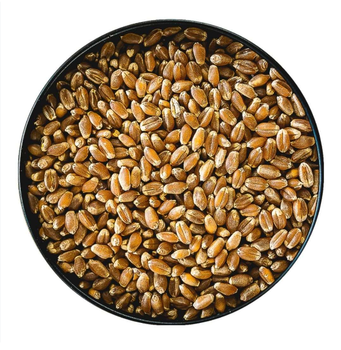

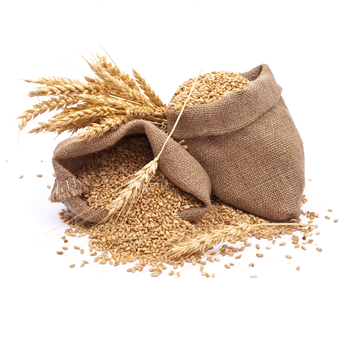



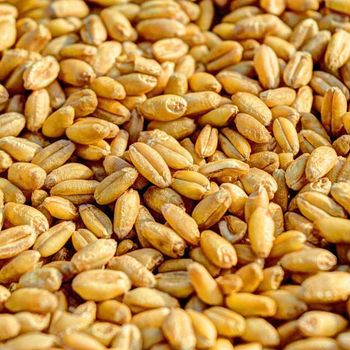
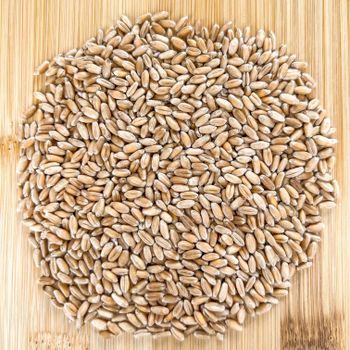
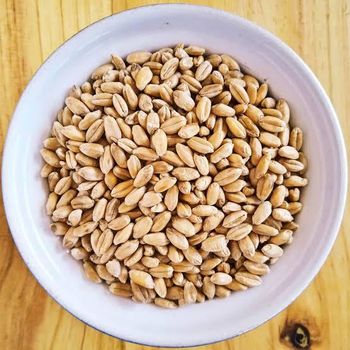
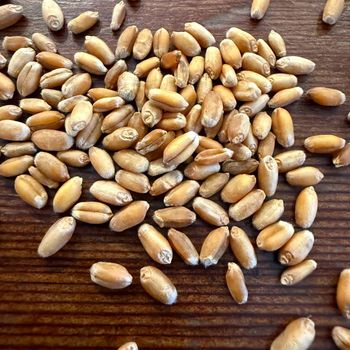
Natural Durum Wheat Grain With Golden Color Wheat Texture For Industrial Milling And Wholesale Export
+2
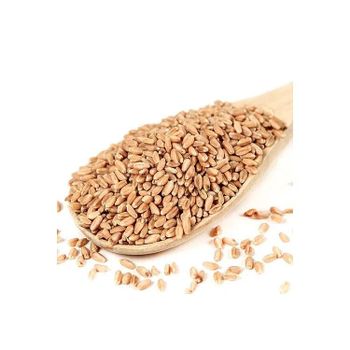
Natural Durum Wheat Grain For Industrial Flour Production With 12% - 14% Protein Content


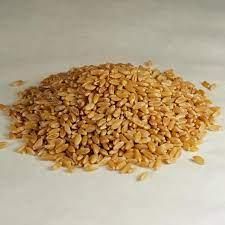

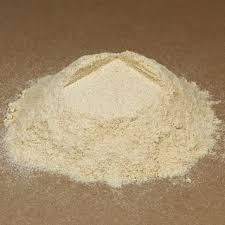


Durum Wheat Grain Market Insight | Price, Payment Terms, Trade Terms & Supplier Countries
Updated Oct 10, 2026Based on suppliers' real activity on Freshdi over the past 7 days
Explore market insight
Durum Wheat Grain listings show a typical price range of USD 234 - 340 per metric ton on an FOB basis, with the median price landing at USD 250 per metric ton.
The typical minimum order quantity for Durum Wheat Grain is 100 MT , with most suppliers offering order sizes within the common range of 25 to 1,000 MT , providing a broad spectrum of volume options for buyers.
Durum Wheat Grain suppliers predominantly offer FOB at 52.6% of listings, with CIF accounting for 43.9% — indicating that freight and insurance responsibilities are largely left to the buyer in the majority of cases.
For Durum Wheat Grain, T/T is the most common payment term at 39.2% , followed by L/C at 23% , reflecting a preference for bank transfers among suppliers.